



Navy's Dramatic Victory Reveals the Resilience of Military Academy Rivalry
- A Strategic Narrative of Momentum Shift and Competitive Spirit in College Football



















Overview
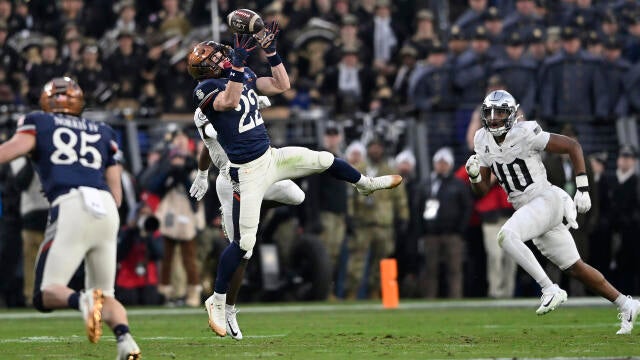
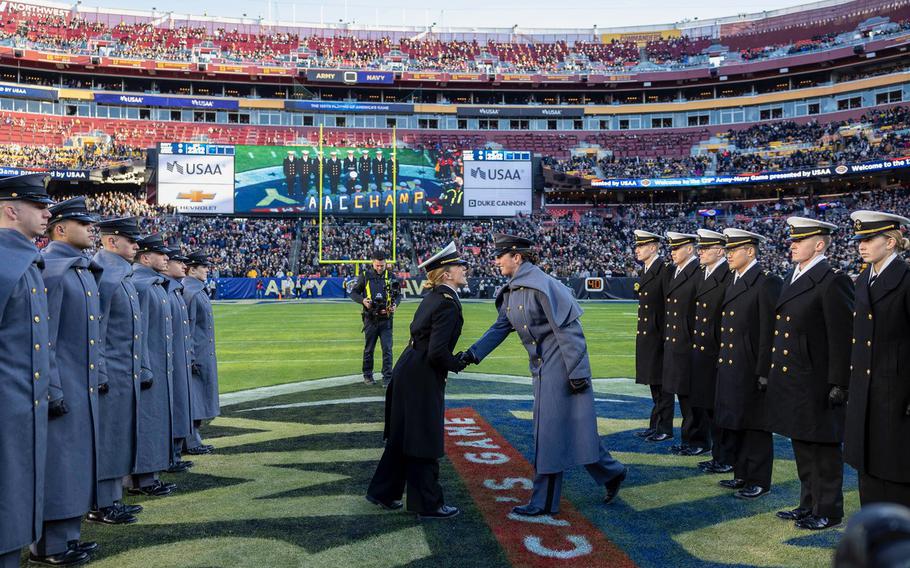
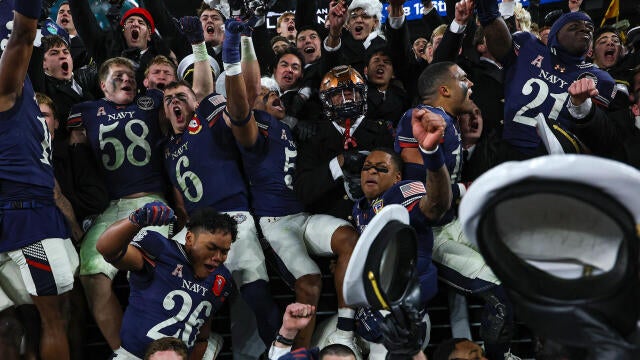
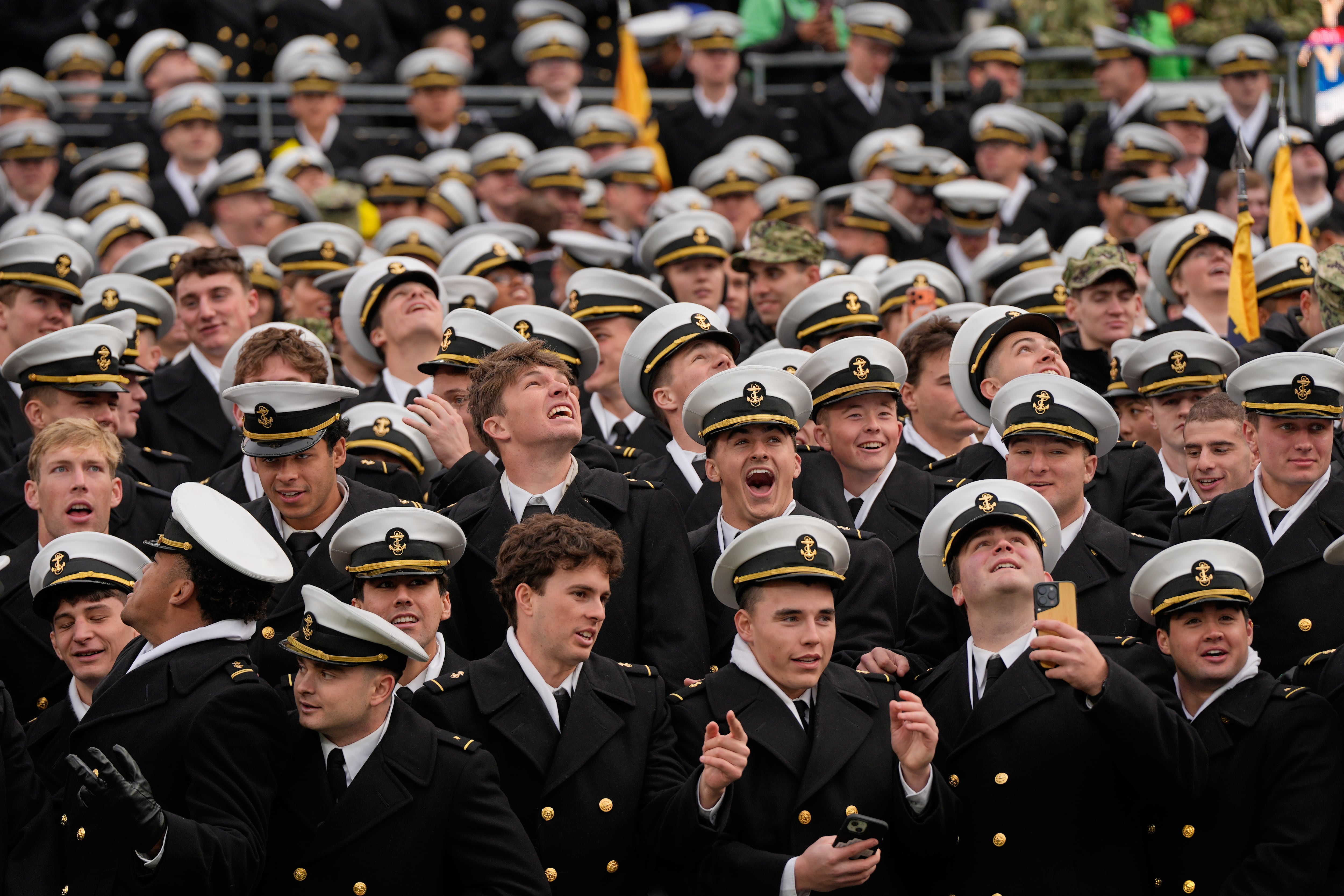
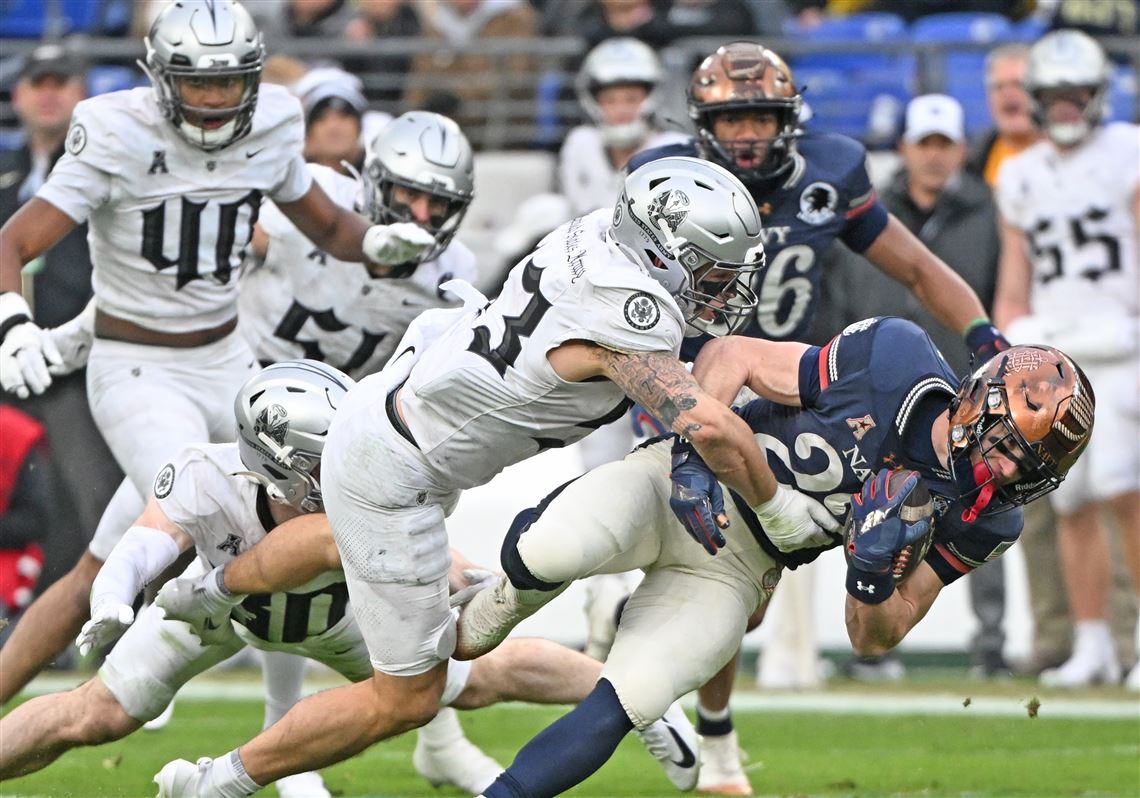
In the high-stakes arena of the 126th Army-Navy football game, a profound narrative of strategic resilience and competitive dynamics unfolded, transcending mere athletic competition. Navy's last-minute 17-16 victory represents more than a football triumph—it's a masterclass in momentum management and tactical adaptation.
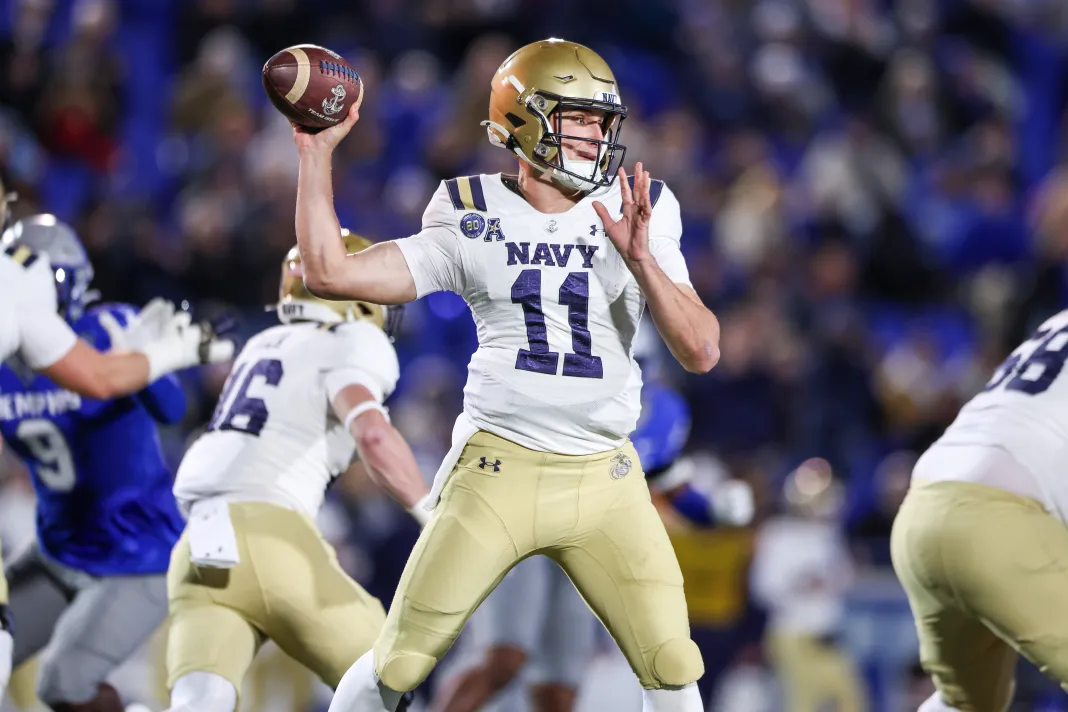
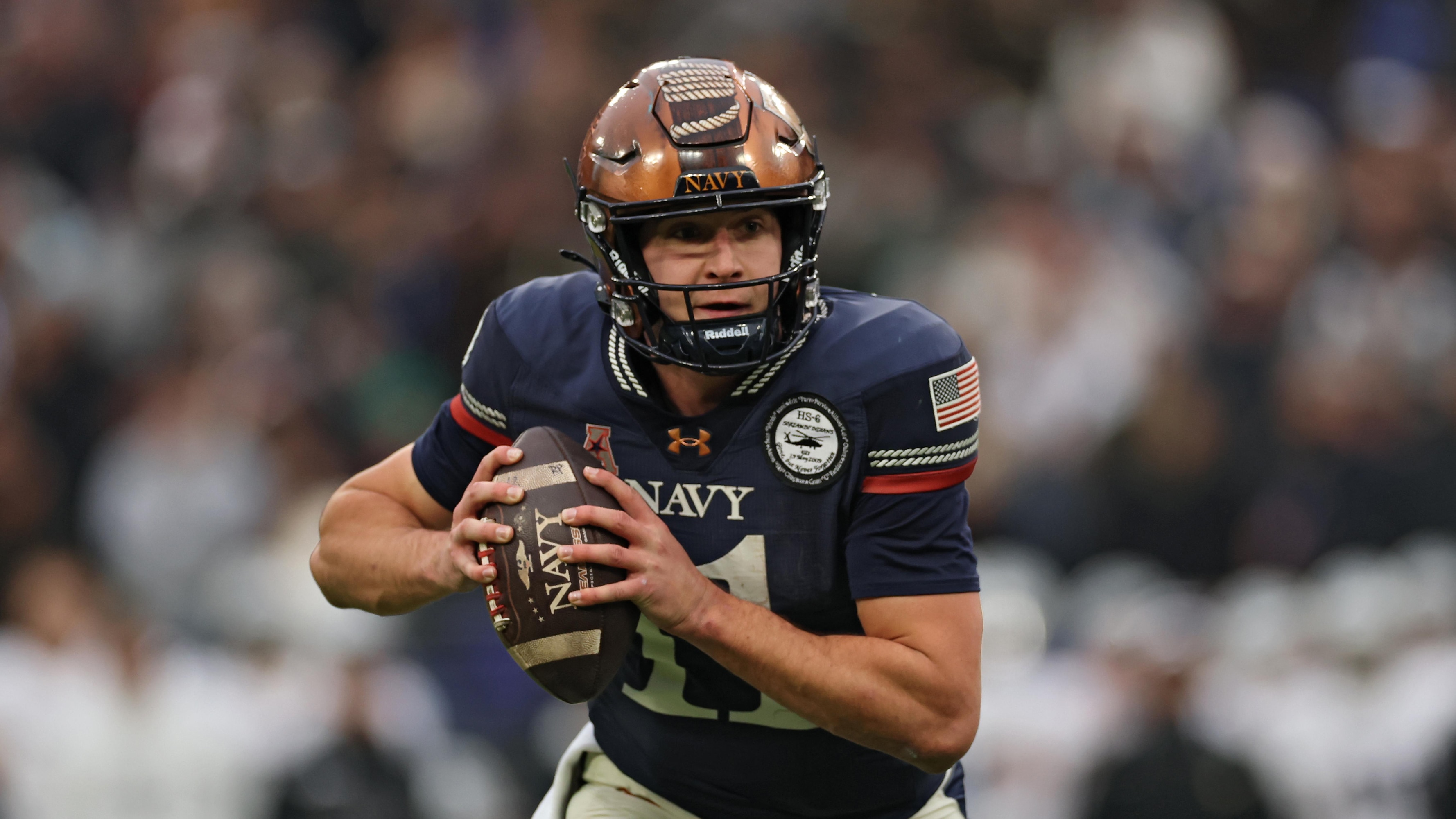
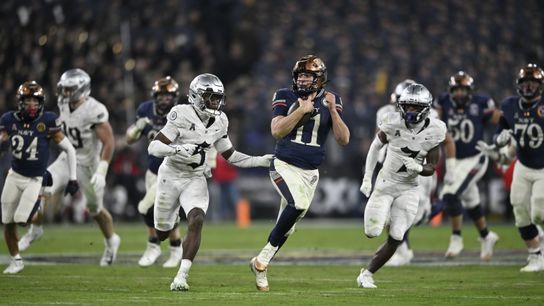
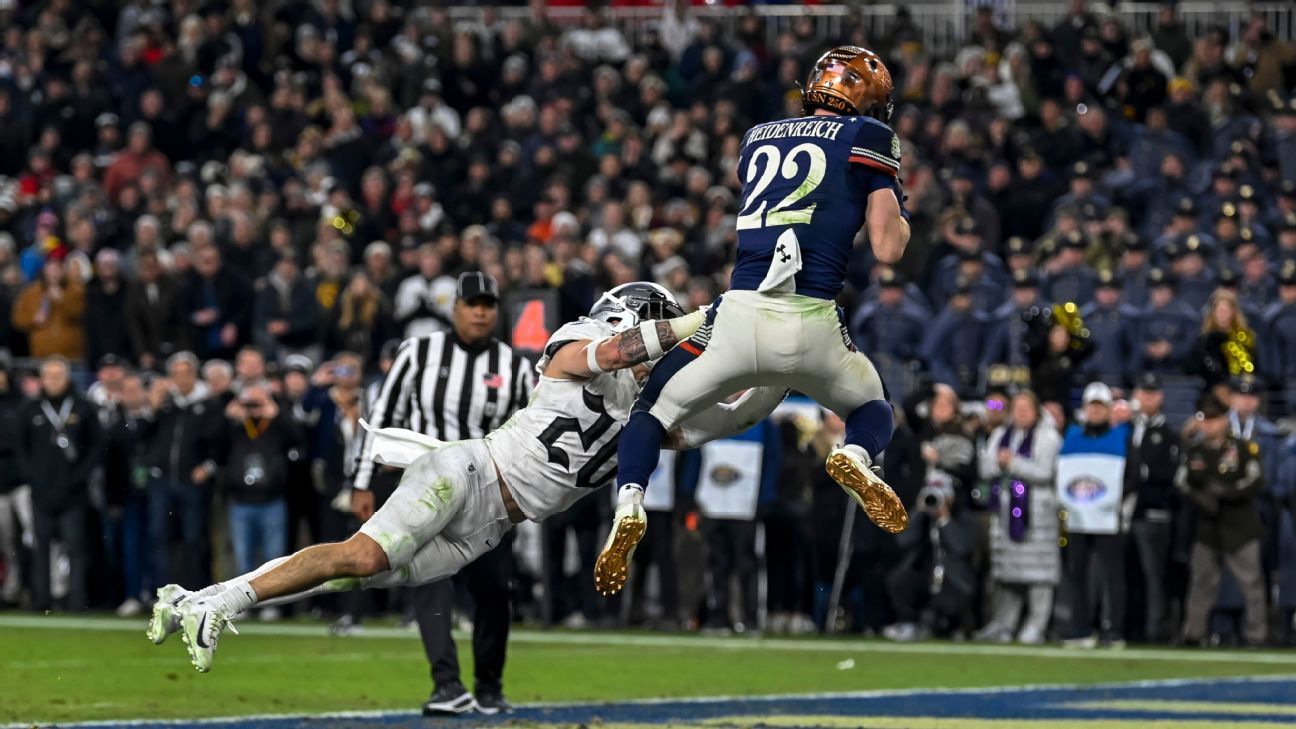
The game's pivotal moment emerged in the fourth quarter, when Navy quarterback Blake Horvath transformed a potentially losing scenario into a historic win. Initially trailing, with Army's quarterback Cale Hellums controlling the match's early narrative, Navy demonstrated the critical military academy trait of strategic recalibration. Horvath's game-winning fourth-down touchdown pass to Eli Heidenreich was not just an athletic feat but a metaphorical battlefield maneuver, showcasing how split-second decisions can reverse seemingly insurmountable challenges.
This victory carries deeper significance beyond the scoreboard. By securing their second consecutive Commander-in-Chief's Trophy and achieving back-to-back 10-win seasons, Navy has established a pattern of sustained excellence. The game underscores a fundamental truth about competitive environments: consistent performance matters more than isolated moments of brilliance. Navy's ability to maintain momentum across multiple seasons reflects an organizational culture of continuous improvement and strategic thinking.
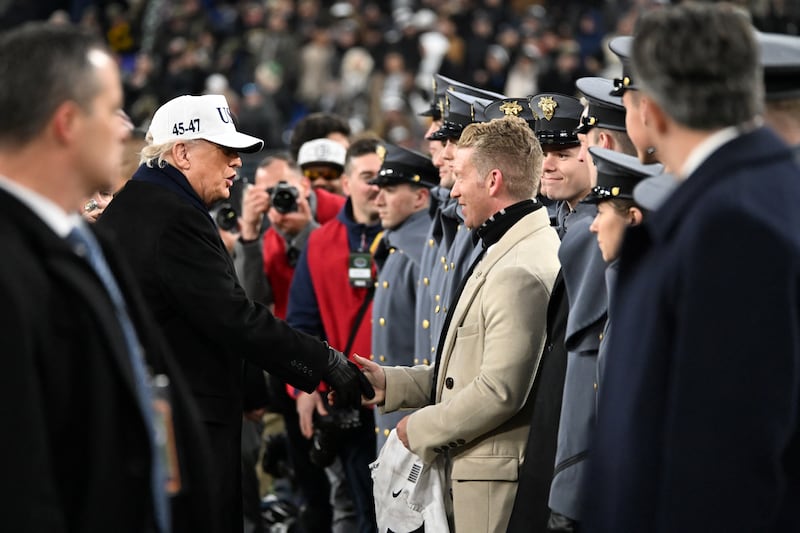
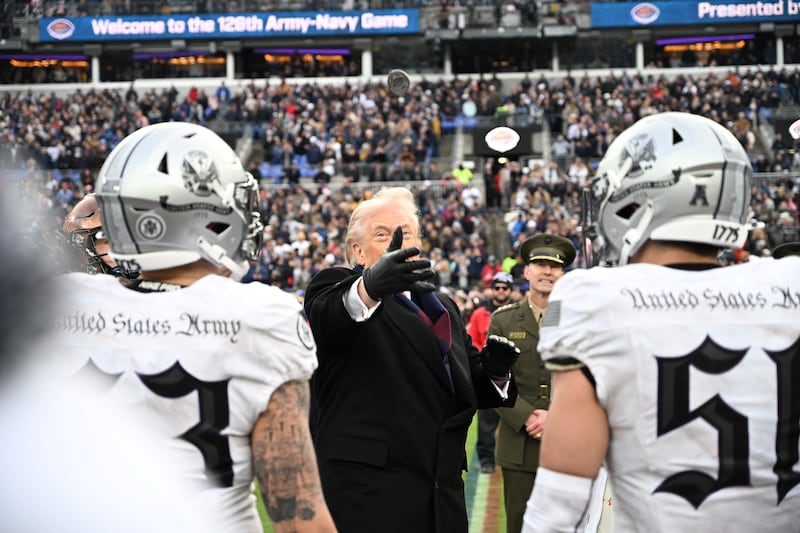
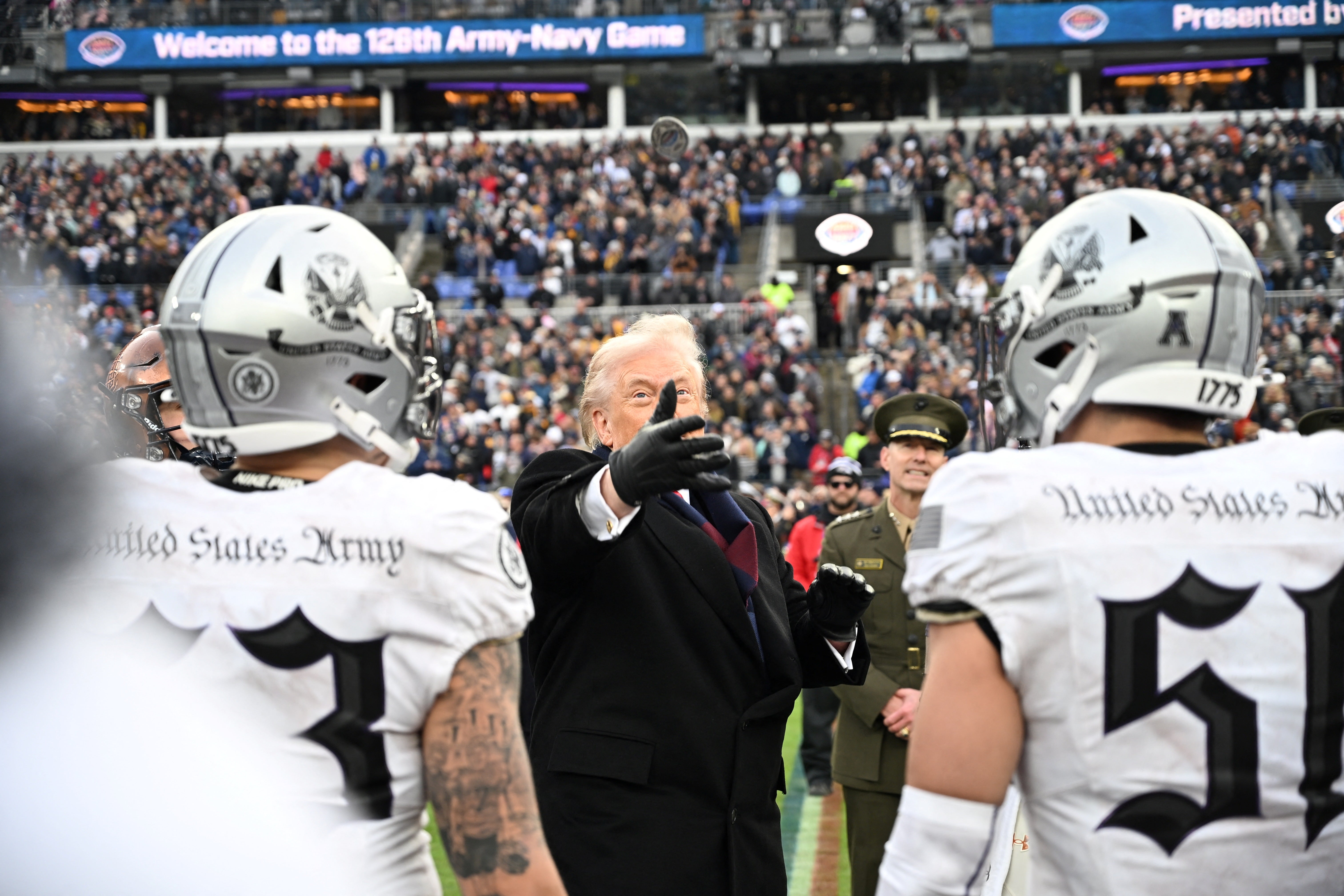
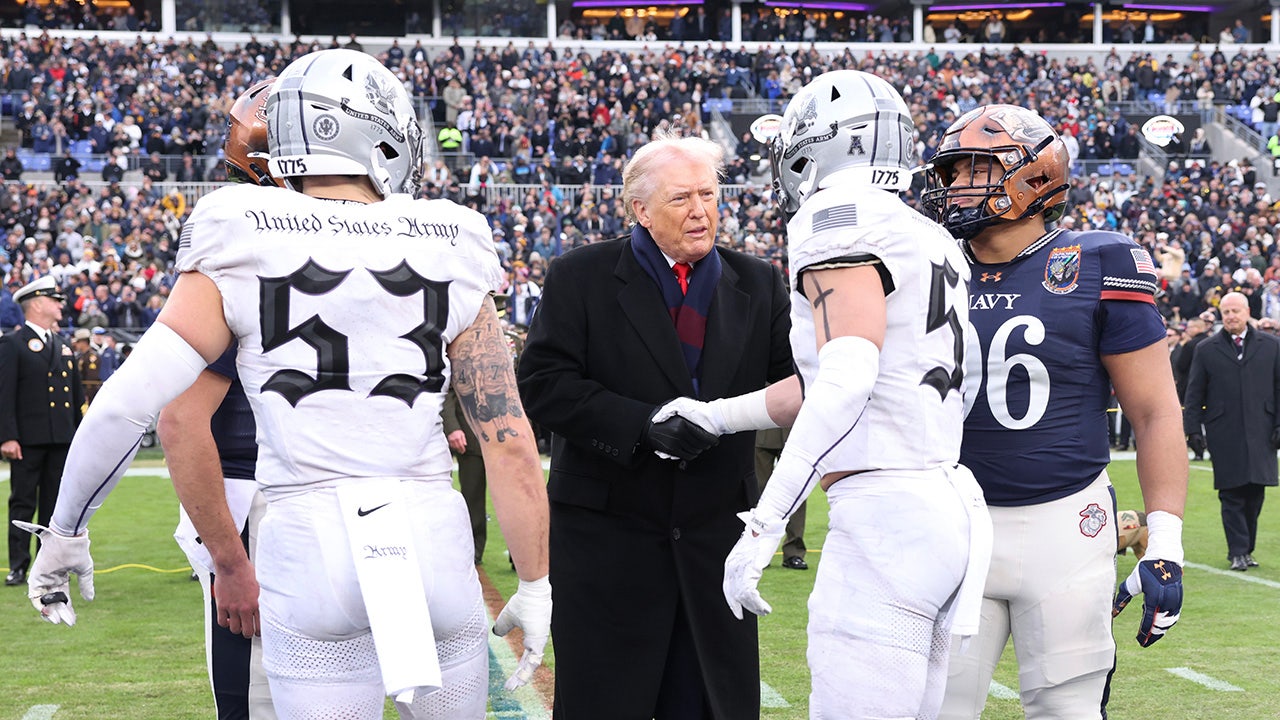
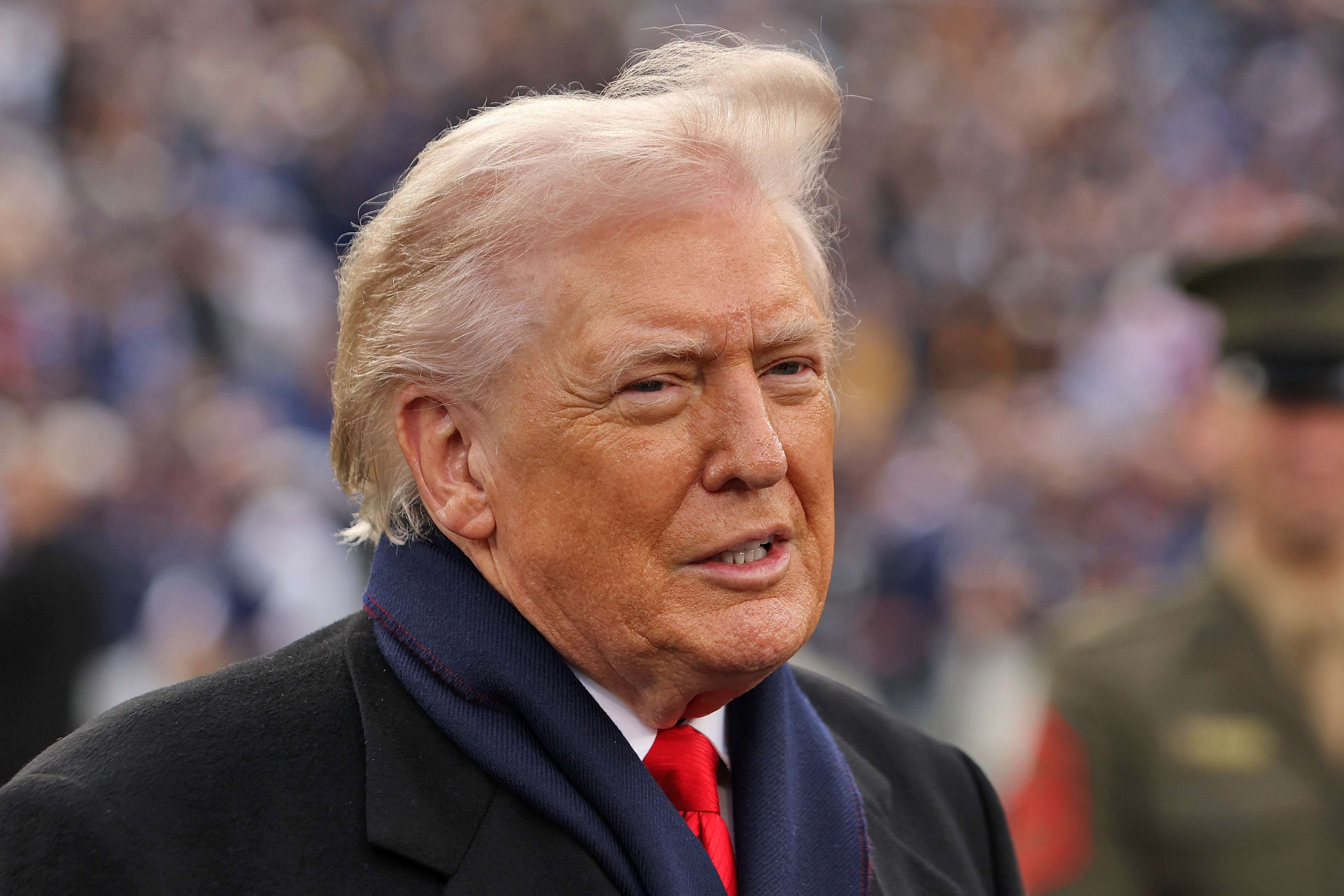
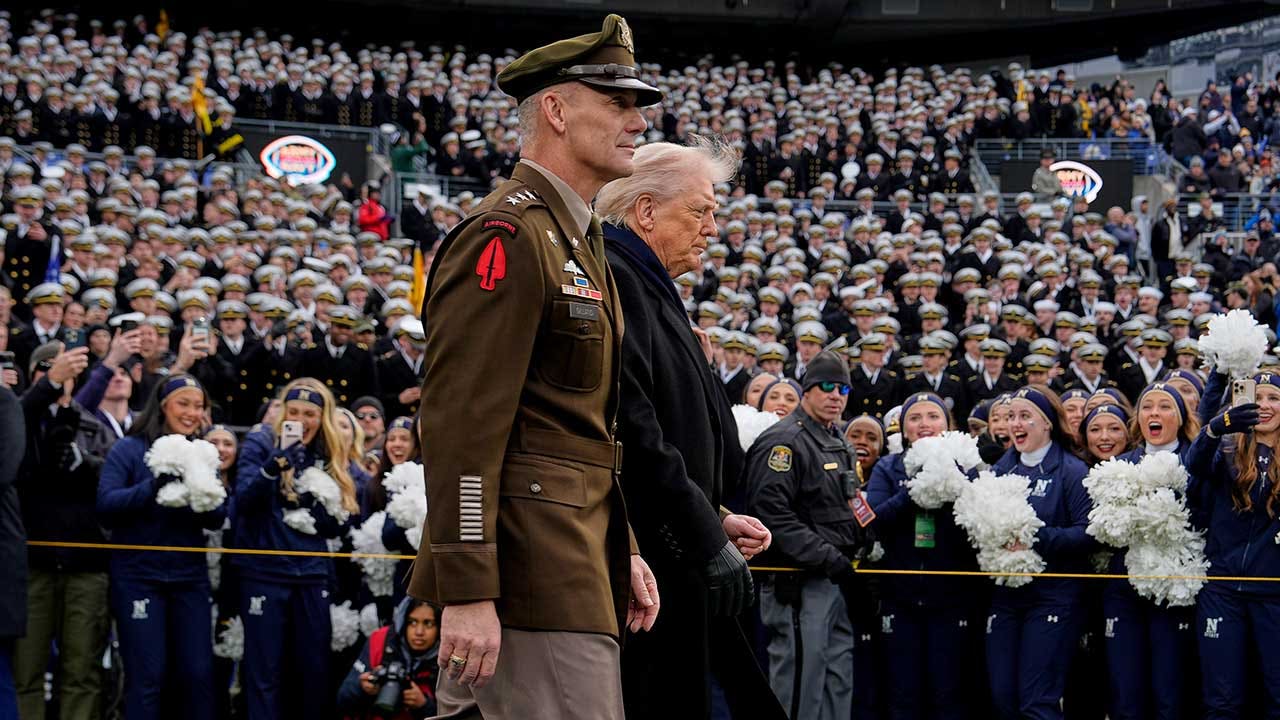
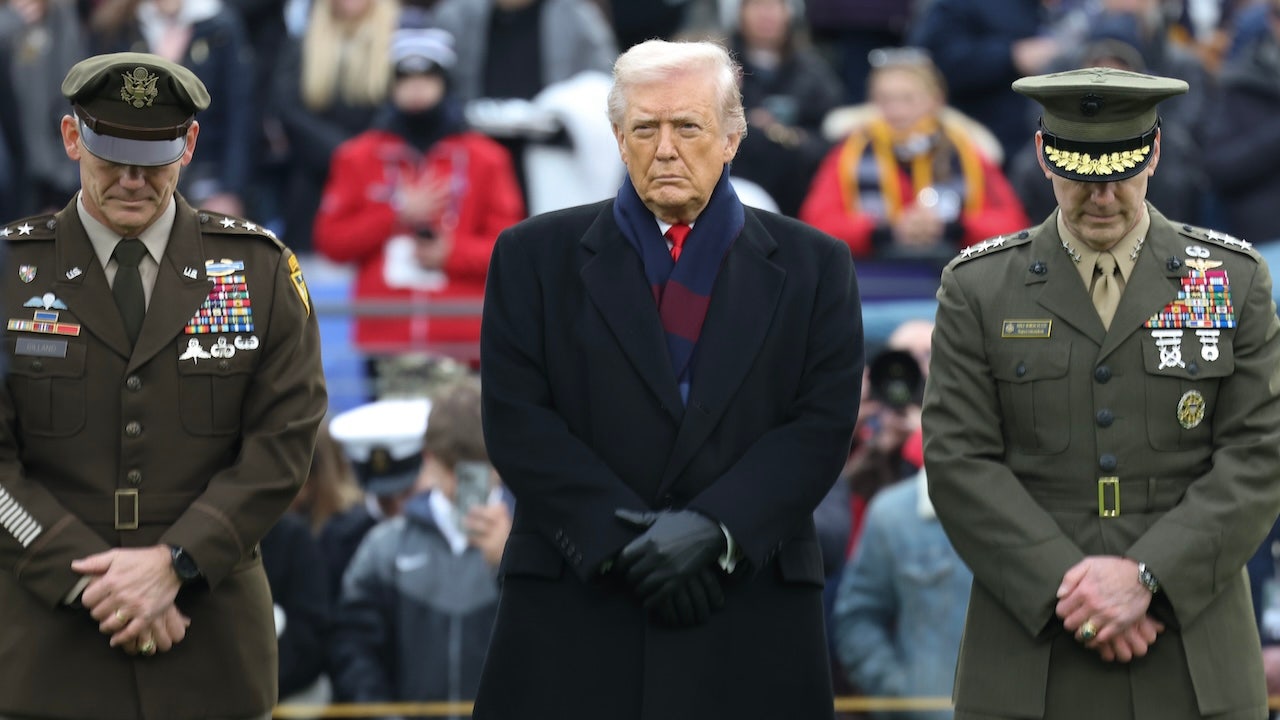
The broader context—a game played against the backdrop of political tension, with President Trump's attendance sparking mixed crowd reactions—adds another layer of complexity. It reveals how sports events are never purely about athletic performance, but also serve as microcosms of broader social dynamics and institutional narratives.
For observers and strategists, this game offers a compelling case study in resilience, adaptability, and the power of maintaining composure under pressure. Navy's victory is a testament to the principle that true competitive advantage emerges not from initial conditions, but from the ability to read, respond, and ultimately reshape the competitive landscape.
Questions 3
What made Navy's victory in the Army-Navy game so significant?
Navy's win represents more than a football triumph—it marks their second consecutive Commander-in-Chief's Trophy and first back-to-back 10-win seasons. The victory demonstrates strategic resilience, with quarterback Blake Horvath leading a crucial fourth-quarter comeback that transformed the game's trajectory.
What strategic lessons can be drawn from Navy's performance?
The game illustrates the importance of adaptability and momentum management. Navy's ability to reverse a challenging situation through tactical adjustments—particularly in the fourth quarter—demonstrates that competitive success depends on reading the landscape and making decisive, timely interventions.