



Ukraine Corruption Crisis Threatens EU Entry | Cross-Border Seller Risk Alert
- €100M+ embezzlement scandal delays institutional reforms affecting 50K+ Ukrainian sellers and EU trade partnerships



























Overview
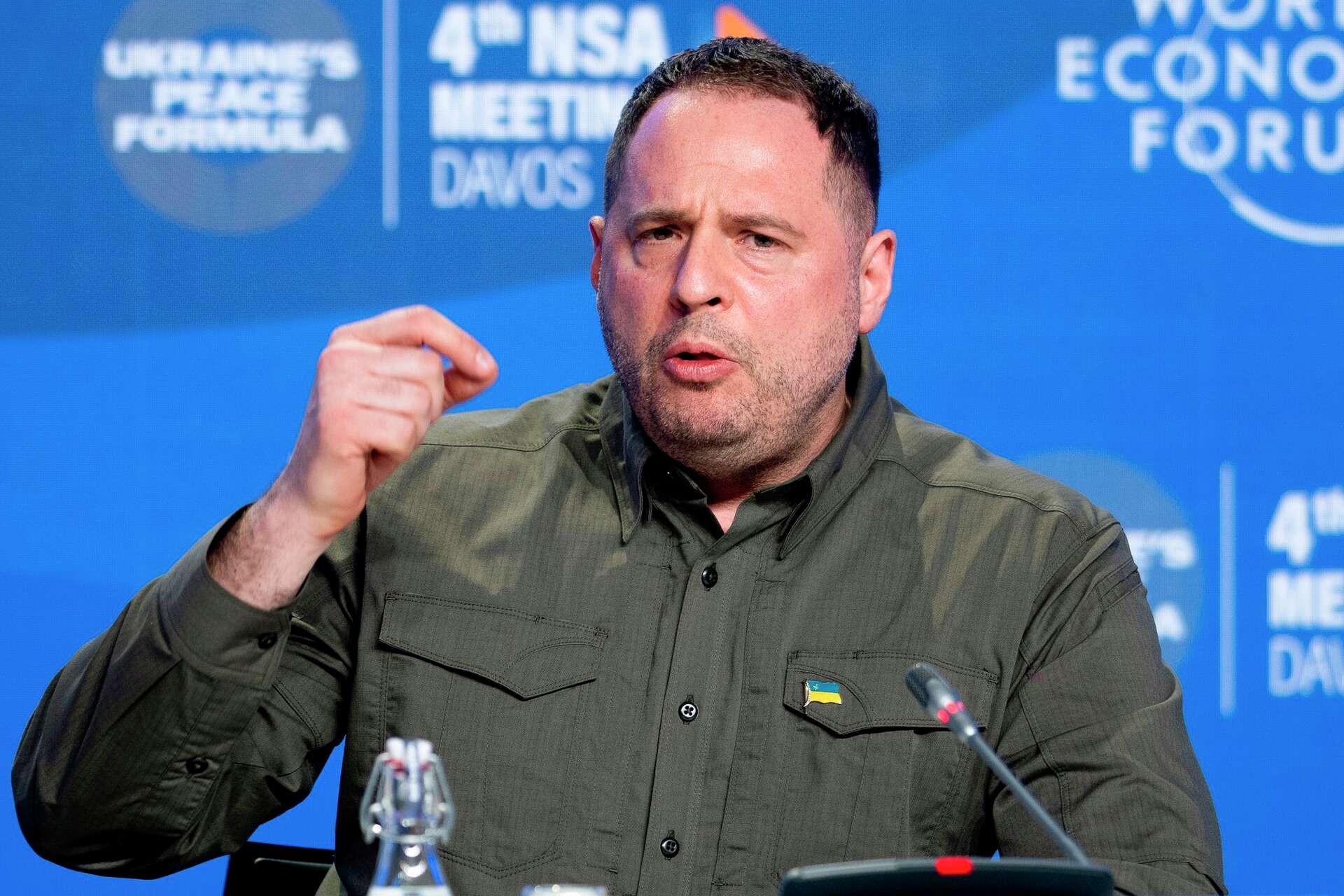
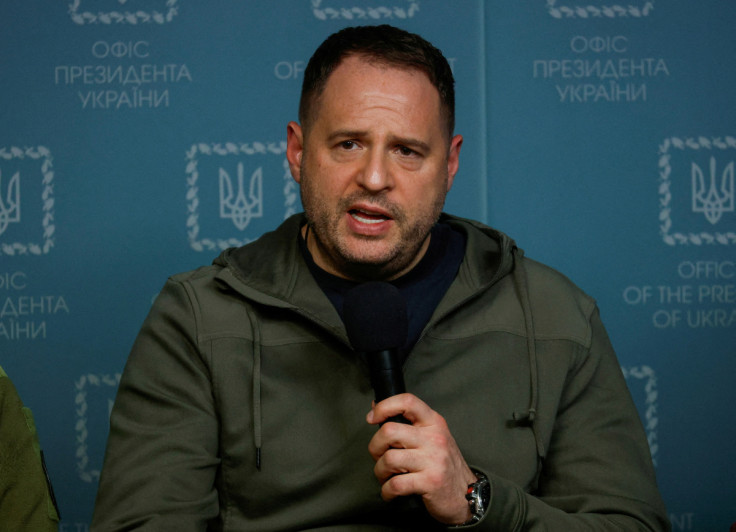
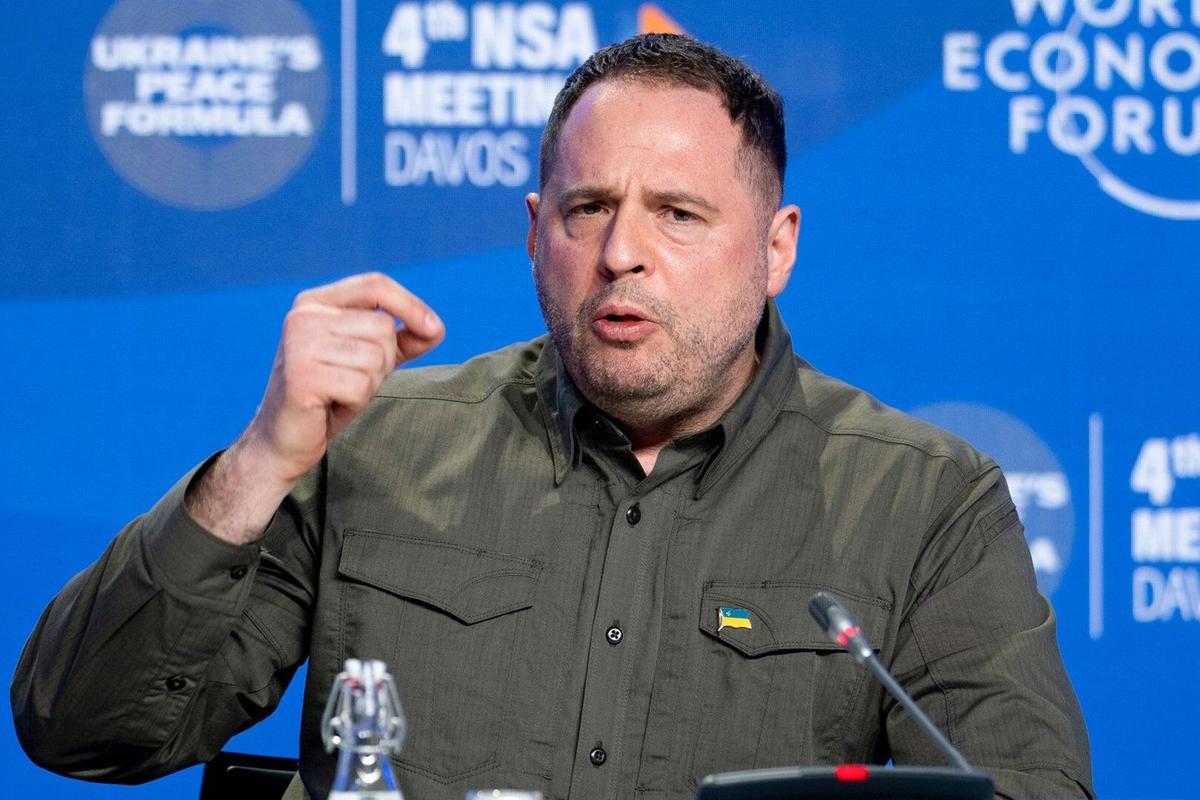
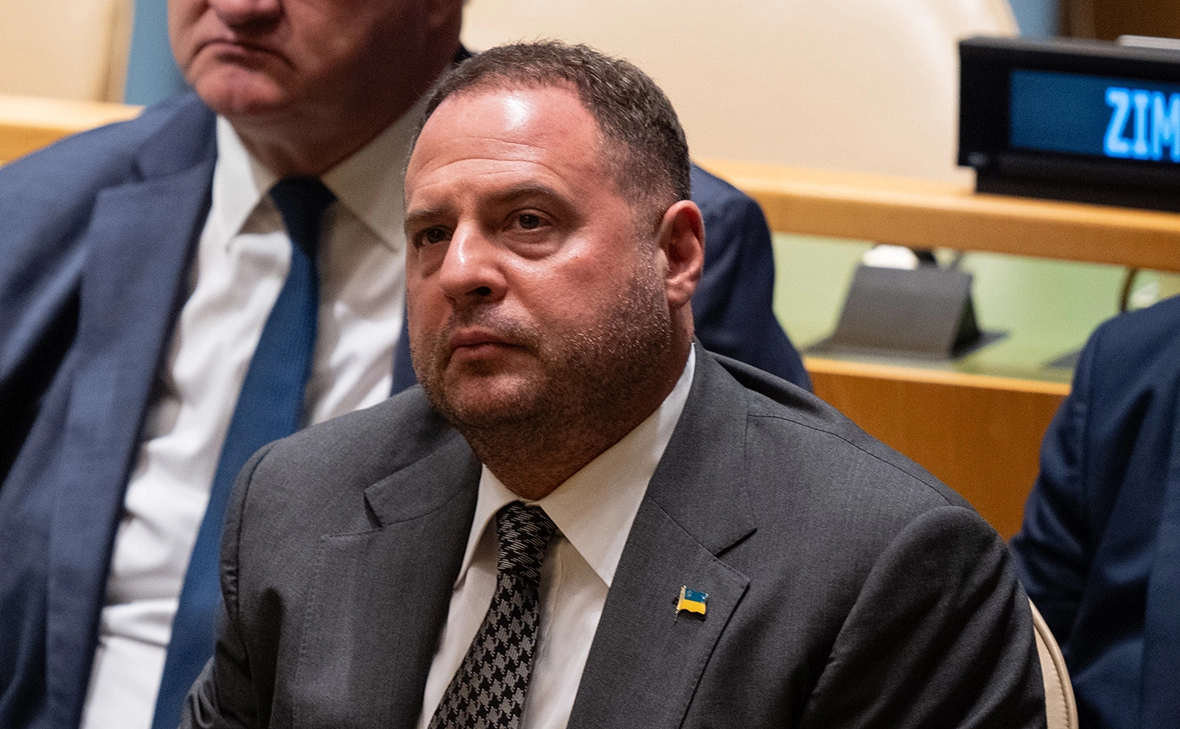
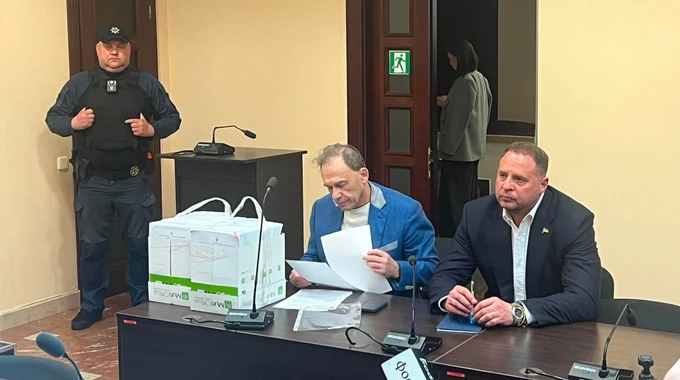
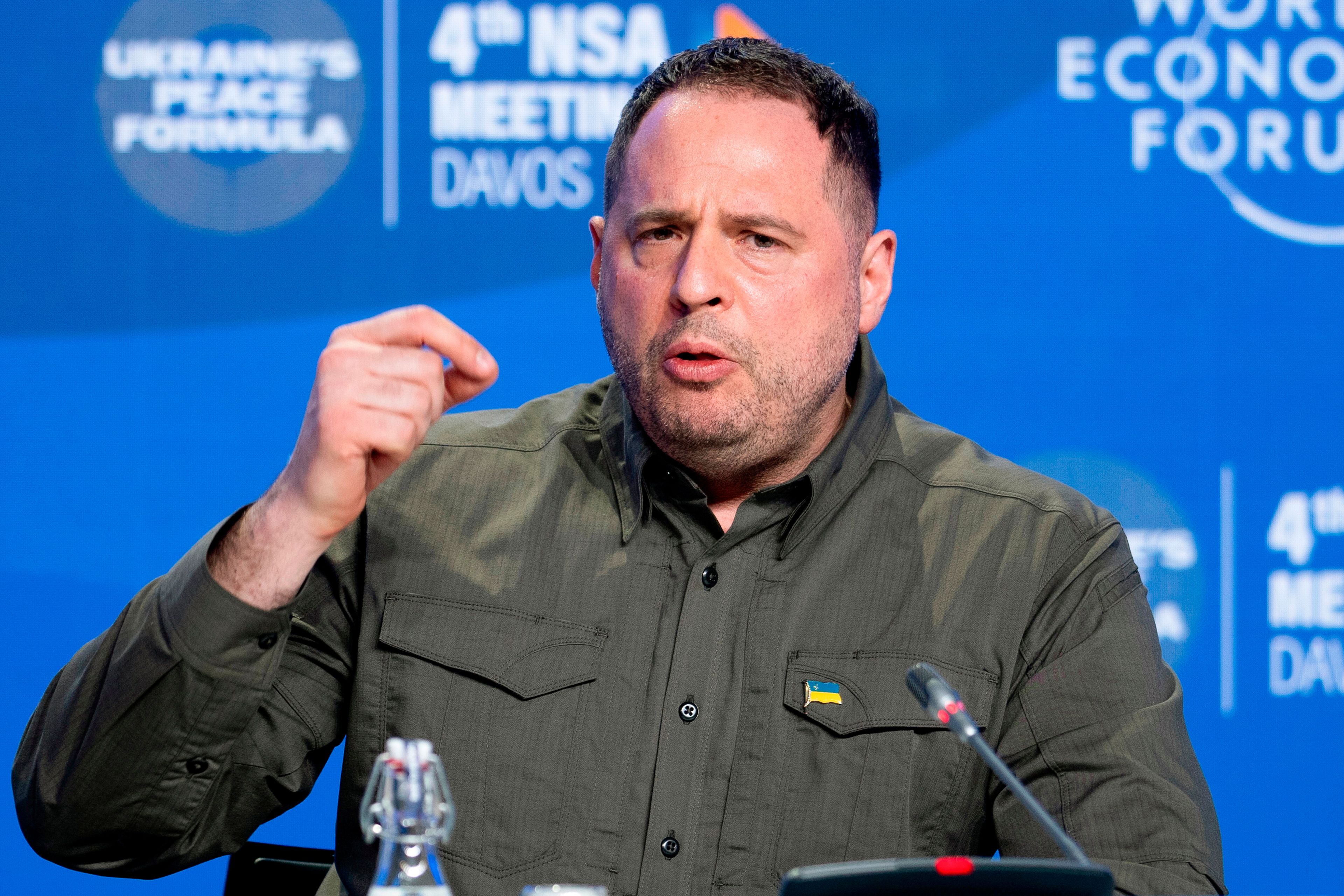
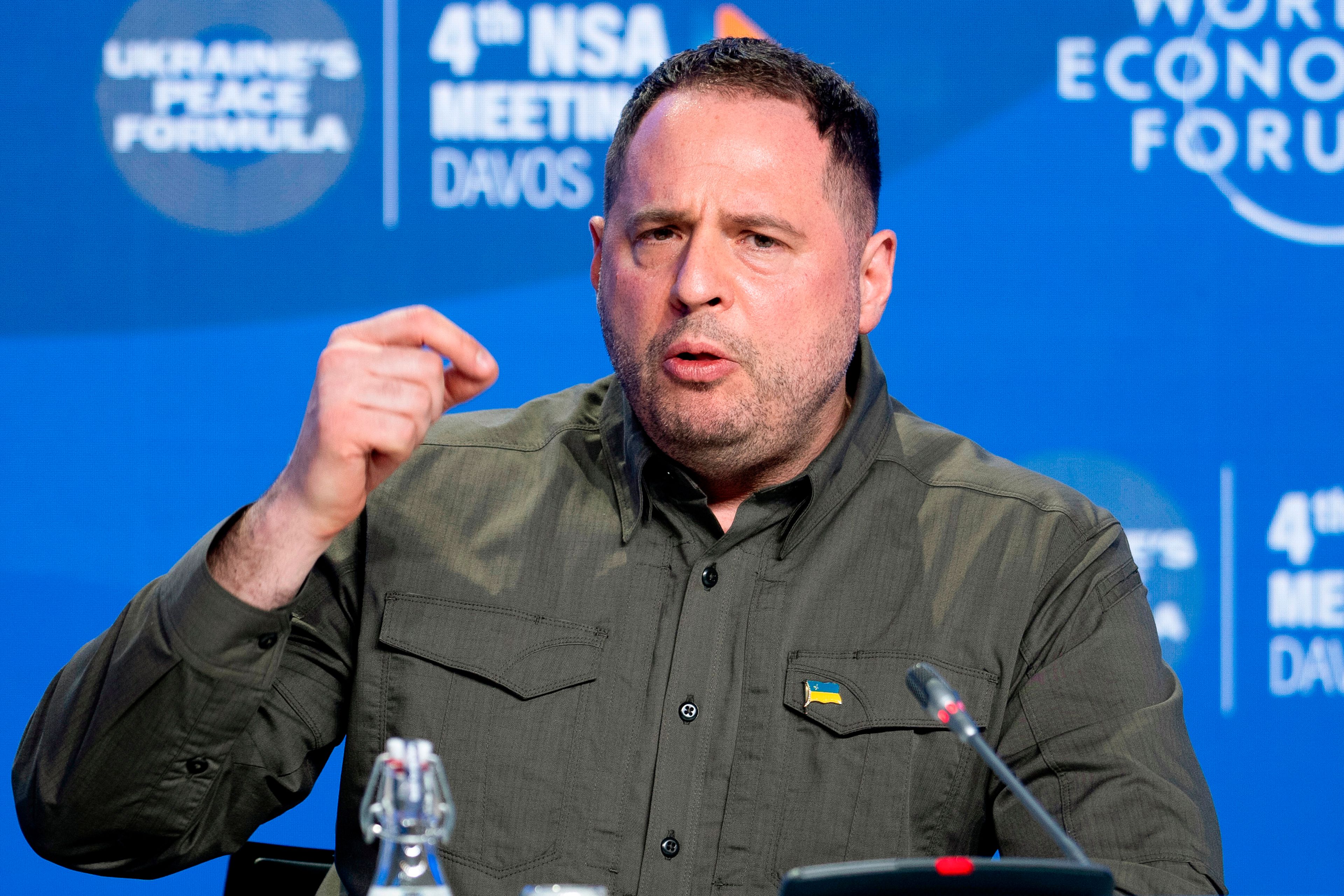
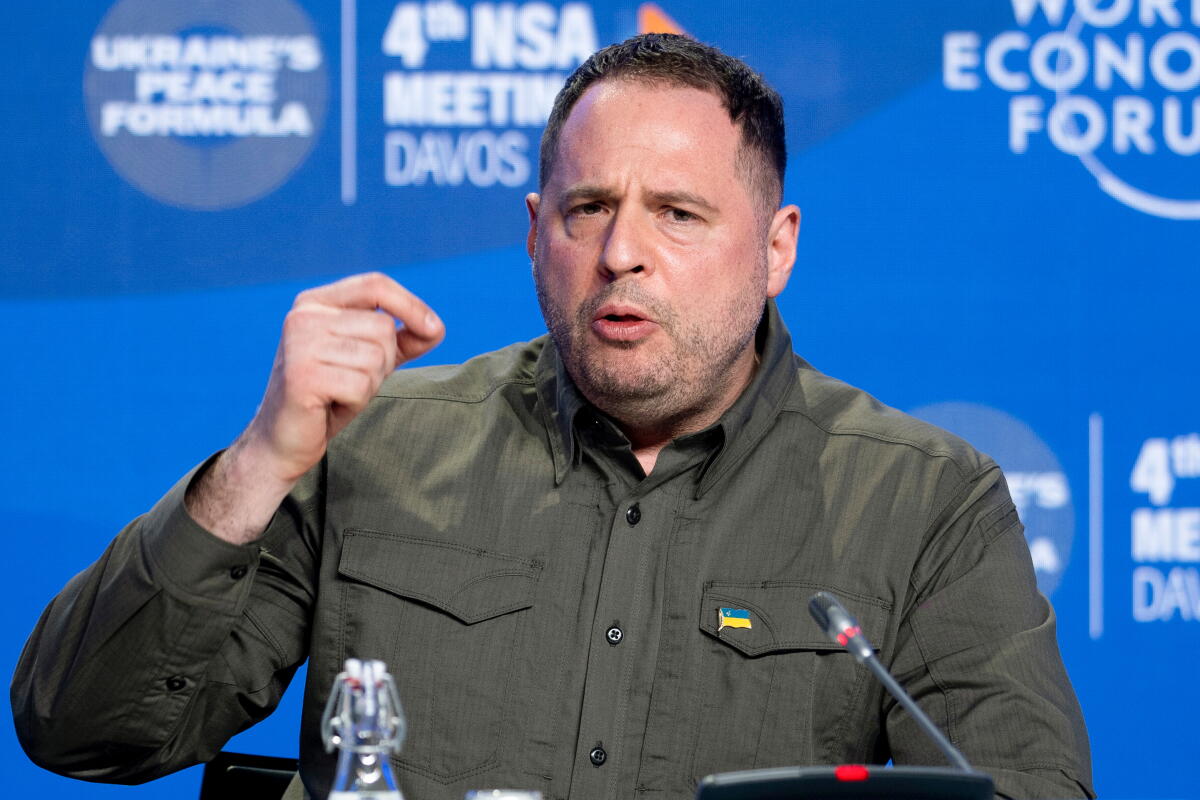
Ukraine faces a critical institutional credibility crisis as anti-corruption agencies escalate investigations into high-level officials, directly impacting the nation's EU accession timeline and cross-border e-commerce infrastructure. The "Operation Midas" investigation centers on €100 million in alleged embezzlement from Ukraine's nuclear energy sector and $10.5 million in money-laundering through luxury real estate (the "Dynasty" project near Kyiv), with President Zelenskyy's former chief of staff Andriy Yermak named as a suspect alongside multiple senior officials including ex-Deputy Prime Minister Oleksiy Chernyshov and ex-Energy Minister Herman Haluschenko. This corruption scandal creates cascading effects for cross-border sellers: Ukraine's EU accession bid—critical for harmonizing VAT compliance, customs procedures, and payment infrastructure—faces significant delays due to institutional integrity concerns that Brussels views as non-negotiable. The investigation's scope encompasses Ukraine's defense industry and military equipment procurement, signaling broader governance vulnerabilities that affect supply chain reliability and business continuity for sellers sourcing from or shipping to Ukraine.
Immediate marketplace implications: Ukrainian sellers operating on Amazon, eBay, and Shopify face heightened payment processing delays and compliance scrutiny as international financial institutions tighten due diligence on Ukrainian business accounts. The €3 million bail request for Yermak and detention of other officials signals aggressive enforcement that could disrupt business operations for connected entities. Simultaneously, Ukraine's improved battlefield position (noted by German Defense Minister Boris Pistorius) and expanded AI defense partnerships with Palantir Technologies (involving 100+ companies in joint training platforms) create paradoxical conditions: military stability improves while institutional credibility deteriorates. This creates a 6-18 month window of uncertainty for sellers planning Ukrainian market expansion or supply chain integration.
Strategic seller considerations: The corruption investigation demonstrates Ukraine's commitment to anti-corruption enforcement (Zelenskyy scrapped a law weakening agency independence following EU pressure), which strengthens long-term institutional credibility but creates short-term operational friction. Sellers should anticipate: (1) increased KYC/AML documentation requirements for Ukrainian business accounts; (2) potential payment processing delays as banks implement enhanced monitoring; (3) supply chain disruptions if investigation expands to energy sector suppliers; (4) VAT compliance uncertainty until EU accession negotiations resume. The €100 million embezzlement scale indicates systemic vulnerabilities in financial controls that could affect cross-border transaction security. However, the investigation's transparency—NABU sharing wiretapped evidence and identifying suspects publicly—suggests institutional capacity for reform, positioning Ukraine favorably for eventual EU integration once immediate scandals resolve.
Questions 8
When will Ukraine's EU accession affect VAT compliance for cross-border sellers?
Ukraine's EU membership timeline faces 12-24 month delays due to the corruption scandal, directly postponing VAT harmonization that sellers anticipated for 2025-2026. Currently, Ukrainian sellers operating in EU markets must register for VAT in each destination country (Germany, Poland, France) with separate compliance obligations. Once EU accession occurs, Ukraine will adopt the EU VAT Directive, creating a single registration system and reducing compliance costs by 30-40% for Ukrainian exporters. However, the institutional credibility crisis means Brussels will demand additional governance reforms before integration, extending the transition period. Sellers should maintain separate VAT registrations in target EU markets through 2026 and avoid consolidating compliance strategies until accession officially begins.
How does Ukraine's corruption investigation affect cross-border sellers on Amazon and eBay?
The €100 million embezzlement scandal and Operation Midas investigation trigger enhanced anti-money laundering (AML) scrutiny on Ukrainian seller accounts across major platforms. Amazon Seller Central and eBay now require additional KYC documentation (business registration, beneficial ownership verification, bank statements) for Ukrainian merchants, with processing delays extending 2-4 weeks beyond normal timelines. Payment processing through Stripe, PayPal, and Amazon Pay faces increased transaction holds (15-30% of funds) pending compliance review. Sellers should expect account suspension notices if documentation cannot verify legitimate business operations separate from flagged entities. The investigation's scope—involving energy sector, defense industry, and real estate—means any seller with supply chain connections to these sectors faces heightened scrutiny and potential account restrictions.