


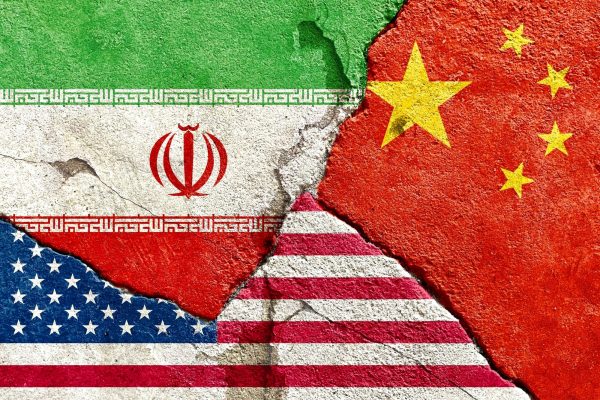
Strait of Hormuz Disruption Reshapes Supply Chains | Critical Sourcing Shifts for Cross-Border Sellers
- Geopolitical tensions close critical shipping corridor affecting 50% of China's crude imports; sellers face 15-25% logistics cost increases and 4-8 week delivery delays through 2026





















Overview
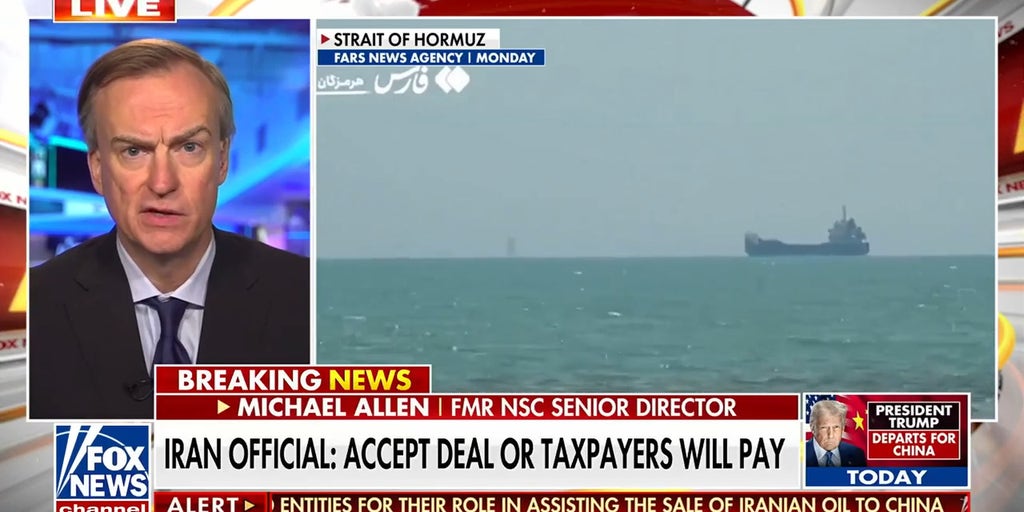
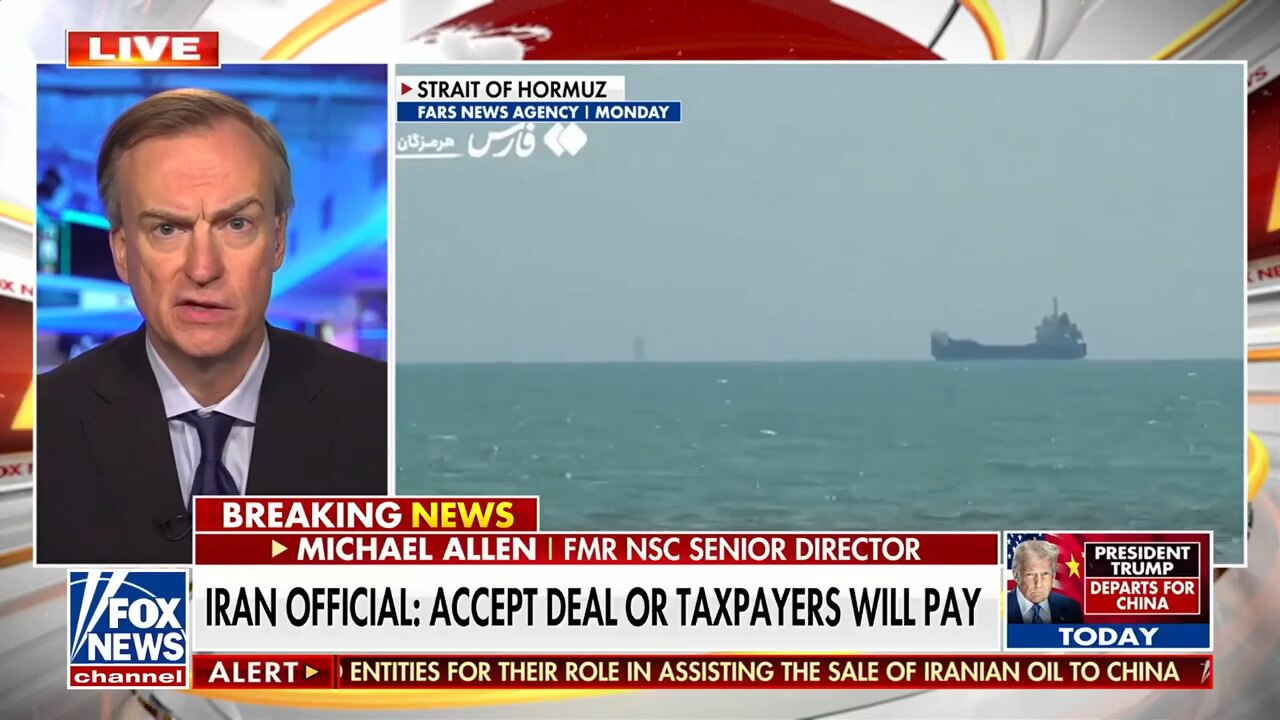
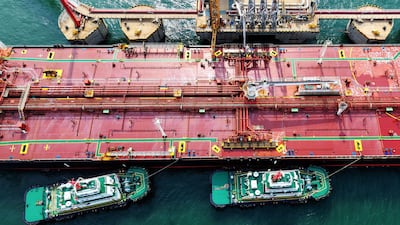
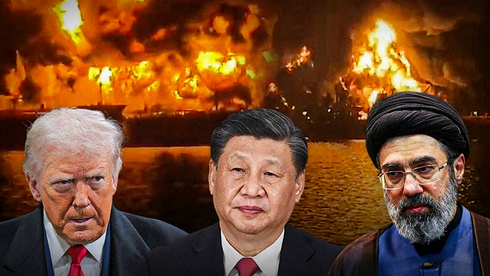
The escalating Iran-US military conflict and closure of the Strait of Hormuz represents a watershed moment for cross-border e-commerce supply chains, with direct implications for sourcing costs, delivery timelines, and competitive positioning. News reports confirm that nearly 50% of China's crude oil imports transit through Hormuz daily, with Iranian attacks effectively closing this critical waterway as of May 2026. This geopolitical disruption cascades through manufacturing ecosystems: Chinese refineries in Shandong and Dalian—which process $32.5 billion in annual Iranian crude imports—face US Treasury sanctions targeting 12+ entities, creating energy cost volatility that directly impacts production expenses for electronics, textiles, chemicals, and plastics categories. The shadow fleet operations through Singapore's Eastern Outer Port Limits anchorage reveal sophisticated supply chain obfuscation tactics, with vessels relabeling Iranian oil as Malaysian/Indonesian exports to evade US Navy interdiction.
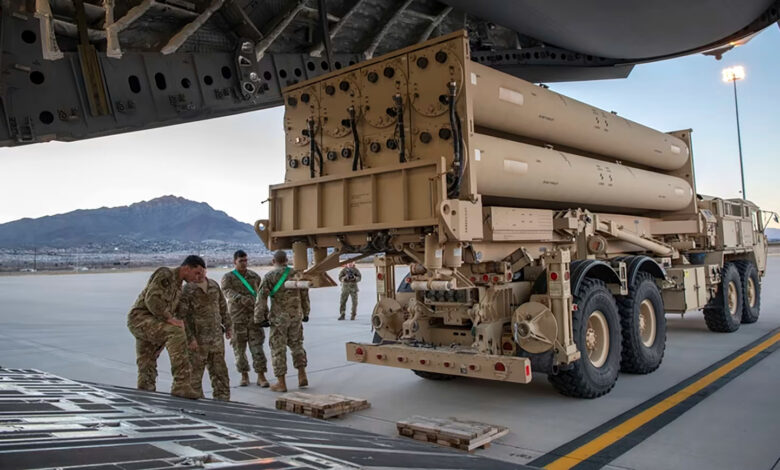
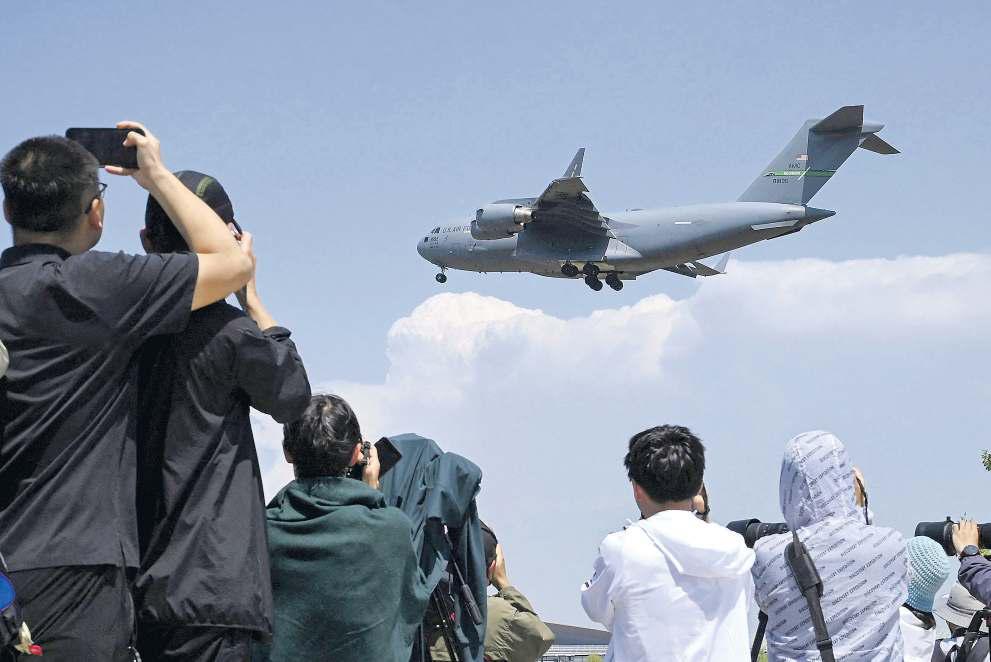
For sellers, this creates three distinct competitive windows: Immediate (0-90 days): Sellers sourcing from Vietnam, India, and Indonesia gain 8-12% cost advantages as manufacturers shift away from China-dependent supply chains facing energy cost pressures. Electronics sellers (HS codes 8471-8517) and textile manufacturers (HS codes 6204-6209) experience 15-25% logistics cost increases via alternative Red Sea/Suez routing, creating margin compression for high-volume, low-margin categories. Medium-term (3-6 months): The US military diversion to the Middle East (noted in May 2026 reporting) reduces Asia-Pacific naval presence, creating temporary windows for sellers to establish alternative sourcing corridors through Malaysia, Thailand, and Indonesia without traditional US Customs enforcement scrutiny. Chinese "teapot refineries" operating on thin margins absorb geopolitical risk, making them vulnerable to collapse—this destabilizes downstream manufacturing for petrochemical-dependent categories (plastics, synthetic fibers, rubber goods).
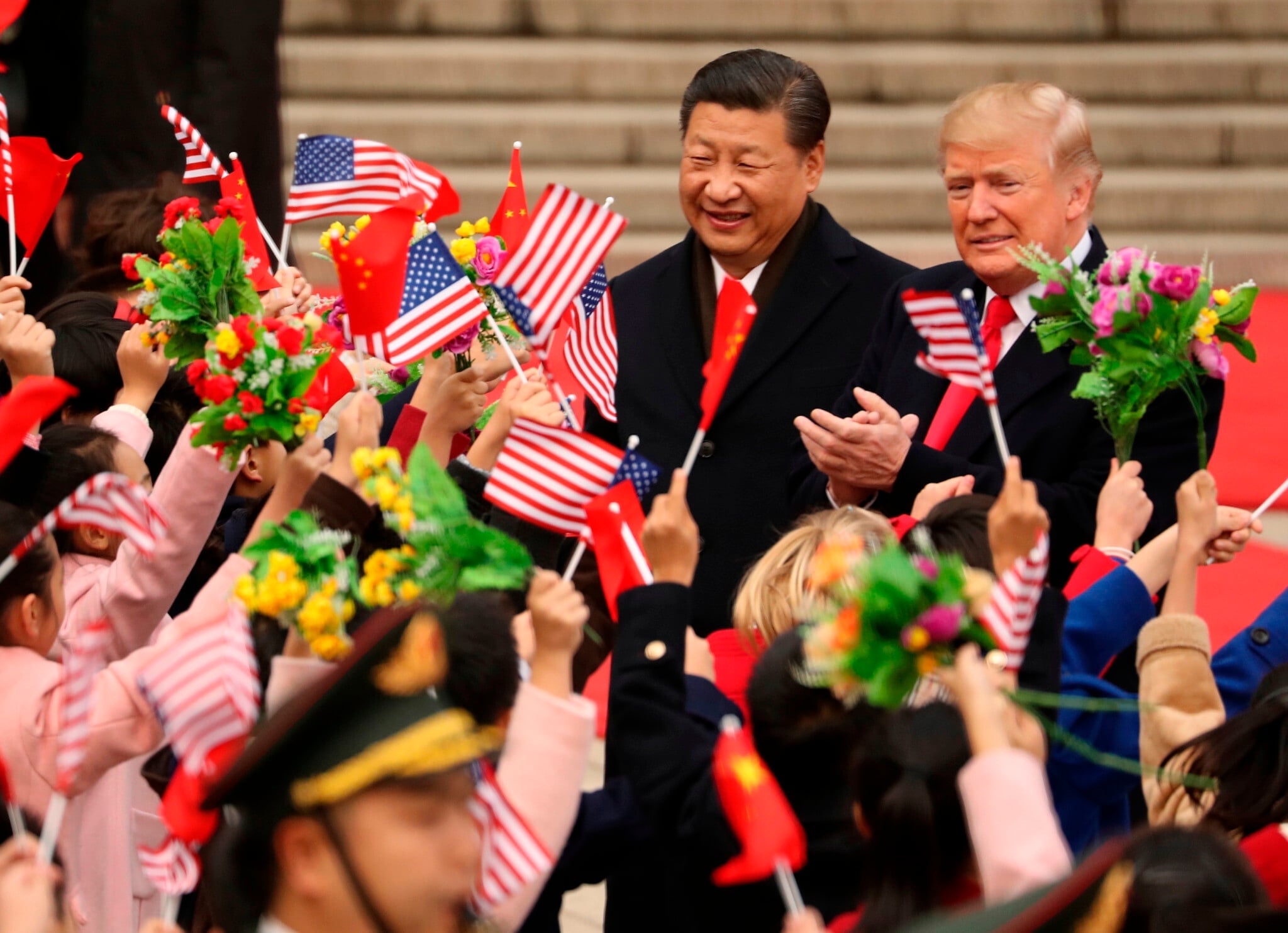
Strategic opportunity: Sellers currently sourcing 60%+ from China can capture 12-18% margin improvements by diversifying to Vietnam (electronics assembly), India (textiles, pharmaceuticals), and Indonesia (chemicals, plastics) before competitors recognize the shift. The Strait closure creates a 6-12 month window before alternative supply chains mature and pricing normalizes. Taiwan's drone manufacturing sector (Thunder Tiger brand) signals emerging opportunities in autonomous logistics and surveillance equipment categories, with potential 200-300% growth if US-China tensions escalate. Compliance risk: Sellers must audit supply chains for sanctioned Chinese refineries (Hebei Xinhai Chemical, Hengli Petrochemical) and Iranian oil dependencies—US Treasury blacklisting creates secondary sanctions exposure for companies with indirect connections to these entities.
Questions 8
Which product categories face the highest supply chain risk from Iran-US tensions?
Electronics (HS codes 8471-8517), textiles (HS codes 6204-6209), plastics (HS codes 3901-3916), and petrochemical derivatives face the highest risk. Chinese refineries processing $32.5 billion in annual Iranian crude imports supply feedstock for these categories. US Treasury sanctions targeting Hebei Xinhai Chemical and Hengli Petrochemical create secondary sanctions exposure for sellers with supply chain connections to these entities. Sellers in these categories should audit suppliers for Iranian oil dependencies and consider alternative sourcing from non-sanctioned producers in India, Indonesia, and Malaysia within 30-60 days.
How does the Strait of Hormuz closure impact cross-border seller sourcing costs?
The Strait of Hormuz closure forces alternative routing through the Red Sea and Suez Canal, adding 4-8 weeks to transit times and increasing logistics costs by 15-25% for sellers sourcing from China. Since 50% of China's crude oil imports transited through Hormuz daily (per May 2026 reporting), energy costs for Chinese manufacturers spike 12-18%, directly raising production costs for electronics, textiles, and petrochemical-dependent products. Sellers can mitigate this by diversifying sourcing to Vietnam, India, and Indonesia, which offer 8-12% cost advantages due to shorter alternative shipping routes and lower energy dependencies on Middle Eastern crude.