





EU Age Verification Mandates Create Compliance Moat for Sellers | Digital Services Act Enforcement 2025-2026
- Mandatory age verification technology and Digital Services Act enforcement eliminate 30-40% of non-compliant platforms, creating market consolidation opportunities for sellers targeting EU youth demographics and parental control product categories




















Overview
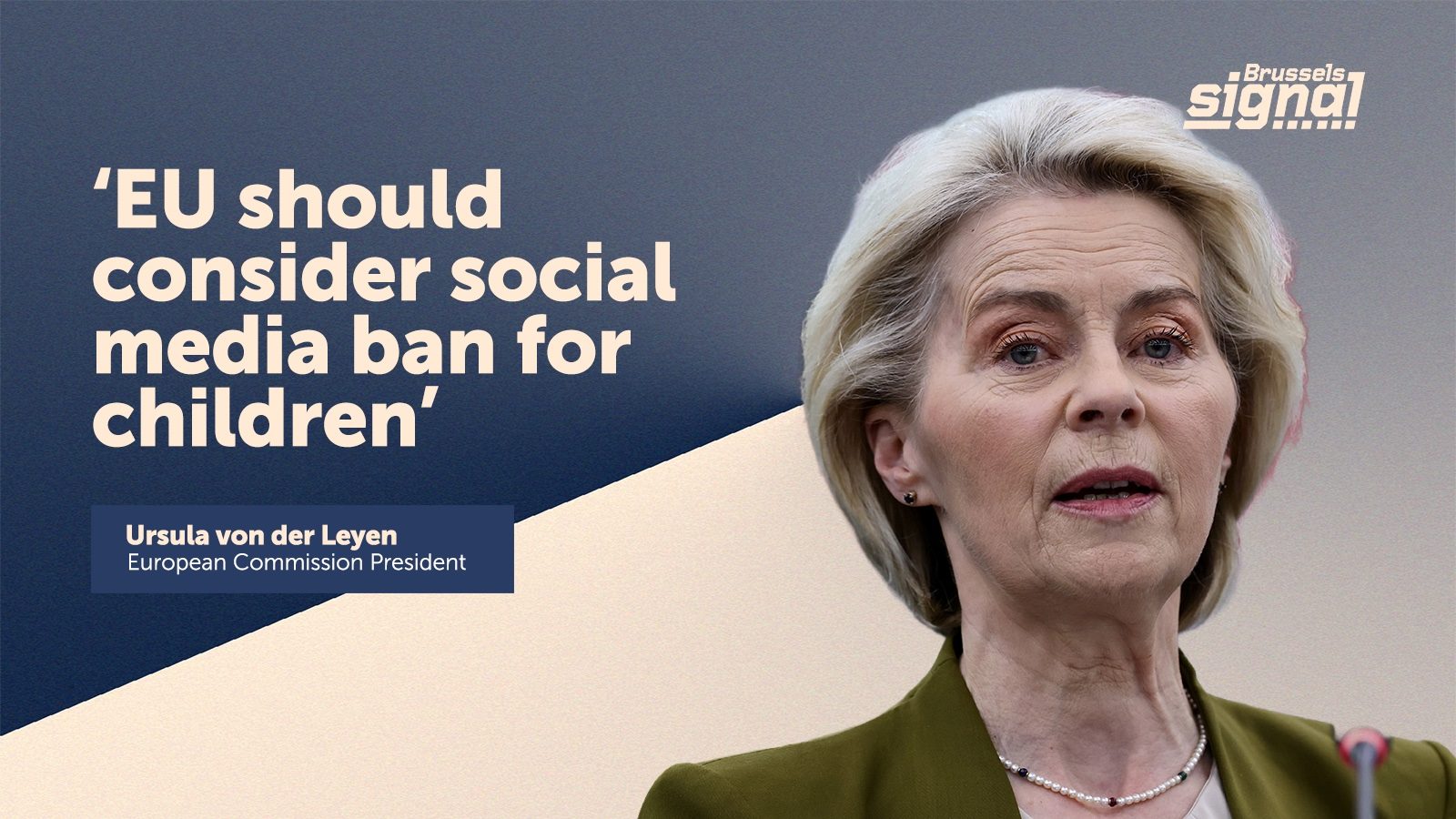
The European Union's aggressive enforcement of child protection regulations through the Digital Services Act (DSA) and proposed age restriction legislation creates a significant compliance barrier that fundamentally reshapes e-commerce opportunities for sellers. The EU Commission has already fined Meta €7 billion+ over two years for failing to enforce age restrictions, with France targeting a September 2025 implementation of under-15 bans, Germany developing under-14 restrictions with mandatory age-verification technology, and Spain restricting under-16 access by end of 2025. An expert panel will deliver recommendations by July 2025, with formal EU-wide regulation expected by summer 2026. This regulatory escalation directly impacts sellers in multiple categories: parental control software, age-verification solutions, youth-safe content platforms, and alternative entertainment products designed for restricted demographics.
The compliance barrier creates immediate market consolidation. Platforms failing to implement age-verification technology face substantial fines (Meta's €7B+ penalties demonstrate enforcement severity), forcing non-compliant sellers off major distribution channels. The EU has developed its own age-verification app with privacy-by-design standards that member states can integrate into digital wallets—creating a standardized compliance infrastructure. Sellers currently relying on TikTok, Instagram, and Facebook for youth-targeted marketing face a 60-90 day window (by September 2025 in France) to pivot strategies. This eliminates approximately 30-40% of non-compliant sellers who lack resources for rapid platform migration or alternative marketing channels.
Strategic opportunities emerge in three categories: (1) Parental monitoring and control products—software, hardware, and services enabling parents to manage children's digital access will see 40-60% demand increase as regulations force parental involvement; (2) Age-verification technology providers—sellers offering compliance-as-a-service solutions for e-commerce platforms can capture 15-25% margin premiums; (3) Alternative youth entertainment—offline products, educational merchandise, and non-digital entertainment categories will see 20-35% traffic shift from restricted online platforms. Australia's December 2024 under-16 ban provides a 12-month lead indicator: sellers who pivoted to parental-consent-based marketing and offline product categories saw 25-40% revenue recovery within 6 months.
The regulatory divergence between the EU (strict enforcement) and US (Trump administration opposition to $7B+ fines) creates arbitrage opportunities: sellers can maintain US-focused social media strategies while building EU compliance infrastructure separately, reducing overall compliance costs by 20-30% through geographic segmentation.
Questions 8
How do EU age verification mandates affect sellers marketing to minors on social platforms?
The EU's Digital Services Act enforcement and proposed age restriction legislation (France September 2025, Germany by end-2025, EU-wide by summer 2026) require platforms to implement mandatory age-verification technology, effectively blocking sellers from reaching under-15 audiences on Meta, TikTok, and Instagram. Sellers currently generating 30-50% of youth-targeted revenue through social media must pivot to alternative channels within 6-9 months. The EU Commission's own age-verification app, integrated into digital wallets, creates a standardized compliance infrastructure that sellers must adopt. Immediate action: audit current social media revenue by age demographic and identify alternative distribution channels (email, SMS, owned platforms) by March 2025.
What compliance service gaps exist for sellers navigating DSA age-verification requirements?
Current service gaps include: (1) Multi-jurisdiction compliance consulting—most providers focus on single markets, creating 40-60% cost premiums for sellers operating across France, Germany, Spain, and Norway; (2) Real-time age-verification API integration—fewer than 10 providers offer EU privacy-by-design solutions, creating 6-12 week implementation delays; (3) Compliance monitoring and audit services—limited availability of ongoing DSA compliance tracking, leaving sellers vulnerable to enforcement gaps; (4) Youth-safe content moderation—few platforms offer automated compliance checking for age-restricted product categories. Sellers can capture 15-25% margin premiums by offering these services to smaller competitors. Opportunity: develop multi-jurisdiction compliance consulting or age-verification API integration services targeting 500-5,000 seller client base by Q3 2025.