



Red Sea Piracy Crisis 2024 | Shipping Costs Surge 15-25% for E-Commerce Sellers
- Somali pirates hijack 4+ vessels in 11 days; insurance premiums spike $100K+ per voyage; Asia-Europe routes add 2-3 weeks; 30% of global container trade at risk





Overview
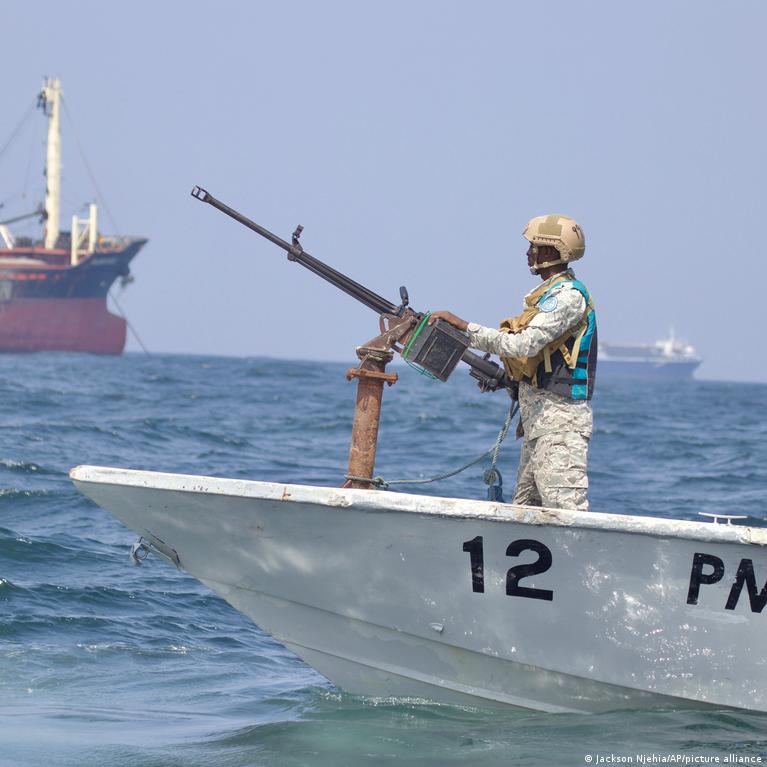
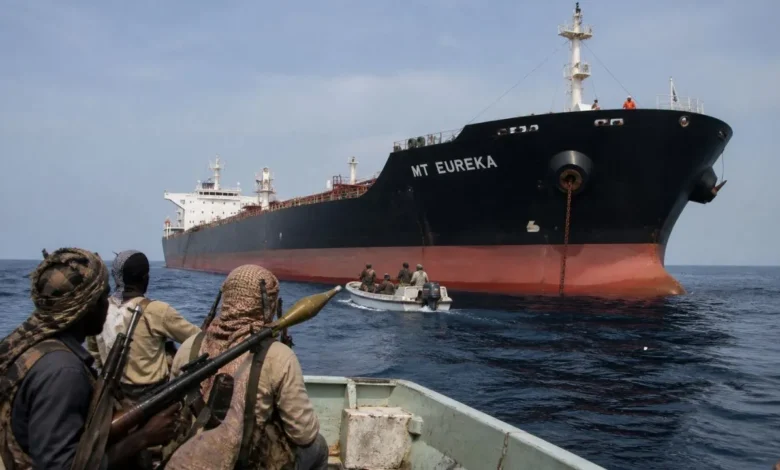
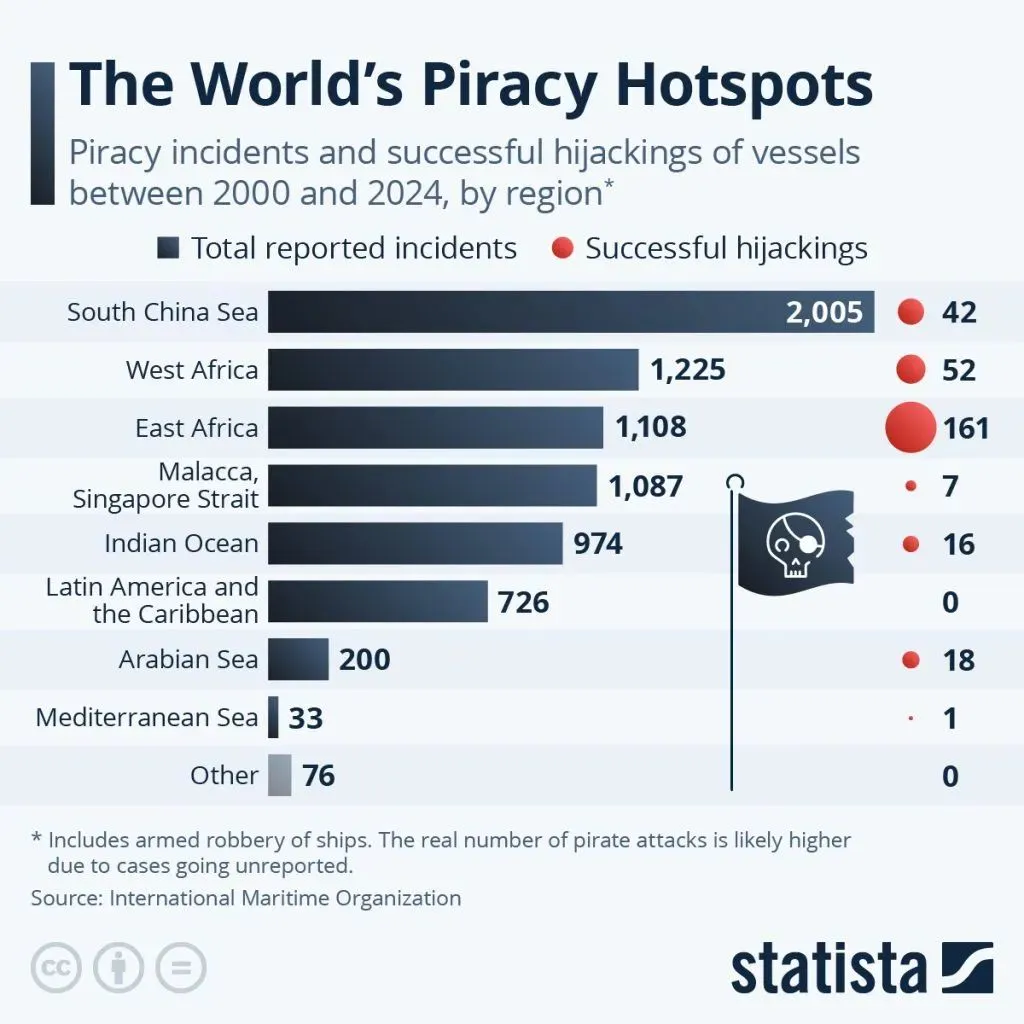
Somali piracy has resurged to 2012-level intensity, creating an immediate cost crisis for cross-border e-commerce sellers. Between April 21 and May 8, 2024, organized pirate groups operating from Puntland's 3,300km coastline hijacked at least four commercial vessels—including oil tankers and cargo ships—at rates unseen in over a decade. The Joint Maritime Information Centre (JMIC) has raised threat levels to "severe," with three vessels still under pirate control as of May 8, 2026. This resurgence directly impacts the Red Sea corridor, which handles approximately 30% of global container trade in electronics, manufactured goods, and e-commerce inventory. The economic implications are staggering: during the 2011 piracy peak, attacks inflicted $87 billion in global economic damage, with insurance premiums alone increasing voyage costs by up to $100,000 per ship. Current Middle East conflicts have already increased shipping insurance and fuel costs by approximately $1 million per voyage.
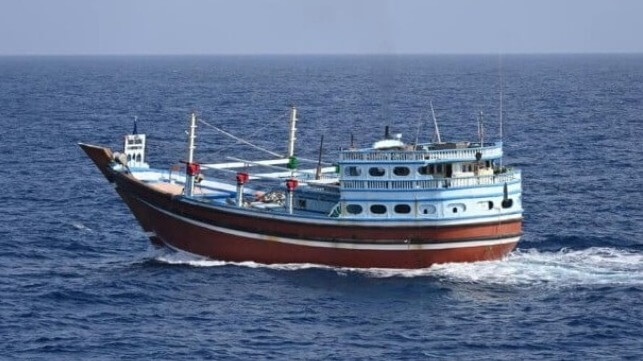
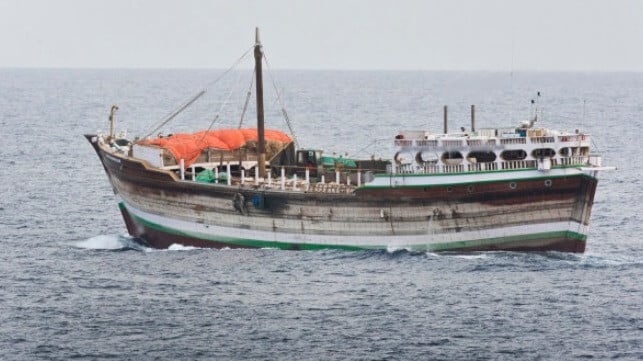
For e-commerce sellers, the operational impact is immediate and quantifiable. Vessels avoiding Red Sea piracy and Houthi attacks are forced to reroute around southern Africa via the Cape of Good Hope, adding 2-3 weeks and thousands of nautical miles to Asia-Europe journeys. This translates to 15-25% increases in total landed costs for sellers importing from Asia or exporting to European markets. Sellers shipping electronics, apparel, and manufactured goods through Red Sea routes face elevated insurance premiums, extended lead times (now 45-60 days instead of 30-35 days), and potential cargo seizure risks. The threat extends beyond piracy itself: security analysts warn that pirates may merge with al-Shabaab or ISIS-Somalia Province, creating unpredictable security assessments. Well-resourced pirate groups now deploy repurposed dhows as mother ships with sophisticated navigation and boarding equipment, indicating sustained organizational capability despite heightened maritime alerts.
Strategic sourcing and inventory decisions must shift immediately. Sellers relying on Red Sea routes should consider: (1) Accelerating inventory purchases from Asia NOW before insurance premiums spike further—stock 3-4 months of high-velocity SKUs in US/EU warehouses before Q3 2024; (2) Shifting sourcing to nearshoring regions (Mexico for US sellers, Eastern Europe for EU sellers) to avoid Red Sea exposure entirely; (3) Diversifying carrier selection to include armed-guard-equipped vessels (zero successful hijackings reported on protected ships) at 15-20% premium cost; (4) Repositioning inventory to regional fulfillment centers (US West Coast ports, EU Mediterranean hubs) to reduce reliance on single-route dependencies. The World Bank estimates piracy's annual economic impact at $18 billion during crisis peaks, making this a material supply chain risk requiring immediate action.
Questions 8
What is the total economic impact of Somali piracy on e-commerce supply chains?
The World Bank estimates piracy's annual economic impact at $18 billion during crisis peaks, including military operations, rerouting costs, fuel surcharges, and security equipment. For individual e-commerce sellers, the impact varies by sourcing region and product category. A seller importing $500K monthly from Asia faces $75K-125K in additional shipping costs (15-25% increase), plus $30K-50K in increased insurance premiums and working capital costs from extended lead times. Across the industry, the 30% of global container trade flowing through Red Sea routes represents approximately $1.5-2 trillion in annual goods value—a 15-25% cost increase translates to $225-500 billion in cumulative supply chain impact. Sellers must act immediately to mitigate exposure.
How long will Somali piracy remain a threat to shipping routes?
The current resurgence is likely to persist for 12-24 months based on historical patterns. During the 2011 piracy peak, attacks continued for 5+ years until multilateral international efforts (NATO, EU Operation Atalanta, Combined Task Force 151) successfully reduced incidents by 2012. Current international attention is fractured across multiple maritime threats (Houthi attacks, Iran tensions), reducing anti-piracy focus. The UN report indicates potential al-Shabaab involvement, which could extend the crisis. Sellers should plan for sustained elevated costs through 2025 and maintain diversified sourcing strategies. Monitor JMIC threat assessments and shipping advisories monthly to adjust routes and inventory positioning as conditions evolve.