


African Credit Reforms Open $27B Investment Window | Seller Financing Opportunities
- First-loss guarantee mechanism reduces borrowing costs by 50%+ for African sellers; $27B mobilized across continent creates supply chain financing opportunities for cross-border e-commerce


Overview
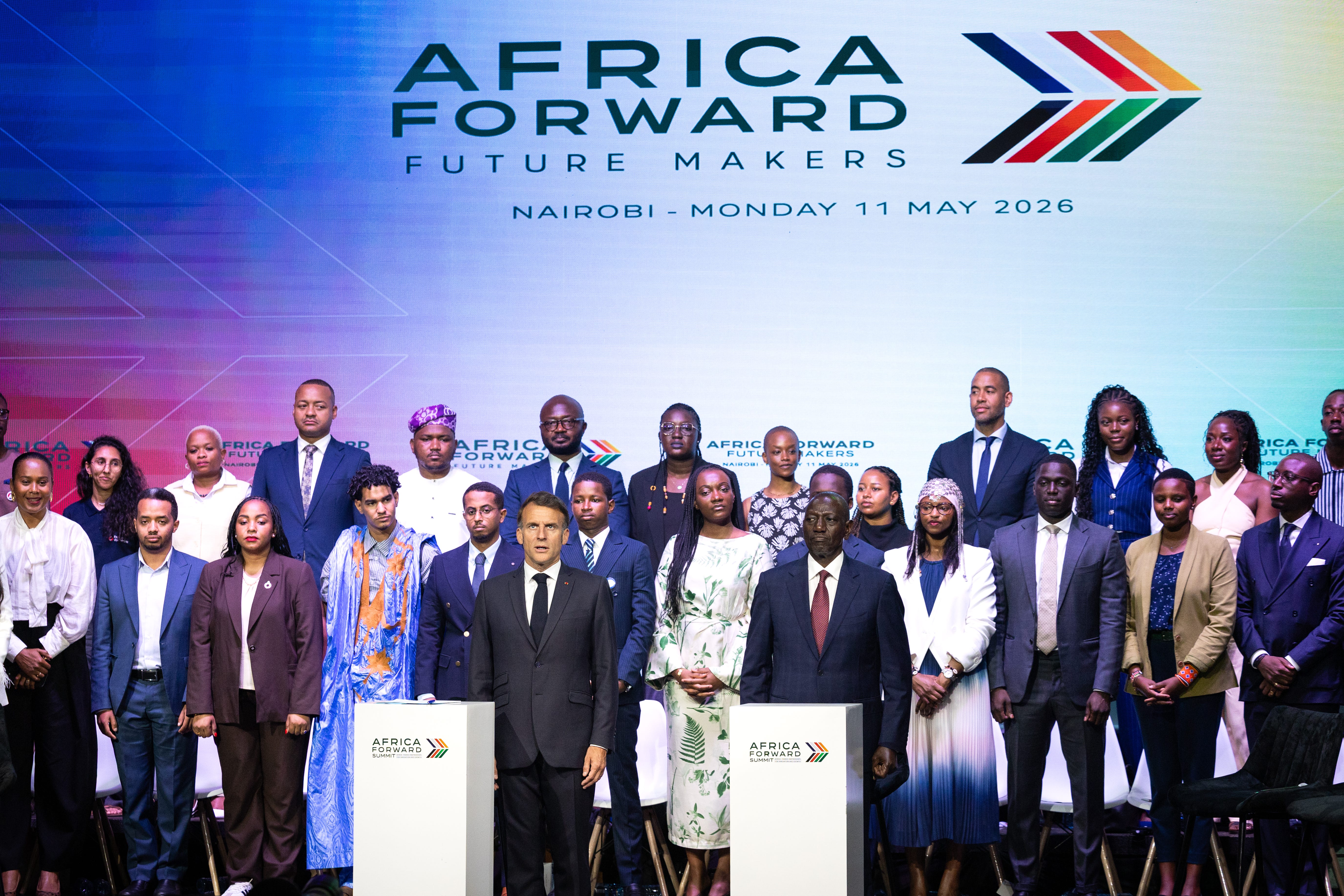
The Africa Forward Summit 2026 in Nairobi (May 12, 2026) represents a watershed moment for cross-border e-commerce sellers targeting African markets. African leaders, supported by French President Emmanuel Macron, are implementing a first-loss guarantee mechanism designed to reduce borrowing costs that currently run 2x higher than advanced economies. This $27.01 billion investment mobilization directly impacts seller financing accessibility across 54 African nations.
For e-commerce sellers, this translates to three critical opportunities: First, African-based sellers and suppliers can now access working capital at competitive rates, enabling inventory expansion and fulfillment infrastructure investment. Historically, African sellers faced 12-18% borrowing costs versus 3-5% in developed markets—this gap directly compressed margins on cross-border platforms like Amazon, eBay, and Shopify. The first-loss guarantee mechanism, advocated for G7 adoption at Evian-les-Bains summit, reduces perceived risk for lenders, potentially lowering African seller financing costs to 6-8% within 12-18 months.
Second, the credit rating methodology reforms targeting S&P Global, Moody's, and Fitch create opportunities for sellers in underrated African markets. Kenya, Nigeria, and South Africa—currently penalized with "country risk premiums"—will see improved sovereign ratings, directly lowering import/export financing costs. Sellers importing African-manufactured goods (textiles, agricultural products, handicrafts, electronics components) benefit from reduced supply chain financing costs. Third, the $27B investment wave signals infrastructure development in logistics, payment systems, and digital commerce platforms across East Africa, West Africa, and Southern Africa corridors.
Operational impact by seller segment: Small African sellers (1-50 SKUs) gain access to inventory financing previously unavailable; medium sellers (50-500 SKUs) can expand into cross-border fulfillment networks; large sellers can establish regional distribution centers with improved capital access. The timing window is critical—G7 endorsement expected June 2026 creates 6-month implementation runway before Q4 2026 holiday season when African consumer spending peaks.
Competitive advantage shifts: Sellers already established in Kenya, Nigeria, and Ghana gain first-mover advantage in accessing reformed credit markets. Chinese and Indian suppliers exporting to Africa face new competition from locally-financed African sellers. European sellers (particularly French) gain preferred positioning through Macron's diplomatic initiative, creating temporary tariff/financing advantages through 2026-2027.
Questions 8
How should sellers structure their African market strategy given these credit reforms?
Sellers should adopt a three-phase approach: Phase 1 (May-July 2026): Audit current African supplier relationships and financing costs; identify which suppliers qualify for first-loss guarantee products; establish banking relationships with development finance institutions. Phase 2 (July-September 2026): Expand inventory commitments with African suppliers; negotiate extended payment terms leveraging improved supplier financing; establish regional fulfillment partnerships in Kenya or Nigeria. Phase 3 (September-December 2026): Launch expanded product lines targeting African consumers and diaspora markets; optimize listings for African search behavior; prepare for Q4 2026 peak season. Sellers should avoid over-committing inventory before G7 formal endorsement (expected June 2026), but should position supply chain relationships to capitalize immediately upon endorsement. Risk mitigation: monitor credit rating agency announcements (S&P, Moody's, Fitch) for African country upgrades, which trigger financing cost reductions.
What specific product categories see the greatest opportunity from African credit reforms?
Categories with high supply chain financing requirements benefit most: textiles and apparel (historically 60-90 day payment terms), agricultural products (seasonal financing needs), electronics components (inventory-intensive), and handicrafts (artisan producer financing). These categories represent $8-12B annual cross-border trade volume from Africa. Textiles from Kenya and Nigeria, cocoa/coffee products, shea butter and cosmetics, and electronics assembly from South Africa see immediate financing improvements. Sellers in these categories should prioritize African supplier relationships and inventory expansion. Secondary opportunities emerge in home goods, beauty products, and sporting goods where African manufacturing capacity exists but historically lacked financing access. The timing aligns with Q3-Q4 2026 holiday season when these categories see 40-60% demand spikes.