




Buzzer-Beater Brilliance: Nebraska's Unexpected Basketball Renaissance
- Underdog Program Defies Expectations with Dramatic Road Victory Against Ranked Opponent














Overview
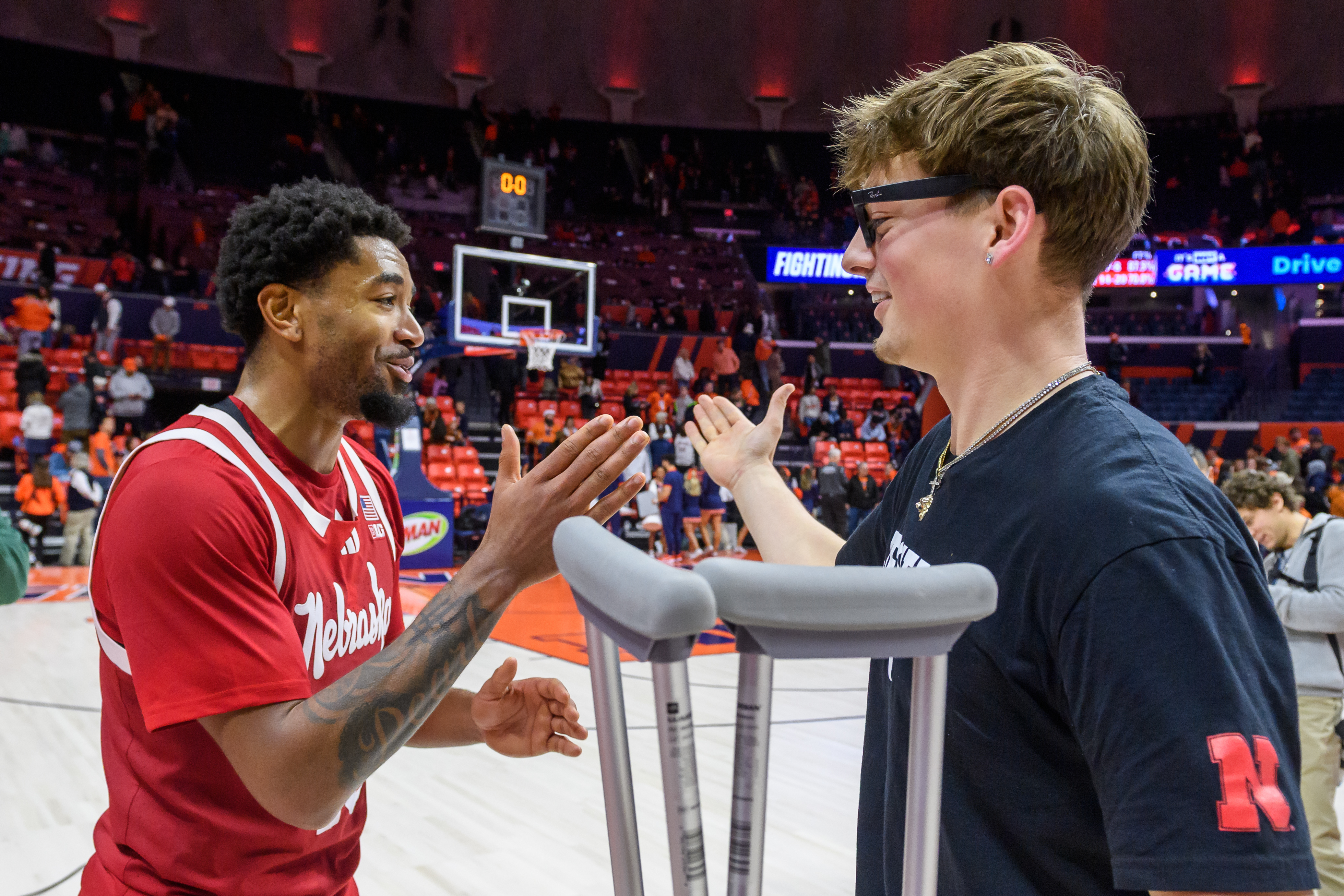
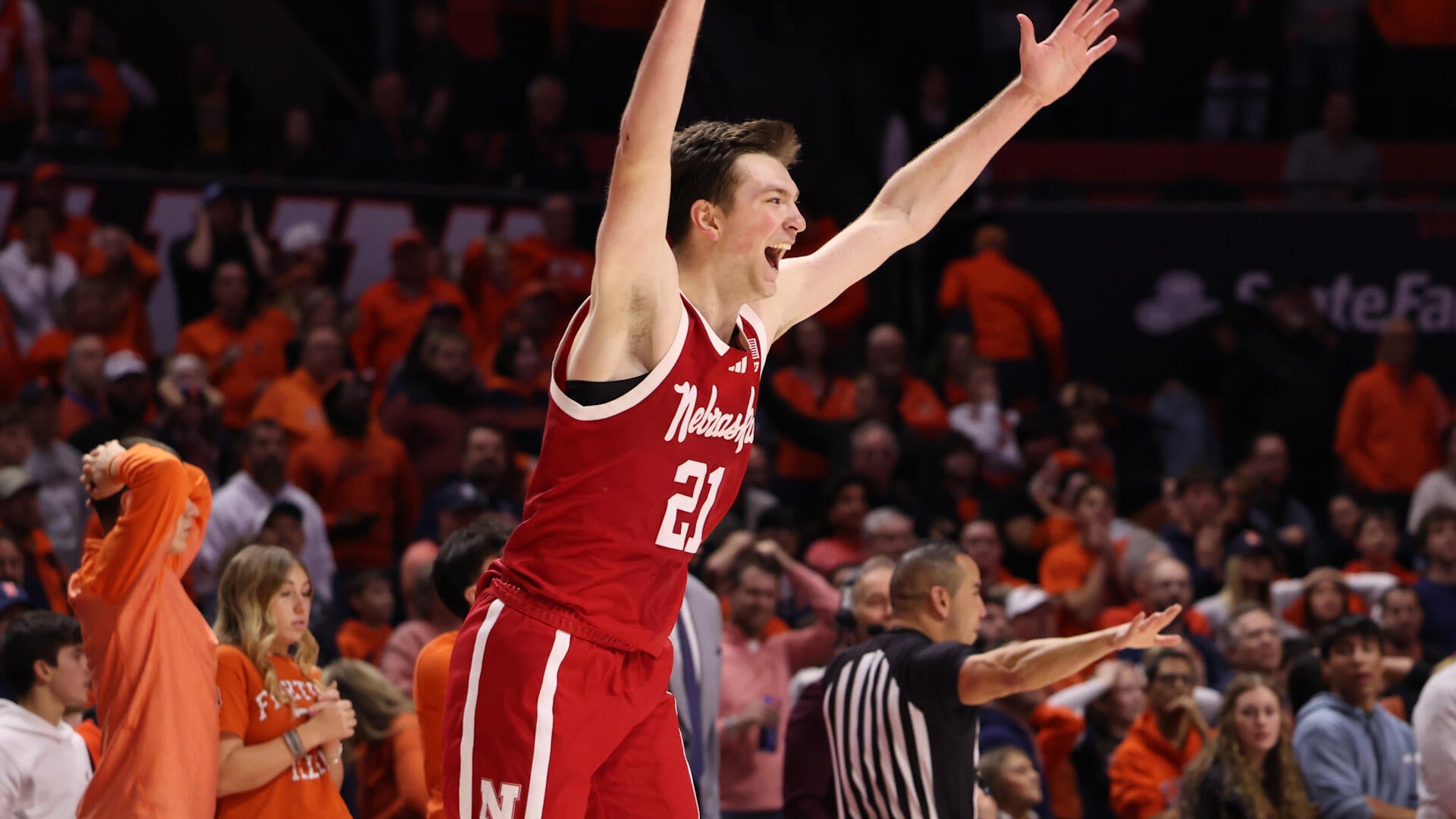
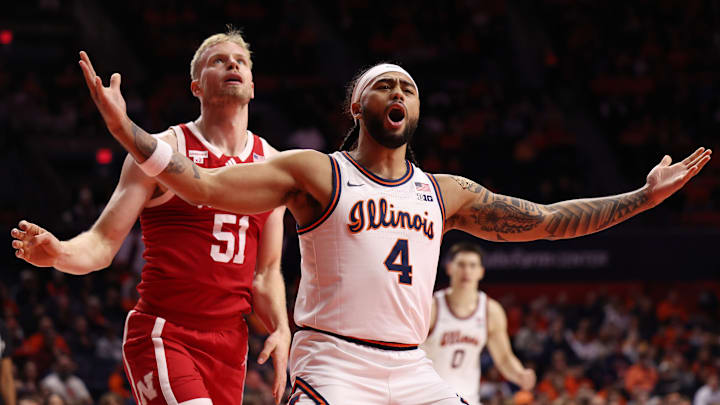
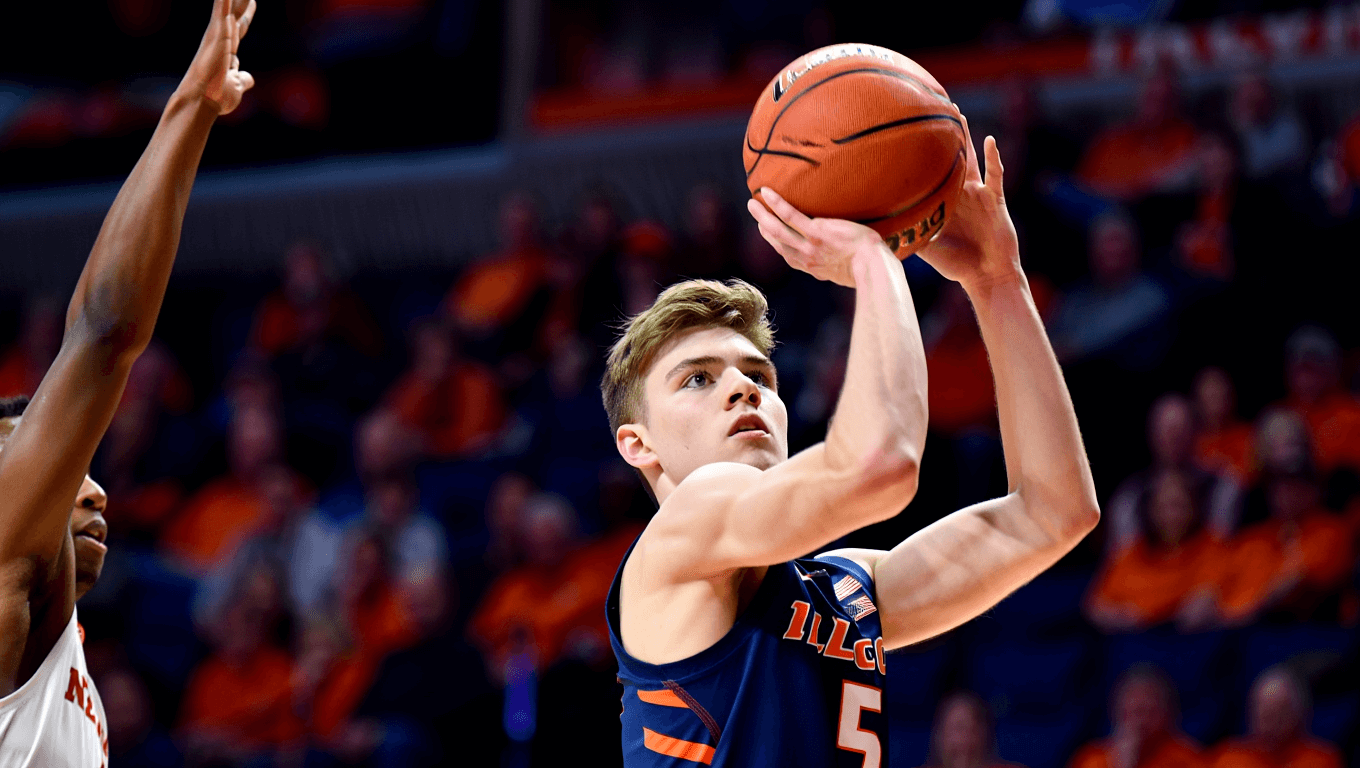
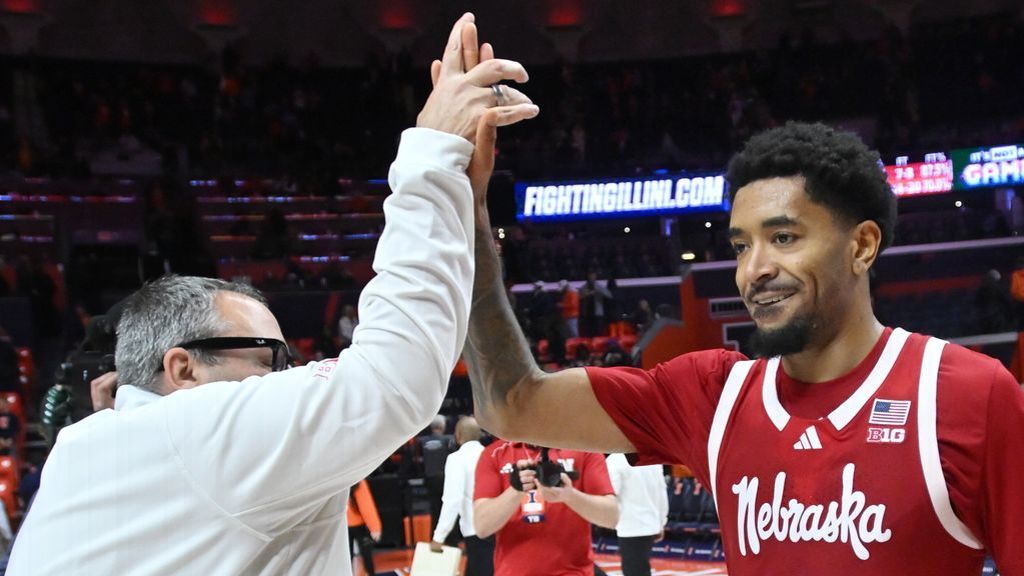
In a stunning display of athletic resilience, the Nebraska Cornhuskers have shattered expectations with a program-defining basketball performance that transcends mere statistical achievement. The team's 83-80 victory over No. 13 Illinois represents more than just a win—it's a transformative moment that signals a potential paradigm shift in the program's competitive trajectory.
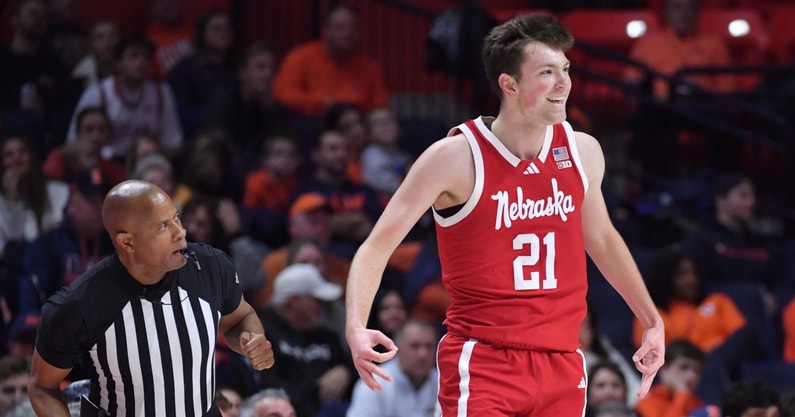
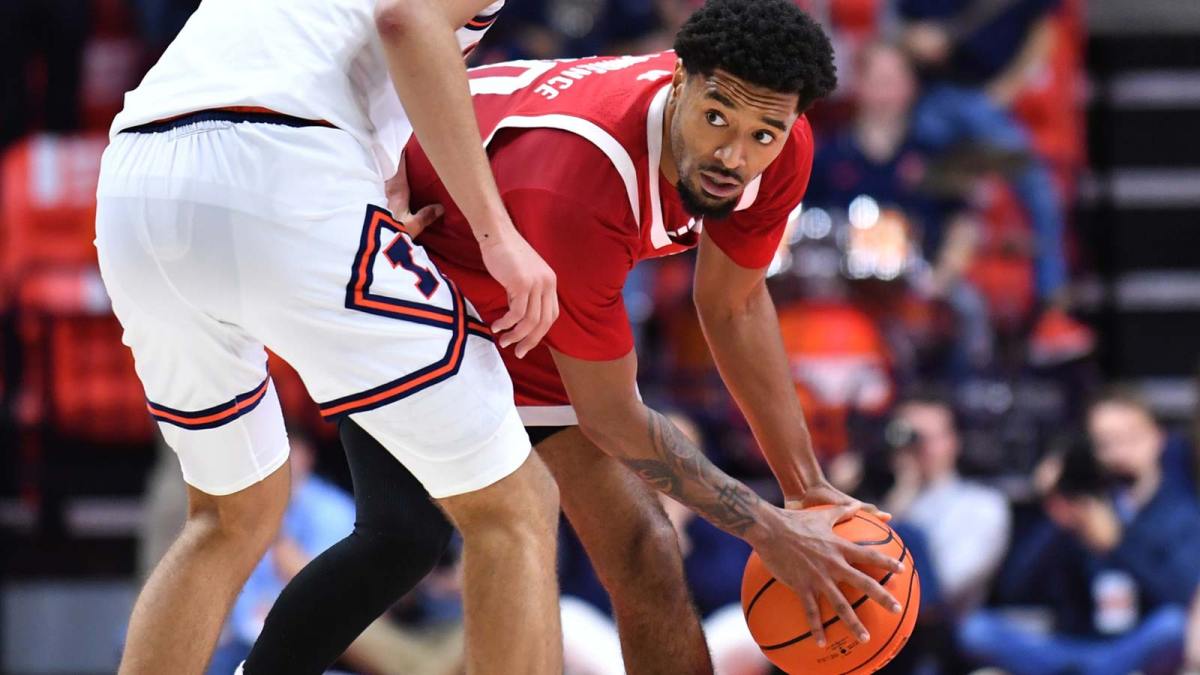
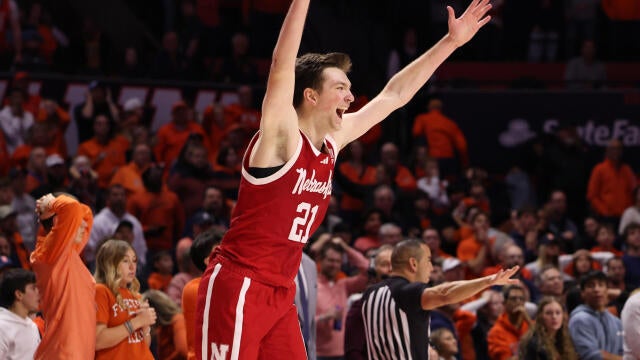
Pryce Sandfort's career-high 32 points emerged as the cornerstone of this remarkable upset, demonstrating the individual brilliance that can catalyze team-wide momentum. The game's dramatic conclusion—a last-second buzzer-beater by Jamarques Lawrence—encapsulates the razor-thin margins between athletic obscurity and breakthrough recognition. With an undefeated 11-0 record and a perfect 2-0 start in Big Ten conference play, Nebraska has effectively rewritten its own narrative of competitive potential.
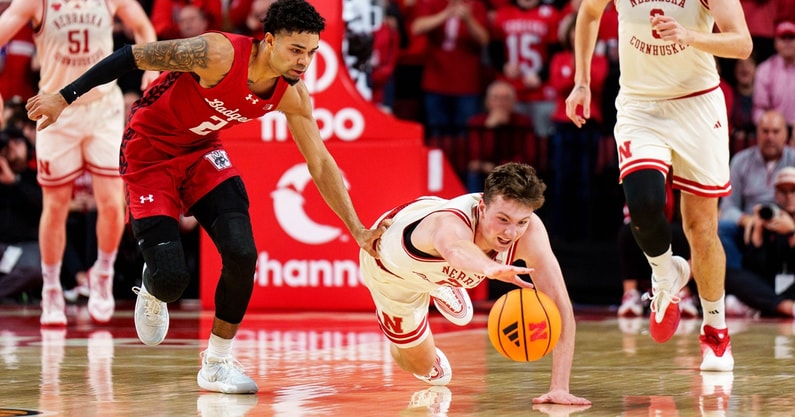
The strategic implications of this victory extend far beyond a single game. By defeating a ranked opponent on the road, the Huskers have challenged long-standing perceptions about their basketball program's capabilities. The team's ability to overcome significant deficits—trailing by as much as 14 points in the first half and 10 points in the second—reveals a psychological resilience that distinguishes elite athletic programs. Rienk Mast's solid performance of 17 points and seven rebounds further underscores the depth and versatility of this emerging squad.
What makes this victory particularly compelling is its timing and context. Matching their best season-opening record since 1977-78, the Huskers are not just winning—they're making a statement about institutional transformation. The game against Illinois wasn't just a contest; it was a declaration of the program's evolving identity, showcasing a blend of strategic adaptability, individual talent, and collective determination that could redefine their competitive standing.
For basketball enthusiasts and program strategists, this performance represents a potential inflection point. It demonstrates how strategic preparation, individual excellence, and collective resilience can rapidly reshape institutional expectations and competitive dynamics.
Questions 3
What does this victory mean for Nebraska's basketball program?
The win matches their best season-opening record since 1977-78 and positions them as a competitive force in the Big Ten conference. It demonstrates the program's potential for rapid improvement and challenges traditional expectations about their basketball capabilities.
How did individual player performances contribute to the victory?
Pryce Sandfort's career-high 32 points and Jamarques Lawrence's game-winning buzzer-beater were pivotal. Rienk Mast's solid performance of 17 points and seven rebounds also provided crucial support, showcasing the team's depth and individual talent.