


China's 50-70% R&D Speed Advantage Reshapes Pharma Supply Chains | Cross-Border Seller Opportunities
- $15.2B BMS-Hengrui deal signals accelerated clinical timelines, creating sourcing and compliance opportunities for health/wellness sellers targeting emerging markets









Overview
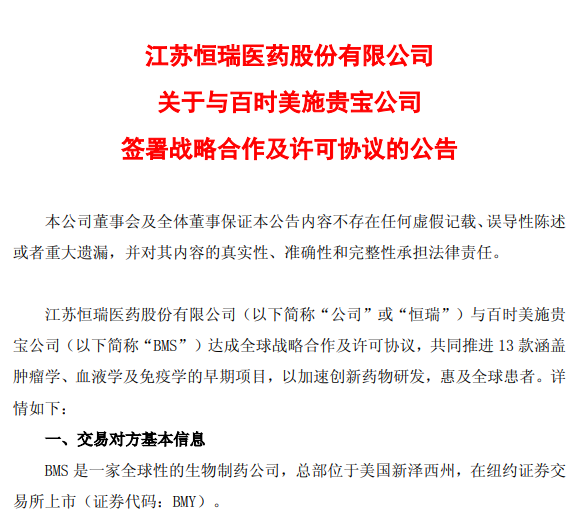
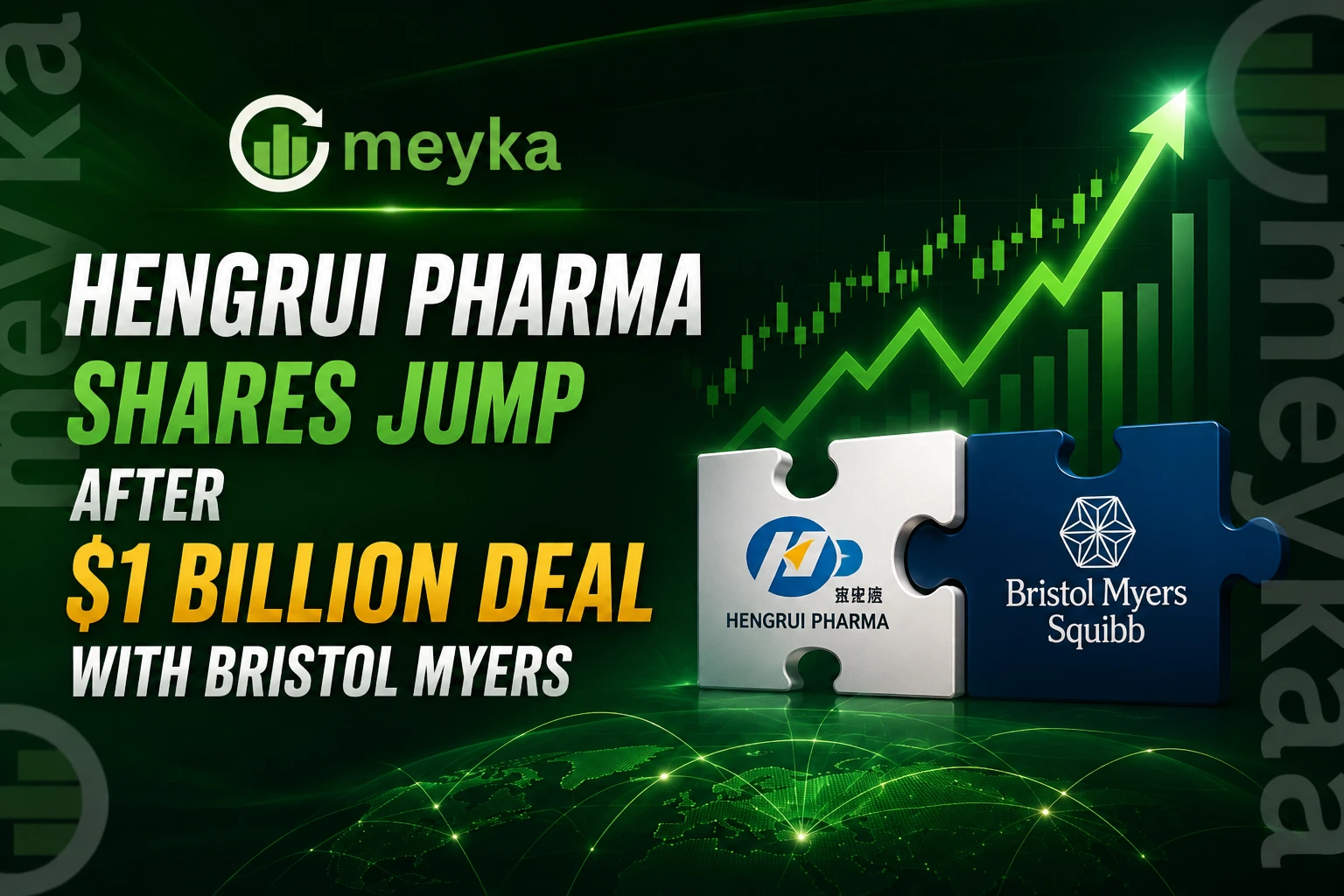
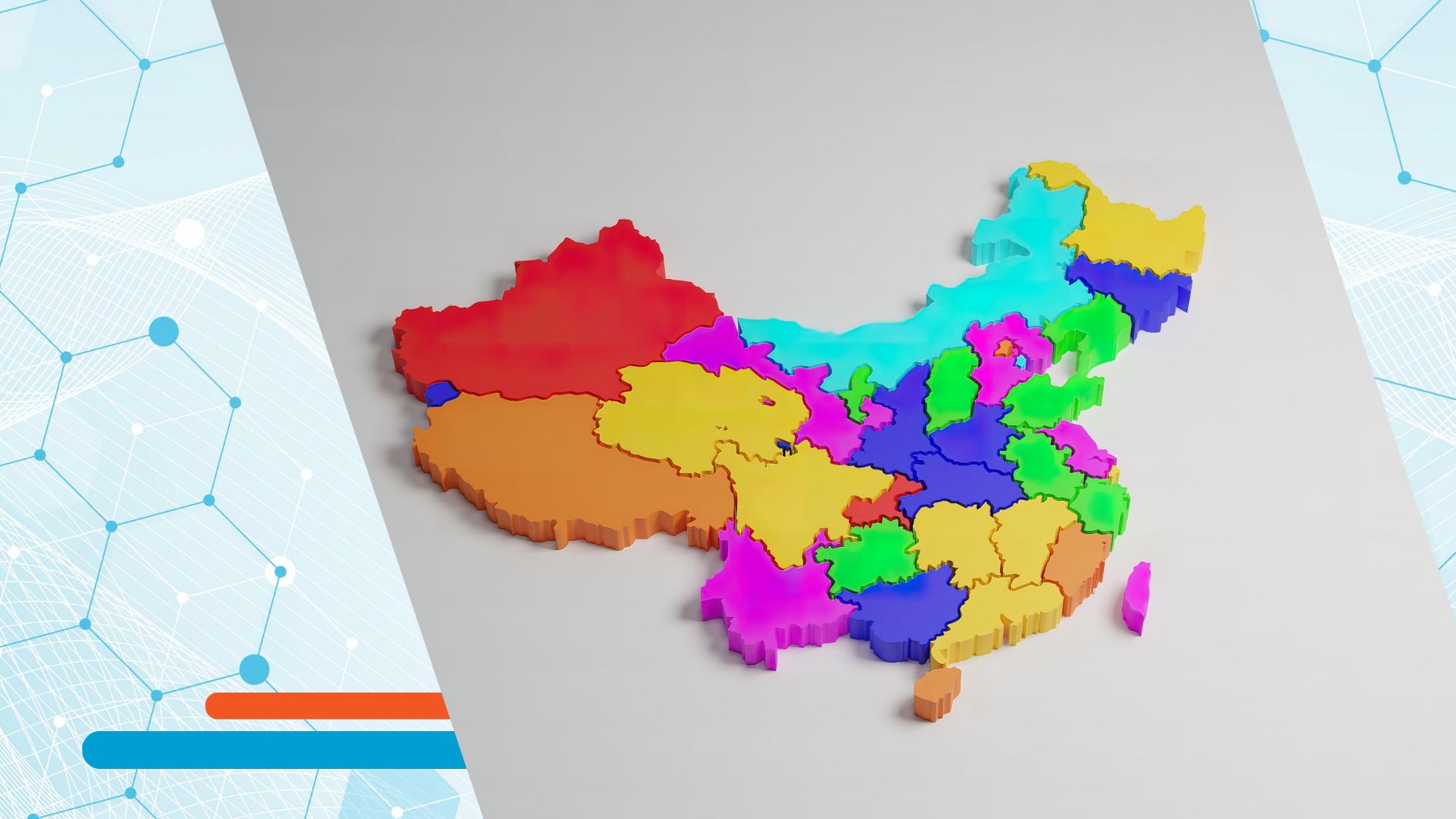
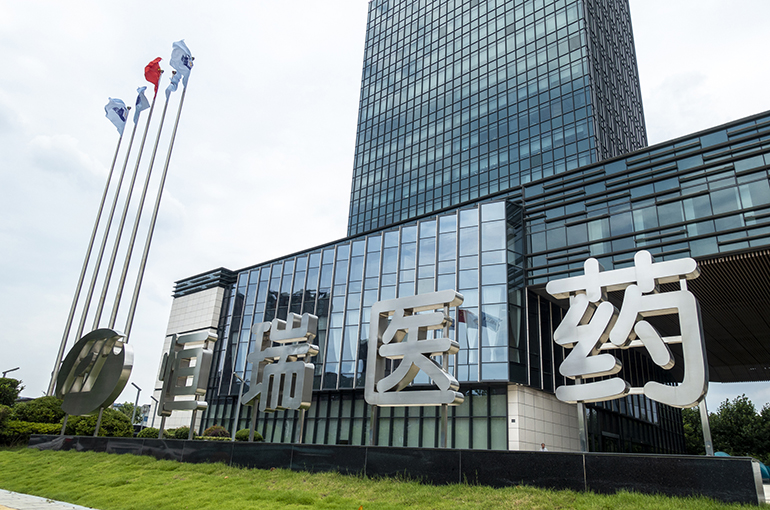
Bristol Myers Squibb's $15.2 billion partnership with Shanghai-based Hengrui Pharmaceuticals (announced May 12, 2026) represents a seismic shift in global pharmaceutical R&D strategy with profound implications for cross-border commerce and health product sellers. The deal structure—$600 million upfront plus $175 million at first and second anniversaries—demonstrates how Western pharmaceutical giants are now anchoring drug development in China, where clinical trial timelines are 50-70% faster than the rest of the world. This partnership encompasses BMS gaining ex-China rights to four Hengrui oncology/hematology assets plus five collaborative programs, while Hengrui receives commercialization rights to four BMS immunology drugs within China, Hong Kong, and Macau.
For cross-border e-commerce sellers, this partnership signals three critical market shifts: First, accelerated drug approvals in China will expand the addressable market for health supplements, wellness products, and medical devices targeting Chinese consumers within 2-4 years—a market currently valued at $180+ billion annually. Second, the deal validates China's emergence as the dominant clinical trial hub, with McKinsey research cited by BMS CFO David Elkins confirming China is on track to overtake the United States as the largest source of new clinical trial filings globally. This creates sourcing opportunities for sellers in contract research, medical device components, and clinical trial support products. Third, the mutual technology exchange model (BMS sharing immunology assets with Hengrui) indicates Western companies are increasingly comfortable with IP transfer to Chinese partners, reducing regulatory friction for joint ventures and contract manufacturing arrangements.
The competitive landscape is shifting rapidly. GSK's comparable deal with Hengrui (valued up to $12 billion for one candidate plus options on 11 programs) paid only $500 million upfront, suggesting BMS's higher valuation reflects confidence in Hengrui's execution speed and market access. Hengrui maintains additional partnerships with Kailera, Merck & Co., and Merck KGaA, indicating consolidation of China's pharmaceutical innovation ecosystem. For sellers, this means: (1) Chinese pharmaceutical suppliers will gain pricing power as Western companies compete for partnerships; (2) regulatory pathways for health products will accelerate in China, creating first-mover advantages for sellers with compliant inventory; (3) supply chain integration between US and Chinese pharma companies will deepen, creating opportunities for logistics, packaging, and regulatory compliance service providers.
Immediate seller opportunities emerge in three categories: Health supplement sellers can capitalize on accelerated drug approvals by positioning complementary wellness products to newly-approved patient populations; medical device component suppliers should target Hengrui's expanded R&D capacity (the deal includes five collaborative programs requiring manufacturing support); regulatory compliance consultants can serve sellers navigating China's increasingly sophisticated approval pathways. The timeline window is critical—with milestone payments extending through 2026-2027, sellers have 18-24 months to establish supply relationships before major competitors saturate the market.
Questions 7
What specific product categories benefit most from the BMS-Hengrui partnership structure?
Three categories see immediate opportunity: (1) Oncology and hematology support products—BMS gains ex-China rights to four Hengrui oncology/hematology candidates, meaning sellers of cancer support supplements, medical devices, and wellness products targeting these patient populations can expand into Western markets as drugs advance; (2) Immunology therapeutics—Hengrui receives BMS immunology assets for China market, creating demand for immune-support supplements and monitoring devices in China; (3) Clinical trial support products—the five collaborative programs require contract research services, medical device components, and trial management software. Medical device component suppliers should prioritize HS codes 9018 (surgical instruments) and 3002 (blood/serum products) for sourcing opportunities.
How does this partnership affect tariff rates and sourcing costs for pharmaceutical-adjacent products?
The $15.2 billion deal signals Western pharmaceutical companies are anchoring R&D in China, which typically reduces tariff friction for related imports. China's NMPA (National Medical Products Administration) approval acceleration means products supporting approved drugs face lower regulatory barriers. For sellers, this translates to: (1) Reduced tariff rates on HS codes 3002-3006 (pharmaceutical products) as trade volume increases; (2) Lower compliance costs for health supplements entering China, as regulatory pathways become standardized; (3) Potential tariff arbitrage opportunities—sourcing raw materials from China for supplement manufacturing costs 20-35% less than US/EU suppliers due to scale advantages. Sellers should monitor NMPA guidance updates quarterly, as approval timelines directly impact sourcing decisions.