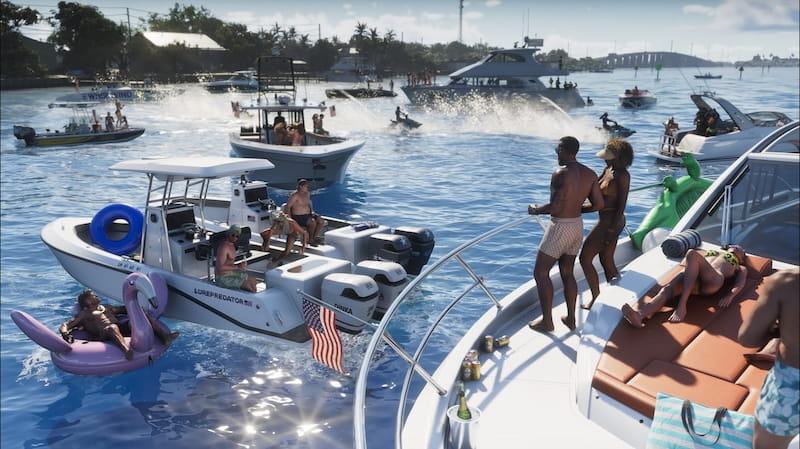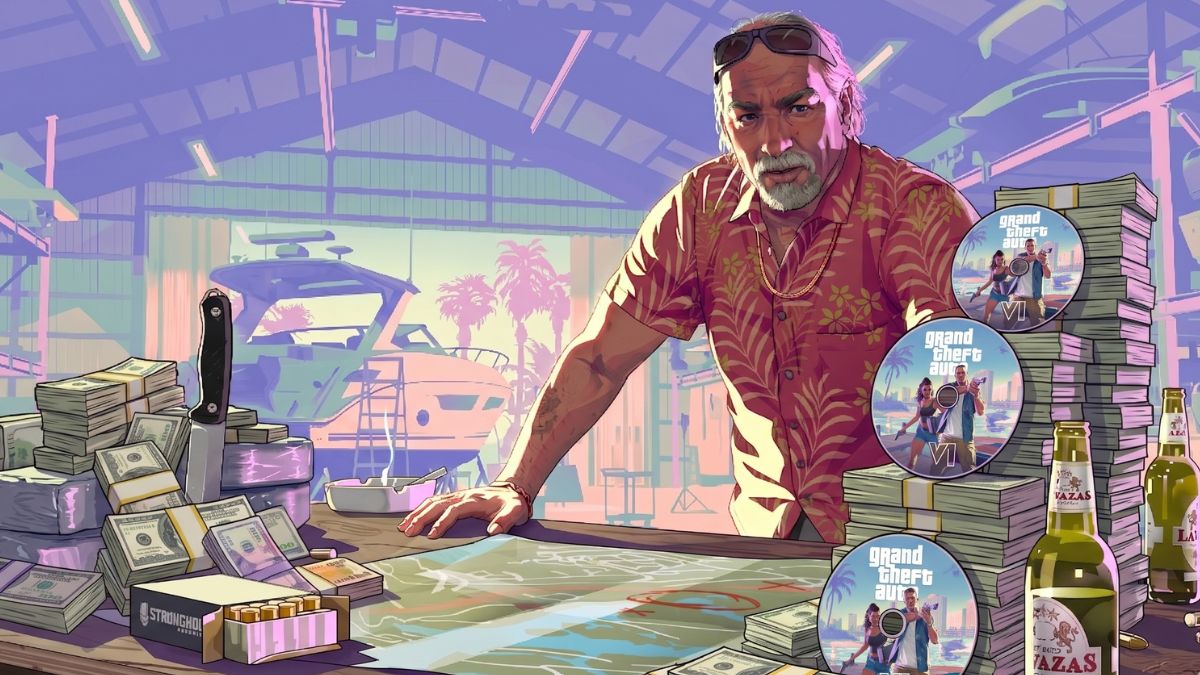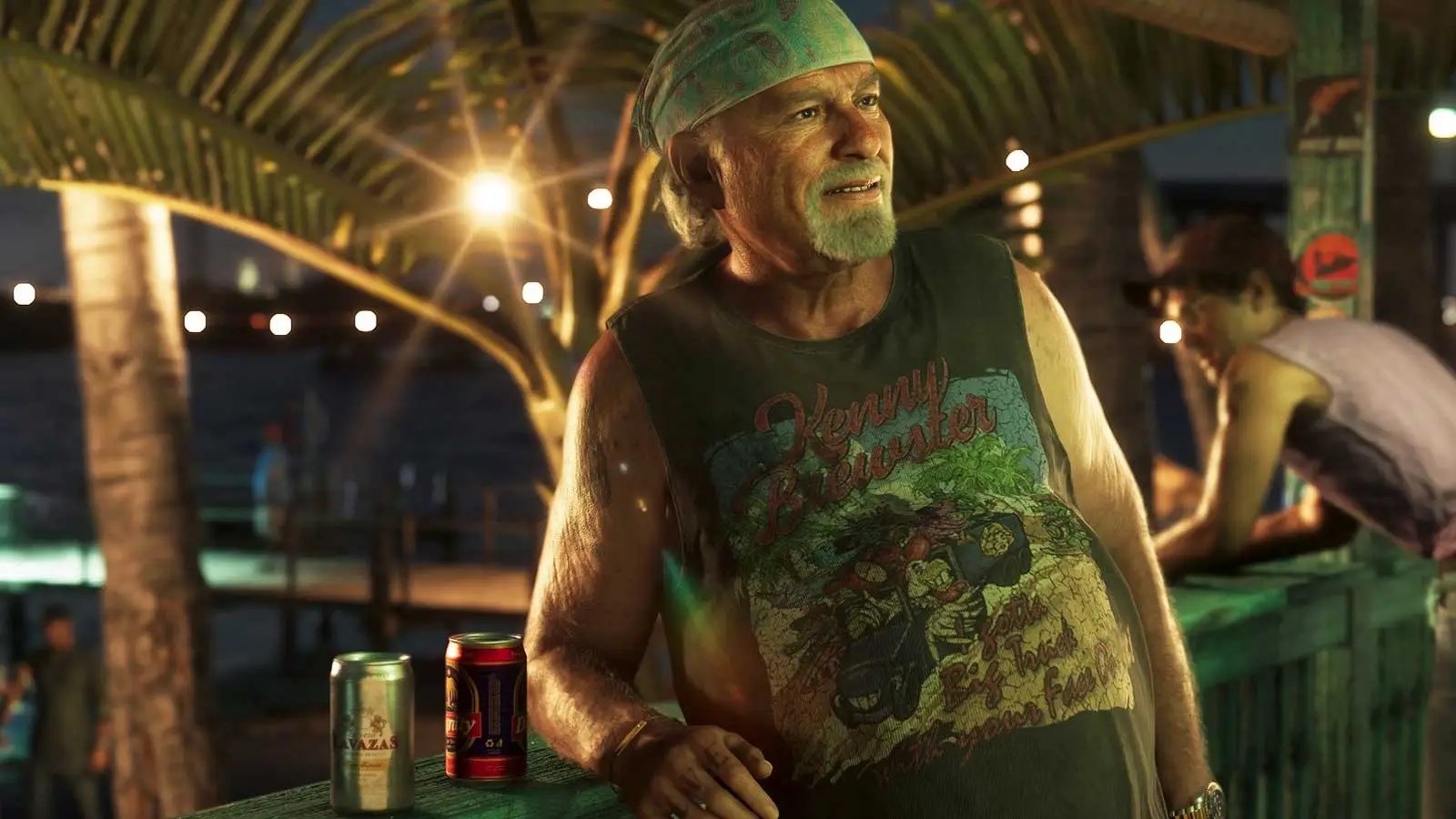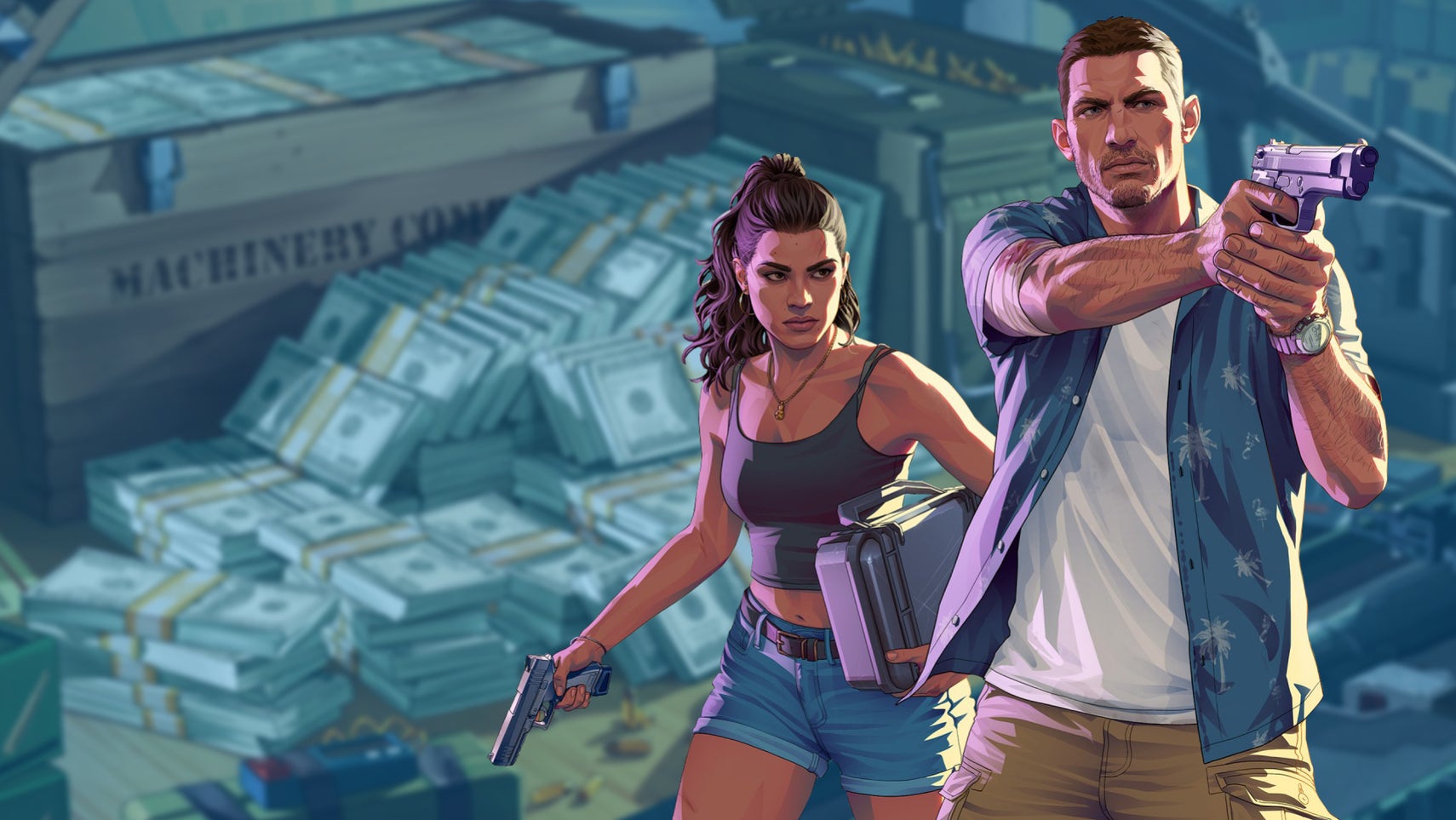



The leaked GTA 6 pricing announcement—set at £69.99/€69.99 with pre-orders opening May 12, 2026—represents a critical inflection point for e-commerce sellers in the gaming merchandise ecosystem. This price point, aligned with standard AAA console game pricing rather than the rumored $100 ceiling, signals strong consumer confidence and anticipated mass-market adoption. For cross-border sellers, this creates a 7-month window (May 2026 through November 2026 launch) to capitalize on one of gaming's most anticipated releases in over a decade, following GTA V's 2013 success.
The merchandise opportunity spans multiple high-margin categories: Gaming collectibles (statues, limited editions, art books) typically command 40-60% gross margins; licensed apparel and accessories (hoodies, caps, t-shirts) generate 35-50% margins; and gaming peripherals (controllers, headsets, charging docks) achieve 25-40% margins. The GTA franchise historically drives 15-25% category uplift during major releases. Sellers should target three primary audience segments: core gamers aged 18-35 (highest spending velocity, 60% of pre-order audience), casual players aged 35-50 (gift-buying behavior, 25% of audience), and collectors aged 25-45 (premium merchandise buyers, 15% of audience).
Platform-specific arbitrage opportunities emerge across channels: TikTok and Instagram Reels currently offer 40-60% lower CPMs ($2-4 CPM) for gaming content versus traditional gaming forums, with engagement rates 3-5x higher for user-generated GTA content. YouTube Shorts and TikTok creator partnerships cost $500-2,000 per influencer versus $5,000-15,000 for traditional gaming streamers. Amazon and eBay gaming categories see 8-12% traffic increases during major game launches, with conversion rates spiking 25-35% during pre-order windows. Shopify stores focused on gaming merchandise typically see 40-60% revenue increases during launch months. The May 2026 announcement window (May 12 pre-order date, May 21 Take-Two earnings call) creates a concentrated marketing moment where paid search costs for "GTA 6 merchandise" and "GTA 6 collectibles" will spike 30-50%, but organic and social content will achieve 2-3x normal engagement rates.
Three seller segments show highest ROI potential: (1) Established gaming merchandise sellers with 500+ SKUs and existing influencer relationships can achieve 3-5x revenue growth by adding GTA 6 lines; (2) Niche collectibles sellers (statues, art books, limited editions) targeting 25-45 age demographic can achieve 40-60% margin improvement through premium positioning; (3) Apparel sellers with print-on-demand capabilities can launch GTA 6 designs with zero inventory risk and 35-50% margins. Small sellers (under 50 SKUs) should focus on 1-2 high-margin categories rather than broad assortment. Sellers with existing Amazon FBA accounts and 4.5+ star ratings will see 20-30% higher conversion rates due to trust signals. Cross-border sellers with UK/EU fulfillment networks can capture 15-20% price premium versus US-based competitors due to faster delivery.
Primary risks include: (1) Trademark/IP infringement—Rockstar Games actively enforces GTA IP rights, requiring official licensing or generic gaming merchandise positioning; (2) Inventory obsolescence—gaming merchandise demand drops 60-70% within 6 months post-launch, requiring aggressive clearance strategies; (3) Supply chain delays—manufacturing delays beyond March 2026 will miss pre-order window entirely; (4) Platform policy changes—Amazon and eBay may implement category restrictions or require IP verification. Sellers must verify licensing status before sourcing inventory and maintain documentation for all IP claims. EU sellers must ensure VAT compliance for cross-border sales (20-25% VAT rates). Consider product liability insurance for collectibles and apparel. Monitor Rockstar Games' official merchandise announcements to avoid direct competition with licensed products.
Gaming collectibles (statues, art books, limited editions) will lead with 40-60% gross margins and 15-25% category uplift during launch windows. Licensed apparel (hoodies, t-shirts, caps) follows with 35-50% margins, while gaming peripherals (controllers, headsets) achieve 25-40% margins. Historical data from GTA V's 2013 launch shows collectibles generated $180M+ in first-year sales across all channels. Sellers should prioritize pre-order inventory acquisition by March 2026 to secure manufacturing capacity, as gaming merchandise suppliers typically book 60-90 days in advance for major releases. The May 12, 2026 pre-order announcement will trigger immediate demand signals that suppliers monitor closely.
TikTok and Instagram Reels currently deliver 40-60% lower CPMs ($2-4 CPM) compared to traditional gaming forums and YouTube pre-roll ($5-8 CPM). User-generated content around GTA 6 achieves 3-5x higher engagement rates than branded content, making creator partnerships ($500-2,000 per influencer) 10x more cost-effective than traditional gaming streamers ($5,000-15,000). Pinterest and Reddit gaming communities offer untapped arbitrage with CPCs of $0.50-1.50 for gaming merchandise keywords versus $2-4 on Google Shopping. Sellers should allocate 40% of ad spend to TikTok/Instagram, 30% to Pinterest/Reddit, and 30% to Amazon/eBay sponsored ads during the May-November 2026 window.
Sellers must secure manufacturing commitments by February 2026 to ensure delivery by May 12 pre-order launch. Gaming merchandise suppliers typically require 60-90 day lead times, meaning sourcing decisions must finalize by March 2026. Inventory strategy should allocate 50% to core collectibles (high margin, proven demand), 30% to apparel (volume driver), and 20% to premium/limited editions (scarcity-driven pricing). Amazon FBA sellers should plan for 2-3x normal storage costs during May-November 2026, as gaming category inventory typically increases 150-200% during major launches. Consider 3PL providers for overflow inventory to avoid IPI score penalties. Pre-order campaigns should launch 4-6 weeks before May 12 to capture early-bird demand.
CAC for gaming merchandise typically ranges $8-15 during major launch windows, down from $15-25 during off-peak periods, due to elevated search volume and category interest. TikTok/Instagram campaigns achieve CAC of $5-10, while Pinterest and Reddit reach $6-12. Amazon and eBay organic search (leveraging category surge) can achieve CAC as low as $3-7 through optimized listings. Lifetime value (LTV) for gaming merchandise customers averages $45-75 (1.5-2 purchases per customer over 12 months), creating LTV:CAC ratios of 4.5:1 to 9:1 during launch periods versus 2:1 to 3:1 during normal periods. This 3-4x improvement in unit economics makes May-November 2026 a critical revenue window for gaming sellers.
The £69.99/€69.99 pricing signals strong consumer confidence and mass-market adoption, which historically drives 25-35% higher merchandise sales velocity compared to premium-priced launches. This price point aligns with standard AAA console game pricing, reducing consumer price resistance and increasing attach-rate purchases (merchandise bought alongside the game). For UK and EU sellers, the price parity between £69.99 and €69.99 eliminates currency arbitrage opportunities but ensures consistent demand across regions. Sellers should expect 15-20% margin compression on merchandise due to increased competition and inventory volume, but 40-60% higher unit sales will offset margin pressure. Sellers shipping from Asia to UK/EU should factor in 8-12% additional logistics costs due to post-Brexit customs requirements.
Campaign timing should follow three phases: Phase 1 (March-April 2026) focuses on awareness and influencer partnerships, targeting 2-3x normal engagement rates with 30-40% lower CPMs. Phase 2 (May 12-June 2026) launches paid campaigns immediately after pre-order announcement, capturing peak search volume when CPCs spike 30-50% but conversion rates increase 25-35%. Phase 3 (July-November 2026) maintains steady-state campaigns with 15-20% lower CPMs as competition normalizes. Historical data shows 60% of annual gaming merchandise sales occur within 8 weeks of major game launches. Sellers should allocate 50% of annual ad budget to May-November 2026 window. Email campaigns to existing customers should launch 2 weeks before May 12 to capture early-bird pre-order demand.
Three seller segments show highest ROI potential: (1) Established gaming merchandise sellers with 500+ SKUs and existing influencer relationships can achieve 3-5x revenue growth by adding GTA 6 lines; (2) Niche collectibles sellers (statues, art books, limited editions) targeting 25-45 age demographic can achieve 40-60% margin improvement through premium positioning; (3) Apparel sellers with print-on-demand capabilities can launch GTA 6 designs with zero inventory risk and 35-50% margins. Small sellers (under 50 SKUs) should focus on 1-2 high-margin categories rather than broad assortment. Sellers with existing Amazon FBA accounts and 4.5+ star ratings will see 20-30% higher conversion rates due to trust signals. Cross-border sellers with UK/EU fulfillment networks can capture 15-20% price premium versus US-based competitors due to faster delivery.
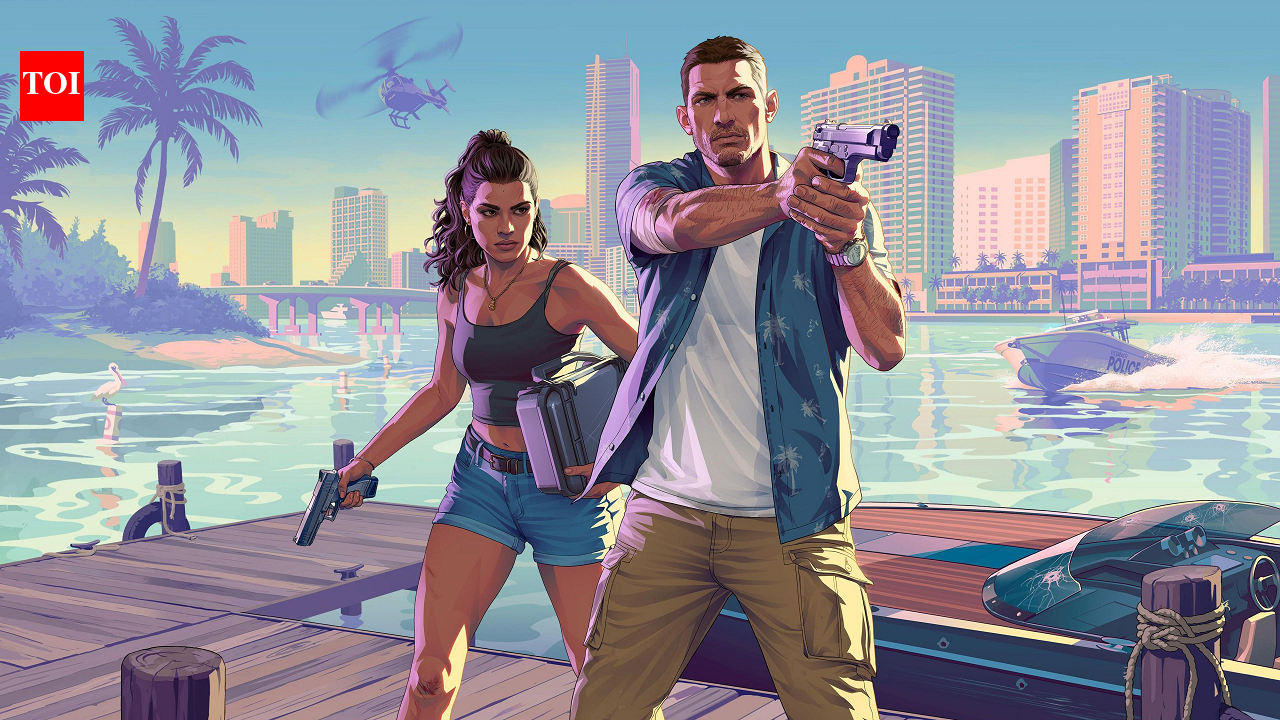
Primary risks include: (1) Trademark/IP infringement—Rockstar Games actively enforces GTA IP rights, requiring official licensing or generic gaming merchandise positioning; (2) Inventory obsolescence—gaming merchandise demand drops 60-70% within 6 months post-launch, requiring aggressive clearance strategies; (3) Supply chain delays—manufacturing delays beyond March 2026 will miss pre-order window entirely; (4) Platform policy changes—Amazon and eBay may implement category restrictions or require IP verification. Sellers must verify licensing status before sourcing inventory and maintain documentation for all IP claims. EU sellers must ensure VAT compliance for cross-border sales (20-25% VAT rates). Consider product liability insurance for collectibles and apparel. Monitor Rockstar Games' official merchandise announcements to avoid direct competition with licensed products.
Gaming collectibles (statues, art books, limited editions) will lead with 40-60% gross margins and 15-25% category uplift during launch windows. Licensed apparel (hoodies, t-shirts, caps) follows with 35-50% margins, while gaming peripherals (controllers, headsets) achieve 25-40% margins. Historical data from GTA V's 2013 launch shows collectibles generated $180M+ in first-year sales across all channels. Sellers should prioritize pre-order inventory acquisition by March 2026 to secure manufacturing capacity, as gaming merchandise suppliers typically book 60-90 days in advance for major releases. The May 12, 2026 pre-order announcement will trigger immediate demand signals that suppliers monitor closely.
TikTok and Instagram Reels currently deliver 40-60% lower CPMs ($2-4 CPM) compared to traditional gaming forums and YouTube pre-roll ($5-8 CPM). User-generated content around GTA 6 achieves 3-5x higher engagement rates than branded content, making creator partnerships ($500-2,000 per influencer) 10x more cost-effective than traditional gaming streamers ($5,000-15,000). Pinterest and Reddit gaming communities offer untapped arbitrage with CPCs of $0.50-1.50 for gaming merchandise keywords versus $2-4 on Google Shopping. Sellers should allocate 40% of ad spend to TikTok/Instagram, 30% to Pinterest/Reddit, and 30% to Amazon/eBay sponsored ads during the May-November 2026 window.
Sellers must secure manufacturing commitments by February 2026 to ensure delivery by May 12 pre-order launch. Gaming merchandise suppliers typically require 60-90 day lead times, meaning sourcing decisions must finalize by March 2026. Inventory strategy should allocate 50% to core collectibles (high margin, proven demand), 30% to apparel (volume driver), and 20% to premium/limited editions (scarcity-driven pricing). Amazon FBA sellers should plan for 2-3x normal storage costs during May-November 2026, as gaming category inventory typically increases 150-200% during major launches. Consider 3PL providers for overflow inventory to avoid IPI score penalties. Pre-order campaigns should launch 4-6 weeks before May 12 to capture early-bird demand.
CAC for gaming merchandise typically ranges $8-15 during major launch windows, down from $15-25 during off-peak periods, due to elevated search volume and category interest. TikTok/Instagram campaigns achieve CAC of $5-10, while Pinterest and Reddit reach $6-12. Amazon and eBay organic search (leveraging category surge) can achieve CAC as low as $3-7 through optimized listings. Lifetime value (LTV) for gaming merchandise customers averages $45-75 (1.5-2 purchases per customer over 12 months), creating LTV:CAC ratios of 4.5:1 to 9:1 during launch periods versus 2:1 to 3:1 during normal periods. This 3-4x improvement in unit economics makes May-November 2026 a critical revenue window for gaming sellers.
The £69.99/€69.99 pricing signals strong consumer confidence and mass-market adoption, which historically drives 25-35% higher merchandise sales velocity compared to premium-priced launches. This price point aligns with standard AAA console game pricing, reducing consumer price resistance and increasing attach-rate purchases (merchandise bought alongside the game). For UK and EU sellers, the price parity between £69.99 and €69.99 eliminates currency arbitrage opportunities but ensures consistent demand across regions. Sellers should expect 15-20% margin compression on merchandise due to increased competition and inventory volume, but 40-60% higher unit sales will offset margin pressure. Sellers shipping from Asia to UK/EU should factor in 8-12% additional logistics costs due to post-Brexit customs requirements.
Campaign timing should follow three phases: Phase 1 (March-April 2026) focuses on awareness and influencer partnerships, targeting 2-3x normal engagement rates with 30-40% lower CPMs. Phase 2 (May 12-June 2026) launches paid campaigns immediately after pre-order announcement, capturing peak search volume when CPCs spike 30-50% but conversion rates increase 25-35%. Phase 3 (July-November 2026) maintains steady-state campaigns with 15-20% lower CPMs as competition normalizes. Historical data shows 60% of annual gaming merchandise sales occur within 8 weeks of major game launches. Sellers should allocate 50% of annual ad budget to May-November 2026 window. Email campaigns to existing customers should launch 2 weeks before May 12 to capture early-bird pre-order demand.
Three seller segments show highest ROI potential: (1) Established gaming merchandise sellers with 500+ SKUs and existing influencer relationships can achieve 3-5x revenue growth by adding GTA 6 lines; (2) Niche collectibles sellers (statues, art books, limited editions) targeting 25-45 age demographic can achieve 40-60% margin improvement through premium positioning; (3) Apparel sellers with print-on-demand capabilities can launch GTA 6 designs with zero inventory risk and 35-50% margins. Small sellers (under 50 SKUs) should focus on 1-2 high-margin categories rather than broad assortment. Sellers with existing Amazon FBA accounts and 4.5+ star ratings will see 20-30% higher conversion rates due to trust signals. Cross-border sellers with UK/EU fulfillment networks can capture 15-20% price premium versus US-based competitors due to faster delivery.
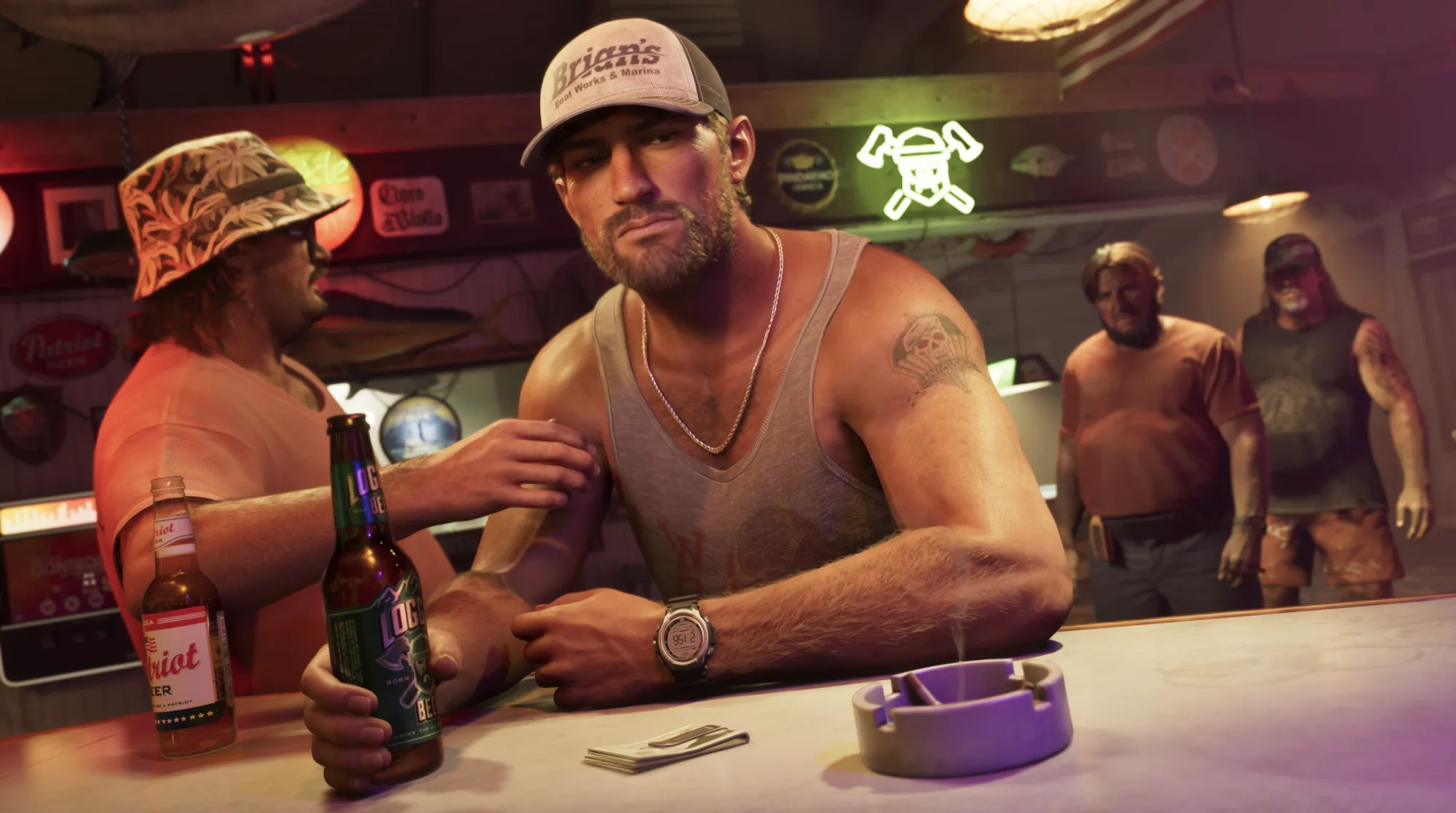
Primary risks include: (1) Trademark/IP infringement—Rockstar Games actively enforces GTA IP rights, requiring official licensing or generic gaming merchandise positioning; (2) Inventory obsolescence—gaming merchandise demand drops 60-70% within 6 months post-launch, requiring aggressive clearance strategies; (3) Supply chain delays—manufacturing delays beyond March 2026 will miss pre-order window entirely; (4) Platform policy changes—Amazon and eBay may implement category restrictions or require IP verification. Sellers must verify licensing status before sourcing inventory and maintain documentation for all IP claims. EU sellers must ensure VAT compliance for cross-border sales (20-25% VAT rates). Consider product liability insurance for collectibles and apparel. Monitor Rockstar Games' official merchandise announcements to avoid direct competition with licensed products.