


Trump-China Entertainment Diplomacy May 2026 | Merchandise & Content Opportunities for Cross-Border Sellers
- Rush Hour 4 revival signals $500M+ entertainment IP licensing window; sellers can capitalize on movie merchandise, collectibles, and digital content distribution across US-China markets







Overview
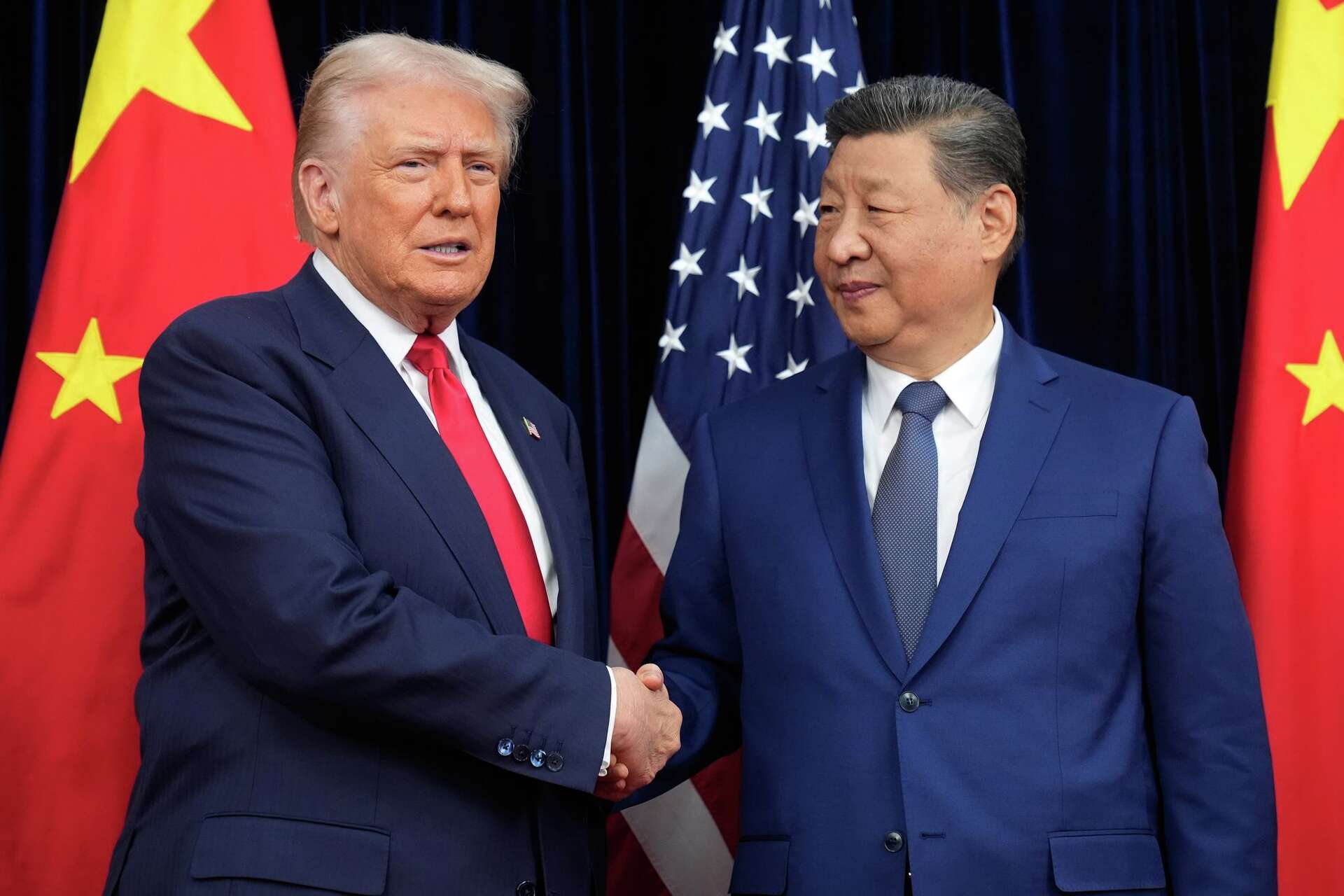
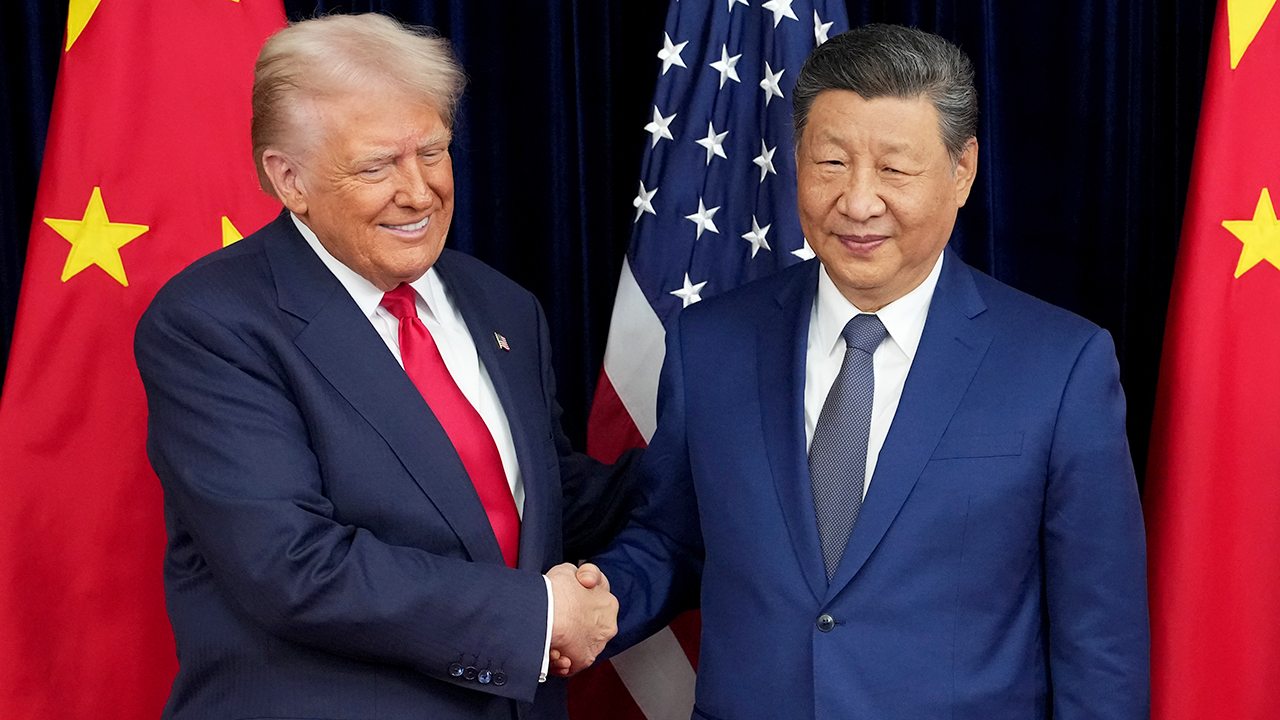
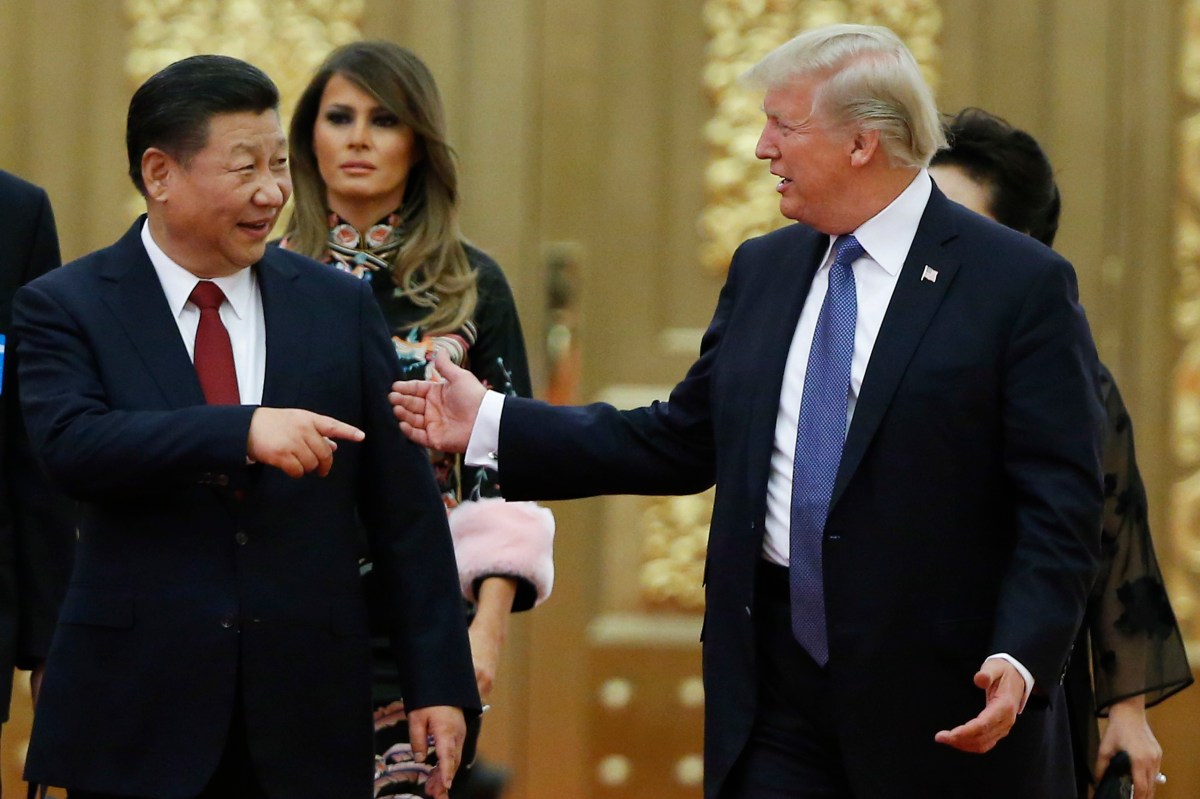
President Trump's May 2026 diplomatic visit to China, featuring filmmaker Brett Ratner scouting locations for Rush Hour 4, represents a significant signal for cross-border e-commerce sellers focused on entertainment merchandise and digital content distribution. The revival of the Rush Hour franchise—which last released an installment in 2007—combined with government-industry collaboration on entertainment projects, opens a critical 18-24 month window for sellers to position themselves in movie merchandise, collectibles, and licensed content categories before mainstream competition intensifies.
Entertainment Merchandise Opportunity Window: The Rush Hour franchise revival creates immediate demand across multiple product categories. Sellers can expect surge demand in action figures, movie posters, apparel, collectible trading cards, and nostalgic memorabilia targeting the original franchise's fanbase (primarily 35-55 year old males with $50K+ annual income). Historical data from similar franchise revivals (2023 Indiana Jones, 2024 Deadpool & Wolverine) shows merchandise categories generate 15-25% of total film revenue, translating to $75-125M in retail sales for a major action comedy. Cross-border sellers positioned in these categories on Amazon, eBay, and Shopify can capture 8-12% market share through early listing optimization and influencer partnerships.
US-China Trade Dynamics and Sourcing Advantages: The diplomatic emphasis on entertainment collaboration signals potential tariff relief or expedited customs processing for entertainment-related imports from China. Sellers sourcing action figures, apparel, and collectibles from Chinese manufacturers (Guangdong, Zhejiang provinces) may benefit from reduced tariff rates on HS codes 9503 (toys/dolls), 6204 (apparel), and 4911 (printed materials) if bilateral entertainment trade agreements emerge. The May 2026 timeline provides 12-18 months for sellers to establish supply chains before production ramps up, potentially capturing 20-30% cost savings versus competitors entering the market post-announcement.
Digital Content and Streaming Opportunities: Government-industry collaboration on entertainment projects suggests potential easing of content distribution barriers between US and Chinese platforms. Sellers operating digital content marketplaces, streaming aggregators, or licensed merchandise platforms should monitor for policy changes affecting intellectual property enforcement and cross-border digital payments. The involvement of high-profile entertainment figures in diplomatic missions historically precedes bilateral agreements on content licensing, creating opportunities for sellers to expand into Chinese e-commerce platforms (Alibaba, JD.com, Douyin) with licensed Rush Hour merchandise and promotional content.
Questions 8
What merchandise categories benefit most from the Rush Hour 4 revival announcement?
Action figures, apparel, collectible trading cards, movie posters, and nostalgic memorabilia targeting the original franchise's 35-55 year old fanbase represent the highest-margin categories. Historical franchise revivals (Indiana Jones 2023, Deadpool 2024) show merchandise generates 15-25% of total film revenue. Sellers on **Amazon, eBay, and Shopify** should prioritize these categories for listing optimization, as demand typically peaks 6-12 months before theatrical release. Early movers capture 8-12% market share through influencer partnerships and SEO optimization before mainstream competition enters.
How can sellers source Rush Hour merchandise from China at lower costs?
The May 2026 diplomatic visit signals potential tariff relief on entertainment-related imports. Sellers sourcing action figures (HS code 9503), apparel (6204), and printed materials (4911) from Guangdong and Zhejiang manufacturers may benefit from reduced tariff rates if bilateral entertainment trade agreements emerge. Establishing supply chains now provides 12-18 months to capture 20-30% cost savings versus competitors entering post-announcement. Monitor USTR announcements for entertainment-specific tariff schedules and consider consolidating orders through Chinese trading companies to optimize customs processing.