
Trump Phone Delays Expose Preorder Risk | Seller Compliance & Consumer Protection Lessons
- 600K preorders, 9-month delays, and vague T&Cs reveal critical gaps in hardware preorder fulfillment that sellers must address to avoid customer backlash and legal exposure
Overview
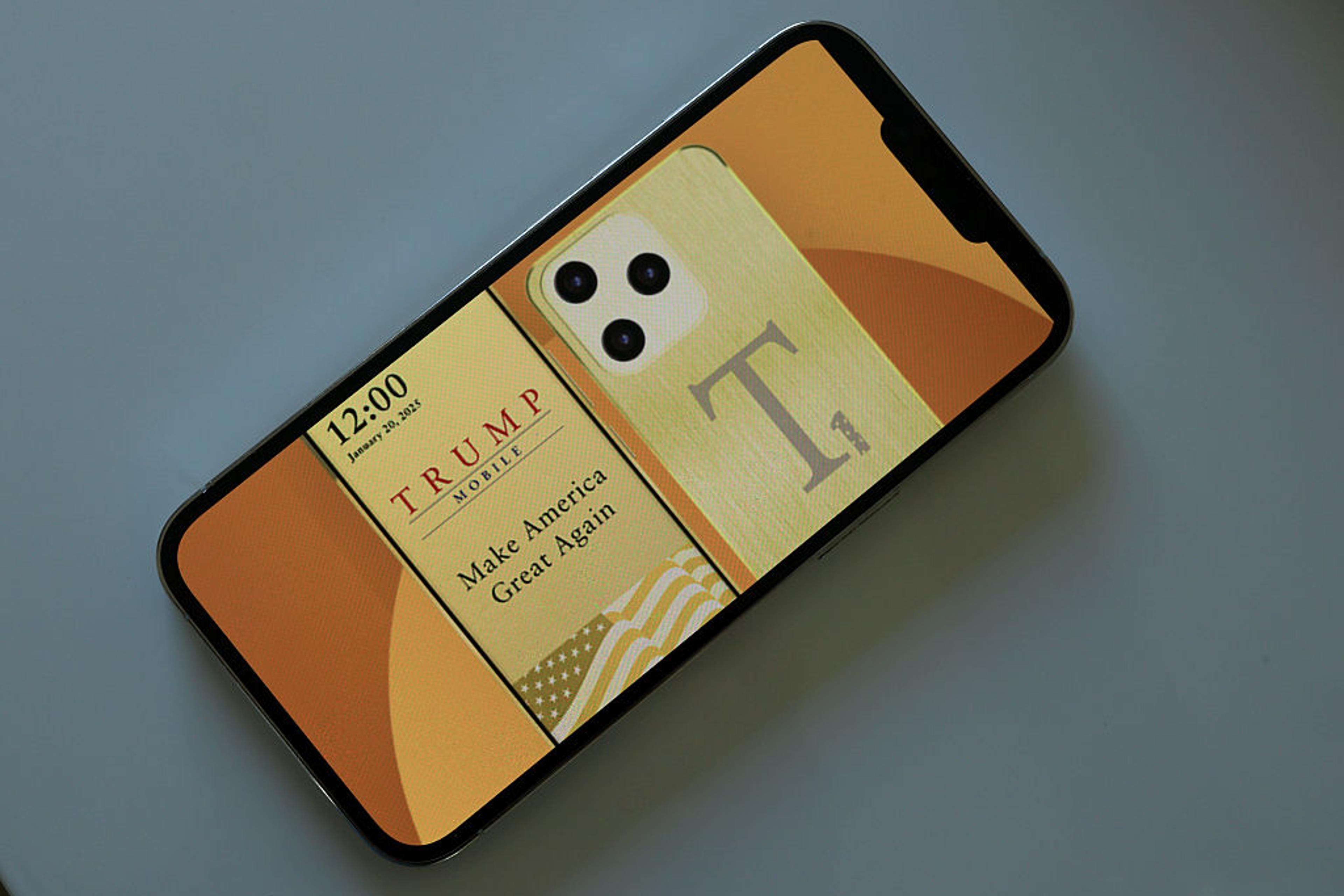
The Trump Mobile T1 Phone collapse represents a critical case study in preorder mismanagement that directly impacts cross-border e-commerce sellers offering hardware products. Trump Mobile collected approximately 600,000 preorders at $100 deposits each (totaling $60M in customer funds) for a $499 Android device announced in June 2025, with an initial August 2025 launch target. However, nearly nine months later, the device remains unreleased with no confirmed launch date. The company has repeatedly postponed timelines from summer 2025 to November, then December, then mid-March 2026, before removing any release date entirely from its website.
The most damaging shift involves both manufacturing transparency and legal liability disclaimers. Trump Mobile initially promised "all-American" manufacturing with customer service headquarters in St. Louis, but has since abandoned this claim, now using vague language like "designed with American values in mind" and "American-proud design"—notably avoiding any manufacturing location commitments. More critically, on April 6, 2026, Trump Mobile updated its Preorder Deposit Terms and Conditions to clarify that deposits provide only a "conditional opportunity at the company's discretion" and explicitly state that deposits do not constitute a purchase, create a contract, guarantee inventory allocation, or ensure the device will be produced. The company disclaims liability for delays caused by parts shortages or regulatory hold-ups.
For cross-border sellers, this case reveals three critical operational vulnerabilities. First, hardware preorders face unpredictable manufacturing timelines—parts sourcing, tariff impacts (the Trump Administration's tariff regimes directly influenced this shift away from US manufacturing), and regulatory compliance can extend timelines by 6-12 months. Second, customer frustration escalates rapidly when communication breaks down; Trump Mobile's silence to TIME magazine and lack of transparent updates triggered viral TikTok criticism from supporters, demonstrating that even loyal customer bases abandon brands during extended delays. Third, deposit-based preorder models create legal exposure—customers view deposits as purchase commitments, but vague T&Cs create disputes. The $60M in customer deposits represents significant liability if the product never launches or if refund requests flood the company.
Immediate seller implications span three categories: preorder strategy, supply chain transparency, and customer protection compliance. Sellers offering hardware preorders on Amazon, eBay, Shopify, or independent sites must establish clear manufacturing timelines with 30-60 day buffer periods, maintain transparent communication with weekly status updates, and ensure T&Cs explicitly define deposit status (refundable vs. non-refundable, timeline guarantees, cancellation policies). The Trump Mobile case demonstrates that even celebrity-backed ventures with massive preorder volumes cannot overcome manufacturing delays without eroding customer trust. Sellers should avoid vague language about manufacturing location or specifications, as this signals internal uncertainty and triggers consumer skepticism. Additionally, sellers must monitor tariff impacts on component sourcing—if manufacturing shifts from planned locations due to tariff regimes, customers expect immediate notification and options (refunds, alternative products, timeline extensions).
Questions 8
What preorder deposit terms should sellers include to avoid customer disputes?
Effective preorder T&Cs must clearly state: (1) Deposit amount and whether it's refundable, (2) Specific launch date or date range (avoid open-ended timelines), (3) Circumstances triggering refunds (manufacturing delays beyond 60 days, regulatory hold-ups, parts shortages), (4) Communication frequency (weekly updates minimum), and (5) Cancellation rights with timelines. Trump Mobile's disclaimer that deposits 'do not constitute a purchase' and 'do not guarantee inventory allocation' created legal ambiguity. Instead, use positive language: 'Deposit secures your place in production queue' or 'Refundable if launch delayed beyond [date].' Consult legal counsel on state/country-specific consumer protection laws before launching preorders.
How should sellers handle manufacturing location changes due to tariffs or supply chain disruptions?
Trump Mobile's shift from 'all-American manufacturing' to vague 'American-proud design' language demonstrates how manufacturing changes damage credibility. Sellers must immediately notify customers of any location changes, explain the business rationale (tariff impacts, parts availability), and offer options: refunds, timeline extensions, or alternative products. Silence or vague language signals internal uncertainty and triggers consumer skepticism. Best practice: Establish manufacturing partnerships with contractual guarantees, monitor tariff announcements monthly, and pre-communicate potential changes to customers before they occur. Transparency prevents the viral backlash Trump Mobile experienced.