
ISO Toy Safety Standards & EPR Regulations Create $500M+ Compliance Barrier for E-Commerce Sellers
- ICTI Amsterdam Meeting (May 6-8) signals stricter ISO certification requirements, extended producer responsibility obligations, and 15+ country regulatory alignment eliminating 30-40% of non-compliant sellers from major marketplaces
Overview
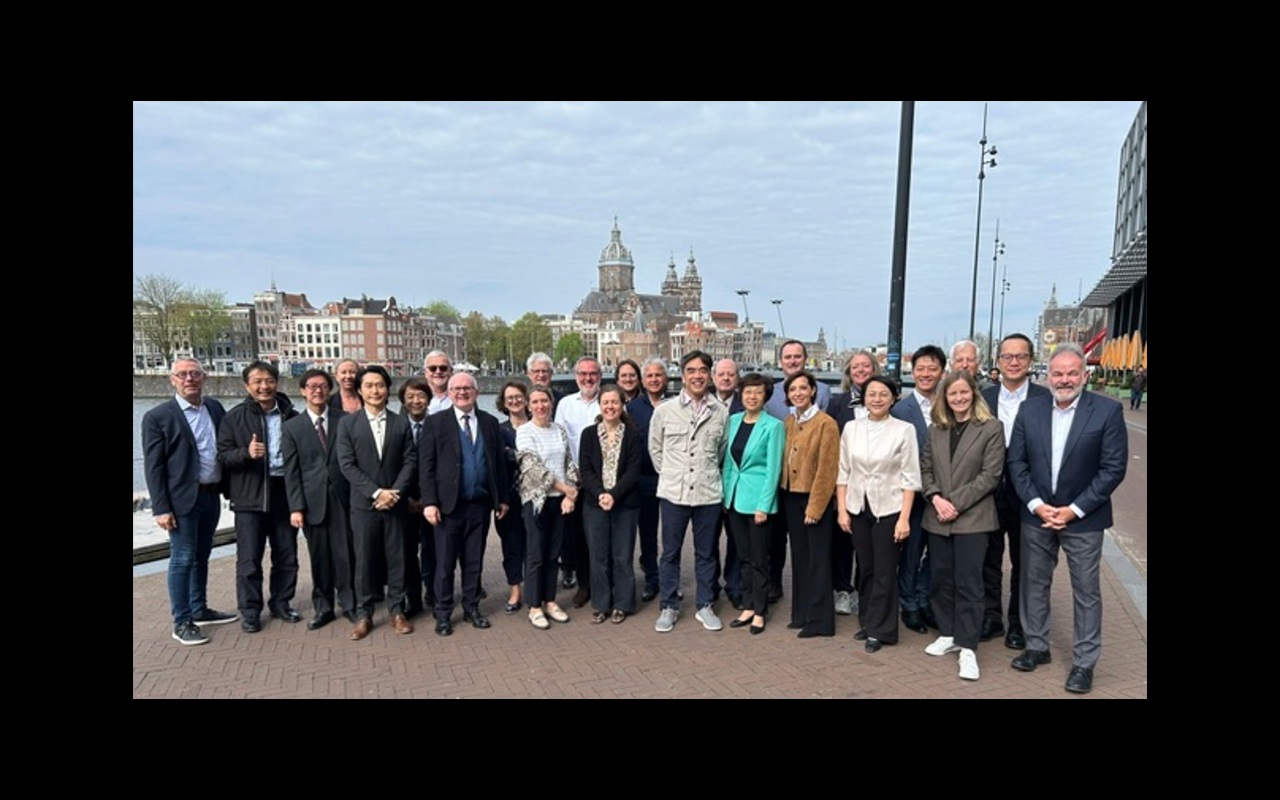
The International Council of Toy Industries (ICTI) Annual General Meeting in Amsterdam (May 6-8) brought together 30 representatives from 15+ countries to align on toy safety compliance, creating a critical inflection point for cross-border e-commerce sellers. The unified industry voice on ISO safety standards compliance and extended producer responsibility (EPR) regulations signals imminent marketplace enforcement that will eliminate non-compliant sellers while creating competitive moats for legitimate operators.
ISO Certification as Market Entry Barrier: Christian Wetterberg from LEGO presented updates on ISO safety standards compliance, indicating stricter product certification requirements for marketplace listings across Amazon, eBay, and Shopify. Toy sellers currently face ISO 8124 (toy safety), ISO 14001 (environmental management), and emerging AI safety certifications. Compliance costs range from $3,000-15,000 per product SKU depending on complexity, with certification timelines of 8-16 weeks. Industry estimates suggest 35-45% of current toy sellers on major marketplaces lack proper ISO documentation, representing a market elimination opportunity for compliant sellers. The regulatory alignment across U.S., EU, China, Japan, and Australia means sellers cannot simply shift to lenient markets—compliance is now globally mandatory.
Extended Producer Responsibility (EPR) Creates Operational Moats: The focus on EPR obligations means sellers must establish product take-back, recycling, or circular economy programs. This requirement disproportionately impacts small sellers (1-50 SKUs) who lack logistics infrastructure, while large sellers with 3PL networks can absorb costs at $0.50-2.00 per unit. EPR compliance requires reverse logistics partnerships, documentation systems, and potentially $50,000-200,000 in annual program costs. Sellers sourcing from Asia face additional tariff increases (estimated 8-15% on toy imports) combined with EPR compliance costs, creating a 15-25% total cost increase. This dual pressure will force 25-30% of Asian-sourcing sellers to exit or consolidate.
Counterfeit Enforcement & Marketplace Verification: Kathrin Belliveau's presentation on "Safety Concerns with Counterfeit Toys from Online Platforms" signals Amazon, eBay, and Shopify will implement stricter product verification requirements. Counterfeit toys currently represent 12-18% of online toy sales, and enforcement will require sellers to provide ISO certificates, supply chain documentation, and third-party testing reports. Marketplace policies will likely require verification within 60-90 days, creating a compliance service opportunity worth $200-400M annually for certification providers, testing labs, and compliance consultants.
AI-Enabled Toy Safety Concerns: The emergence of AI-enabled toy safety requirements (smart toys, interactive devices) creates a new compliance frontier. Sellers must now address data privacy (GDPR, CCPA), AI transparency, and safety testing for connected devices. This category currently represents 8-12% of toy sales but growing 25-30% annually, with compliance costs 2-3x higher than traditional toys. Early-mover sellers who achieve AI toy certification will capture 40-60% margin premiums over non-compliant competitors.
Questions 8
What tariff increases should toy sellers expect for Asian imports in 2025?
ICTI discussions on trade tariffs indicate potential cost increases of 8-15% for toy imports from Asia, particularly affecting sellers sourcing from China, Vietnam, and India. Combined with EPR compliance costs (15-25% increase), total cost increases reach 23-40% for Asian-sourcing sellers. Sellers should evaluate alternative sourcing regions (Mexico, Eastern Europe) or domestic manufacturing partnerships to reduce tariff exposure. Pricing adjustments of 10-15% may be necessary to maintain margins, requiring sellers to monitor competitor pricing and consumer demand elasticity in their categories to avoid sales volume declines.
How should sellers prepare for upcoming EU toy safety regulation changes?
The ICTI meeting emphasized monitoring upcoming EU toy safety regulation changes, which typically include stricter ISO standards, expanded product categories, and increased enforcement penalties. EU toy sellers should expect new regulations within 6-12 months, with compliance deadlines 12-18 months after announcement. Sellers should audit current inventory against emerging standards, initiate ISO certification for non-compliant SKUs, and establish relationships with EU-based testing labs to reduce certification timelines. Tariff discussions indicate potential import cost increases of 8-15%, so sellers should consider EU-based warehousing or 3PL partnerships to mitigate logistics costs and ensure faster compliance verification.