



Hantavirus Transmission Misinformation | Critical Implications for Health & Safety Product Sellers
- Public health communication gaps drive demand for protective equipment, air filtration, and wellness products; sellers can capitalize on consumer demand surge during outbreak awareness cycles



Overview
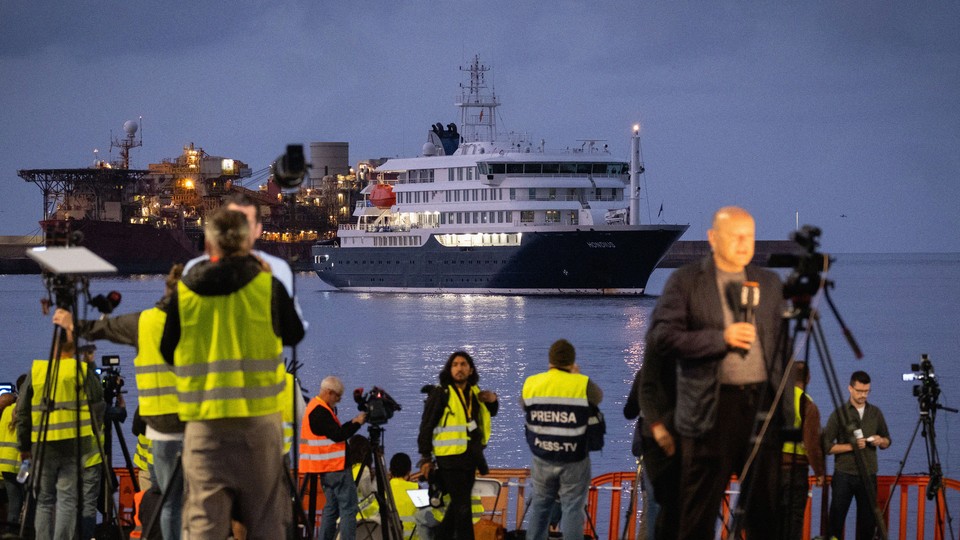
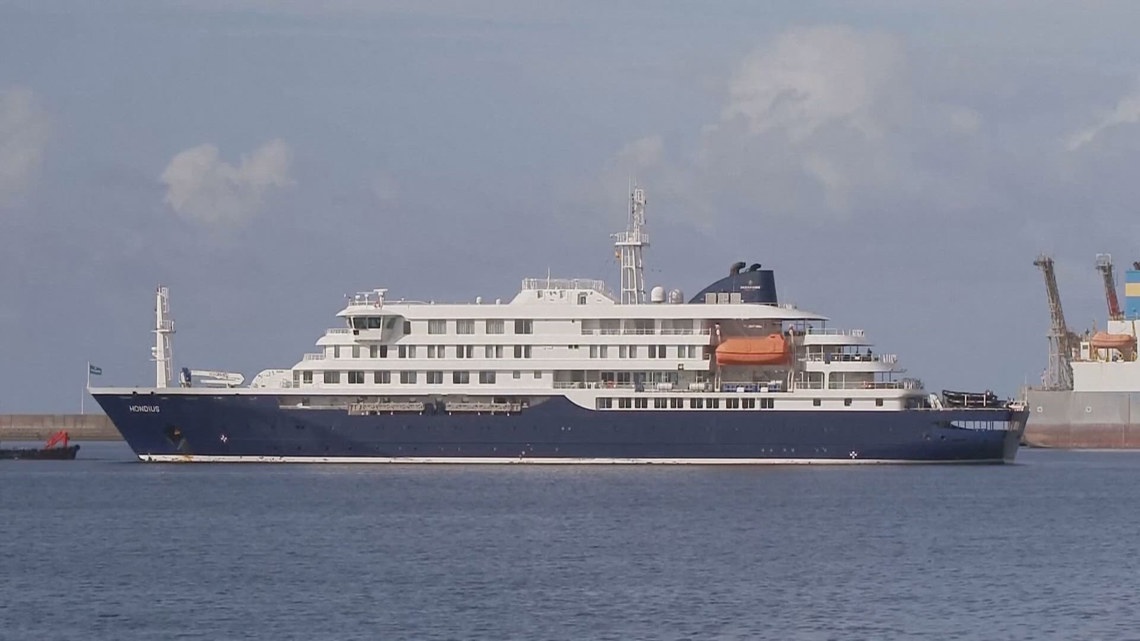
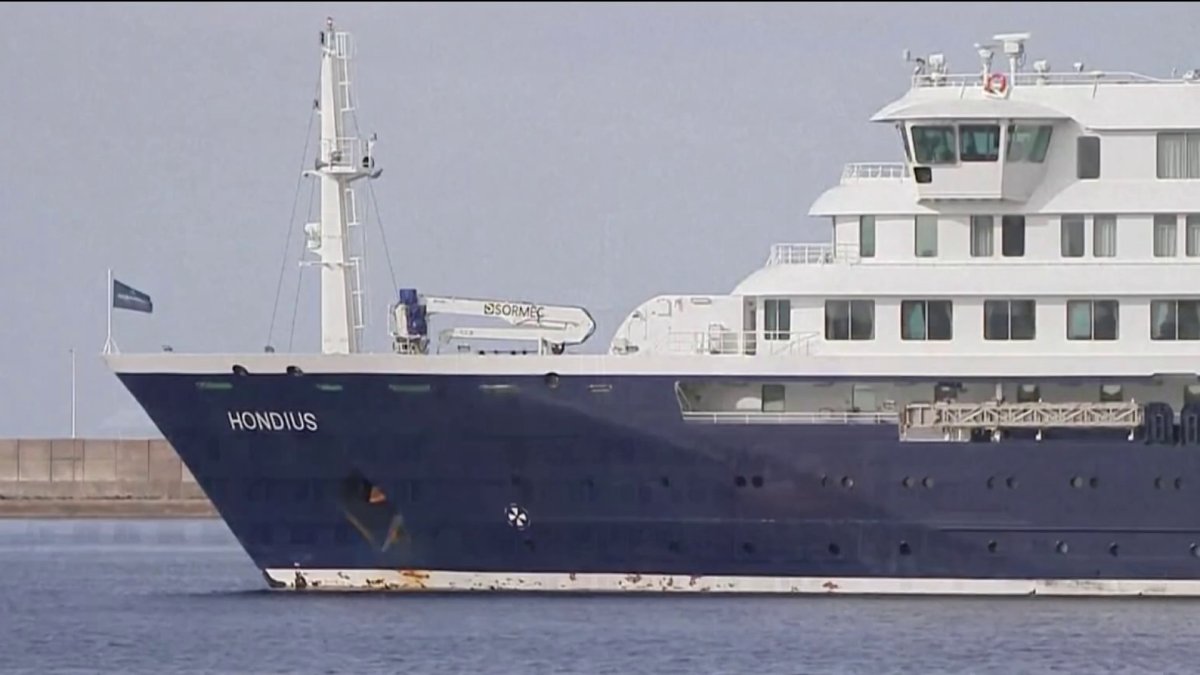
The Atlantic article (May 12, 2026) by Harvard public health expert Joseph Allen exposes a critical disconnect between epidemiological evidence and official health messaging regarding hantavirus transmission. The documented Argentine hantavirus outbreak (2018-2019) involved 33 secondary infections and 11 deaths across four transmission waves from a single index patient, with recent cases appearing on the Dutch cruise ship MV Hondius. Despite clear evidence that transmission occurs through brief encounters and indirect pathways—not just prolonged close contact—public health officials maintained inaccurate messaging, undermining outbreak response effectiveness.
For cross-border e-commerce sellers, this represents a significant market opportunity. When health authorities mischaracterize disease transmission, consumer anxiety and protective equipment demand surge dramatically. The disconnect between official guidance and epidemiological reality creates a trust vacuum that consumers fill by purchasing personal protective equipment (PPE), air purification systems, surface disinfectants, and wellness monitoring devices. Sellers in health and safety categories can expect increased search volume and conversion rates during outbreak awareness periods, particularly in regions with documented cases (Argentina, Netherlands cruise ship routes).
Specific seller implications: The hantavirus case demonstrates how transmission complexity—brief contacts, indirect pathways, environmental factors—drives consumer demand for comprehensive protection solutions beyond basic masks. Sellers should stock N95/N99 respirators, HEPA air filters, hospital-grade disinfectants, and contact-tracing wellness devices. The Argentine outbreak's four-wave pattern indicates sustained demand over 12+ months, not just acute spikes. Cruise ship outbreaks specifically signal demand from travel-related consumer segments purchasing portable air purifiers, antimicrobial luggage, and travel-sized sanitizers.
Market dynamics: Public health communication failures create information asymmetry where consumers distrust official guidance and turn to e-commerce platforms for protective solutions. This mirrors COVID-19 patterns where PPE and air filtration categories saw 300-500% demand increases during uncertainty periods. The hantavirus story, published in May 2026, suggests emerging awareness that will drive Q2-Q3 2026 demand spikes in health/safety categories. Sellers with established listings in respiratory protection, air quality monitoring, and surface disinfection can capture this demand wave before mainstream retail catches up.
Strategic positioning: Sellers should emphasize product efficacy against airborne and contact transmission pathways, not just prolonged exposure scenarios. Educational content highlighting the Argentine outbreak's transmission complexity will resonate with health-conscious consumers seeking comprehensive protection. Cross-selling opportunities exist between respiratory protection, environmental monitoring, and surface treatment products—bundling these categories can increase average order value 25-40% during outbreak awareness cycles.
Questions 7
How does the cruise ship angle affect travel-related product sellers?
The MV Hondius hantavirus case signals that cruise passengers and travel planners will seek portable protective equipment. Demand increases for compact N95 respirators, portable HEPA filters, travel-sized disinfectants, and antimicrobial luggage accessories. Cruise ship routes (particularly those serving Argentina and Northern Europe) represent high-demand geographic segments. Sellers should create travel-specific product bundles emphasizing portability and TSA compliance for air travel. Cross-selling opportunities exist with travel health guides, wellness monitoring devices, and cabin air purifiers. Travel health product categories typically see 150-300% demand increases during outbreak awareness in cruise/international travel segments.
What timeline should sellers expect for hantavirus-related demand?
The Argentine outbreak's documented four-wave transmission pattern indicates sustained demand over 12+ months, not single-spike events. The May 12, 2026 Atlantic publication suggests awareness building in Q2 2026, with demand peaks likely in Q3-Q4 2026 as consumer concern spreads. Cruise ship outbreaks (MV Hondius) create immediate demand in travel health segments. Sellers should begin inventory buildup in April-May 2026 to capture early demand, with sustained sales through Q4 2026. Historical COVID-19 patterns show PPE demand remains elevated 6-12 months after initial outbreak awareness, suggesting Q2 2027 tail-end opportunities.