


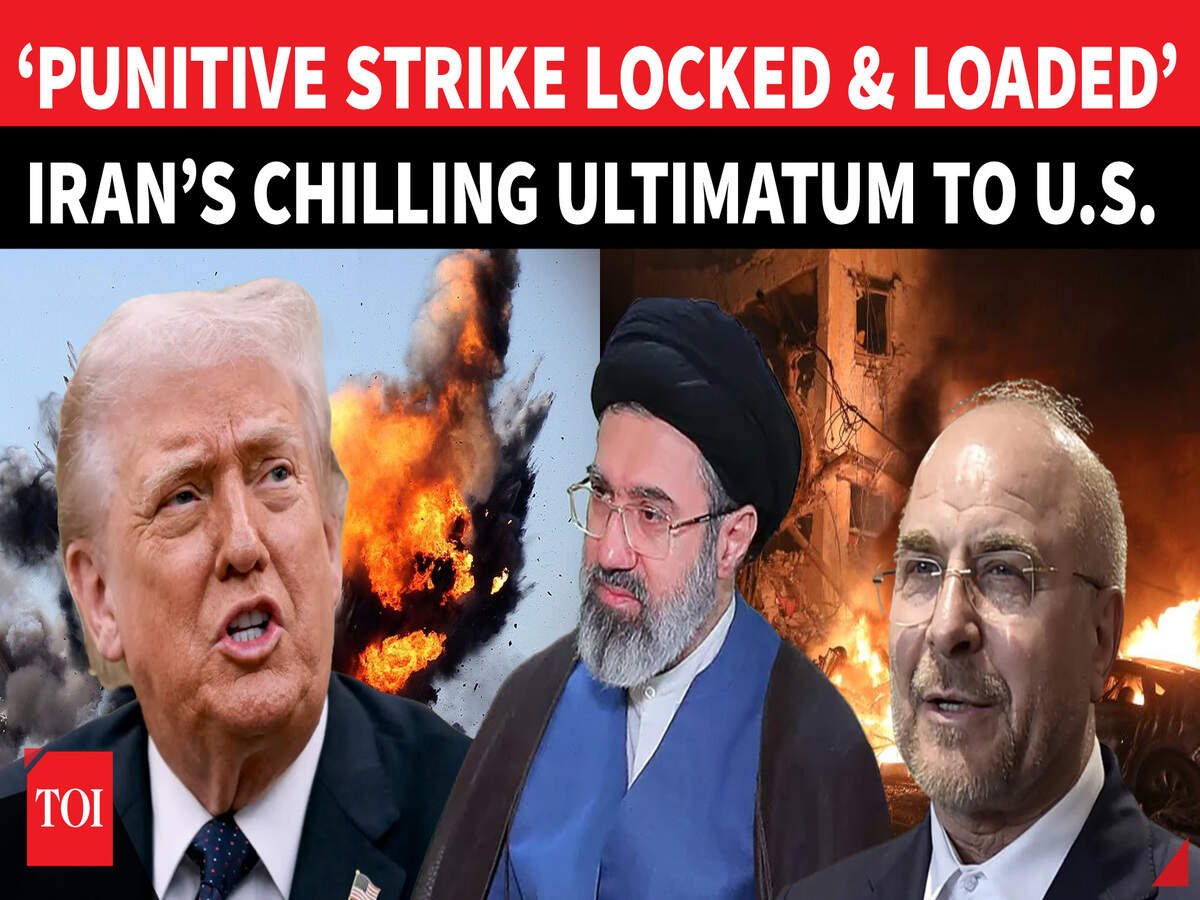

Strait of Hormuz Shipping Crisis | Diesel Costs Surge 15-25%, Seller Logistics Expenses Jump
- Global energy crisis triggers shipping delays and cost increases affecting cross-border sellers; UK-France coalition mobilizes 40 nations to restore trade flows through critical corridor
)






)
)


















Overview
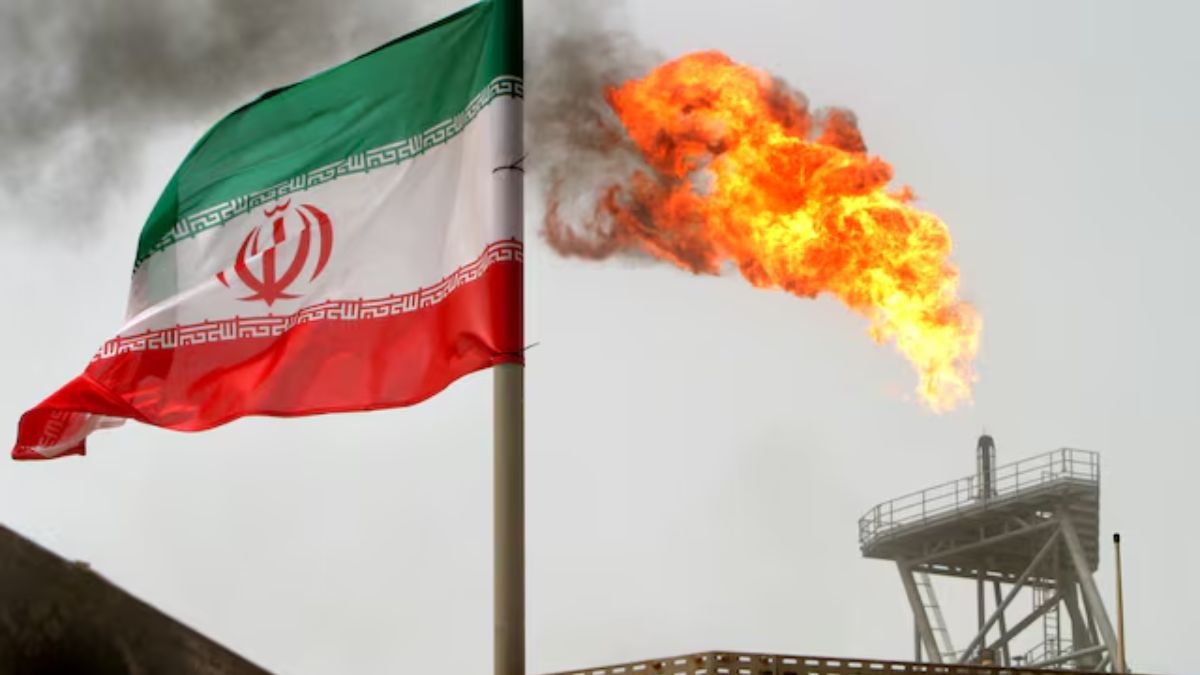
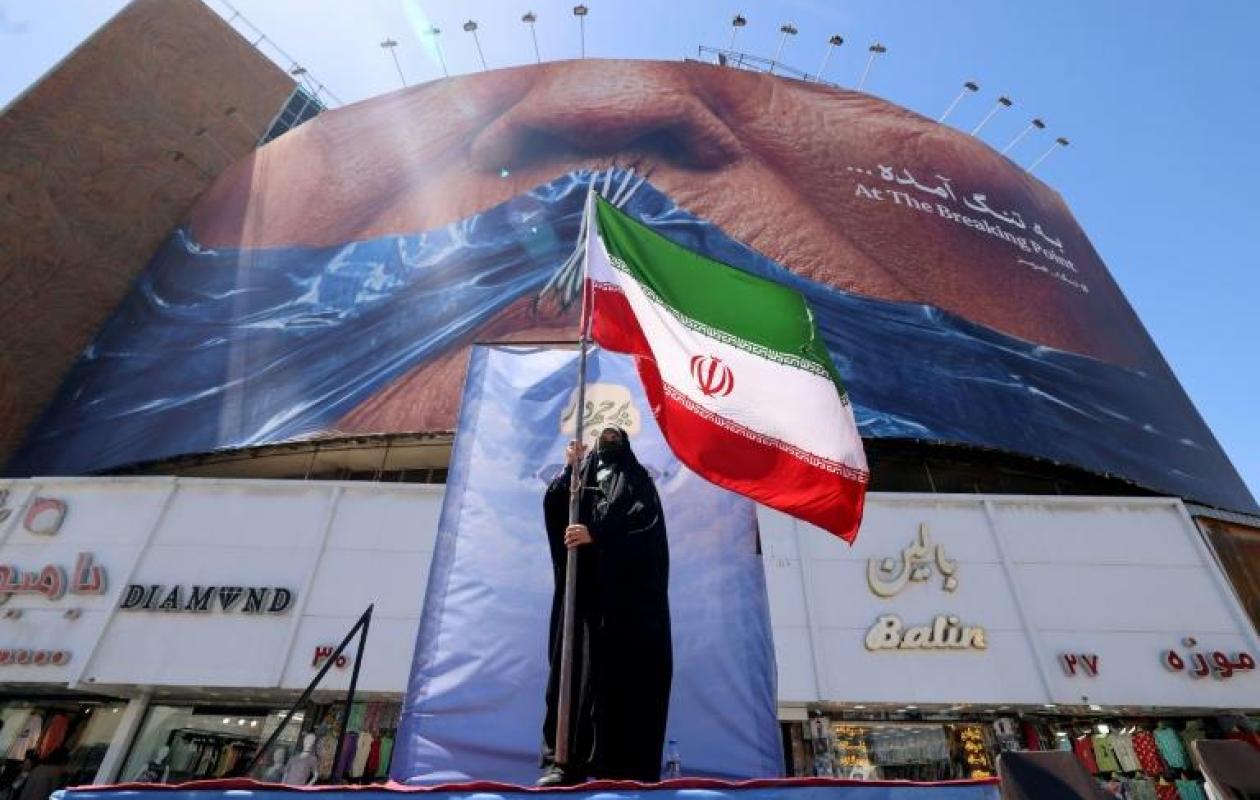
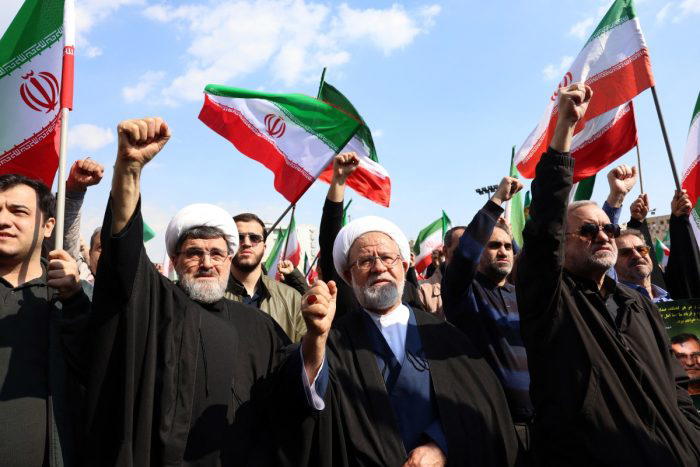
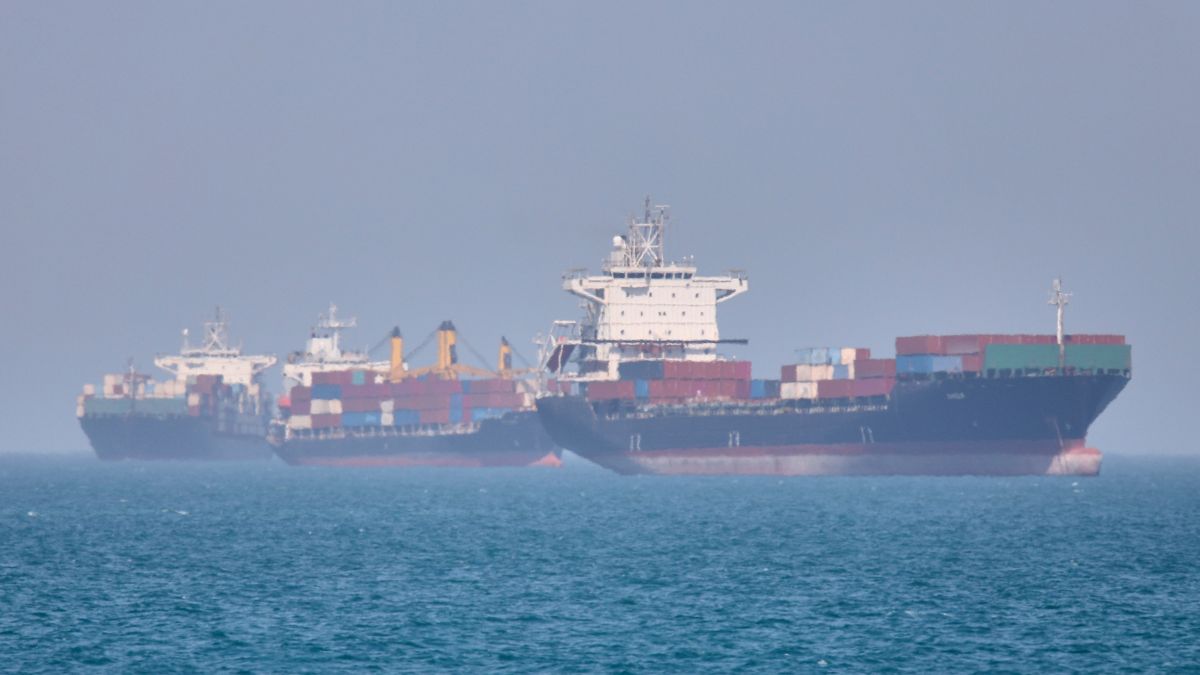
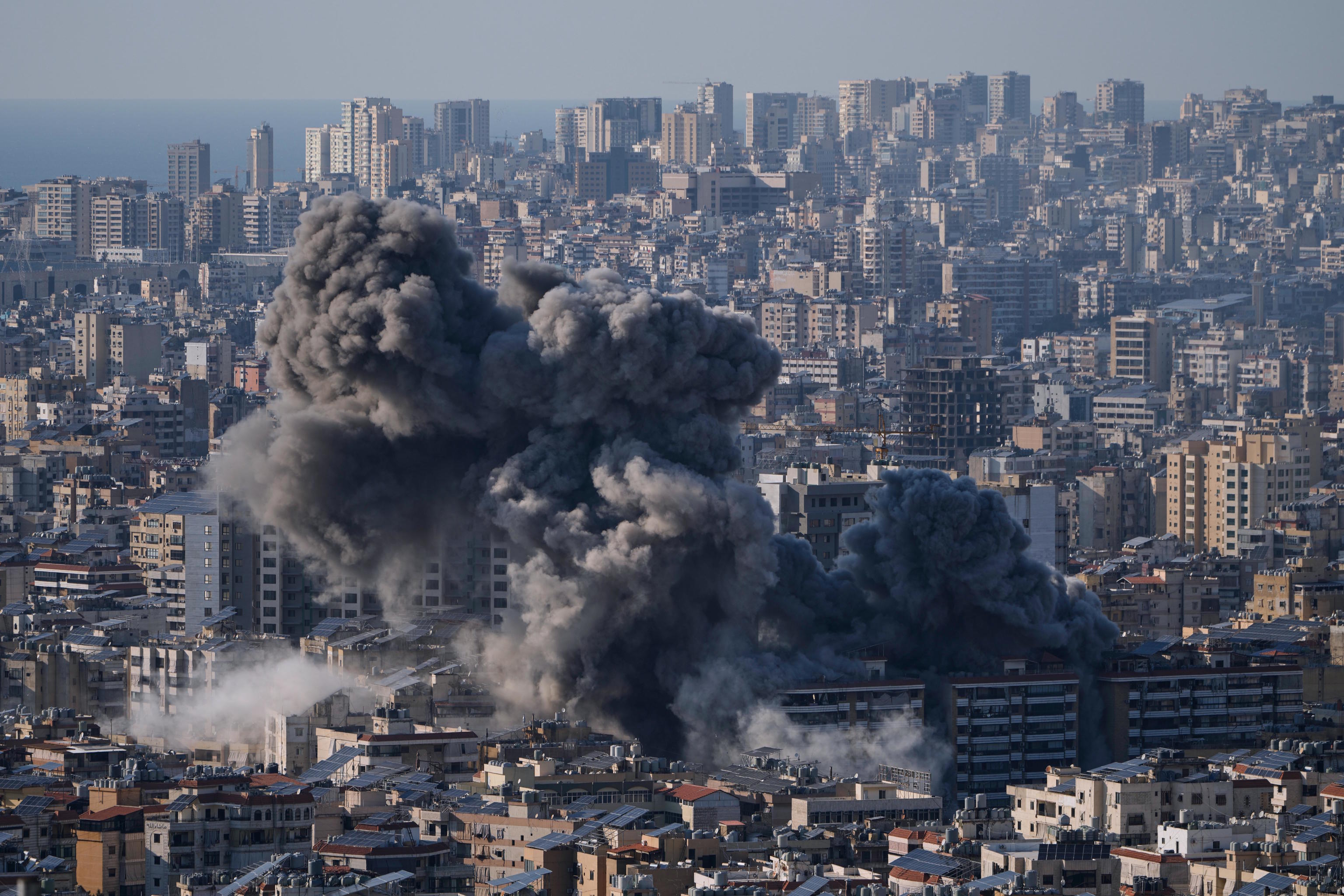
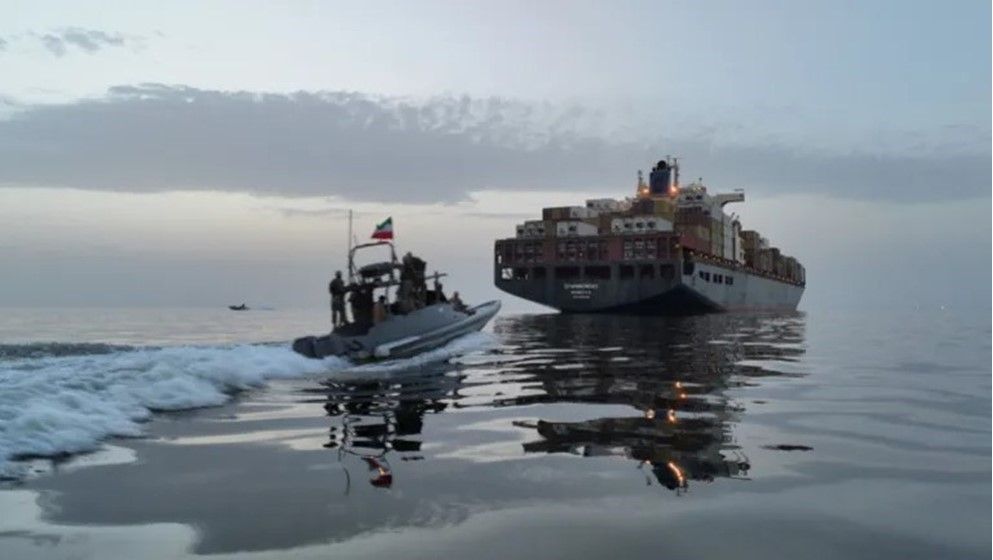
The escalating US-Iran geopolitical conflict, now in its 74th day as of May 12, 2026, has created a critical logistics crisis for cross-border e-commerce sellers through sustained disruptions at the Strait of Hormuz, a chokepoint handling approximately 21% of global maritime petroleum trade. The ceasefire agreement that took effect April 8 remains "on life support" according to Trump administration statements, with Iran threatening military retaliation and demanding sanctions repeal while the US maintains nuclear weapons prevention as non-negotiable. This instability has triggered a cascading global energy crisis with direct operational impacts: diesel costs affecting shipping have surged 15-25% across US transport corridors, while international shipping rates through alternative routes have increased 8-12% due to longer transit times avoiding the Strait.
For cross-border sellers, the immediate impact manifests in three critical areas: First, fulfillment cost compression is affecting sellers using 3PL providers and FBA services, with monthly logistics expenses increasing $150-400 for sellers shipping 500+ units monthly to US markets. Sellers relying on Asia-Pacific sourcing face extended lead times of 2-4 weeks as container ships reroute around Africa, forcing inventory planning adjustments and increased working capital requirements. Second, energy-dependent product categories face margin pressure—electronics, appliances, and temperature-controlled goods (HS codes 8471-8517, 8516-8521) experience higher manufacturing and shipping costs, compressing gross margins by 5-8% for sellers without pricing flexibility. Third, regional market dynamics are shifting: UK and France are convening defense ministers from 40 countries to restore trade flows, signaling potential tariff relief corridors and alternative shipping agreements that could benefit sellers positioned in European hubs.
Strategic sourcing implications are emerging: New US and UK sanctions targeting Iranian oil sales to China create opportunities for sellers to shift supply chains from China-dependent routes to Vietnam, India, and Southeast Asian suppliers who can access alternative shipping corridors. Sellers currently sourcing from China face 3-6 week delays and 12-18% cost increases; those who pivot to Vietnam-based suppliers can reduce shipping costs by 6-10% through shorter routes and lower fuel surcharges. The geopolitical uncertainty also creates demand spikes in specific product categories: emergency preparedness items (generators, water filters, first-aid kits), energy-efficient appliances, and alternative fuel products historically see 30-50% sales increases during global energy crises. Sellers in these categories should expect inventory velocity to accelerate through Q2-Q3 2026 as consumers hedge against further disruptions.
Questions 8
Should sellers shift sourcing from China to Vietnam due to the Strait of Hormuz crisis?
Yes, sellers currently sourcing from China face 3-6 week delays and 12-18% cost increases due to longer shipping routes. Vietnam-based suppliers offer 6-10% shipping cost reductions through shorter routes and lower fuel surcharges, plus faster lead times of 2-3 weeks. However, this shift requires 4-8 weeks to establish new supplier relationships and quality control processes. Sellers should prioritize this transition for high-volume categories (electronics, textiles, home goods) where cost savings exceed transition costs. New US and UK sanctions targeting Iranian oil sales to China create additional incentive for supply chain diversification.
Which product categories benefit most from the global energy crisis and shipping disruptions?
Emergency preparedness products (generators, water filters, first-aid kits, HS code 9406-9406), energy-efficient appliances (HS codes 8516-8521), and alternative fuel products historically see 30-50% sales increases during global energy crises. Temperature-controlled goods and electronics also experience demand spikes as consumers upgrade to more efficient models. Sellers in these categories should expect inventory velocity to accelerate through Q2-Q3 2026. However, these same categories face 5-8% margin compression due to higher manufacturing and shipping costs, so pricing strategy becomes critical to maintain profitability.