

Geopolitical Inflation Crisis 2025-2026 | Cross-Border Sellers Face 20%+ Shipping Cost Surge
- Iran tensions drive 3.8% US inflation, beef prices spike 4-year high, shipping costs surge 20.7% YoY, consumer purchasing power erodes as wage growth lags price increases for first time in 3 years





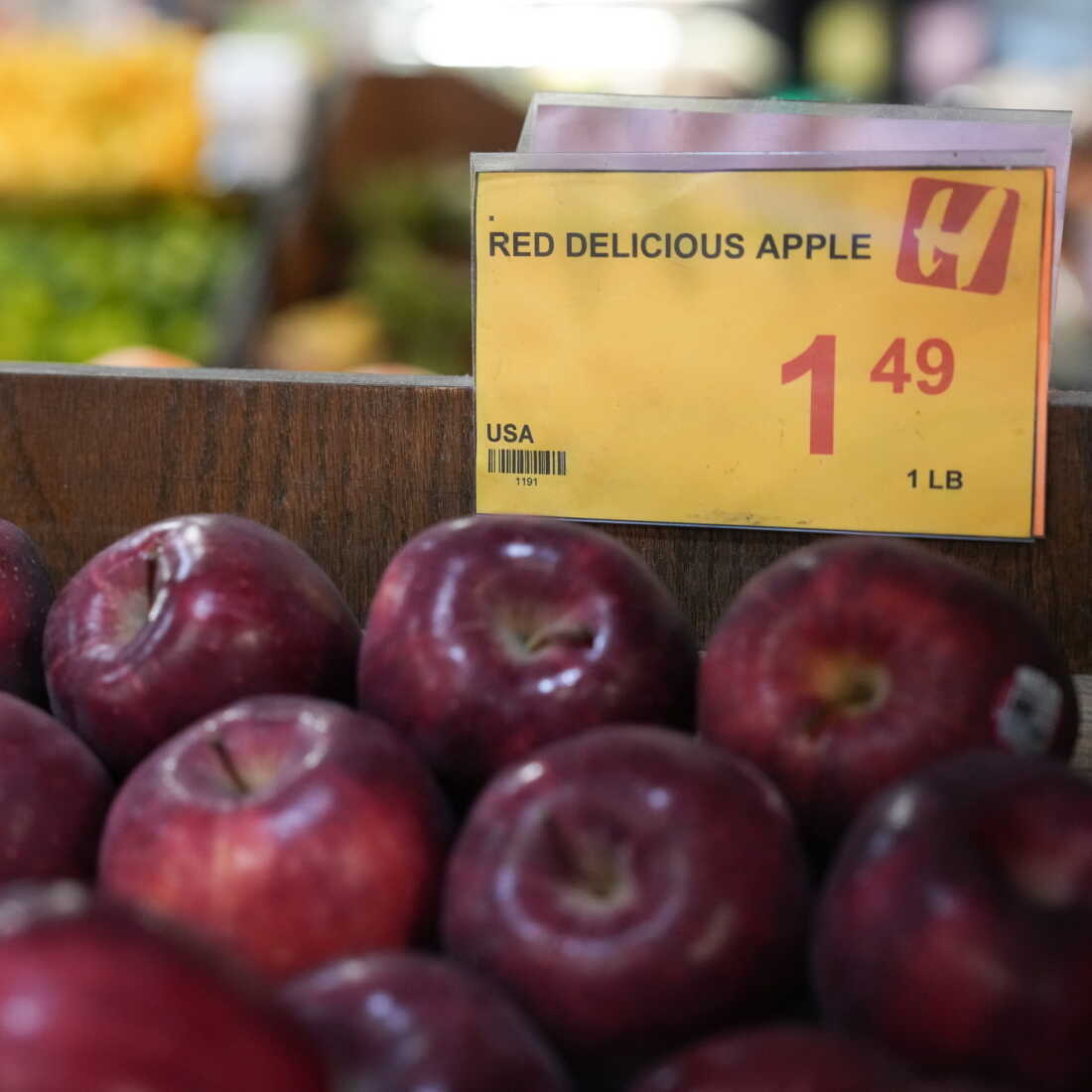









Overview
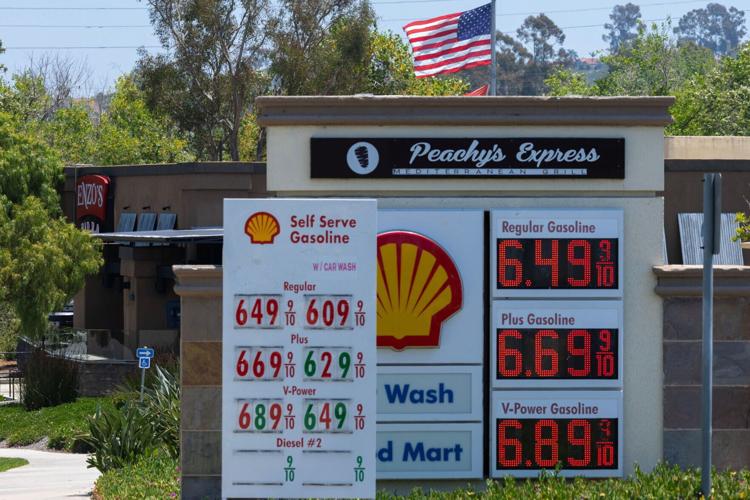
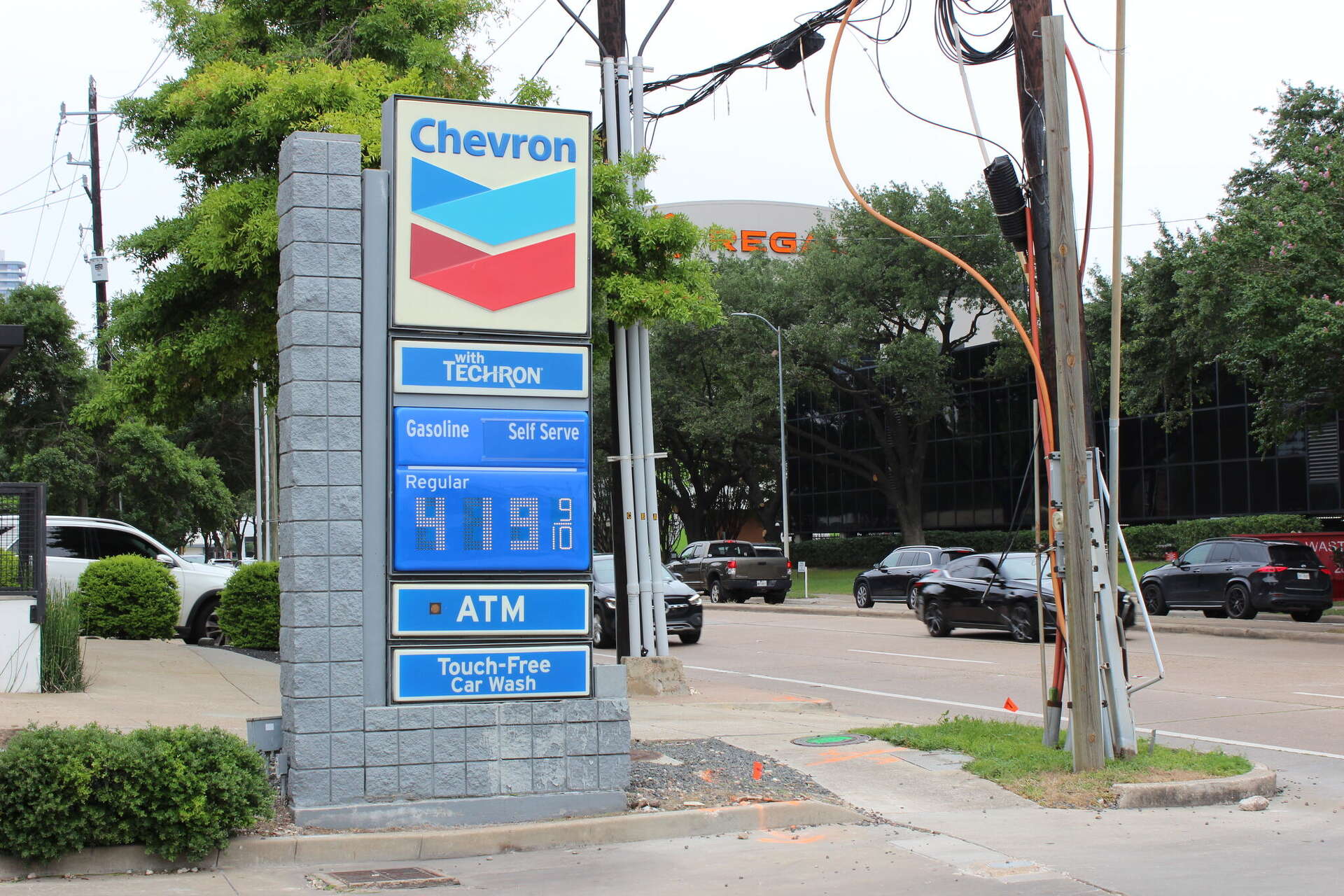
The convergence of geopolitical conflict in Iran and domestic inflation creates a perfect storm for cross-border e-commerce sellers. Between April 2025 and April 2026, US inflation accelerated from near-zero to 3.8%—the highest rate since May 2023—driven primarily by energy cost shocks stemming from regional tensions. The closure of the Strait of Hormuz, a critical global shipping corridor, disrupted oil supply chains and triggered cascading price increases across multiple consumer categories. Gasoline prices reached $4.50 per gallon (highest since July 2022), while beef and protein products experienced their fastest price increases in nearly four years, creating widespread consumer dissatisfaction and budget pressure.
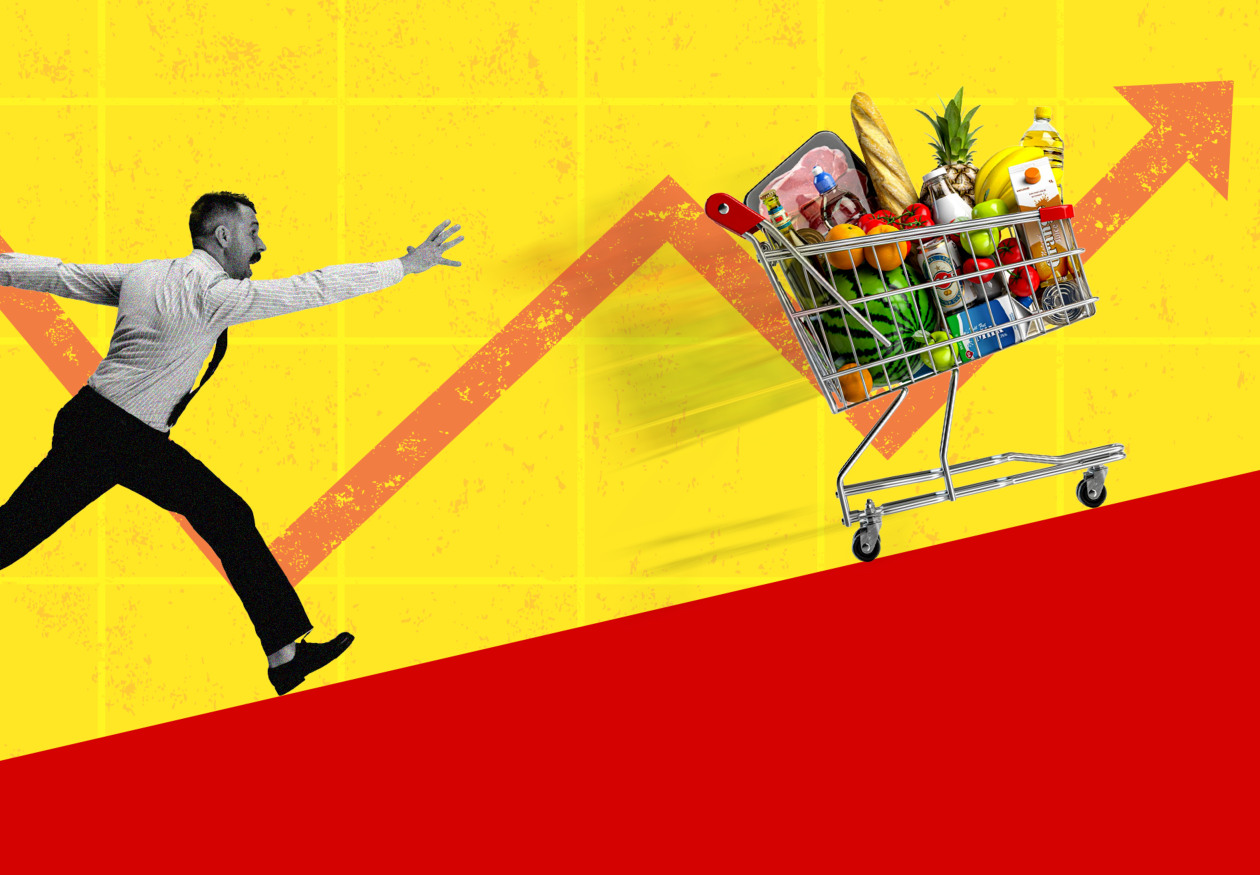
For cross-border e-commerce sellers, this inflation environment creates a dual operational crisis: rising input costs combined with collapsing consumer purchasing power. Shipping costs have escalated dramatically due to elevated fuel prices, with air freight costs becoming particularly acute. Average airfares rose 20.7% year-over-year, directly impacting international logistics expenses for sellers relying on expedited delivery. Simultaneously, American consumer purchasing power has weakened significantly—wage growth (3.6% annually) now lags behind price increases for the first time in three years. This purchasing power erosion directly reduces consumer spending on discretionary items, compressing demand across most e-commerce categories. The Federal Reserve's decision to maintain higher interest rates longer than previously anticipated increases borrowing costs for sellers relying on credit for inventory financing and business expansion, creating a margin squeeze from multiple directions.
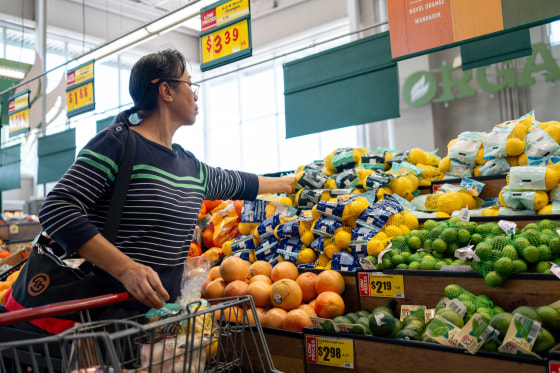
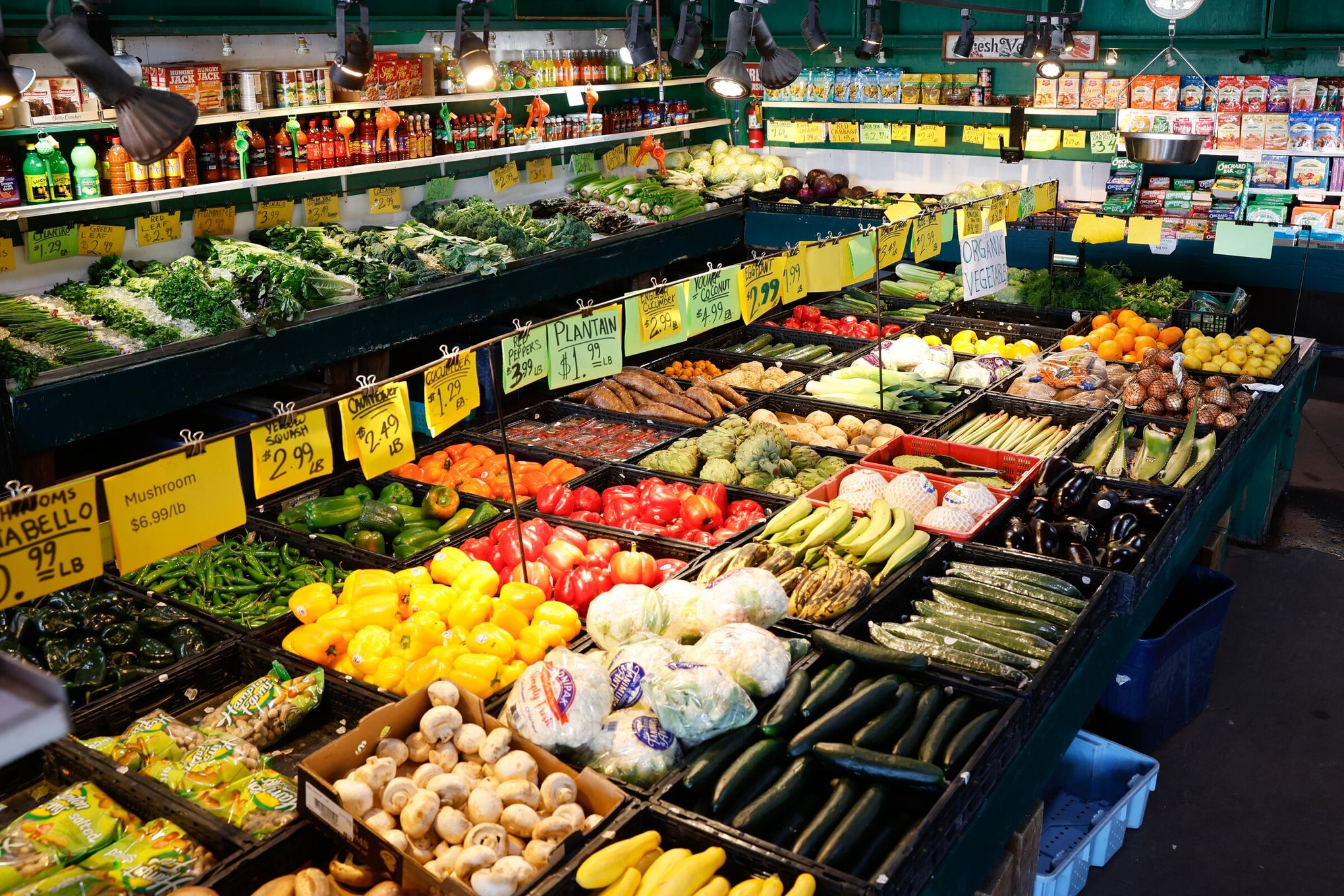
The strategic implications differ sharply by seller segment and product category. Sellers in the grocery and food vertical face margin compression from rising wholesale costs for beef, proteins, and agricultural commodities, while simultaneously experiencing increased competition as price-sensitive consumers migrate to online channels for better deals. However, this creates a counter-opportunity: demand for value-oriented shopping alternatives and bulk purchasing options is accelerating. Sellers sourcing products internationally must immediately reassess their 3PL provider contracts, as shipping costs have become a primary profit driver. The combination of elevated shipping costs, reduced consumer purchasing power, and persistent interest rate pressure creates a challenging operating environment requiring aggressive margin management and inventory optimization. Sellers should prioritize sourcing from lower-cost regions (Vietnam, India, Mexico) to offset shipping cost increases, while simultaneously shifting product mix toward essential categories where demand remains resilient despite inflation.
Questions 8
How much have shipping costs increased for cross-border e-commerce sellers due to Iran tensions?
Air freight costs have surged dramatically, with average airfares rising 20.7% year-over-year as of April 2026. The closure of the Strait of Hormuz—a critical global trade route—disrupted oil supply chains and triggered cascading fuel price increases. Gasoline prices reached $4.50 per gallon nationally, the highest level since July 2022. For sellers relying on expedited international shipments, these fuel surcharges directly compress profit margins on every order. Sellers should immediately audit their 3PL contracts for fuel surcharge clauses and consider shifting to slower, cheaper ocean freight for non-urgent inventory.
How should sellers adjust their product sourcing strategy in response to geopolitical inflation?
Sellers should prioritize sourcing from lower-cost regions to offset elevated shipping costs. Vietnam, India, and Mexico offer 15-25% lower manufacturing costs compared to China, which can partially offset the 20%+ shipping cost increases. The news indicates that tariff policies and agricultural pricing mechanisms influence retail food costs, suggesting that sourcing country selection directly impacts final product pricing. Sellers in the grocery vertical should evaluate alternative suppliers for beef, proteins, and agricultural commodities to manage wholesale cost volatility. Consider shifting 20-30% of inventory to nearshoring strategies (Mexico for US market, Vietnam for Asia-Pacific) to reduce shipping distances and fuel surcharge exposure.