



Ukraine Drone Export Boom Opens $55B Defense Supply Chain | Cross-Border Seller Opportunities
- Ukraine projects $55B defense production capacity by 2026; 3M+ low-cost drones planned; 20 countries negotiating deals; creates component sourcing and logistics opportunities for cross-border sellers



























Overview
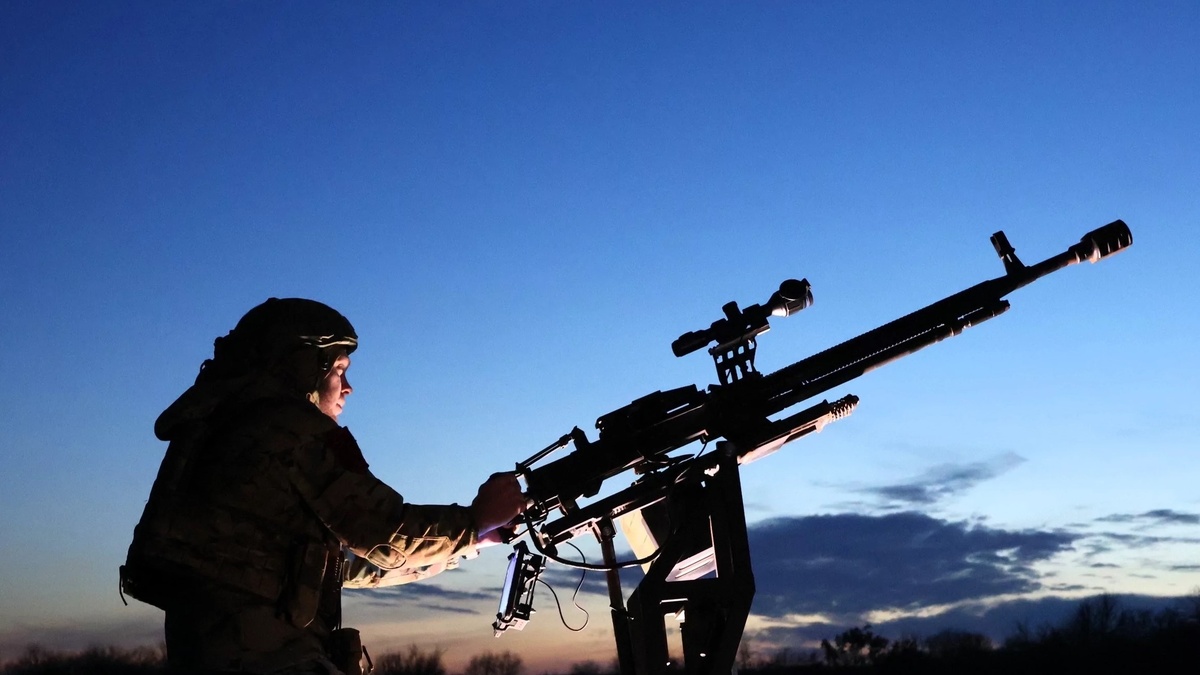
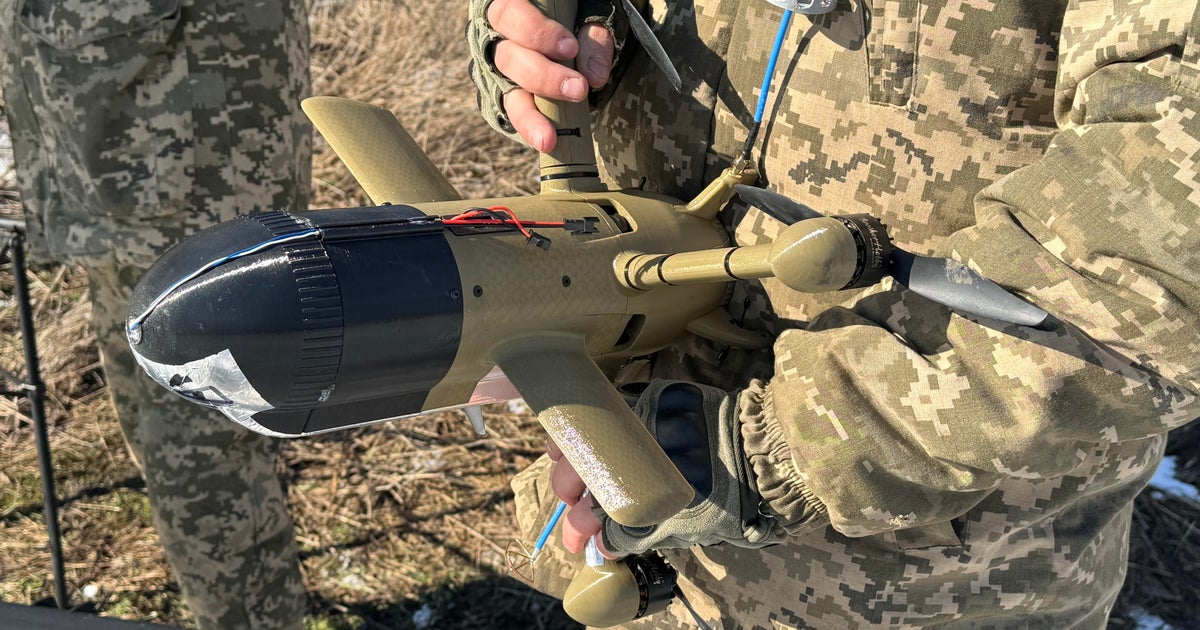
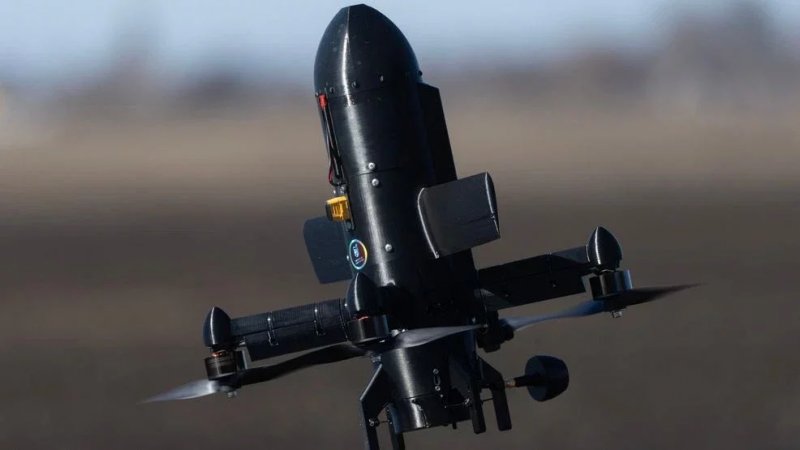
Ukraine's landmark defense partnership with the U.S. and 20+ international buyers represents a transformative geopolitical shift with direct implications for cross-border e-commerce supply chains and logistics infrastructure. The U.S.-Ukraine memorandum of understanding enables joint drone manufacturing ventures, with Ukraine planning to produce 3 million low-cost first-person-view military drones in 2026 versus U.S. production of 300,000. Ukraine's National Security Council projects defense production capacity reaching $55 billion by 2026, though current funding supports only $15 billion in annual weapons purchases. This $40 billion capacity gap signals massive expansion in manufacturing, component sourcing, and logistics operations across Eastern Europe, the Middle East, and Western markets.
For cross-border sellers, this creates three immediate supply chain opportunities: First, component sourcing arbitrage emerges as Ukrainian defense manufacturers scale production. Companies like General Cherry and Sine Engineering require electronics, materials, and specialized components—categories where sellers can source from Asia-Pacific suppliers and distribute to Ukrainian manufacturers or their U.S. partners. The Pentagon's $1.1 billion Drone Dominance initiative and U.S.-Ukraine Reconstruction Investment Fund create procurement channels for industrial suppliers. Second, logistics and fulfillment expansion becomes critical as Ukraine signs defense agreements with Saudi Arabia, Qatar, UAE, Germany, Norway, and the Netherlands (with 16+ additional countries in negotiation as of May 2026). This geographic diversification requires 3PL providers, customs brokers, and logistics coordinators—services cross-border sellers can bundle with product offerings. Third, dual-use technology commercialization accelerates as the news explicitly states drone technology will have "civilian and industrial uses" in agriculture, infrastructure inspection, and logistics. Sellers can capitalize on emerging demand for commercial drone accessories, spare parts, and agricultural drone components as military technology transitions to civilian markets.
The competitive advantage window is narrow and time-sensitive. Export restrictions remain in place pending intellectual property protection (expected Q3-Q4 2026), meaning early-mover sellers who establish relationships with Ukrainian manufacturers before full export liberalization gain preferred supplier status. The $40 billion production capacity gap indicates supply shortages will persist through 2026-2027, creating premium pricing opportunities for component suppliers. Sellers based in EU countries (Germany, Poland, Czech Republic) have geographic advantage for supplying Ukrainian manufacturers, while U.S.-based sellers can position as intermediaries for American defense contractors participating in joint ventures. The 20-country buyer network (Saudi Arabia, Qatar, UAE, Germany, Norway, Netherlands) represents emerging markets for logistics services, customs documentation, and supply chain management tools—services that cross-border sellers can monetize through B2B platforms or direct partnerships.
Questions 8
Which geographic markets are opening for logistics and fulfillment services due to Ukraine's defense deals?
Ukraine has signed formal defense agreements with Saudi Arabia, Qatar, UAE, Germany, Norway, and the Netherlands, with approximately 20 countries total in negotiation as of May 2026. This geographic diversification creates demand for customs brokerage, 3PL coordination, and logistics management across three regions: Middle East (Saudi Arabia, Qatar, UAE), Western Europe (Germany, Norway, Netherlands), and Eastern Europe (Ukraine hub). Cross-border sellers can bundle logistics services with product offerings or establish B2B partnerships with 3PL providers serving these corridors. The Middle East market is particularly attractive given existing defense procurement infrastructure and higher margins for specialized logistics services.
How does Ukraine's $55B defense production capacity create sourcing opportunities for cross-border sellers?
Ukraine's National Security Council projects $55 billion in defense production capacity by 2026, but current funding only supports $15 billion in annual purchases—creating a $40 billion supply gap. This gap must be filled through component sourcing, materials procurement, and manufacturing services. Cross-border sellers can source electronics, specialized materials, and industrial components from Asia-Pacific suppliers and distribute to Ukrainian defense manufacturers or their U.S. partners like Wilcox Industries. The Pentagon's $1.1 billion Drone Dominance initiative creates formal procurement channels. Sellers with existing relationships in electronics, materials science, or industrial components should establish direct outreach to Ukrainian manufacturers before export restrictions fully lift in Q3-Q4 2026.