



Persian Gulf Port Tensions & Ukraine Peace Talks Reshape Global Shipping Corridors | Seller Logistics Alert
- Strait of Hormuz disruption risks threaten 21% of global maritime trade; Ukraine peace could unlock $8B+ Eastern European market access within 6 months






















Overview
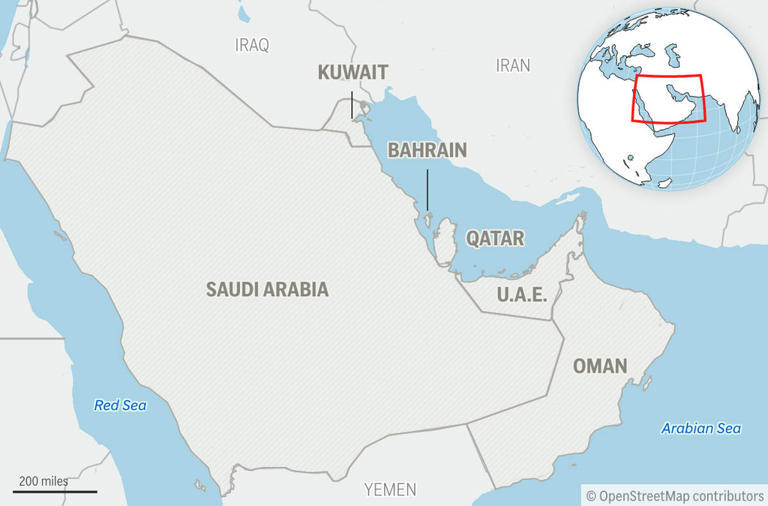
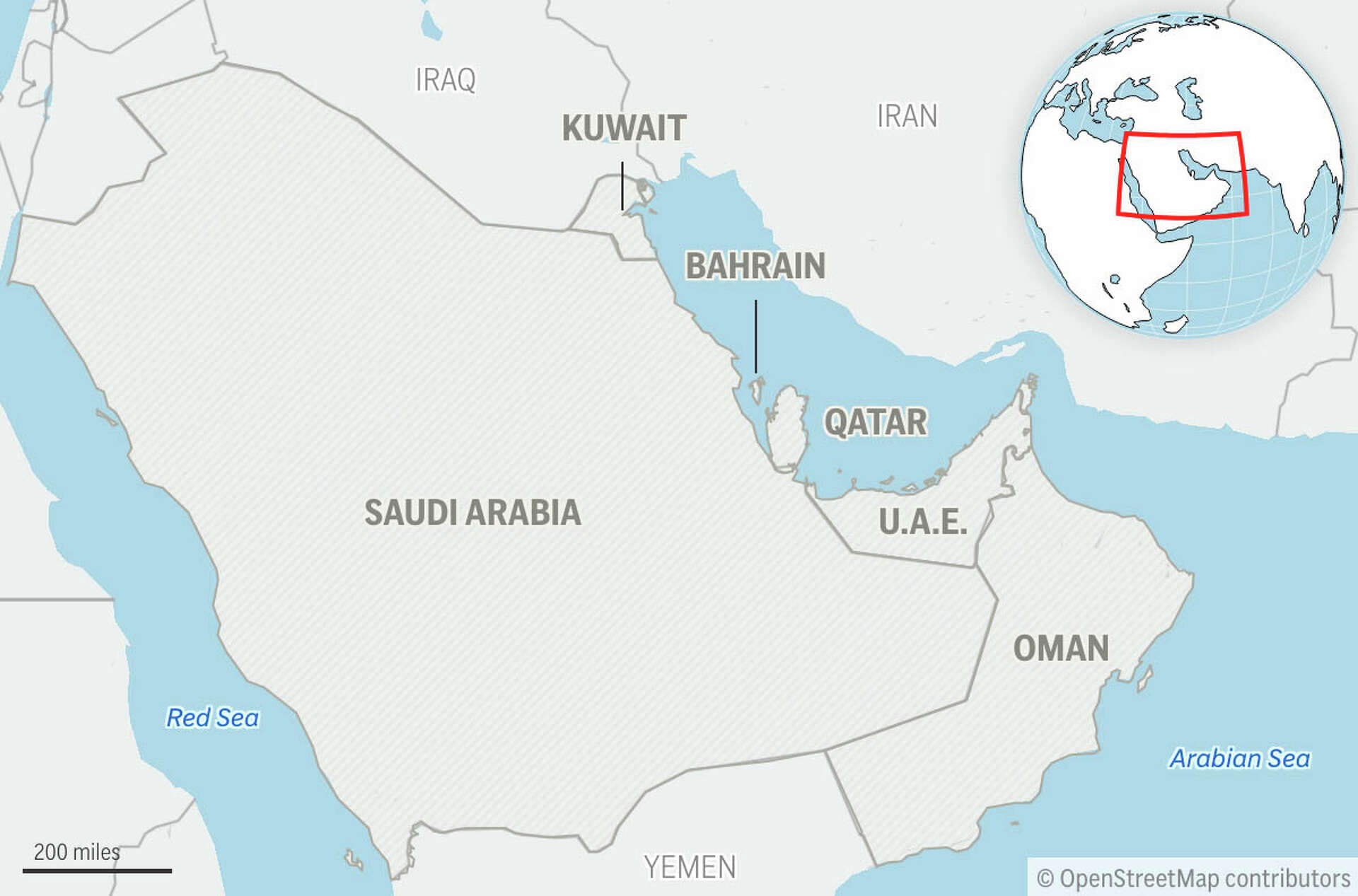
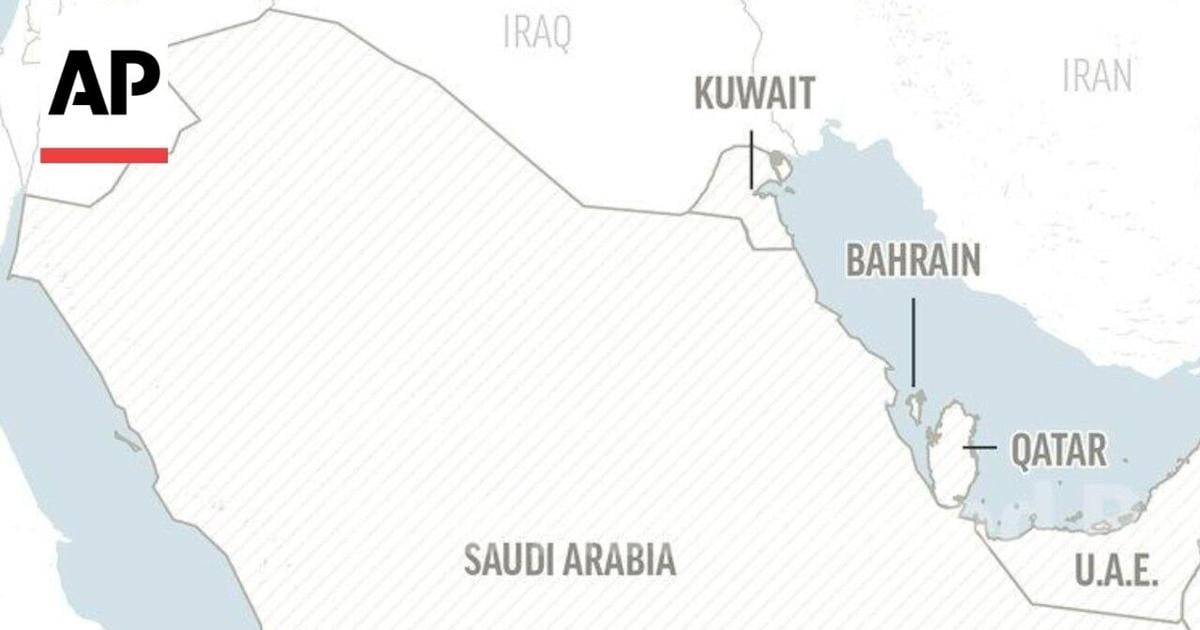
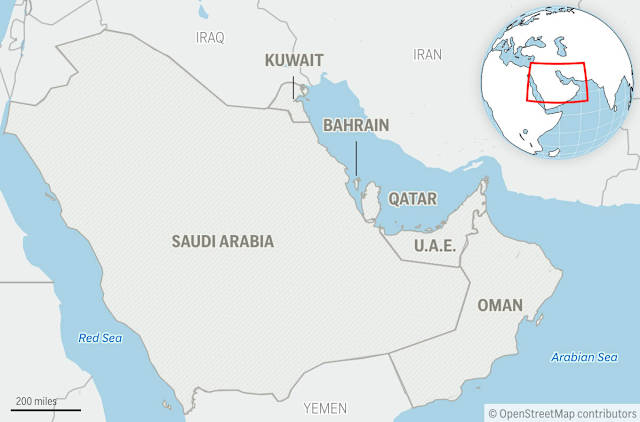
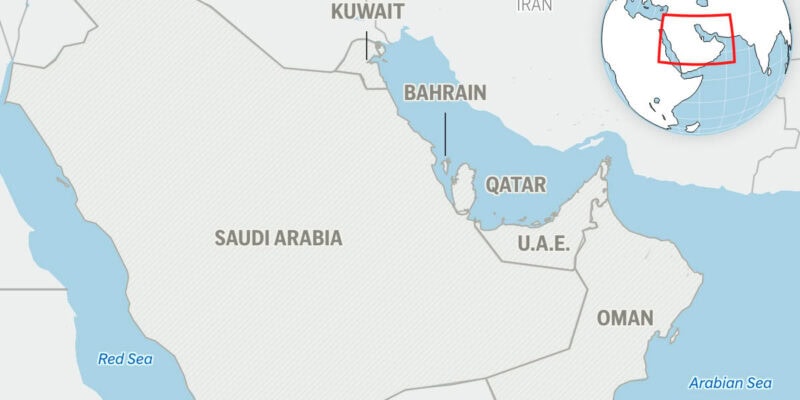
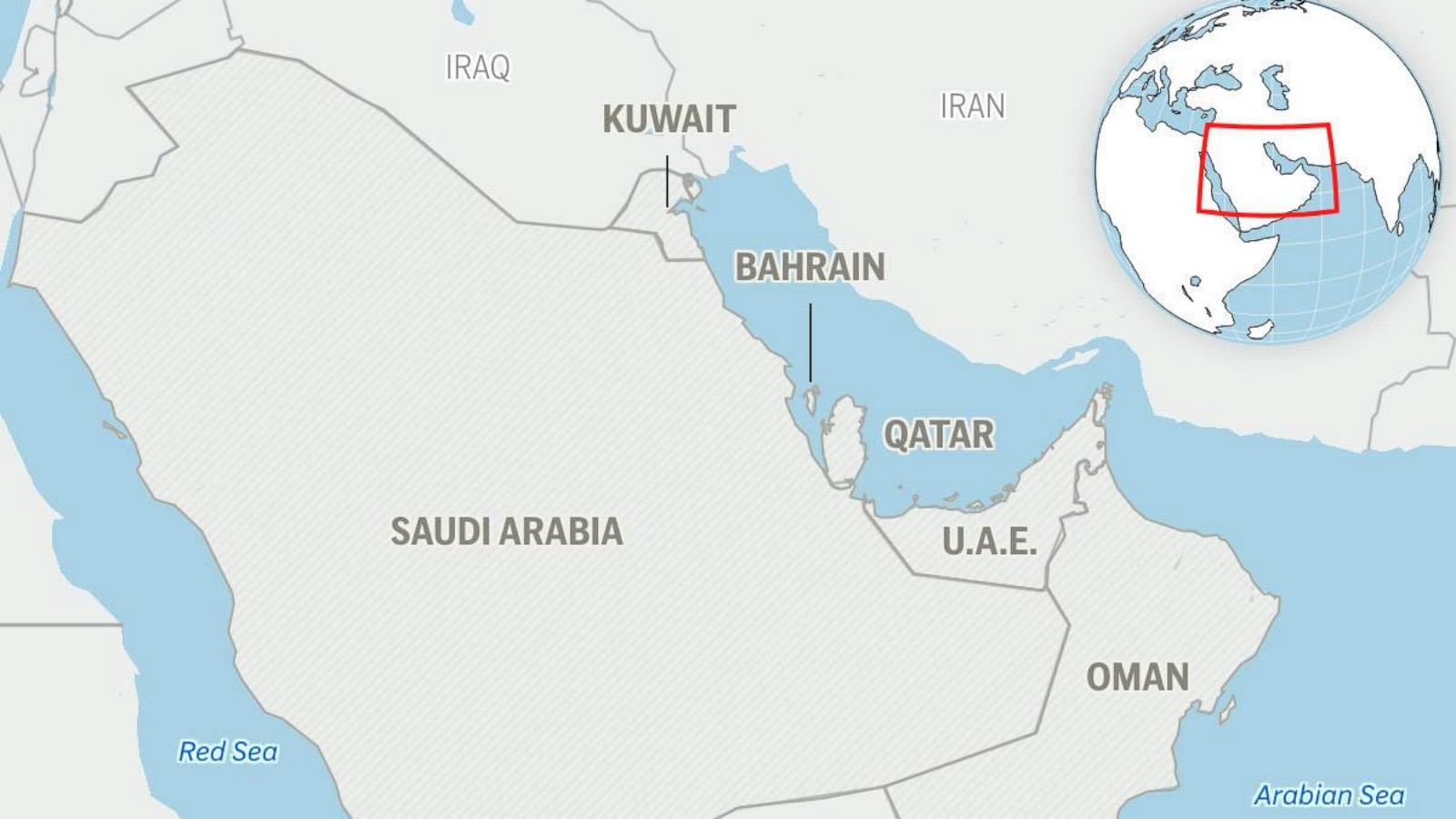
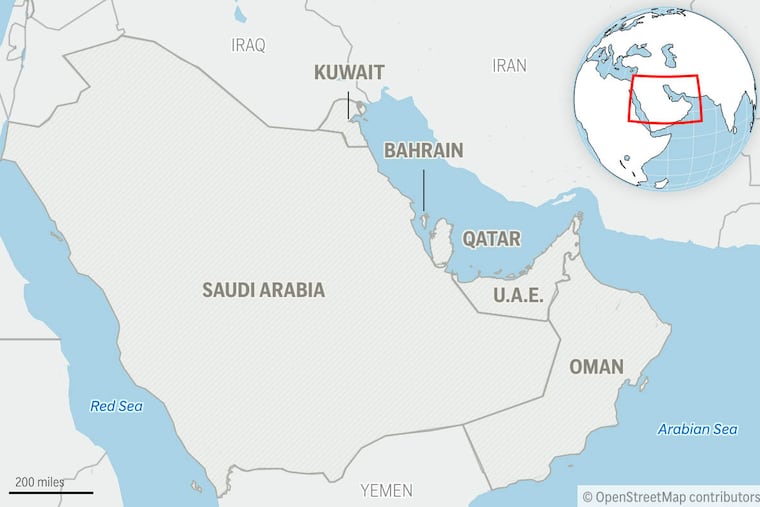
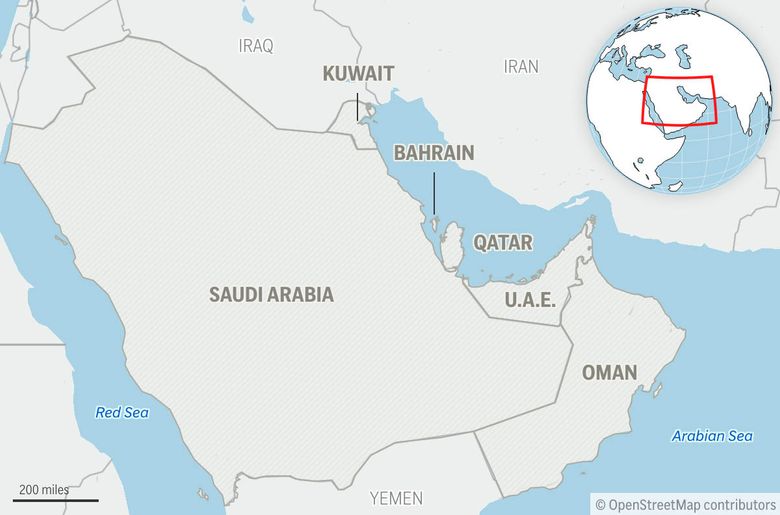
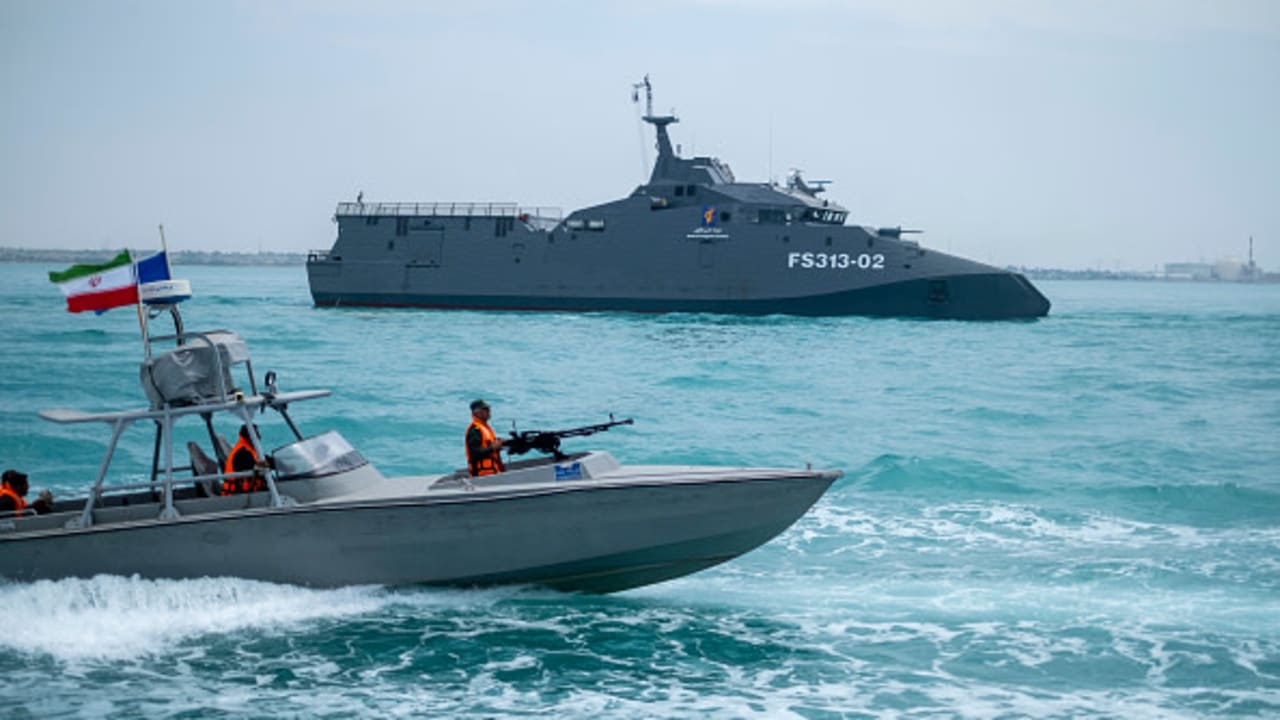
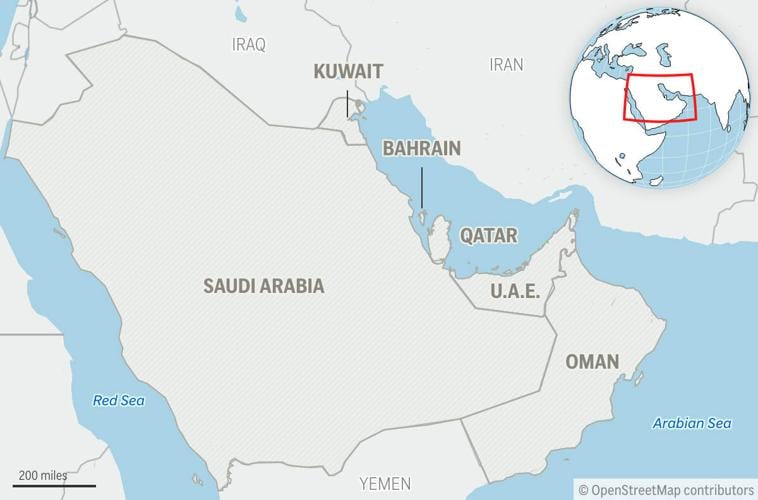
Geopolitical tensions in the Persian Gulf and potential Ukraine peace negotiations are creating significant logistics and market access implications for cross-border e-commerce sellers. The May 2026 Iran-Kuwait military incident on Bubiyan Island—where China is constructing the Mubarak Al Kabeer Port as part of the Belt and Road Initiative—highlights escalating regional instability affecting the Strait of Hormuz, which handles approximately 21% of global maritime trade and is critical for sellers shipping goods between Asia and Europe/Middle East markets. Simultaneously, Trump's statements about ending the Ukraine-Russia conflict signal potential reopening of Eastern European supply chains and market access that have been disrupted since 2022, representing an estimated $8-12B market opportunity for sellers currently locked out of Russia, Ukraine, and Belarus.
For sellers operating in Asia-Pacific and Middle Eastern markets, the Persian Gulf tensions create immediate supply chain risks. The Strait of Hormuz remains under Iranian control, and the May 1 incident involving four arrested IRGC officers attempting to infiltrate Bubiyan Island demonstrates escalating military activity in strategic shipping lanes. The UAE's deepening security coordination with Israel (first acknowledged Israeli military deployment in an Arab nation) and reported thousands of Iranian missile and drone attacks on Gulf states indicate sustained regional instability. Sellers shipping electronics, machinery, and consumer goods through this corridor face potential 15-30% shipping cost increases and 2-4 week delivery delays if tensions escalate. The Mubarak Al Kabeer Port development under Chinese management could eventually provide alternative routing, but construction timelines remain unclear. Sellers should immediately audit their supply chain routing: those currently using Suez Canal-to-Strait of Hormuz corridors should evaluate alternative routes via the Cape of Good Hope (adding 10-14 days transit time but reducing geopolitical risk) or air freight for high-margin products.
Ukraine peace negotiations present a contrasting opportunity window for sellers to capture emerging market access. If Trump's timeline materializes within 6 months, sellers could gain access to previously sanctioned Russian and Ukrainian markets, representing 145M+ consumers and significant demand for consumer electronics, home goods, and industrial products. Payment processing infrastructure (currently blocked by SWIFT sanctions) would need to be re-established, creating 3-4 month implementation windows for sellers to prepare. Eastern European sourcing (Poland, Czech Republic, Hungary) could become more attractive as alternative supply chains to China, particularly for EU-destined goods seeking to reduce tariff exposure. Sellers with existing relationships in Poland or Hungary should prepare to expand sourcing from these regions, as they offer 8-12% cost advantages over China for EU-compliant products while avoiding potential US-China tariff escalation. The timing window is critical: sellers who establish market presence in Ukraine and Russia within the first 6 months of peace could capture 20-40% market share before larger competitors mobilize.
Questions 8
How do UAE-Israel military integration and Abraham Accords affect seller operations?
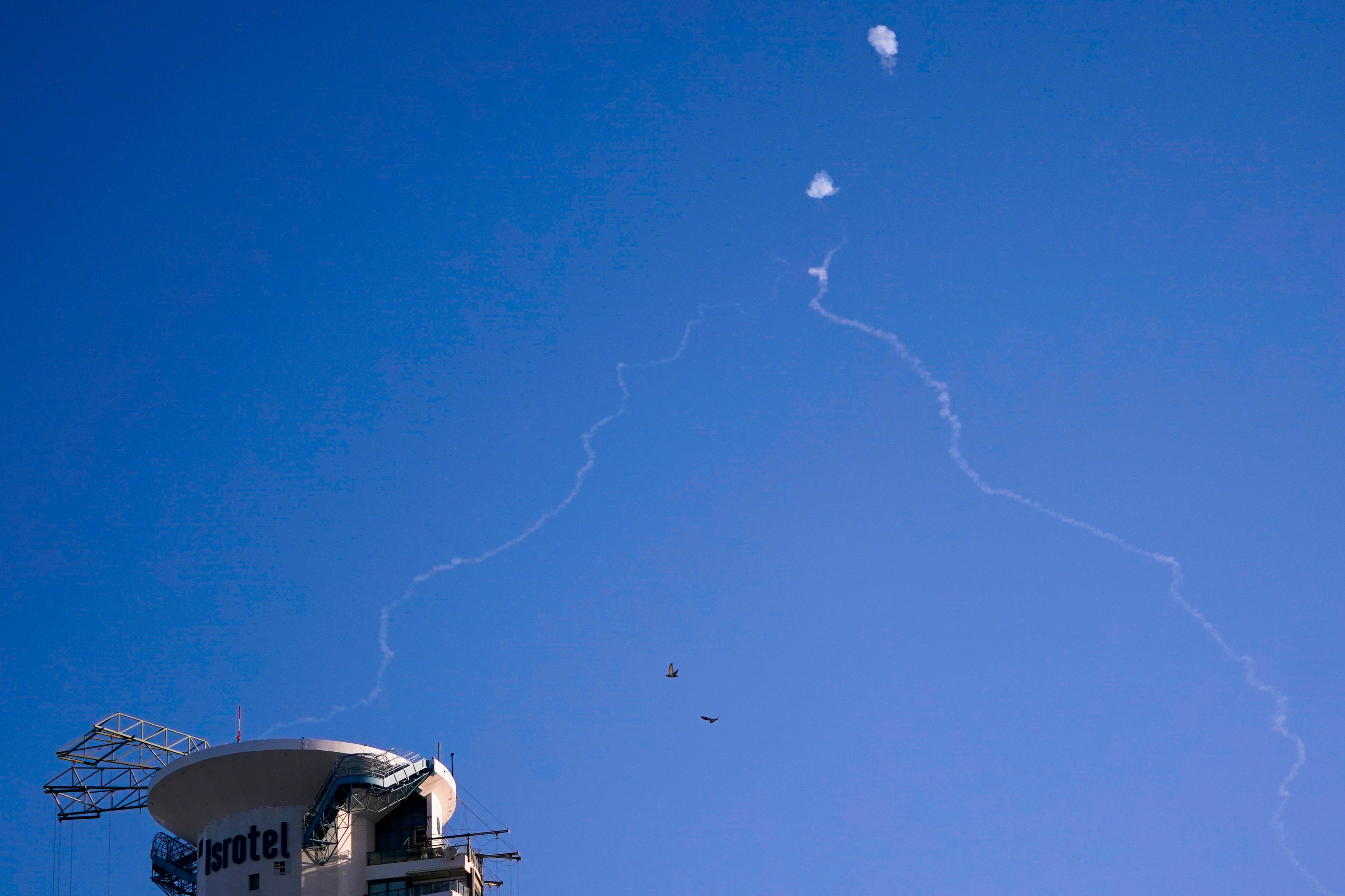
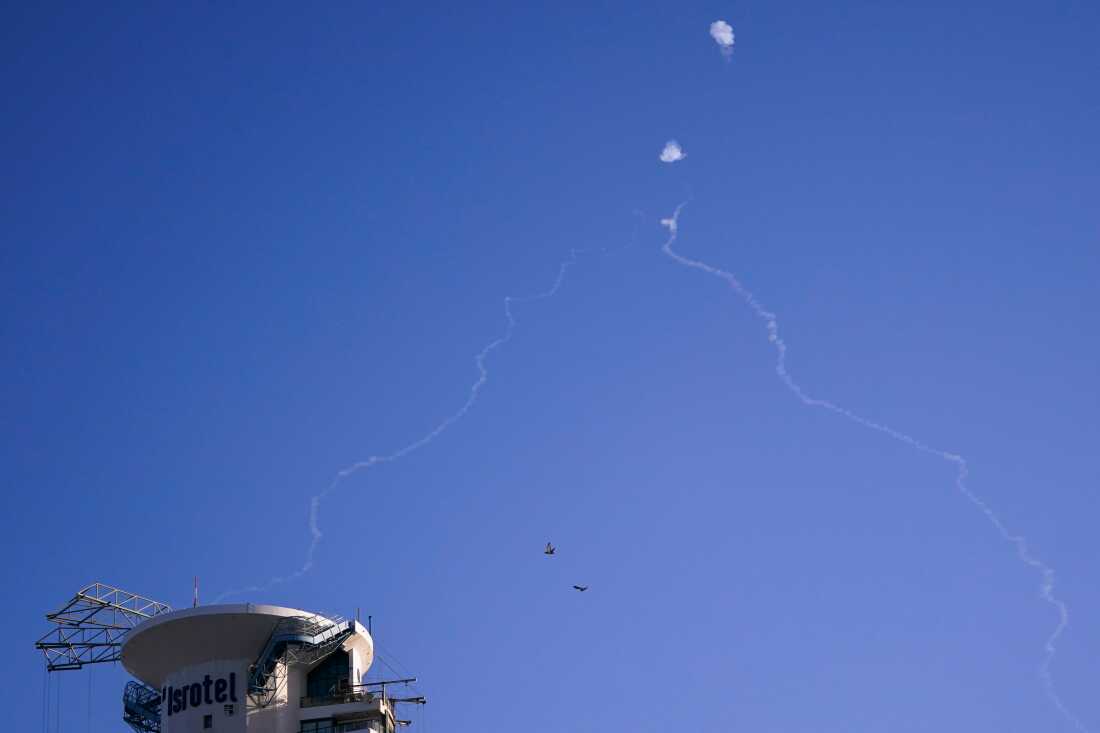
The first acknowledged Israeli military deployment in the UAE (Iron Dome air defense systems) signals deepening security coordination that could stabilize the region for sellers. The Abraham Accords (2020) already enabled UAE-Israel trade, which grew to $2.5B+ annually. However, the recent Iranian missile and drone attacks on UAE infrastructure demonstrate ongoing security risks. Sellers shipping to UAE should maintain standard security protocols but can expect improved port security and reduced disruption risks compared to other Gulf states. The UAE's efforts to signal stability to investors and businesses suggest government commitment to maintaining logistics infrastructure. This makes UAE ports (Dubai, Abu Dhabi) relatively safer alternatives to Kuwait or Bahrain for sellers concerned about regional tensions.
What compliance changes should sellers expect if Ukraine sanctions are lifted?
If Ukraine peace negotiations succeed and sanctions are removed, sellers will need to update compliance infrastructure within 3-4 months. Key changes include: (1) SWIFT payment processing re-enablement for Russian and Ukrainian banks, (2) customs documentation updates for trade with previously sanctioned regions, (3) export control compliance reviews (some products remain restricted), and (4) currency hedging strategies for ruble and hryvnia exposure. Sellers should begin auditing their compliance systems now and establish relationships with payment processors experienced in post-sanctions market entry. The first 6 months after sanctions removal will see rapid market consolidation—sellers with compliant infrastructure ready will capture disproportionate market share. Consult with trade compliance specialists before entering these markets.