


India Heat Crisis Disrupts Supply Chains | Sellers Face 30-60 Day Delays
- Peak temperatures of 112°F (44°C) across 50 Indian cities strain manufacturing and logistics for cross-border e-commerce sellers sourcing from India's agriculture and construction sectors













Overview
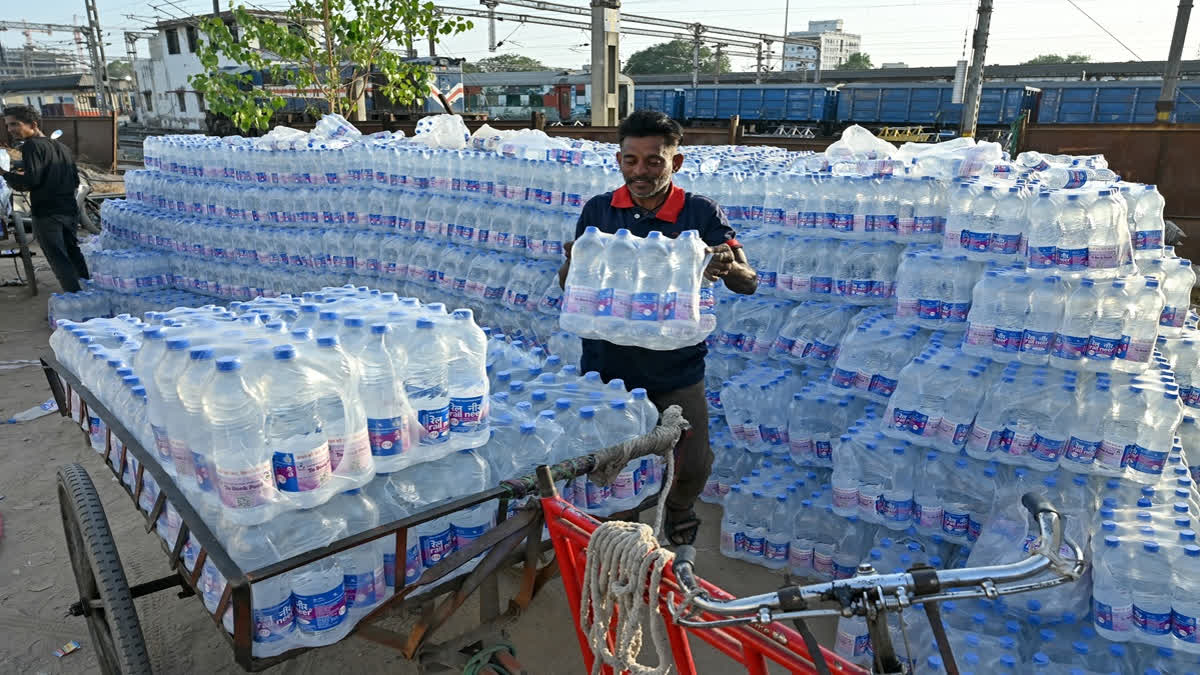
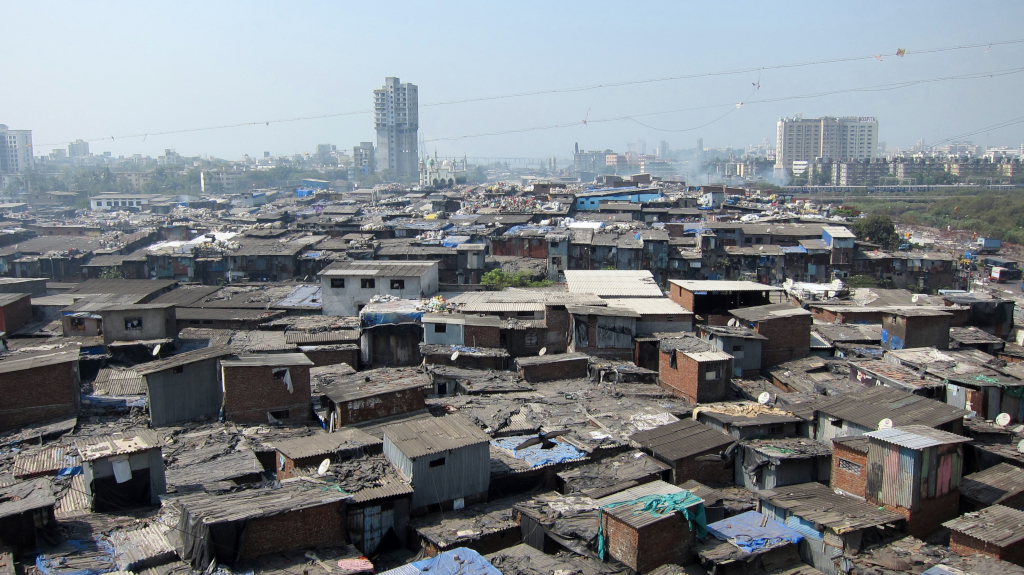
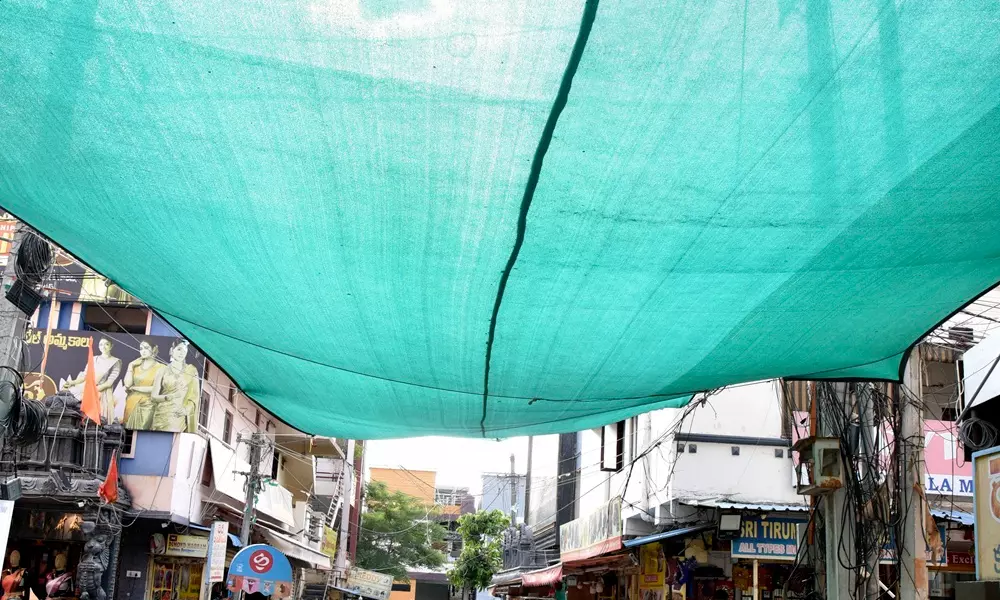
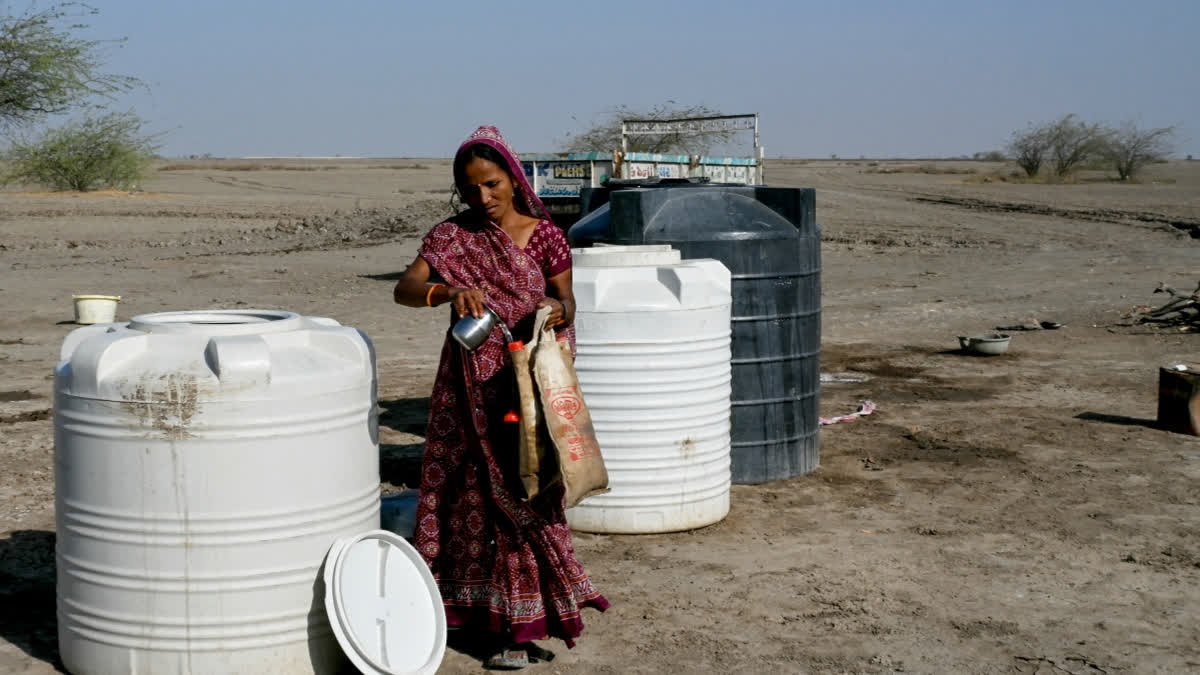
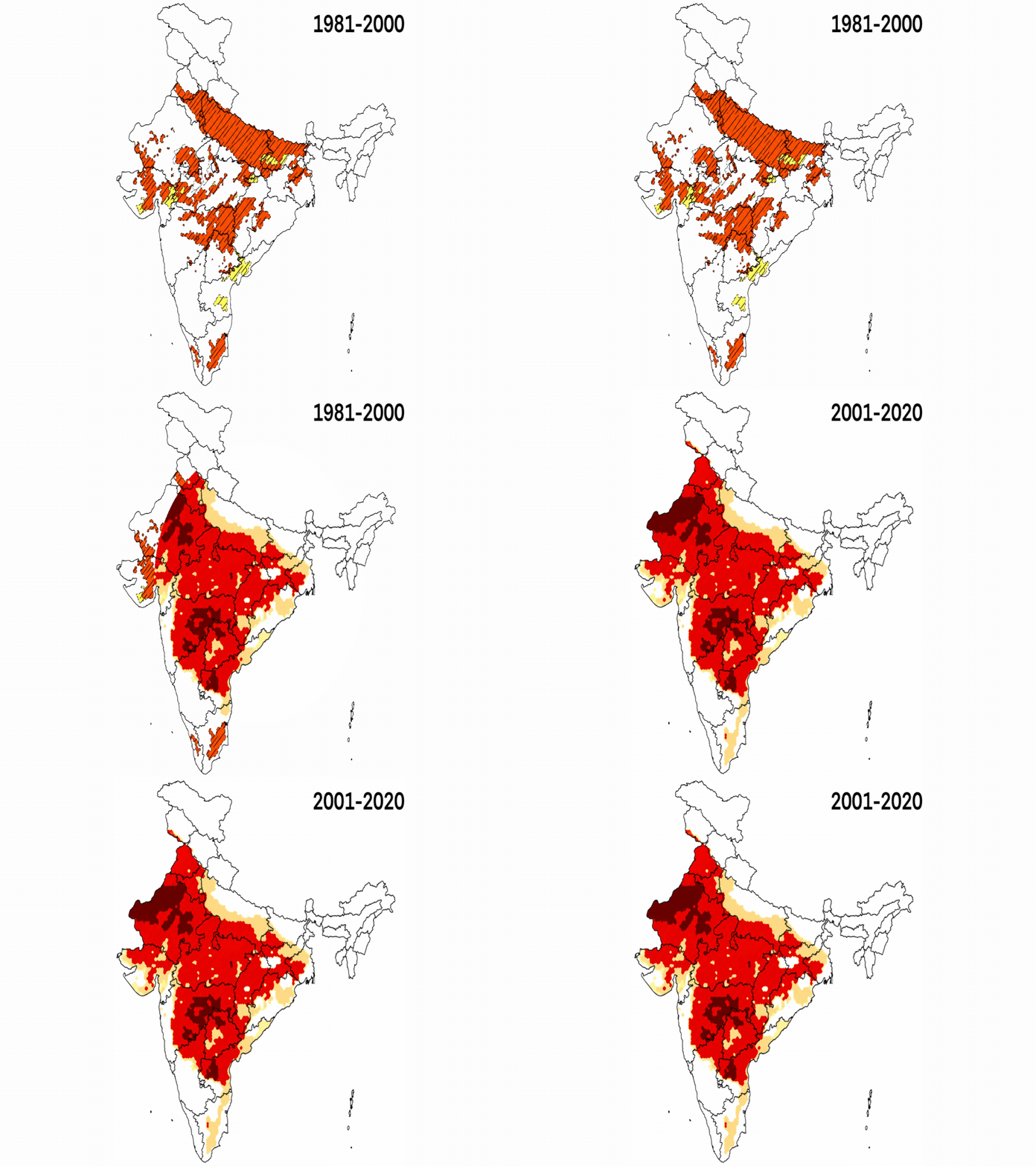
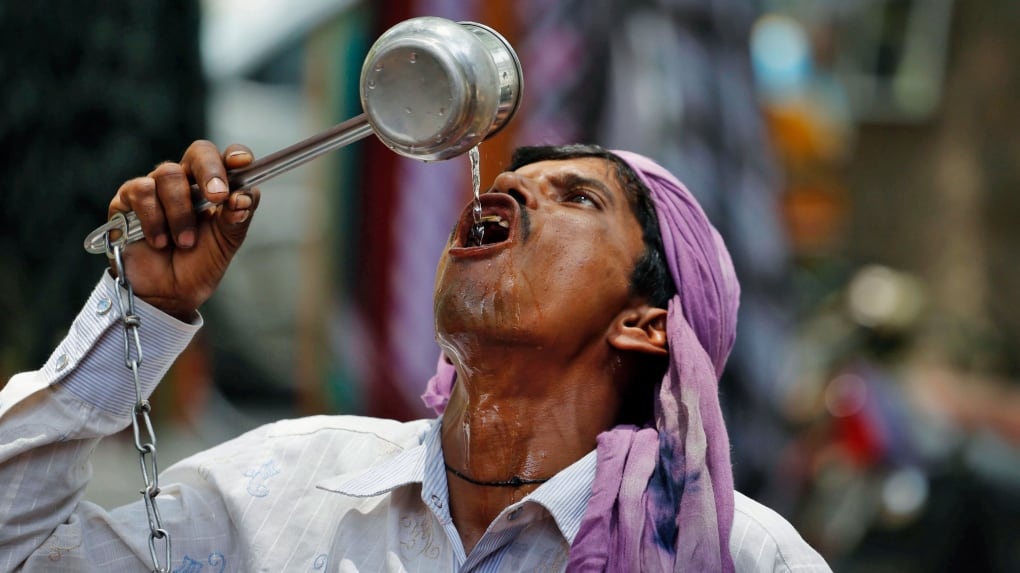
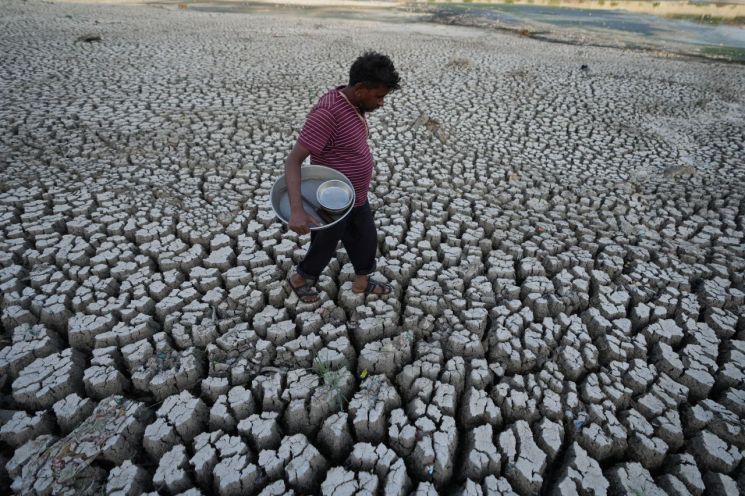
India's unprecedented heat wave in late April 2024, with all 50 of the world's hottest cities concentrated in the country and temperatures reaching 112°F (44°C), represents a critical supply chain disruption for cross-border e-commerce sellers. This climate crisis directly impacts approximately 75% of India's workforce operating in heat-exposed sectors including agriculture and construction—industries fundamental to e-commerce supply chains. The crisis creates immediate operational risks: only 8% of Indian households have air conditioning access, while 90% of India's labor force comprises informal and gig workers lacking standard employment protections. In Gujarat, India's largest salt-producing region, workers are forced to shift production schedules to early mornings and evenings, creating 30-60 day delays in manufacturing and fulfillment timelines.
Supply chain disruption cascades across multiple seller segments. Sellers sourcing textiles, agricultural products, spices, handicrafts, and construction materials from India face production bottlenecks as workforce availability collapses during peak heat hours. The Harvard Salata Institute projects additional heat waves throughout May and June as El Niño patterns intensify, extending disruption windows. Sellers relying on Indian 3PL providers and fulfillment centers experience logistics delays as electricity demand spikes—India increased coal consumption to meet air conditioning demand, straining power infrastructure. For sellers with inventory in Indian warehouses, storage costs may increase 8-12% as facilities require enhanced cooling systems. The paradox: expanded air conditioning access drives fossil fuel consumption, creating long-term climate acceleration that compounds future supply chain risks.
Immediate cost pressures emerge across multiple dimensions. Electricity costs for Indian manufacturers and logistics providers are rising due to increased coal consumption and grid strain. Sellers should anticipate 5-15% cost increases from Indian suppliers by Q2-Q3 2024. Parametric insurance for outdoor workers offers predetermined payouts when temperatures exceed thresholds, but represents only partial mitigation. India's pioneering heat action plans across major cities aim to improve early warning systems, yet risk being overwhelmed by competing government priorities. Sellers must proactively communicate with Indian suppliers about production timelines, consider inventory buffers for critical SKUs, and evaluate alternative sourcing regions (Vietnam, Bangladesh, Indonesia) for heat-sensitive categories. The window to adjust sourcing strategies closes rapidly as heat waves intensify through June 2024.
Questions 7
How does India's heat wave affect cross-border sellers sourcing from India?
India's unprecedented heat crisis, with temperatures reaching 112°F (44°C) across 50 cities in late April 2024, directly disrupts manufacturing and logistics. Approximately 75% of India's workforce operates in heat-exposed sectors including agriculture and construction—critical supply chain industries for e-commerce. Production schedules are shifting to early mornings and evenings, creating 30-60 day delays in fulfillment. Sellers sourcing textiles, spices, handicrafts, and agricultural products should anticipate cost increases of 5-15% from Indian suppliers by Q2-Q3 2024 due to elevated electricity costs and workforce constraints.
When will India's heat crisis impact seller inventory and fulfillment timelines?
The crisis is already impacting timelines in late April 2024, with forecasters predicting additional heat waves throughout May and June as El Niño patterns intensify. Sellers should expect 30-60 day delays in manufacturing and fulfillment from Indian suppliers through June 2024. Inventory in Indian 3PL facilities may experience storage cost increases of 8-12% as cooling system demands rise. Sellers should communicate immediately with Indian suppliers about production schedules and consider expedited shipments for critical SKUs before June to avoid extended delays.