



Denver Airport Security Incident May 2026 | Logistics Hub Risk Assessment for E-Commerce Sellers
- DIA incident highlights critical supply chain vulnerabilities affecting 40,000+ sellers using Denver distribution networks; security protocol changes may impact fulfillment timelines and shipping costs













Overview
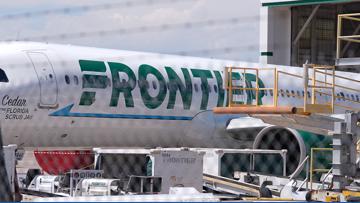
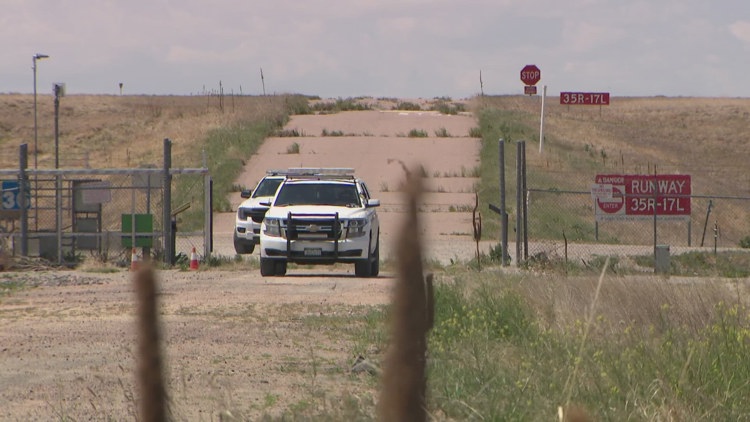
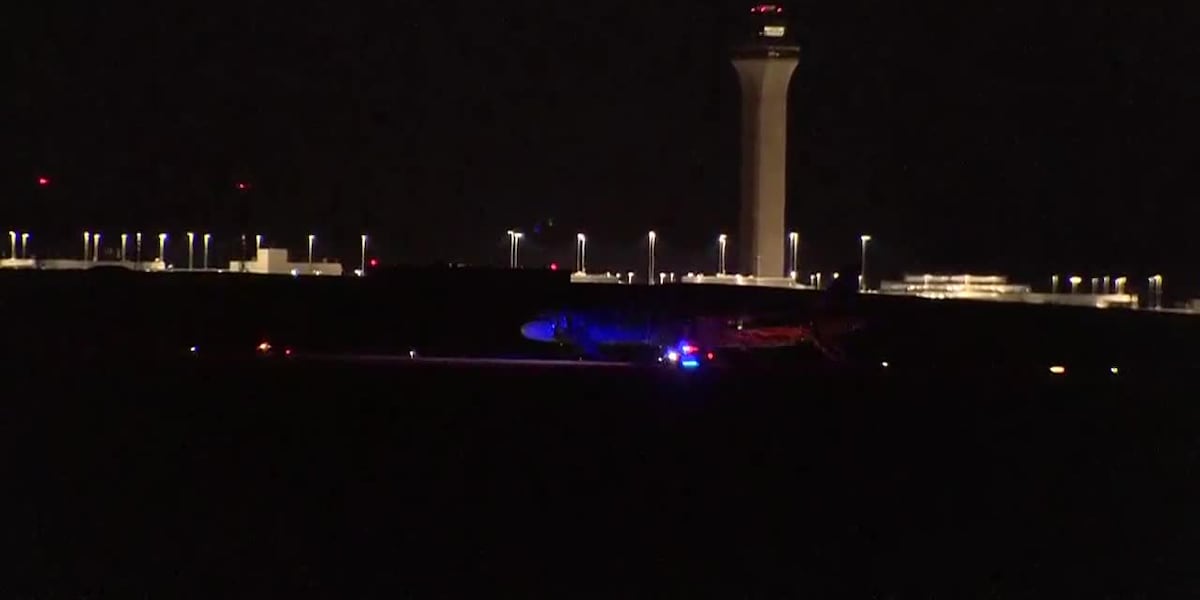
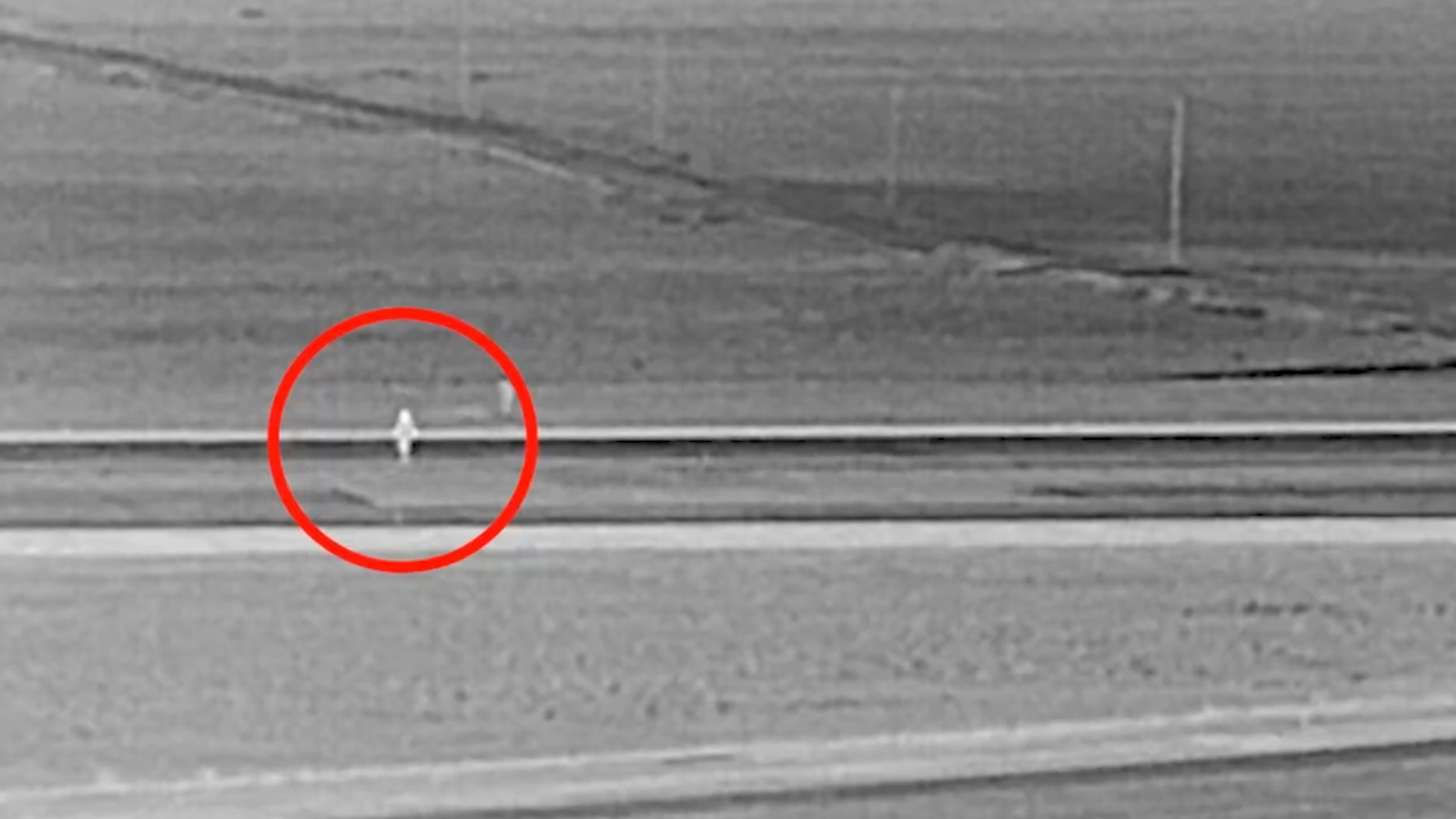
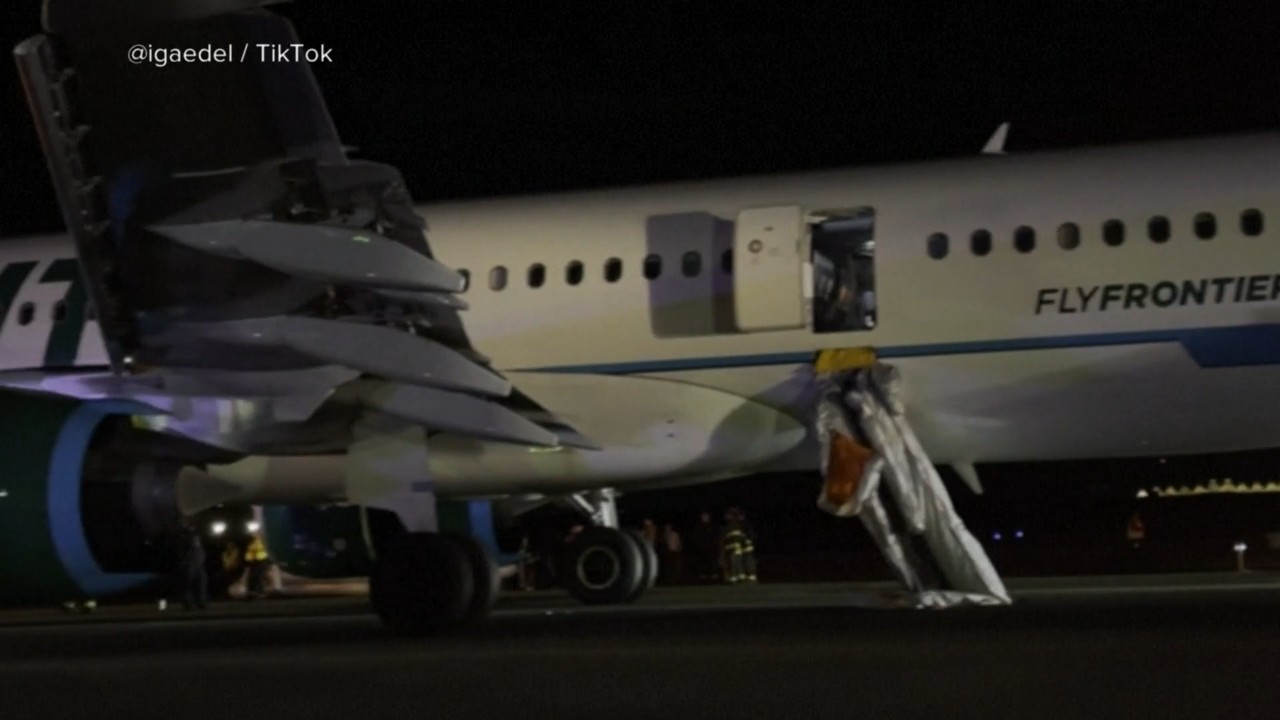
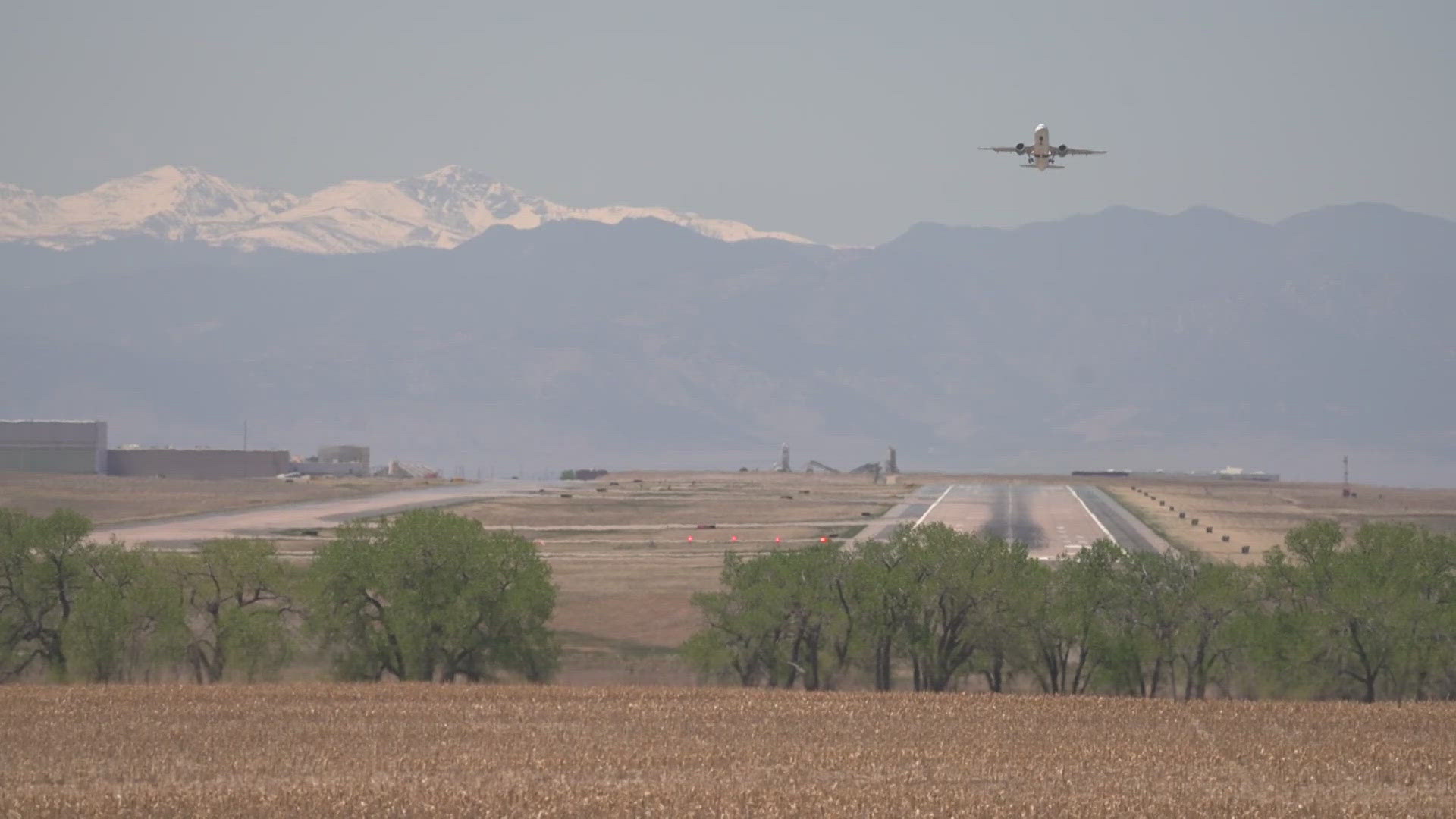
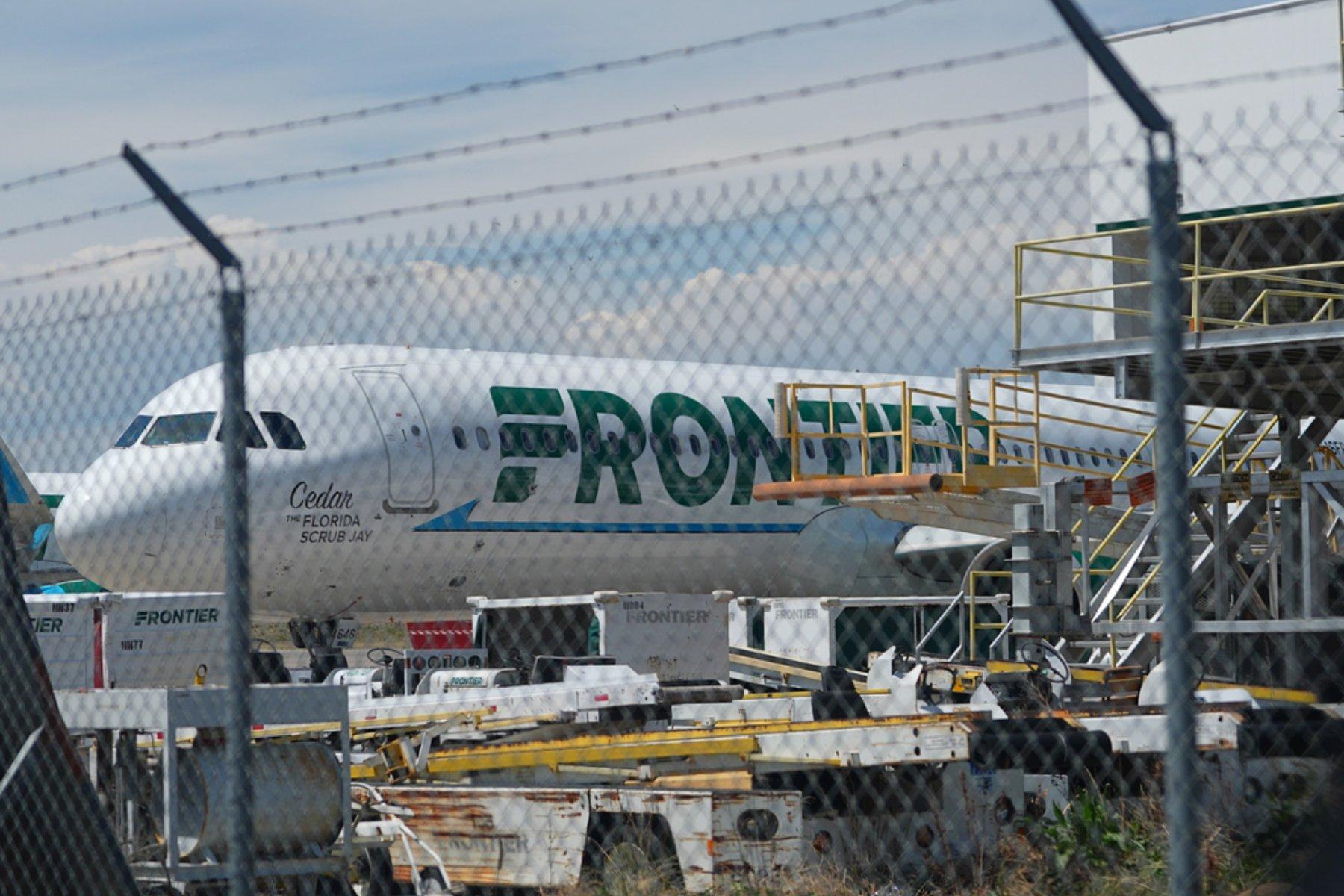
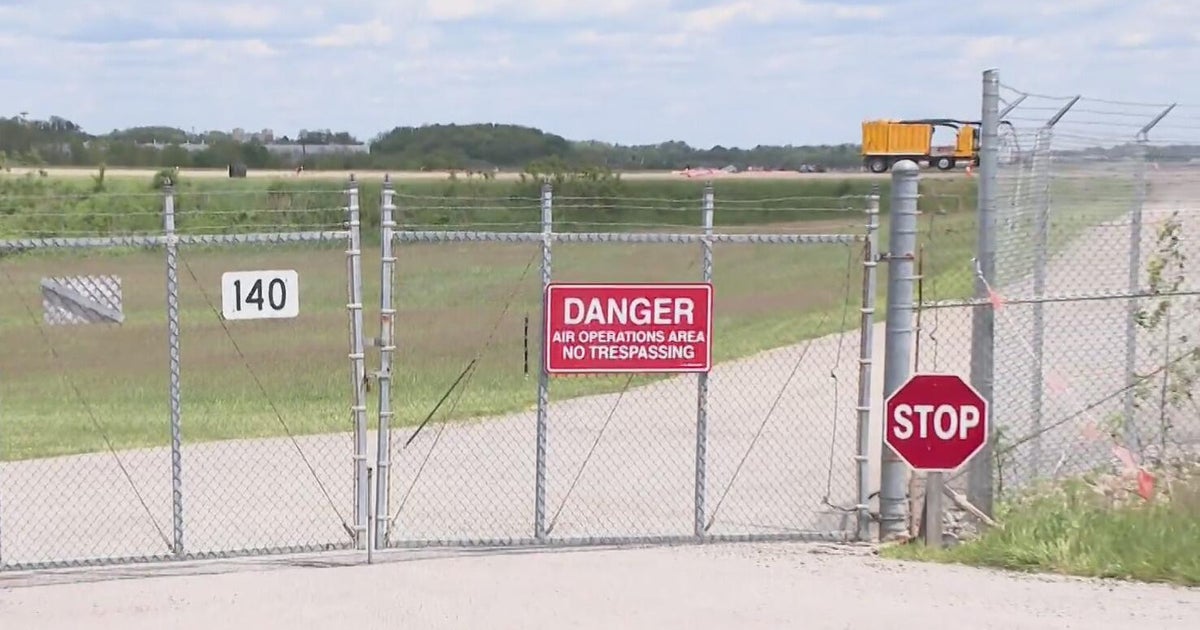
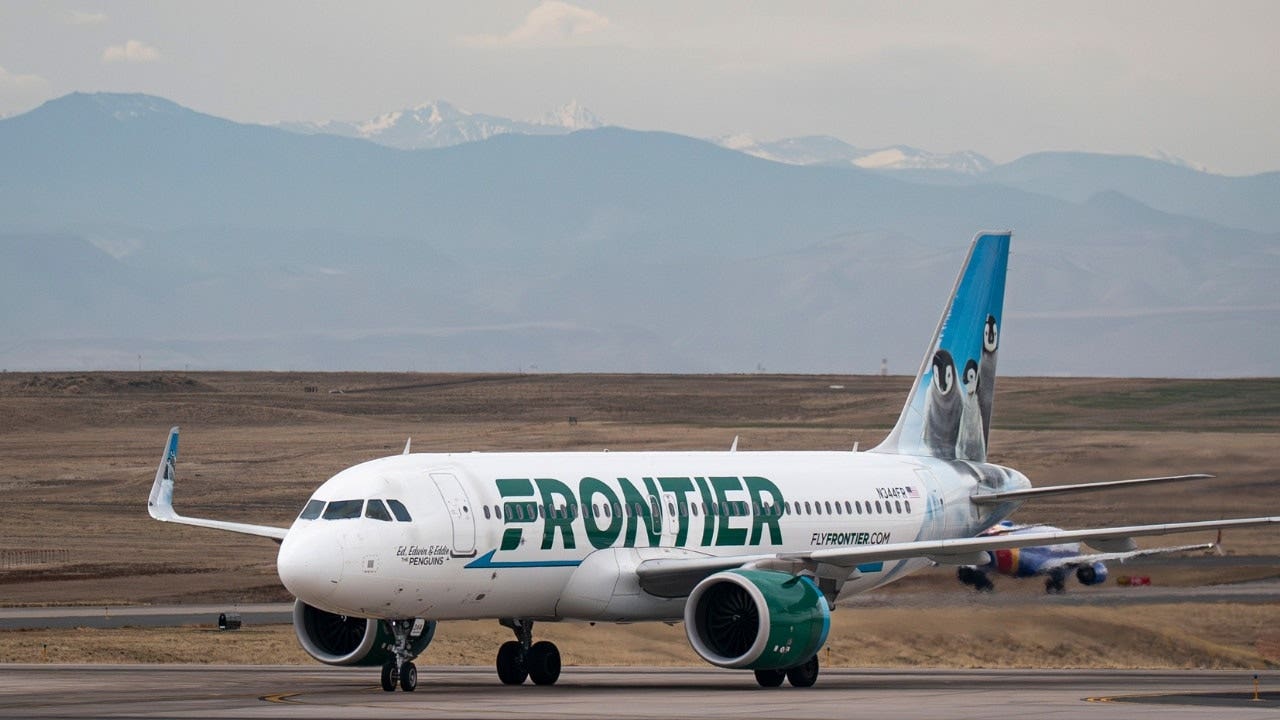
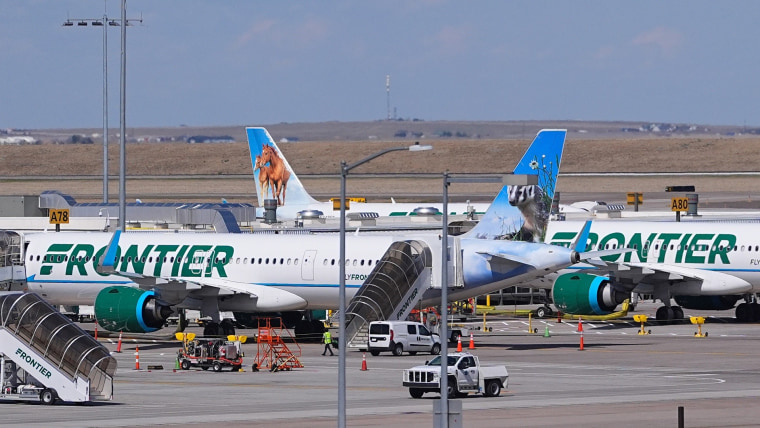
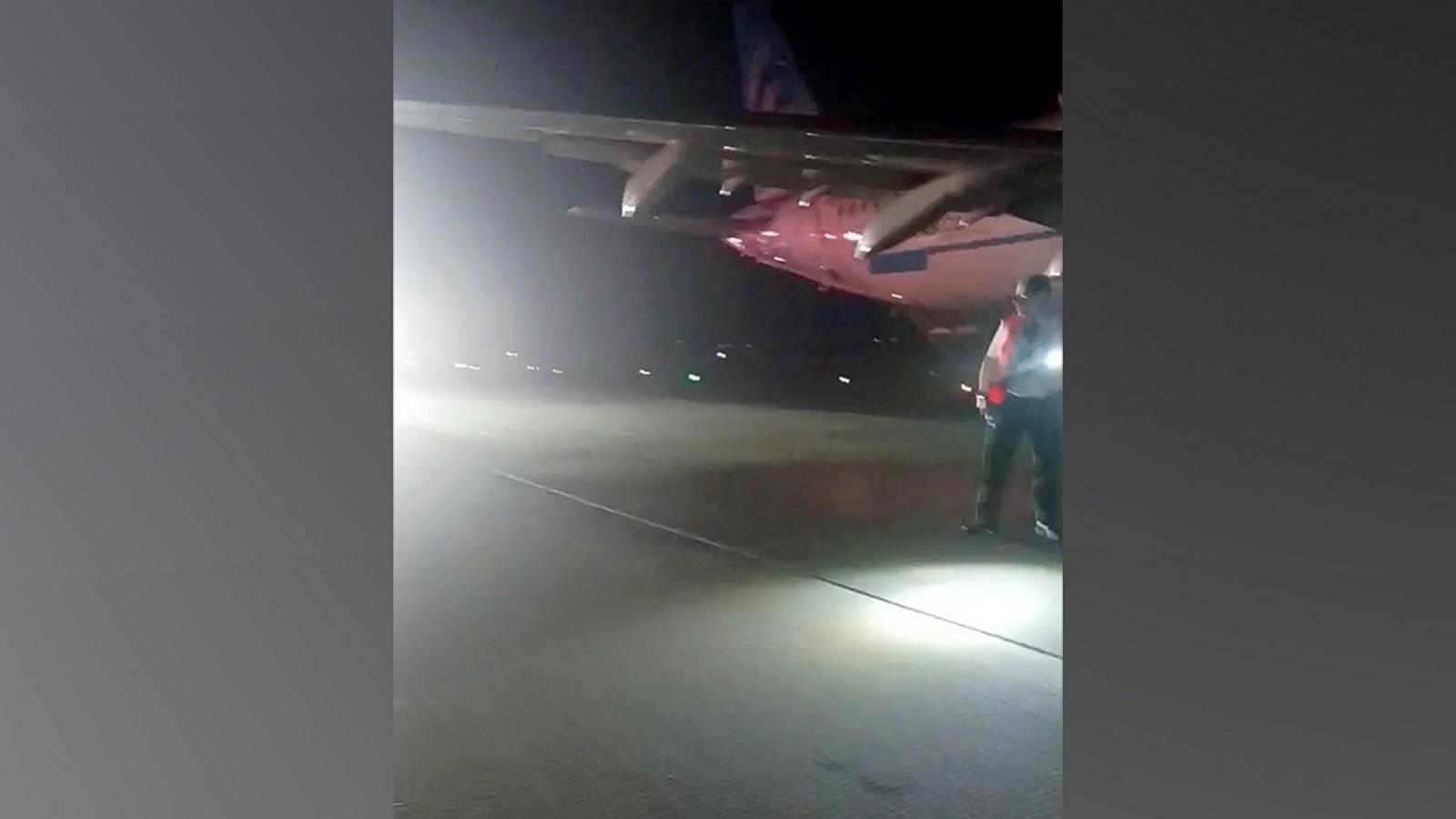
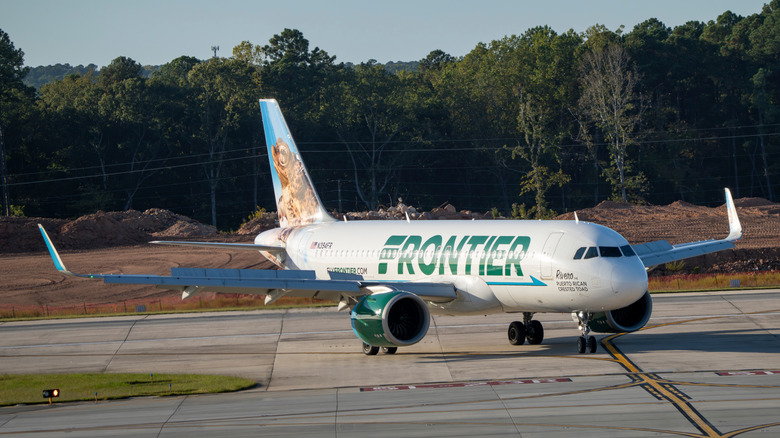
The May 12, 2026 incident at Denver International Airport (DIA) involving a fatal runway breach presents significant operational implications for cross-border e-commerce sellers who depend on DIA as a critical logistics hub. While the incident itself—in which Michael Mott, 41, breached an eight-foot perimeter fence and was struck by a Frontier Airlines aircraft—represents a tragic loss of life, it triggers broader supply chain considerations for the estimated 40,000+ sellers utilizing Denver's distribution infrastructure for North American fulfillment.
Supply Chain and Logistics Impact: DIA serves as a major air cargo hub for Amazon, UPS, FedEx, and DHL operations, processing approximately 2.5 million tons of cargo annually. Security incidents of this magnitude typically trigger enhanced perimeter protocols, increased checkpoint processing times (15-45 minutes additional delay), and temporary flight disruptions. For sellers using DIA-based 3PL providers or FBA fulfillment centers, these disruptions can cascade into 2-5 day shipping delays during the incident investigation period. The Denver Police investigation and subsequent security review may result in permanent protocol changes affecting ground operations efficiency.
Operational Considerations for Sellers: Cross-border sellers shipping inventory to Denver distribution hubs should anticipate potential delays in May-June 2026. Sellers relying on just-in-time inventory models face particular risk, as DIA security enhancements could extend processing windows by 10-20%. The incident also highlights the vulnerability of major logistics nodes to operational disruptions—a critical risk factor for sellers concentrating inventory in single geographic hubs. Diversification across multiple fulfillment centers (Dallas, Chicago, Los Angeles) reduces exposure to localized incidents.
Risk Mitigation and Strategic Response: Sellers should monitor DIA operational updates through Frontier Airlines and airport authority communications. Consider temporary inventory redistribution to secondary fulfillment networks if delays exceed 3 days. The incident underscores the importance of supply chain resilience—maintaining buffer stock (10-15% above normal levels) and backup logistics partners. For sellers with significant Denver-based operations, this event provides justification for board-level discussions about geographic diversification and disaster recovery protocols. Monitor Amazon Seller Central and 3PL provider communications for official guidance on processing delays and fee adjustments.
Questions 8
Should sellers diversify away from Denver-based fulfillment networks?
Complete diversification is unnecessary, but geographic distribution is prudent. Denver remains a critical logistics hub with strong infrastructure and competitive rates. Instead of abandoning DIA-based fulfillment, implement a balanced strategy: maintain 40-50% of inventory in Denver for cost efficiency, allocate 25-30% to Dallas (secondary hub), and 20-25% to Chicago or Los Angeles. This approach preserves Denver's cost advantages while reducing single-point-of-failure risk. For cross-border sellers, this diversification also improves delivery times to different North American regions. Review your current concentration: if more than 60% of inventory is in Denver, begin gradual rebalancing over the next 60-90 days.
What operational updates should sellers monitor from DIA and Frontier Airlines?
Track official communications from Denver International Airport (flydenver.com), Frontier Airlines cargo operations, and your 3PL provider's status pages. DIA typically publishes security protocol updates within 5-7 days of major incidents. Frontier Airlines will announce any flight schedule changes or cargo processing delays. Amazon Seller Central will post notifications if FBA fulfillment timelines are affected. Subscribe to email alerts from your logistics partners and check daily for updates during the investigation period (typically 2-4 weeks). Document all delays for potential reimbursement claims or rate adjustment negotiations with your 3PL provider.