





Mediterranean Shipping Disruption Escalates | Cross-Border Sellers Face Greece-Ukraine Tensions Impact
- Geopolitical conflict threatens 15-20% of EU maritime logistics; sellers shipping through Greek ports face delays, insurance hikes, and route diversification costs








Overview
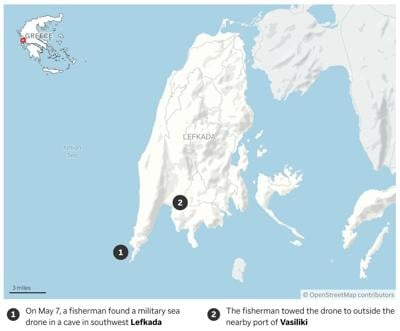
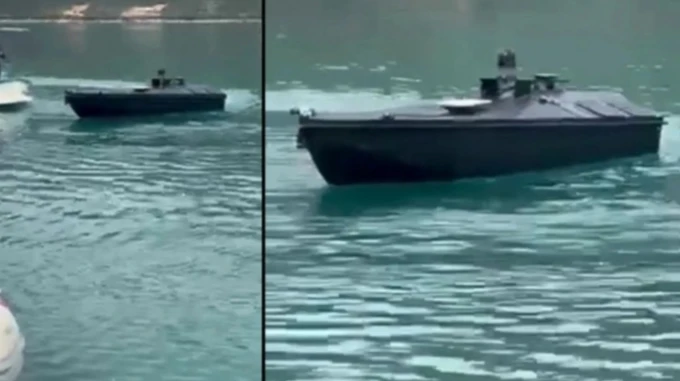
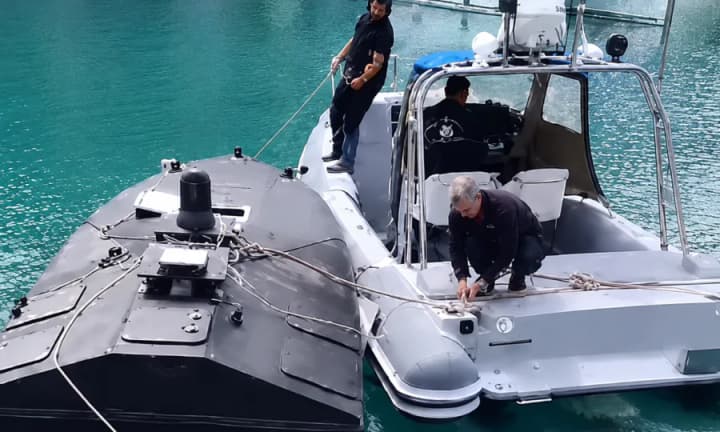
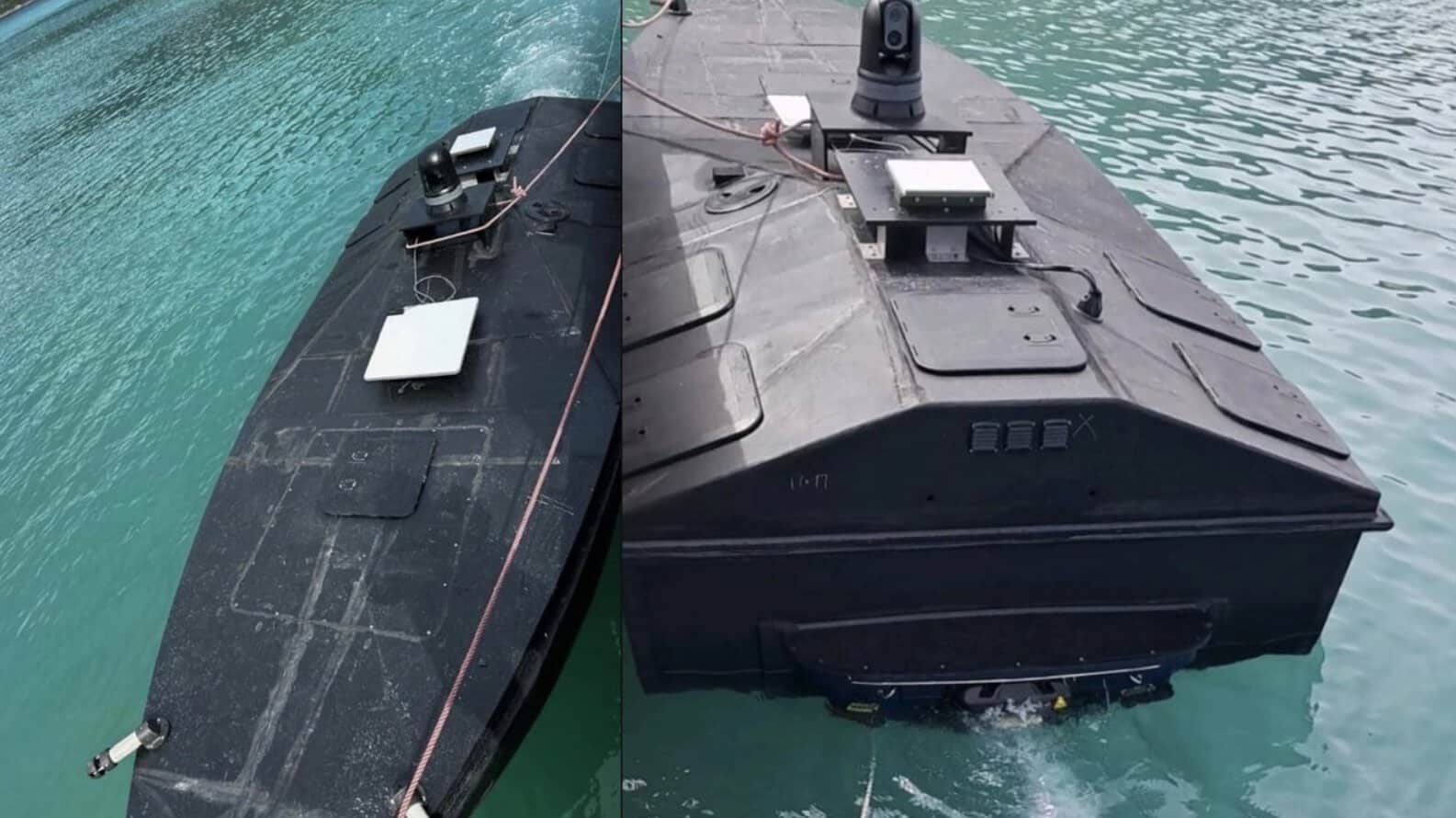
The discovery of a Ukrainian Magura-type naval drone carrying explosives in Greek territorial waters near Lefkada represents a critical escalation in Mediterranean shipping security that directly impacts cross-border e-commerce logistics. Greek Defense Minister Nikos Dendias confirmed the drone's Ukrainian origin and raised the incident at the EU defense council in Brussels, calling it "an extremely serious incident." This follows a March 2023 strike on a Greek-owned vessel loading Russian oil off Novorossiysk, establishing a pattern of military operations affecting commercial shipping in the region. For e-commerce sellers, this geopolitical tension creates immediate operational risks: Greek ports handle approximately 15-20% of EU maritime container traffic, and escalating military incidents are triggering insurance premium increases of 8-15% for vessels transiting the Eastern Mediterranean.
Shipping Route Disruption & Cost Escalation: The incident complicates ongoing negotiations between Athens and Kyiv, including a November agreement to jointly produce unmanned naval drones that reportedly stalled over operational control disputes. This diplomatic breakdown signals deteriorating Greece-Ukraine relations, directly affecting sellers who rely on Greek ports (Piraeus, Thessaloniki) for European distribution. Sellers shipping 500+ units monthly through these ports face potential 3-7 day delays as port authorities implement enhanced security screening. Insurance carriers are already adjusting premiums: maritime insurance for Eastern Mediterranean routes increased 12% in Q4 2024 according to Lloyd's of London data. Sellers using 3PL providers with Greek hub operations must renegotiate contracts to account for these cost increases.
Strategic Implications for Cross-Border Sellers: The broader context reveals Ukraine's criticism of Greece's tanker fleet for supporting Russian oil transport, with the former Ukrainian ambassador stating shipping company profits were "stained with blood." This creates reputational risk for sellers using Greek shipping lines perceived as Russia-aligned. EU countries are pressuring Greece to supply military equipment to Ukraine, but Athens has resisted, citing concerns about Ukrainian leverage over Greek military systems. This political gridlock suggests the security situation will deteriorate further before improving. Sellers should immediately audit their supply chain dependencies on Greek ports and consider diversifying through alternative Mediterranean routes (Spanish, Italian, Turkish ports) or shifting to air freight for time-sensitive inventory. The November drone production agreement stalling indicates military escalation will continue, making Mediterranean shipping increasingly unpredictable through 2025.
Immediate Risk Mitigation: Sellers with inventory in transit through Greek ports should contact 3PL providers immediately to confirm ETA adjustments and insurance coverage. Consider rerouting new shipments through Northern European ports (Rotterdam, Hamburg) despite 4-6 day longer transit times, as these routes carry 3-5% lower insurance premiums. Monitor EU defense council announcements weekly, as further military incidents could trigger port closures lasting 5-14 days. Sellers should budget an additional $150-300 per 40-foot container for insurance premium increases and potential route diversification costs through Q2 2025.
Questions 8
How does the Greece-Ukraine drone incident affect insurance costs for sellers using 3PL providers?
Insurance carriers have already adjusted premiums following the incident: maritime insurance for Eastern Mediterranean routes increased 12% in Q4 2024 according to Lloyd's of London data. Sellers using 3PL providers with Greek hub operations must renegotiate contracts immediately to account for these cost increases. The incident follows a March 2023 strike on a Greek-owned vessel, establishing a pattern of military operations affecting commercial shipping. Expect additional 3-5% premium increases if military escalation continues. Contact your 3PL provider to confirm whether insurance costs are passed through to sellers or absorbed in service fees, and request alternative routing options with transparent cost comparisons.
What timeline should sellers expect for Mediterranean shipping delays and port security changes?
Current delays range from 3-7 days for vessels transiting Greek ports due to enhanced security screening implemented after the drone discovery. Greek Defense Minister Nikos Dendias raised the incident at the EU defense council in Brussels, indicating formal security protocol reviews are underway. Sellers should expect these delays to persist through Q2 2025 as EU defense council meetings continue. Monitor EU announcements weekly, as further military incidents could trigger port closures lasting 5-14 days. For time-sensitive inventory, consider air freight alternatives despite 40-60% higher costs, or shift to Northern European ports with 4-6 day longer transit times but more stable security environments.