

Naphtha Crisis Disrupts Japanese Snack Supply Chain | Sellers Face 60% Cost Surge
- Calbee's May 2026 packaging shift signals broader geopolitical supply chain vulnerability affecting 50% of Japan's snack market and international e-commerce operations







Overview
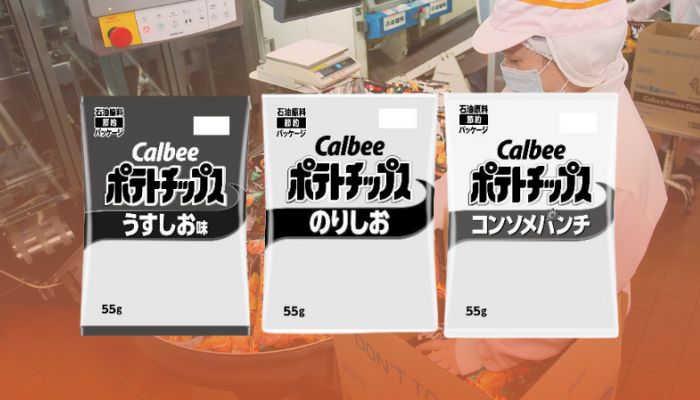
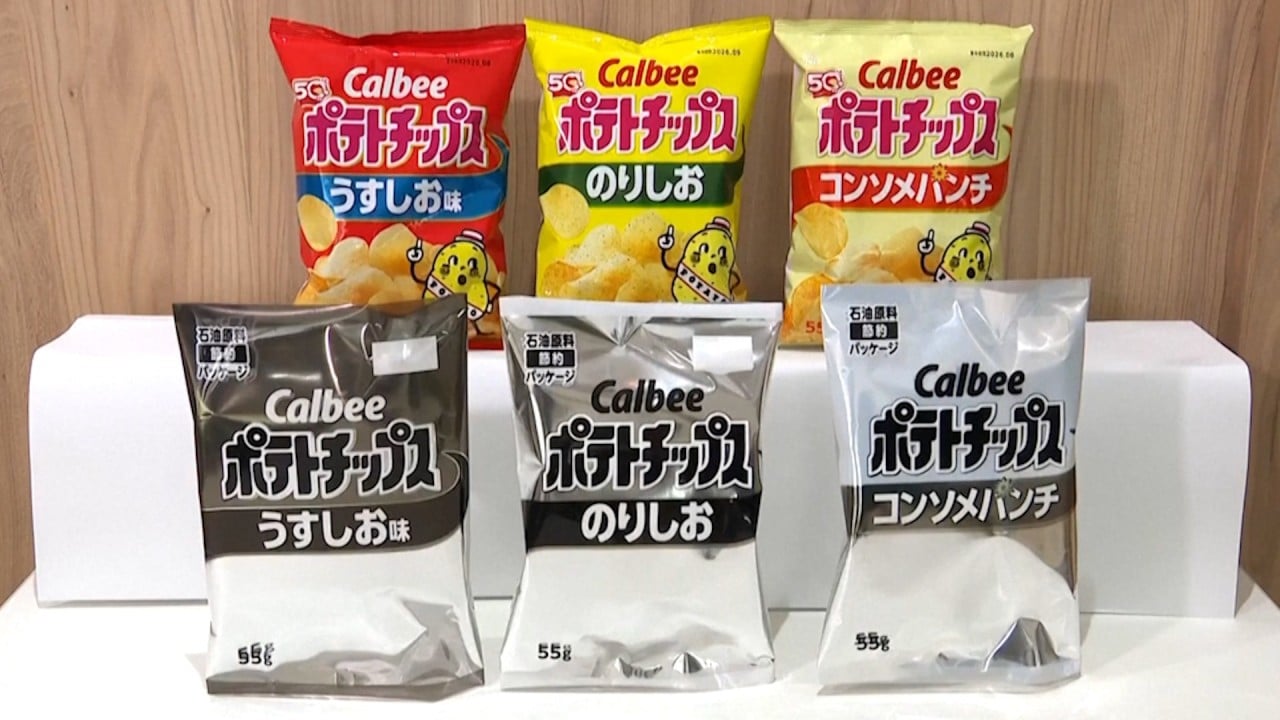
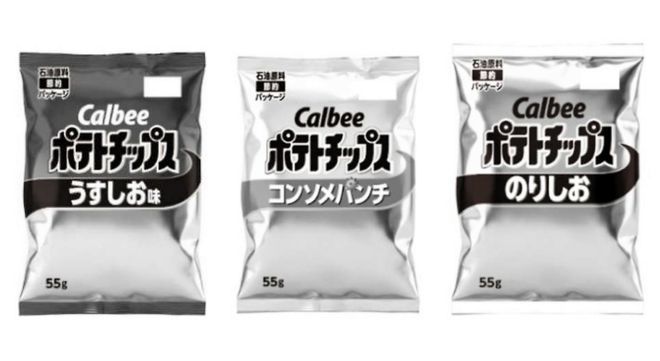
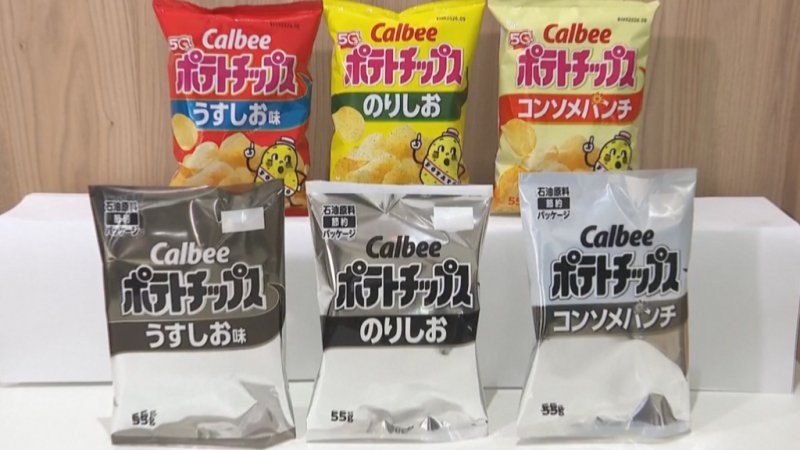
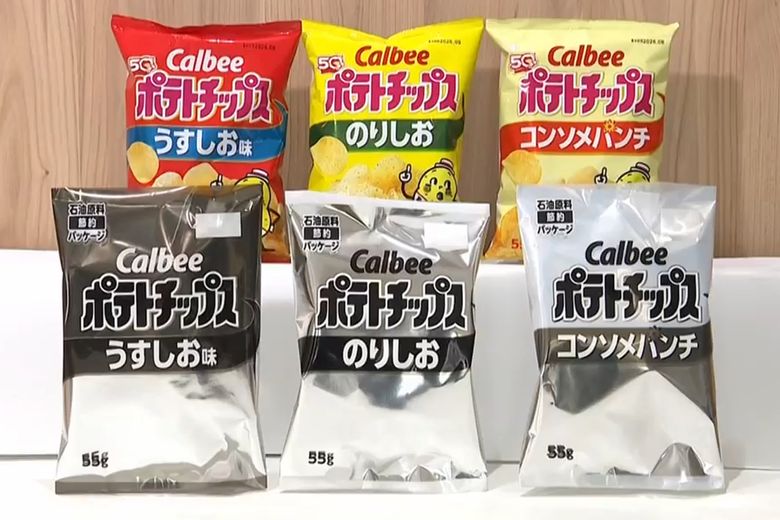
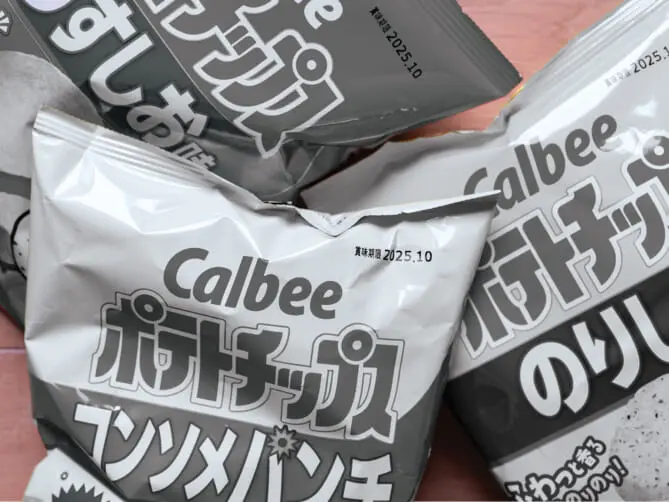
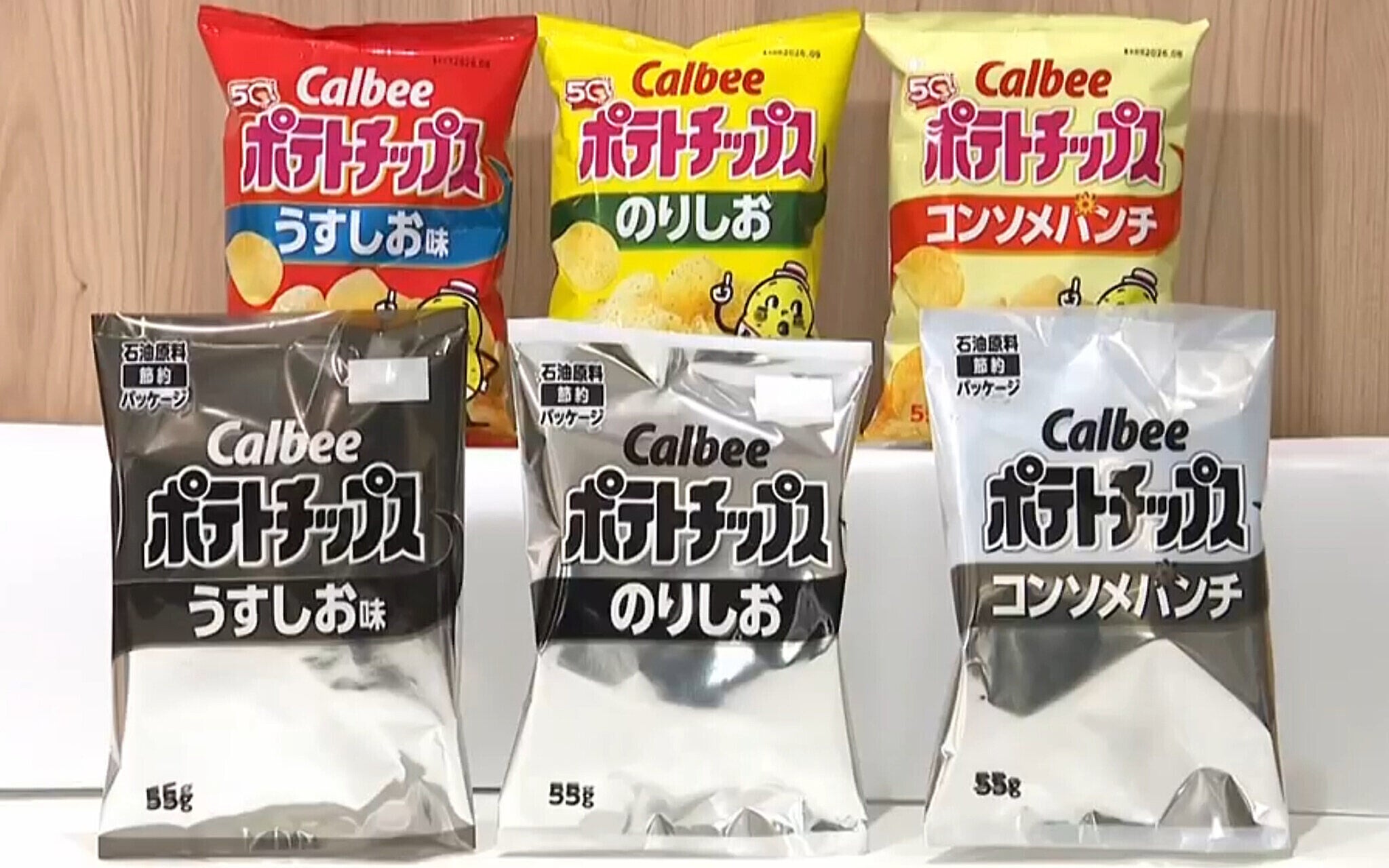
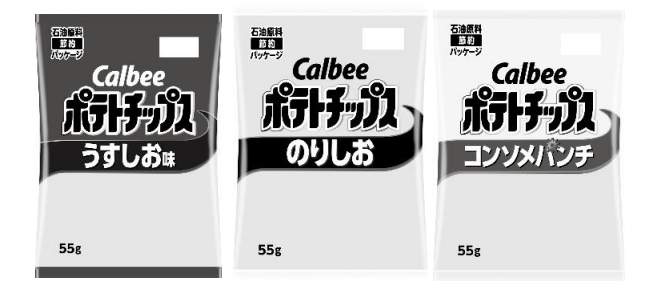
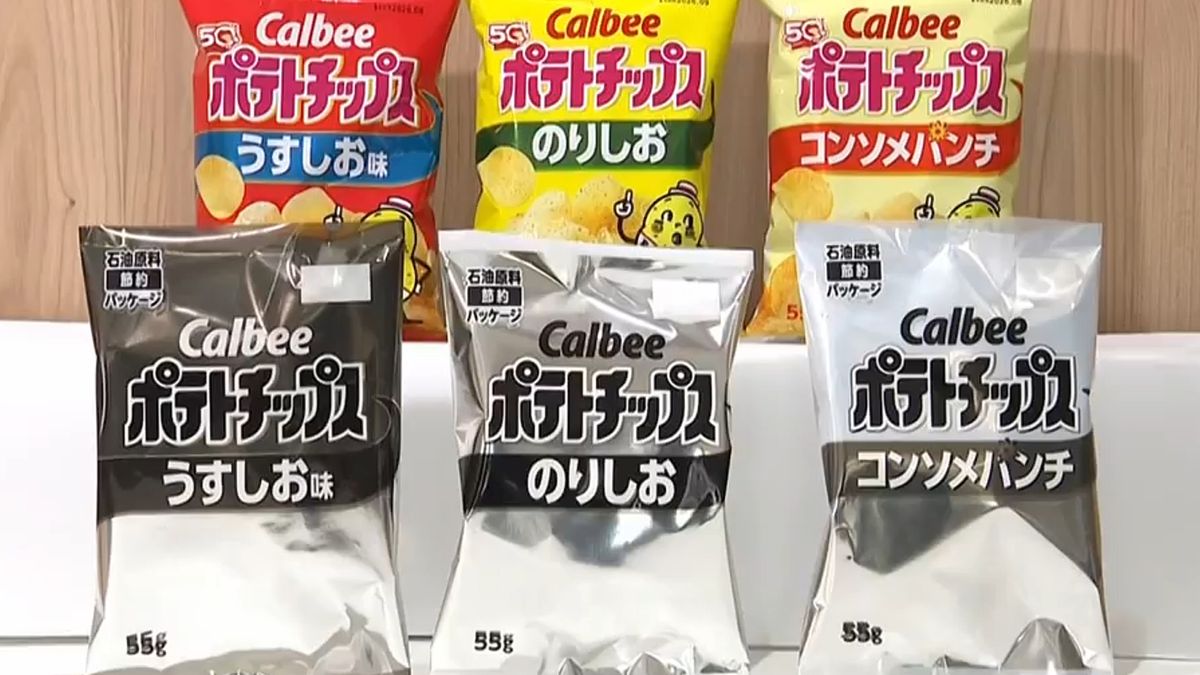
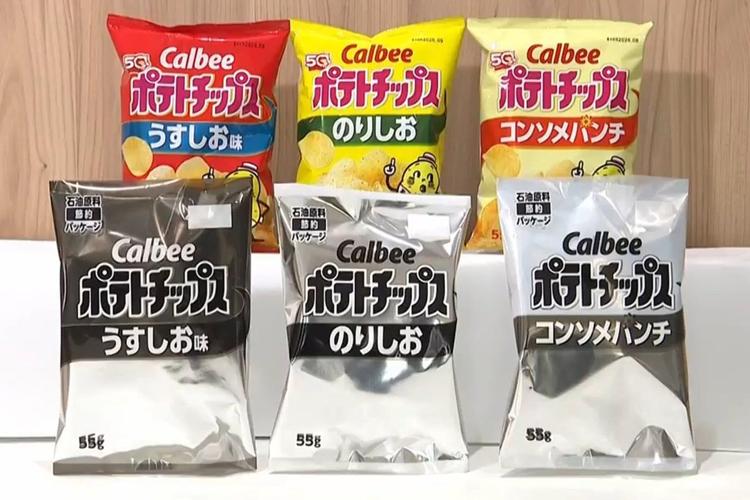
The Iran-U.S. conflict and Strait of Hormuz closure have triggered a critical naphtha supply crisis impacting Japanese consumer goods manufacturers and cross-border e-commerce sellers. Calbee, controlling approximately 50% of Japan's snack market, announced on May 12, 2026, a shift to black-and-white packaging for 14 products (potato chips, Kappa Ebisen shrimp snacks, Frugla granola) effective May 25, 2026—a direct response to naphtha price surges of 60% year-over-year. The core issue: naphtha, a petroleum-derived hydrocarbon essential for plastic production and printing ink manufacturing, faces severe supply constraints. Japan imports over 60% of its naphtha requirements, with 70% sourced from the Middle East. The Strait of Hormuz closure (handling ~20% of global oil) has forced Japan to increase U.S. naphtha imports to 15 million barrels in March 2026, with government plans to triple non-Middle Eastern sourcing.
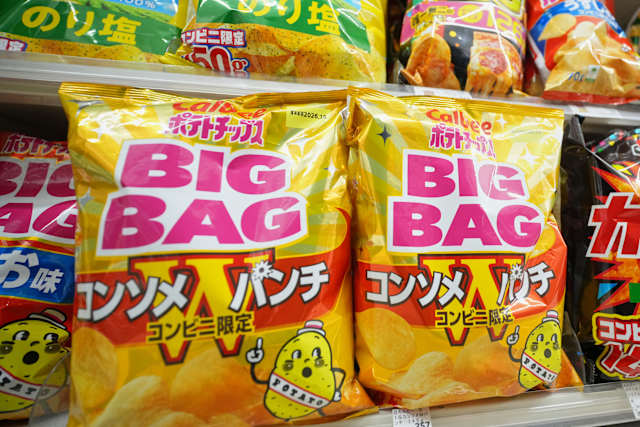
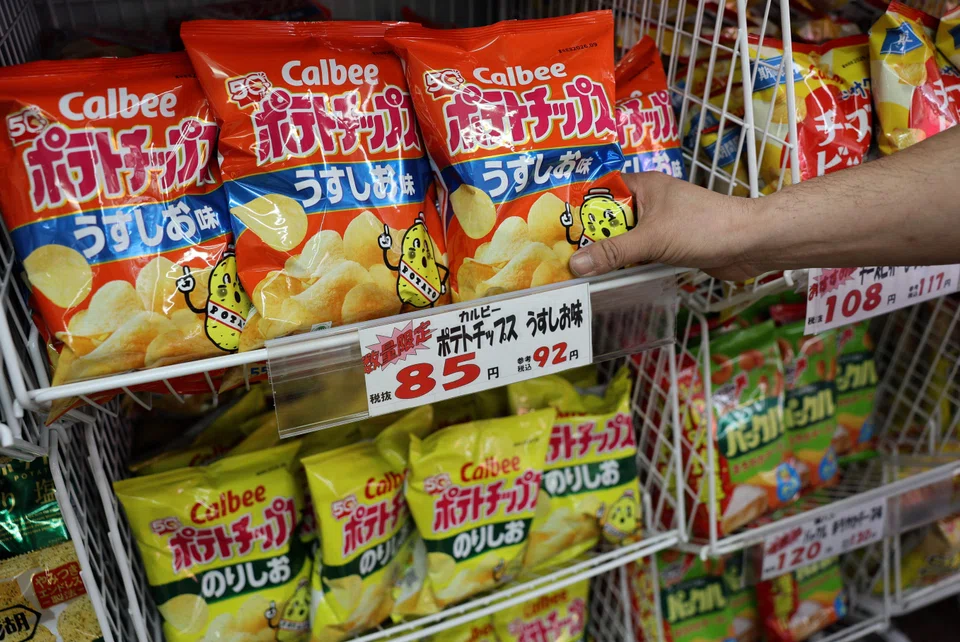
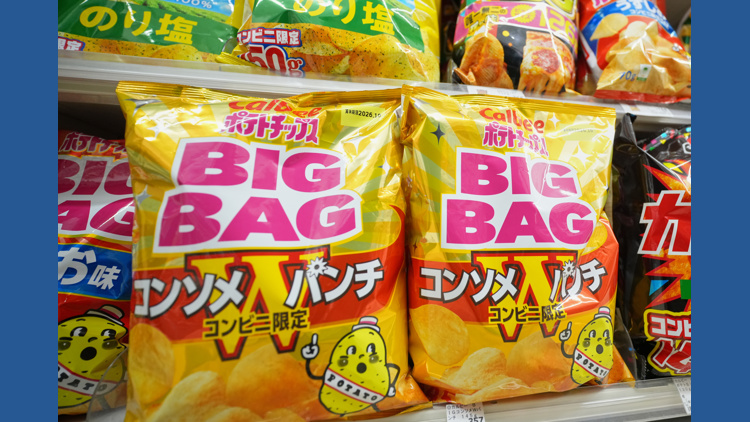
For cross-border e-commerce sellers, this creates immediate operational and competitive challenges. Sellers sourcing Japanese snacks from Calbee, Itoham Yonekyu, and other manufacturers face packaging cost increases of 8-15% due to naphtha-driven ink and plastic price inflation. The packaging change itself—from color-coded identification (red bags for lightly salted, yellow-green for seaweed) to monochrome designs—creates brand recognition risks on Amazon, eBay, and specialty food marketplaces. Consumers accustomed to visual product differentiation now rely on text labels, potentially reducing impulse purchases and increasing return rates. Inventory management becomes critical: sellers holding pre-May 25 colored packaging stock face obsolescence risk, while post-May 25 monochrome inventory requires updated product photography and listing optimization across all platforms.
The competitive advantage shifts toward sellers with supply chain diversification. Companies like Shiseido exploring plant-based alternatives signal emerging opportunities in sustainable packaging materials. Sellers can capitalize on this transition by: (1) sourcing from alternative Japanese manufacturers less dependent on Middle Eastern naphtha, (2) identifying Vietnamese, Thai, or Indonesian snack producers offering similar products with stable packaging costs, (3) developing private-label snack products with simplified packaging designs that reduce ink requirements. The supply disruption also creates arbitrage opportunities—sellers with existing colored-package inventory can command premium pricing during the transition period (May-August 2026) before market stabilization. Additionally, sellers should monitor Japanese government procurement initiatives tripling non-Middle Eastern naphtha imports, which may create tariff advantages for U.S.-sourced packaging materials entering Japan by Q3 2026.
Risk mitigation requires immediate action. Sellers must audit current Calbee and competitor inventory, update product listings with new packaging images before May 25, and establish backup suppliers from Vietnam, India, or Indonesia. The broader implication: geopolitical conflicts now directly impact consumer-facing product presentation, affecting brand equity and conversion rates on e-commerce platforms. This precedent suggests future supply shocks will increasingly force packaging compromises, making supply chain resilience a competitive differentiator in the $2.1B global specialty snacks category.
Questions 8
Which alternative snack sourcing countries offer supply chain advantages during this crisis?
Vietnam, Thailand, and Indonesia offer immediate alternatives to Japanese snack sourcing. These countries have lower naphtha import dependency (Vietnam imports 40% vs. Japan's 60%), resulting in 5-8% lower packaging costs. Thai snack manufacturers like Taokaenoi and Vietnamese producers have established e-commerce distribution networks on Amazon and Shopify. Sellers can diversify sourcing by allocating 20-30% of inventory to Southeast Asian suppliers, reducing geopolitical exposure while maintaining similar product quality and consumer appeal in Western markets.
What inventory management risks do sellers face with Calbee's packaging transition?
Sellers holding pre-May 25, 2026 colored-package Calbee inventory face obsolescence risk as the market shifts to monochrome designs. However, this creates a 2-3 month arbitrage window (May-August 2026) where colored packages command 15-25% premium pricing due to scarcity. Sellers should immediately audit inventory levels, prioritize selling existing stock at premium prices, and pre-order monochrome packaging variants. Failure to update product listings by May 25 risks Amazon suppression for 'inaccurate product images' and eBay Best Match algorithm penalties.