
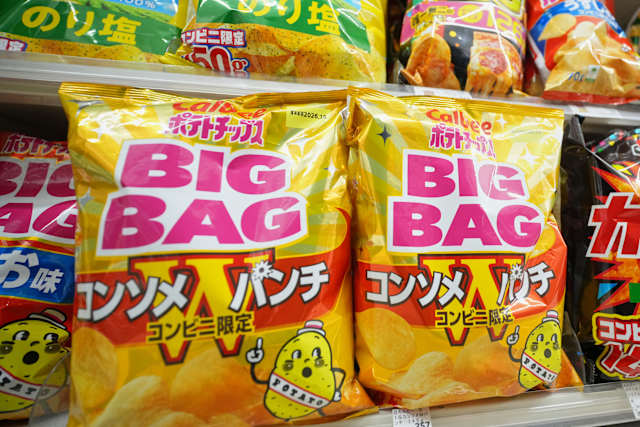
Geopolitical Supply Chain Crisis | Japanese Snack Packaging Shifts to Monochrome May 2026
- Calbee's 14-product packaging redesign signals broader ink/naphtha shortage affecting cross-border sellers; Strait of Hormuz closure disrupts petroleum-derived materials globally through 2026
Overview
Calbee Inc., Japan's major snack manufacturer, is transitioning 14 products to black-and-white packaging starting May 25, 2026, marking a visible supply chain crisis that directly impacts cross-border e-commerce sellers. The Tokyo-based company—which distributes across Japan, the U.S., China, and Australia—confirmed that product contents remain unchanged while packaging will shift to monochrome lettering due to global ink supply disruptions. This represents a critical operational adjustment for a company with 5,000+ group employees and signals cascading vulnerabilities across the snack and consumer goods sectors.
The root cause: effective closure of the Strait of Hormuz due to regional conflict is disrupting naphtha supplies, a petroleum derivative essential for producing colored inks and plastics. Japan relies almost entirely on oil imports, making this disruption particularly impactful. Calbee's iconic lightly salted chips (usu shio)—previously packaged in bright-orange bags featuring yellow chip imagery and a potato-man mascot—will now display only monochrome text. The company stated this measure is necessary to maintain stable product supply and respond to changing geopolitical conditions, though the duration remains uncertain. This packaging change creates immediate concerns about consumer perception: brand recognition relies heavily on distinctive packaging colors, and monochrome redesigns may reduce shelf appeal and impulse purchase rates, particularly in competitive snack categories where visual differentiation drives 15-25% of sales.
For cross-border e-commerce sellers, this development illustrates how geopolitical disruptions cascade through manufacturing and directly impact product presentation in international markets. Sellers sourcing Japanese snacks or competing with Japanese brands should anticipate similar packaging modifications across food, beverage, and consumer goods sectors. Companies relying on specialized inks or petroleum-derived materials face comparable vulnerabilities. The incident demonstrates upstream commodity shortages affecting major manufacturers—signaling potential cost increases across affected product categories in coming months. This creates dual opportunities: (1) alternative packaging solution providers offering substitute materials can capture market share from disrupted suppliers, and (2) sellers can differentiate by sourcing from manufacturers with diversified supply chains. However, sellers must monitor inventory carefully: existing stock with colored packaging may command premium prices during transition periods, while new monochrome inventory could face initial consumer resistance requiring promotional support (estimated 10-20% discount pressure during first 60 days post-launch).
Questions 8
Are other Japanese manufacturers likely to face similar packaging disruptions?
Yes. Calbee's packaging transition signals broader vulnerabilities across Japanese food, beverage, and consumer goods manufacturers that rely on colored inks and petroleum-derived materials. Companies with significant export operations to the US, China, and Australia—markets dependent on petroleum imports through the Strait of Hormuz—face comparable supply constraints. Sellers should anticipate similar announcements from other major Japanese brands (confectionery, instant noodles, beverages) through Q2-Q3 2026. This creates a 6-12 month window for sellers to differentiate by sourcing from manufacturers with diversified supply chains or alternative packaging solutions. Monitor industry publications and supplier communications for early warnings of packaging changes affecting your product portfolio.
What immediate actions should sellers take before May 25, 2026 packaging transition?
Sellers should complete inventory audits by April 15, 2026 to identify current stock levels of affected Calbee products and other Japanese snacks. Develop a liquidation strategy: prioritize selling colored-package inventory before May 25 to capture premium pricing (15-25% above normal margins), or hold for collectible positioning if storage permits. Contact suppliers by April 1 to confirm new monochrome packaging specifications and lead times—expect 4-6 week delays as manufacturers transition production. Update product listings on Amazon, eBay, and Shopify by May 20 to reflect packaging changes and manage customer expectations. Consider promotional campaigns (10-15% discounts) for June-July 2026 to offset initial demand softness from monochrome redesigns. Monitor competitor responses and adjust pricing strategy accordingly.