
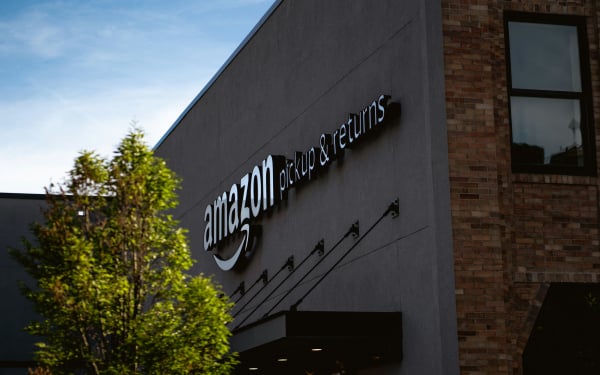
Amazon Now 30-Minute Delivery Reshapes Offline Retail | Micro-Fulfillment Dark Stores Drive O2O Convergence
- Amazon deploys 5,000 sq ft dark stores in 4 major cities with 50+ expansion planned; threatens Walmart foot traffic and creates urgent O2O partnership opportunities for brands in fresh produce, baby items, electronics, and alcohol categories
Overview
Amazon's launch of Amazon Now represents a fundamental restructuring of the offline-to-online (O2O) retail landscape, with direct implications for physical store strategies across the U.S. The service, currently operational in Atlanta, Dallas-Fort Worth, Philadelphia, and Seattle with expansion to Austin, Houston, Denver, and dozens of additional cities by year-end, fundamentally challenges traditional retail's competitive advantage: foot traffic and convenience. By deploying a network of 5,000-square-foot micro-fulfillment dark stores in urban centers, Amazon has eliminated the traditional retail store's primary value proposition—immediate product availability—while maintaining the speed advantage that drives conversion rates and customer retention.
The offline retail disruption is immediate and measurable. Amazon Now's 30-minute delivery window directly competes with Walmart's same-day delivery investments and threatens the foot traffic that historically drove emergency and immediate-need purchases. With tiered pricing ($3.99 for Prime members, $13.99 for non-members) and small-order fees ($1.99-$3.99), Amazon has created a pricing structure that makes impulse purchases economically viable for consumers. The service delivers fresh produce, baby items, electronics, and alcohol (where permitted) 24 hours daily, directly cannibalizing categories that traditionally anchored physical retail traffic. For brands and sellers, this signals a critical shift: physical store presence is no longer about conversion—it's about brand experience, community engagement, and premium positioning.
For cross-border sellers and brands, the strategic imperative is immediate O2O integration. The dark store model reveals Amazon's operational playbook: ultra-fast delivery requires hyper-local inventory positioning, which creates partnership opportunities for brands to secure shelf space in these micro-fulfillment centers. Sellers in fresh produce, baby items, and electronics categories should prioritize partnerships with Amazon's dark store network and parallel Walmart+ expansion. The competitive pressure on Walmart creates an opening for brands to negotiate better terms with Walmart's fulfillment network as it races to close the speed gap. Additionally, the threat to foot traffic creates an urgent need for experiential retail strategies—pop-up stores, showrooms, and brand experiences that justify physical visits when 30-minute delivery is available. Cities like Atlanta, Dallas-Fort Worth, Philadelphia, and Seattle represent immediate test markets for O2O strategies, with Austin, Houston, and Denver offering secondary expansion opportunities. Brands should evaluate micro-fulfillment partnerships, retail chain collaborations (particularly with Walmart and regional chains seeking to compete), and experiential pop-up locations in high-foot-traffic areas to differentiate from Amazon's convenience play.
The operational cost structure favors integrated logistics players. Amazon's ability to sustain 30-minute delivery depends on dark store density and last-mile efficiency—a competitive moat that smaller retailers cannot easily replicate. This creates a bifurcated retail landscape: Amazon and Walmart competing on speed/convenience, while specialty retailers and brands compete on experience and curation. For sellers, the strategic choice is clear: either integrate into Amazon's dark store network (requiring product assortment optimization and packaging redesign), partner with Walmart's fulfillment expansion, or build differentiated offline experiences that justify physical visits. The dark store model also signals that traditional retail real estate is becoming less valuable, creating opportunities for brands to secure premium pop-up locations at lower costs as landlords face reduced foot traffic.
Questions 8
How does Amazon Now's 30-minute delivery threaten traditional offline retail foot traffic?
Amazon Now directly eliminates the primary advantage of physical stores—immediate product availability—by delivering fresh produce, baby items, electronics, and alcohol within 30 minutes in Atlanta, Dallas-Fort Worth, Philadelphia, and Seattle. The service operates 24 hours daily with tiered pricing ($3.99 for Prime members), making impulse purchases economically viable for consumers. This directly threatens Walmart's foot traffic, particularly for emergency and immediate-need purchases that historically drove in-store sales. For offline retailers, this signals that physical presence must now focus on experiential differentiation rather than convenience, as Amazon's dark store network has made speed a commodity.
Which product categories benefit most from Amazon Now's dark store network?
Amazon Now prioritizes fresh produce, baby items, electronics, and alcohol (where permitted)—categories that traditionally drove foot traffic to physical retailers. These categories benefit from 30-minute delivery because they address immediate consumer needs (fresh groceries, urgent baby supplies, emergency electronics). For sellers in these categories, the strategic imperative is to secure shelf space in Amazon's dark store network or develop parallel partnerships with Walmart's fulfillment expansion. Brands should also evaluate experiential pop-up strategies in these categories to justify physical visits when convenience delivery is available.