



OpenAI Governance Crisis & AI Privacy Risks Impact E-Commerce Seller Compliance 2026
- May 2026 trial reveals $80B valuation dispute and AI data discovery risks affecting 50K+ seller-entrepreneurs using ChatGPT for business planning












Overview
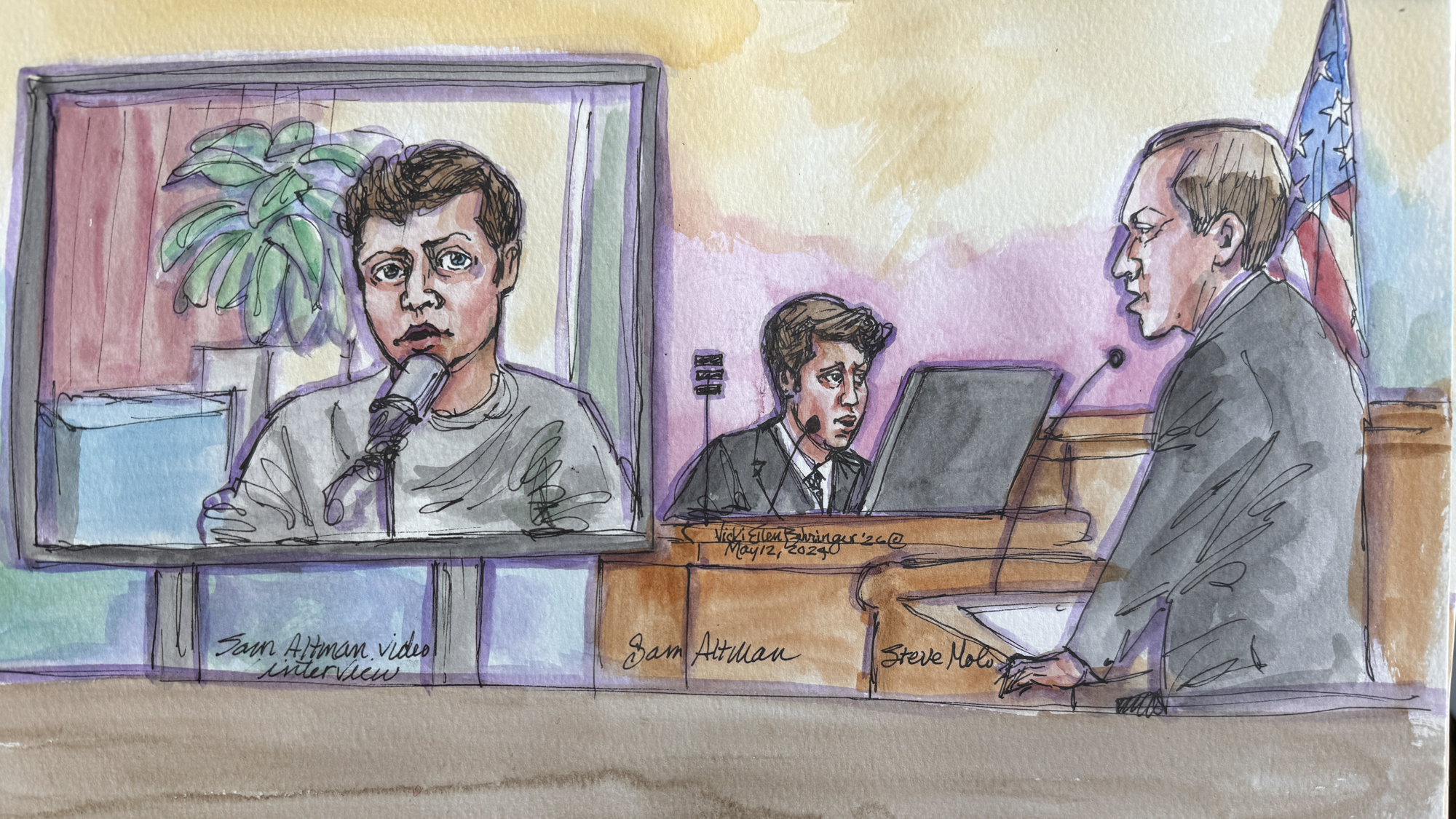
The Musk v. OpenAI trial (May 2026) represents a watershed moment for e-commerce entrepreneurs and small business owners who rely on AI chatbots like ChatGPT for strategic planning, financial projections, and competitive analysis. The trial centers on Musk's $38 million donation claim and OpenAI's conversion to a for-profit subsidiary now valued at $80+ billion, but the critical revelation for sellers emerges from News 2: AI chatbot conversations are not protected by attorney-client privilege or therapist-patient confidentiality and become standard discovery material in litigation.
For cross-border e-commerce sellers, this creates immediate operational and legal exposure. The Guardian article warns that millions of business professionals treat AI chatbots as confidential spaces while unknowingly creating permanent, discoverable records. A lawyer cited by Axios projects that AI chatbot conversations will become standard discovery material in major executive litigation within the next decade. Real-world precedent already exists: a former NFL player's ChatGPT interactions became admissible court evidence. For seller-entrepreneurs discussing sensitive topics—inventory financing strategies, pricing tactics that might appear predatory, supplier negotiations, or tax optimization approaches—these conversations create discoverable evidence that could be weaponized in disputes with competitors, employees, or regulatory bodies.
The governance crisis at OpenAI signals broader instability in AI platform reliability. Altman's testimony reveals fundamental disagreements over corporate structure, with Musk allegedly proposing to pass OpenAI to his children (characterized as "hair-raising" by Altman). Board members briefly ousted Altman in 2023 for "lack of candor," and employees including Dario Amodei (founder of rival Anthropic) expressed concerns about his trustworthiness. This internal chaos directly impacts sellers: OpenAI's governance uncertainty affects ChatGPT's long-term viability as a business tool, data retention policies, and potential liability exposure. If OpenAI faces regulatory action or restructuring, seller data stored in ChatGPT conversations could face unexpected disclosure or deletion.
The operational impact extends to seller compliance and risk management. Sellers using ChatGPT for business discussions should assume conversations are: (1) permanently retained by OpenAI, (2) subject to third-party data sharing per platform terms, (3) discoverable in litigation, and (4) potentially exposed if OpenAI's governance structure changes. This is particularly critical for Amazon FBA sellers managing inventory financing, eBay sellers negotiating supplier terms, and Shopify merchants discussing pricing strategies. The trial evidence shows that even personal diary entries discussing "financial ambitions" and "moral concerns" about corporate structure become central litigation evidence—suggesting that seller conversations about margin optimization, competitor underpricing, or supplier relationships carry similar discovery risk.
Questions 8
How does the OpenAI trial affect sellers using ChatGPT for business planning?
The May 2026 trial reveals that **ChatGPT conversations are not protected by attorney-client privilege** and become discoverable in litigation. For e-commerce sellers, this means discussions about pricing strategies, supplier negotiations, inventory financing, or competitive analysis documented in ChatGPT create permanent records that could be used against you in disputes with competitors, employees, or regulators. A lawyer cited by Axios projects AI chatbot conversations will become standard discovery material in major executive litigation within the next decade. Sellers should immediately audit their ChatGPT history and avoid discussing sensitive business decisions through AI chatbots.
What specific seller conversations are at legal risk in AI chatbots?
The trial evidence shows that even personal diary entries discussing 'financial ambitions' and 'moral concerns' about corporate structure became central litigation evidence. For sellers, this translates to high-risk conversations including: (1) margin optimization tactics, (2) competitor underpricing strategies, (3) supplier payment negotiations, (4) inventory financing approaches, (5) pricing discrimination by customer segment, and (6) tax optimization strategies. OpenAI retains conversations indefinitely and reserves rights to share data with third parties per platform terms. Unlike attorney-client communications, these conversations lack legal protection.