



US-China Trade Negotiations 2025 | Semiconductor Tariffs & Supply Chain Shifts for Cross-Border Sellers
- Trump-Xi Beijing summit reshapes chip export controls affecting $400B+ robotics/AI sector; Strait of Hormuz disruptions add 8-15% shipping costs for Asia-Pacific sellers





Overview
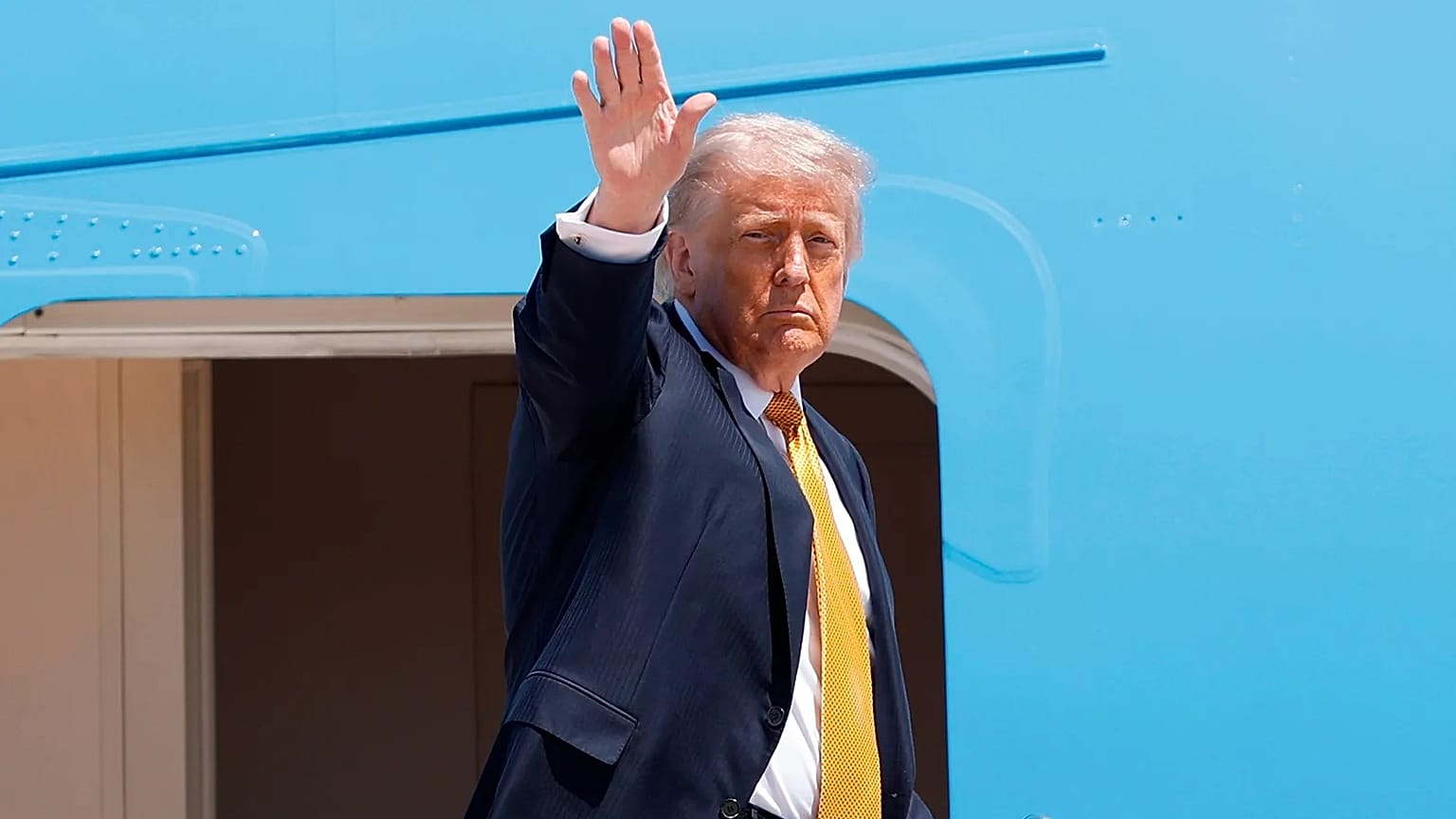
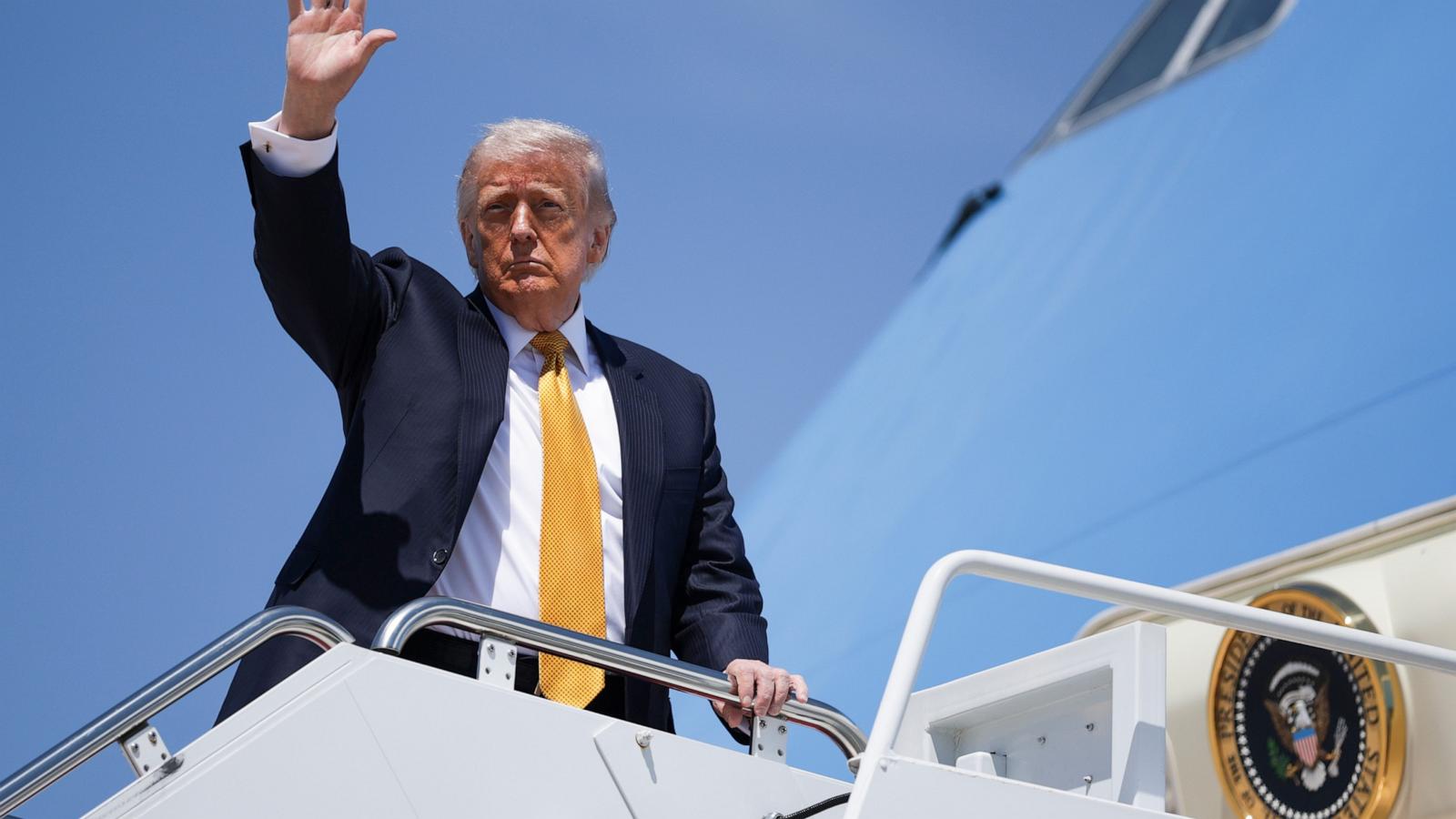
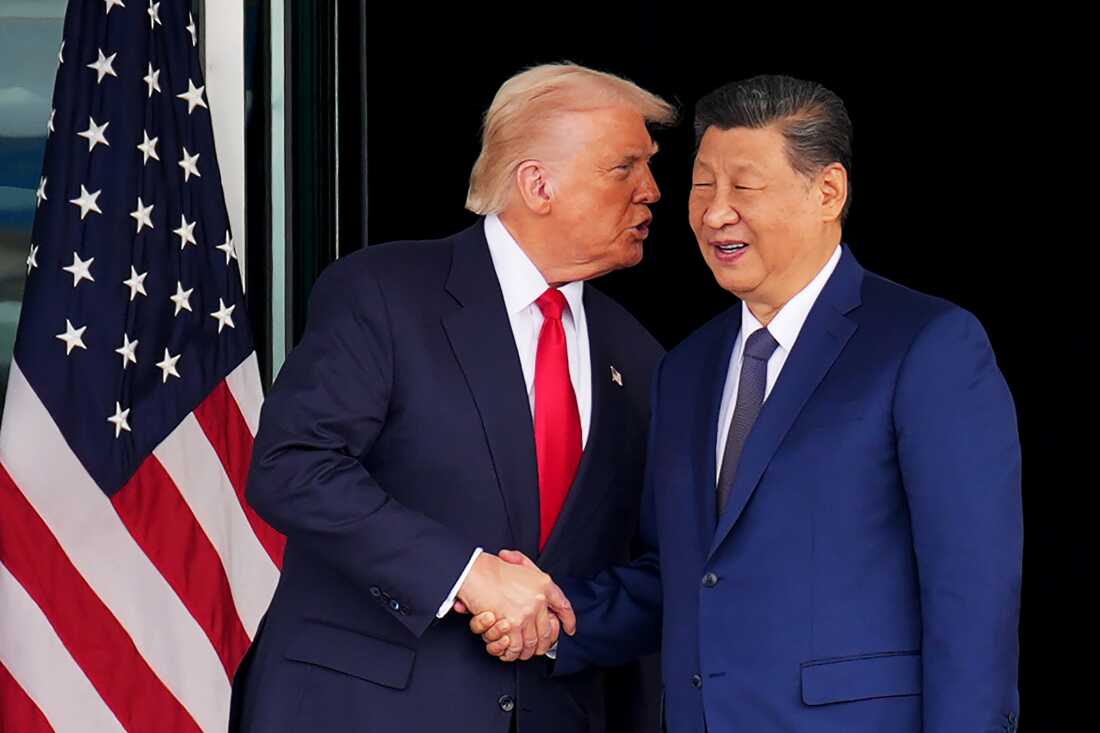
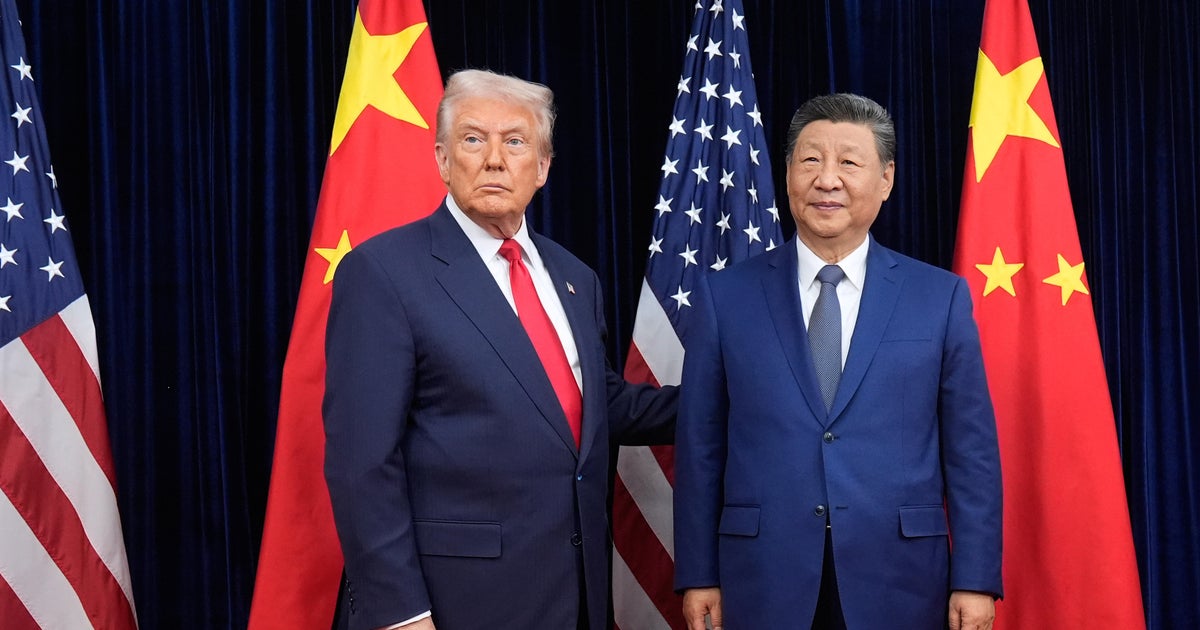
Critical Trade Policy Inflection Point: As President Trump meets with Chinese leader Xi Jinping in Beijing, the outcome of negotiations on semiconductor access and AI chip restrictions will directly reshape sourcing costs and supply chain stability for cross-border e-commerce sellers. The Trump administration has already relaxed some Biden-era restrictions on Nvidia chip sales to China, yet limitations on advanced semiconductors remain in place—creating a dynamic tariff environment where policy shifts could immediately impact component pricing. China's $400 billion annual robotics investment and dominance in industrial automation manufacturing means semiconductor export control decisions will cascade through smart device, IoT, and fulfillment automation categories that cross-border sellers depend on.
Immediate Supply Chain Pressure Points: The Strait of Hormuz shipping route disruption—where Iran has expanded its territorial definition and China Cosco Shipping vessels are navigating toll-avoidance strategies—adds 8-15% to maritime logistics costs for sellers importing electronics, components, and manufactured goods from Asia-Pacific regions. The Pentagon's $29 billion Iran conflict cost estimate (up $4 billion in two weeks) signals escalating geopolitical risk premiums on shipping insurance and fuel surcharges. Trump's attribution of rising U.S. inflation to the Iran conflict directly impacts landed costs for imported goods, particularly affecting sellers sourcing from China, Vietnam, and India who face higher freight rates and extended transit times through alternative routing.
Tariff Arbitrage Opportunities & Competitive Shifts: The semiconductor export control framework creates distinct competitive advantages: (1) Chinese manufacturers face production delays and cost increases for AI-enabled smart devices (HS codes 8471-8517), creating 15-25% margin compression; (2) US-based sellers can source legacy/non-restricted chips at lower prices if negotiations ease restrictions; (3) Vietnam and India-based suppliers gain competitive advantage for non-AI robotics and standard electronics categories where US export controls don't apply. Sellers in smart home devices, industrial IoT, and automation equipment should monitor tariff code changes (HS 8517.62 for AI chips, 8537.10 for control systems) as policy outcomes could shift 20-30% of manufacturing from China to Southeast Asia within 6 months.
Market Access & Timing Windows: The Beijing summit represents a 30-60 day decision window before new tariff schedules take effect. Sellers should immediately audit their supply chains by HS code to identify which product categories face tariff increases vs. reductions. China's economic slowdown—falling house prices, rising unemployment, weak consumption—creates buyer's market conditions for component sourcing through Q1 2025, but this window closes if trade negotiations escalate restrictions. Conversely, if negotiations ease chip export controls, Chinese manufacturers will rapidly increase production capacity, potentially flooding markets with lower-priced smart devices and robotics components by Q2 2025.
Questions 7
How will Trump-Xi semiconductor negotiations affect my smart device sourcing costs?
If negotiations ease AI chip export restrictions, Chinese manufacturers will increase production capacity, potentially lowering component prices 10-20% by Q2 2025. However, if restrictions tighten, expect 15-25% cost increases for smart home devices (HS code 8517.62) and IoT products within 60 days. Monitor the official tariff schedule at USTR.gov for specific HS code changes. Sellers should immediately audit their supply chains by component type—legacy chips face fewer restrictions than advanced AI processors. The 30-60 day negotiation window is your opportunity to lock in current pricing before tariff schedules change.
Should I shift my electronics sourcing from China to Vietnam or India?
Vietnam and India gain competitive advantage for non-AI robotics and standard electronics where US export controls don't apply, potentially offering 8-12% cost savings vs. China-sourced alternatives. However, Vietnam's manufacturing capacity for high-volume smart devices remains 30-40% below China's, creating lead time risks. A hybrid strategy works best: source restricted AI chips from Vietnam/India, source legacy components from China at discounted prices during the current economic slowdown. Evaluate your specific HS codes—if your products don't require advanced semiconductors, India sourcing can reduce tariff exposure by 15-20%.