


US-China Tariff Escalation 31.6% | Critical Supply Chain Shifts for E-Commerce Sellers
- Machinery/electronics sellers face immediate cost increases; semiconductor restrictions threaten tech product sourcing; Taiwan chip supply risks affect 90% of AI-grade semiconductor availability






























Overview
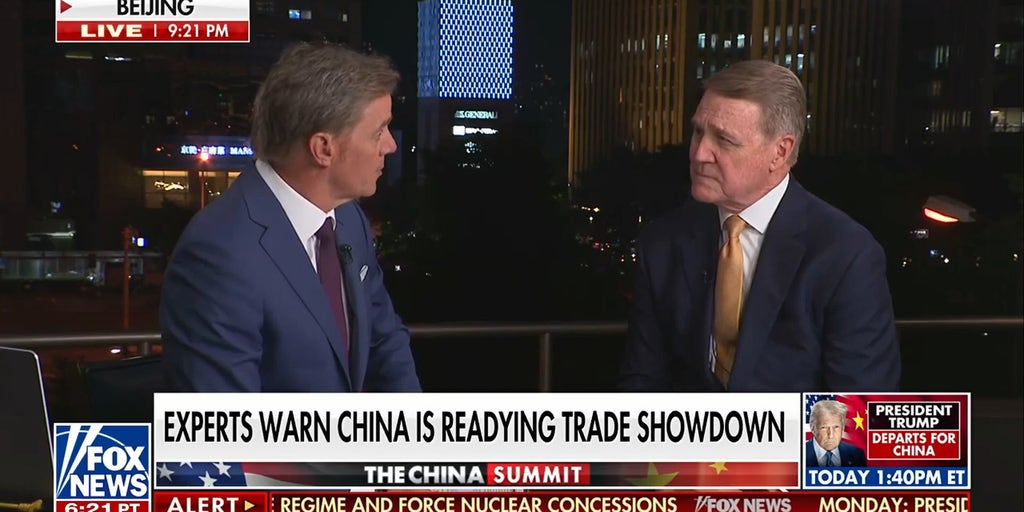
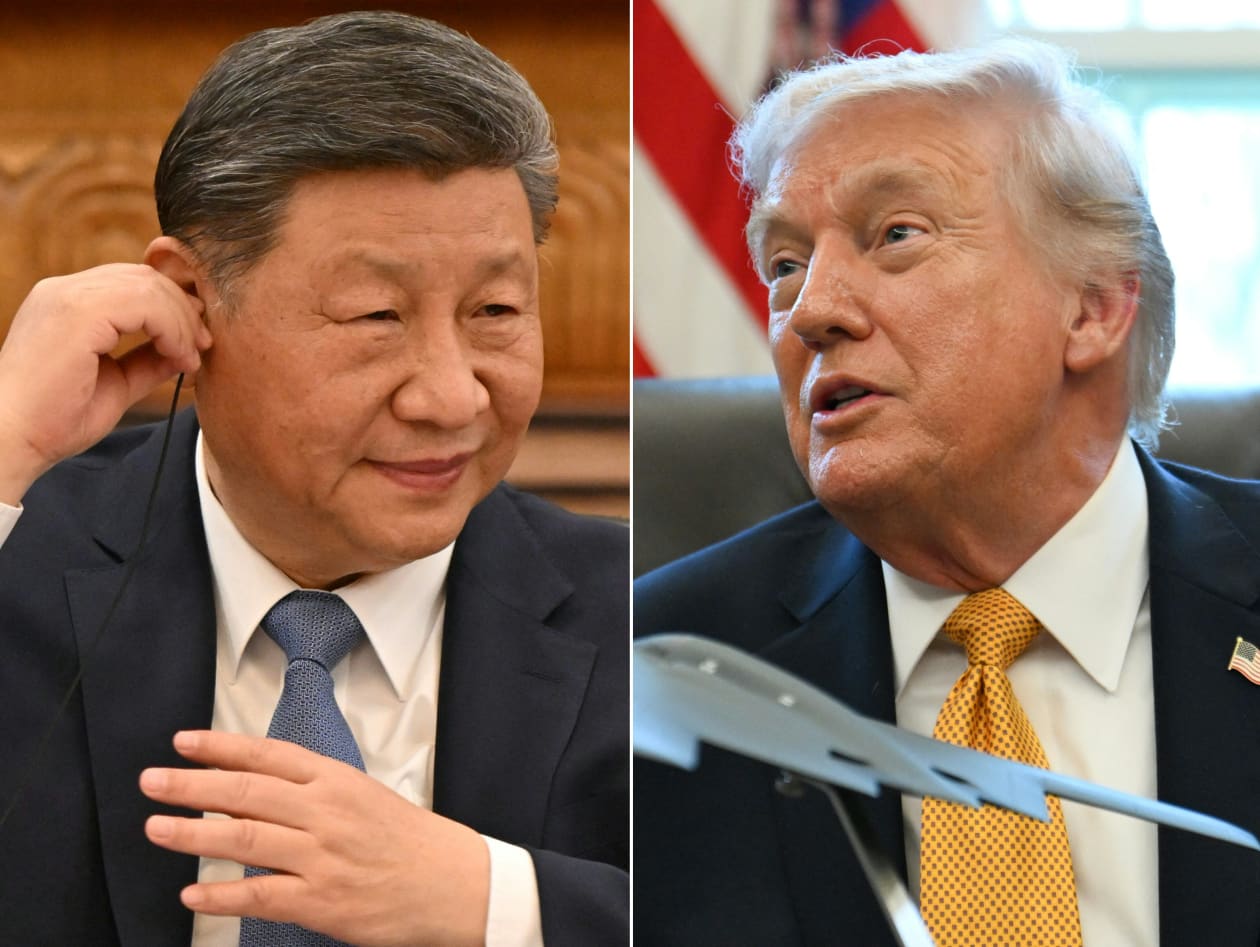
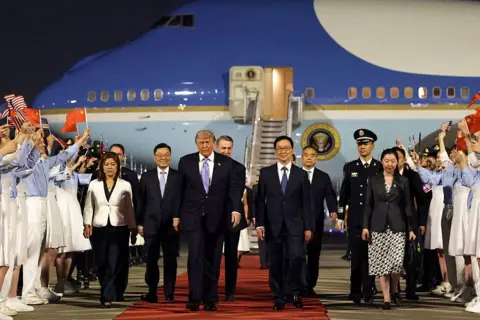
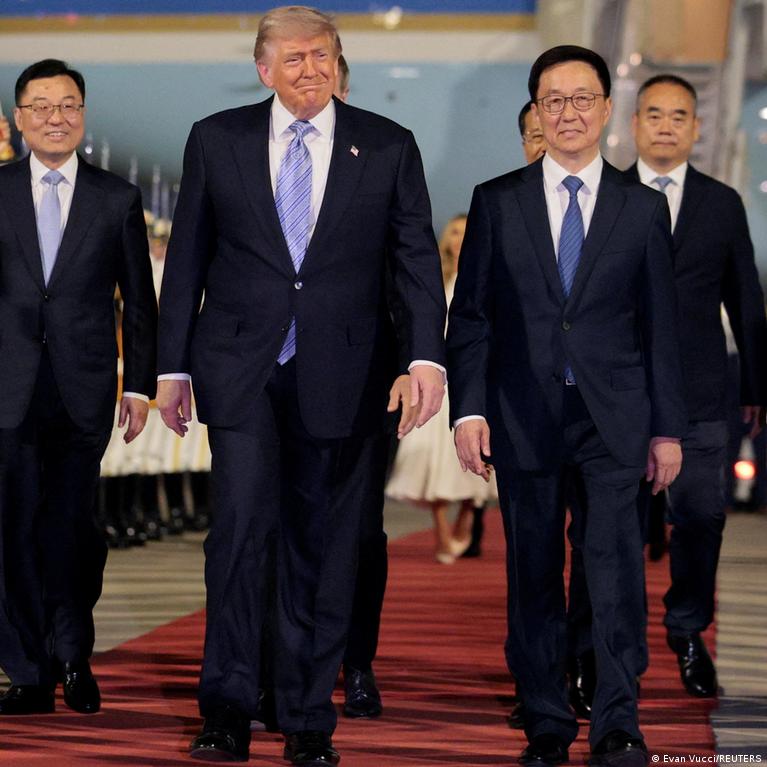
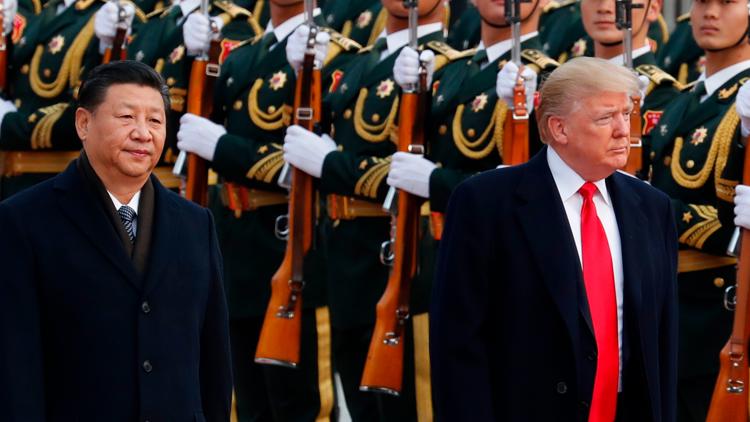
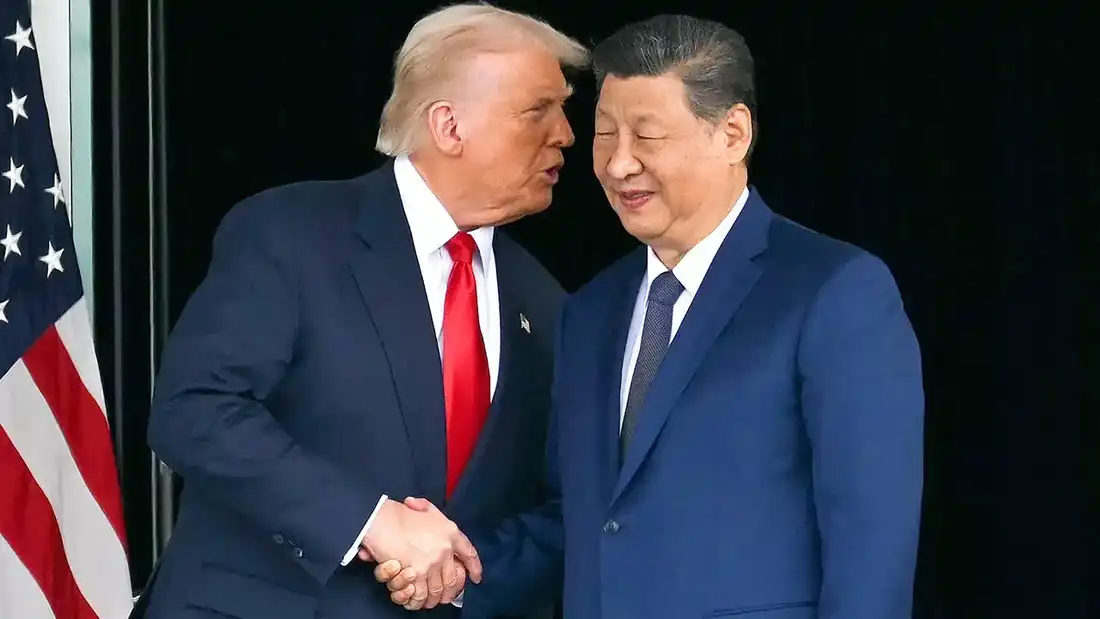
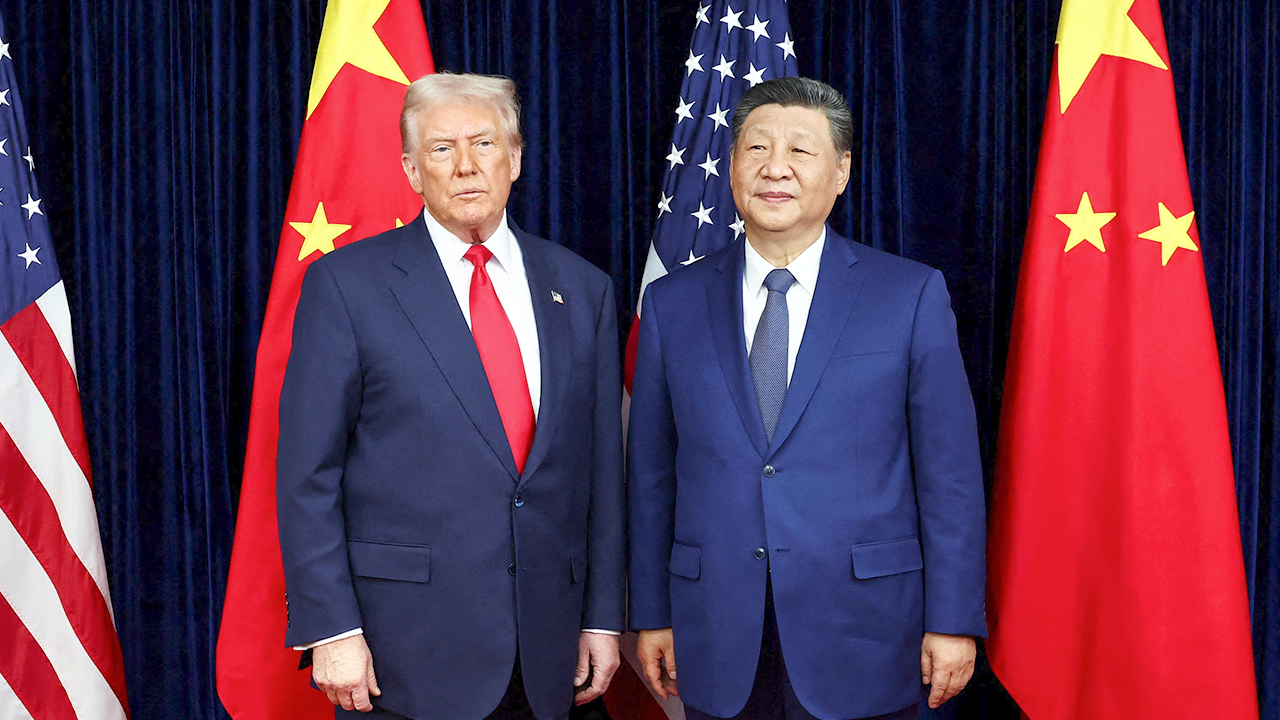
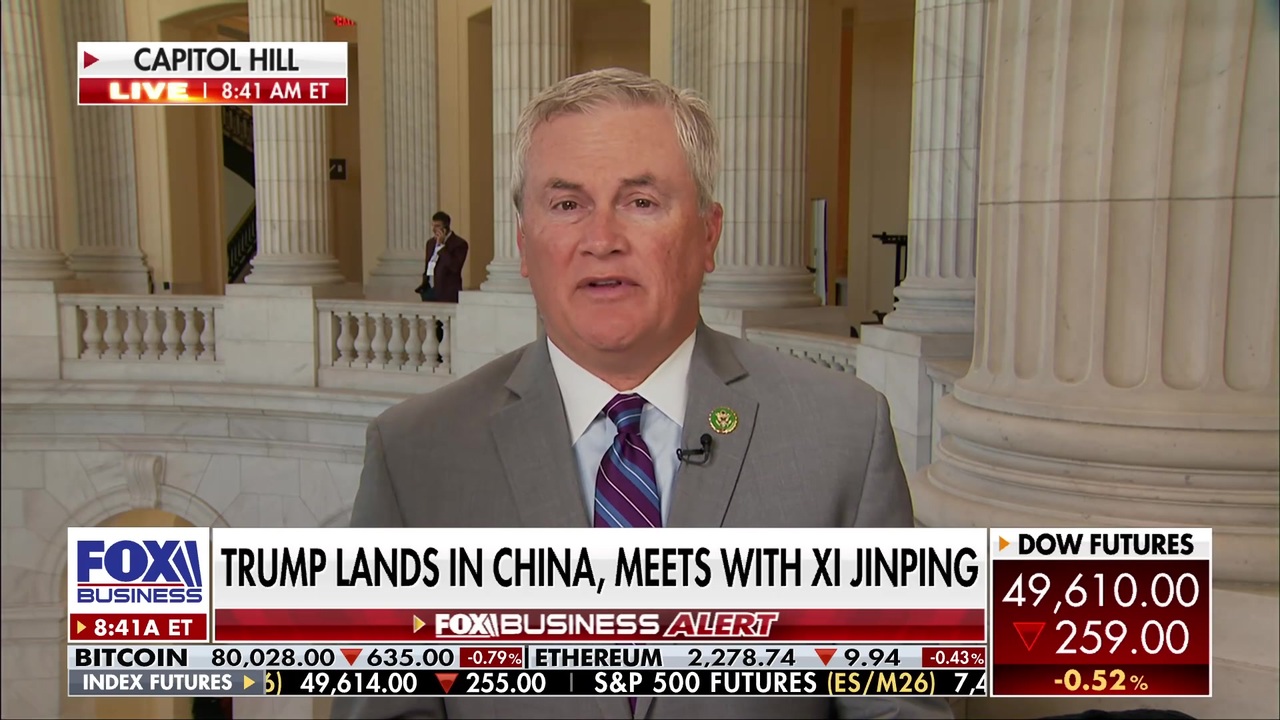
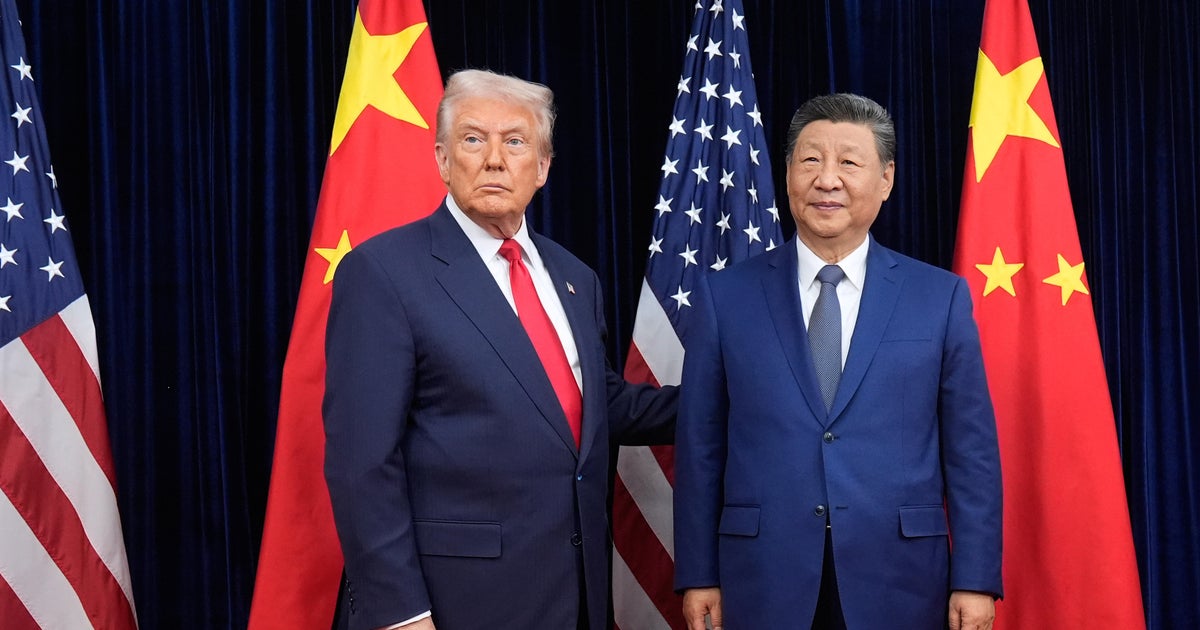
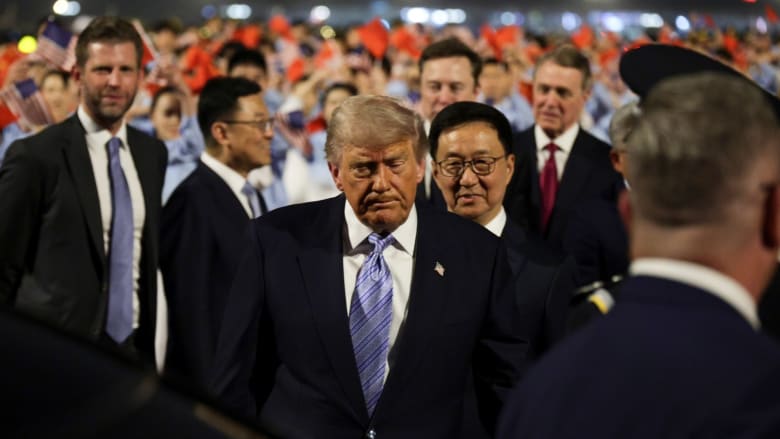
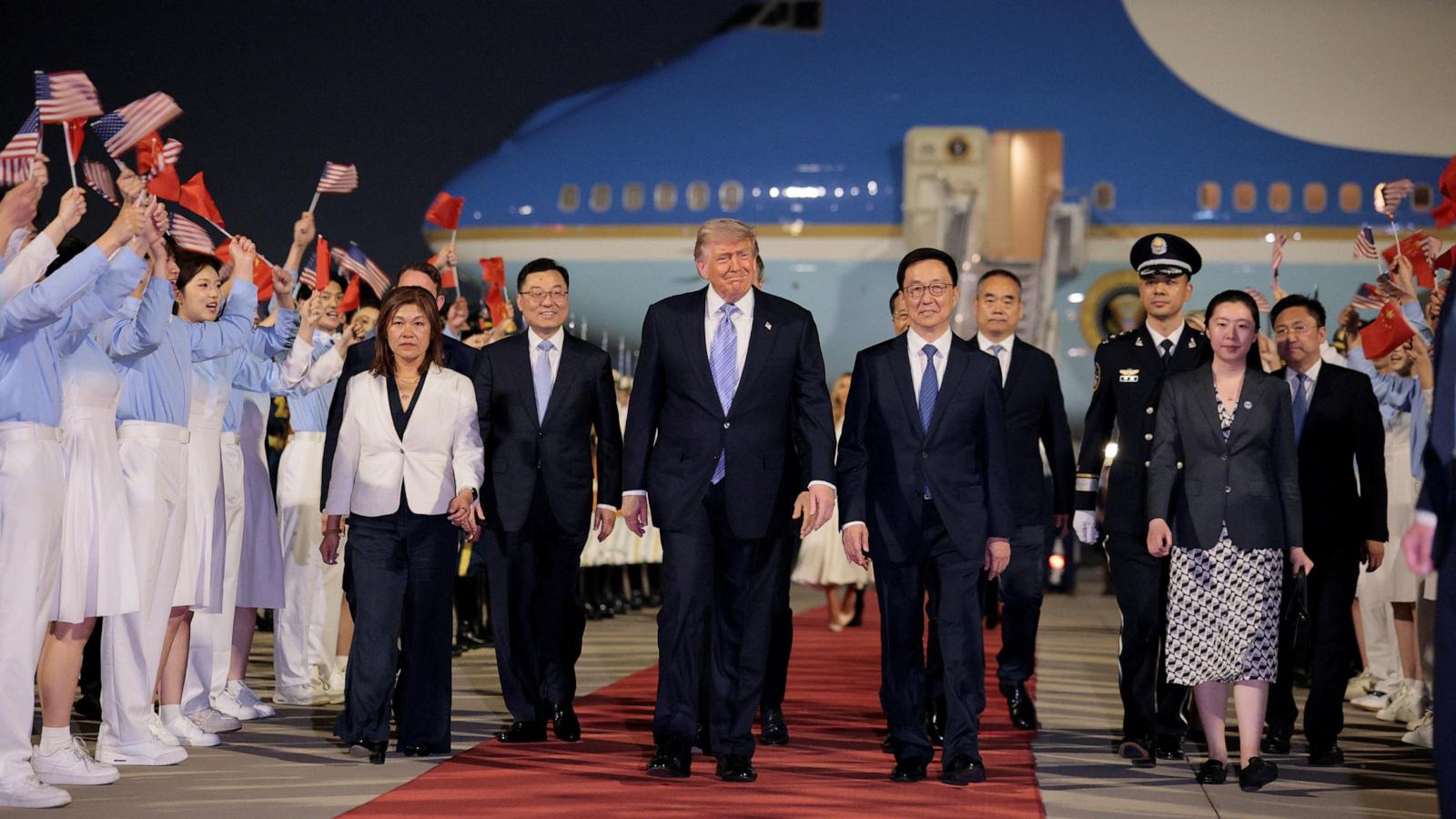
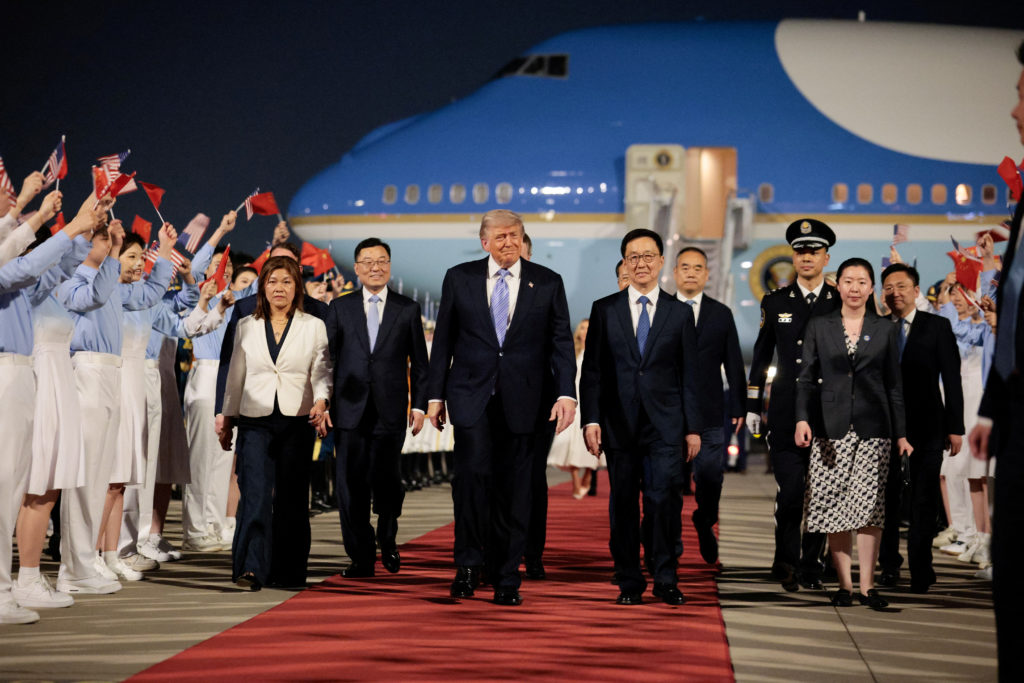
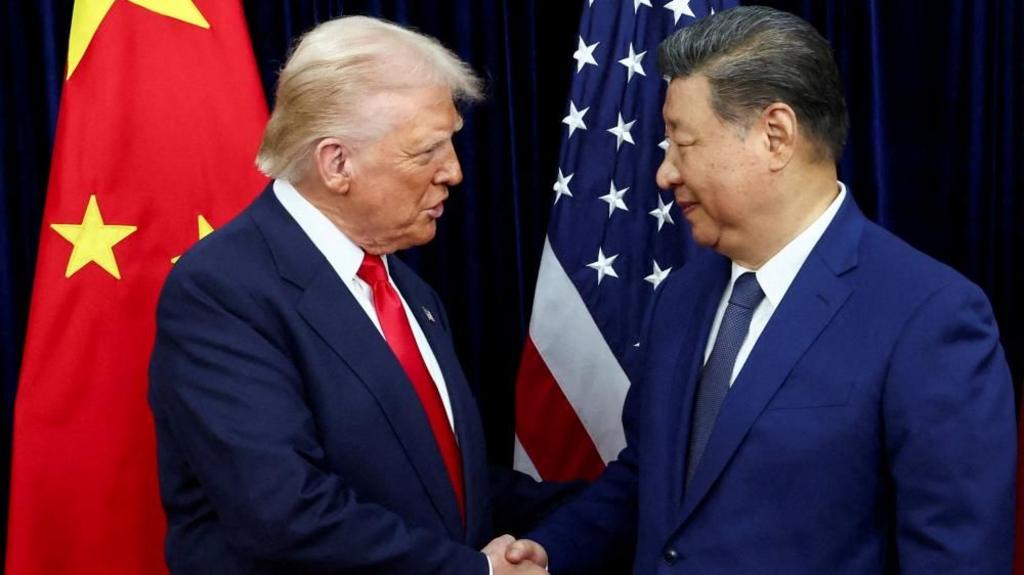
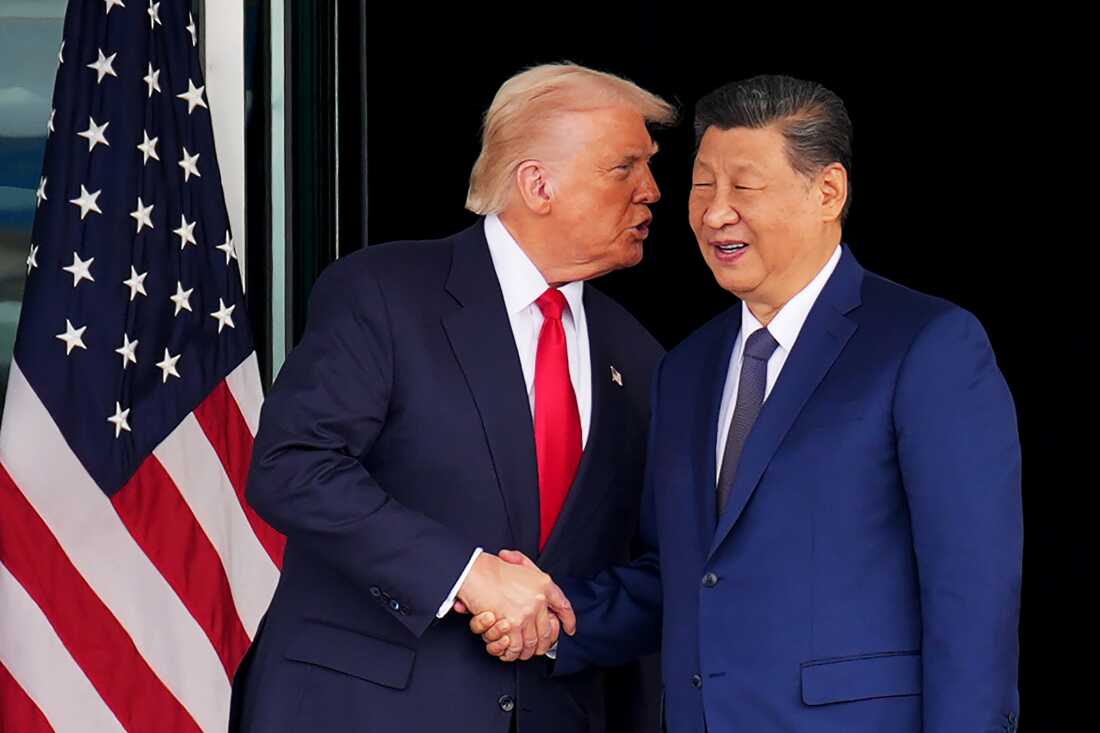
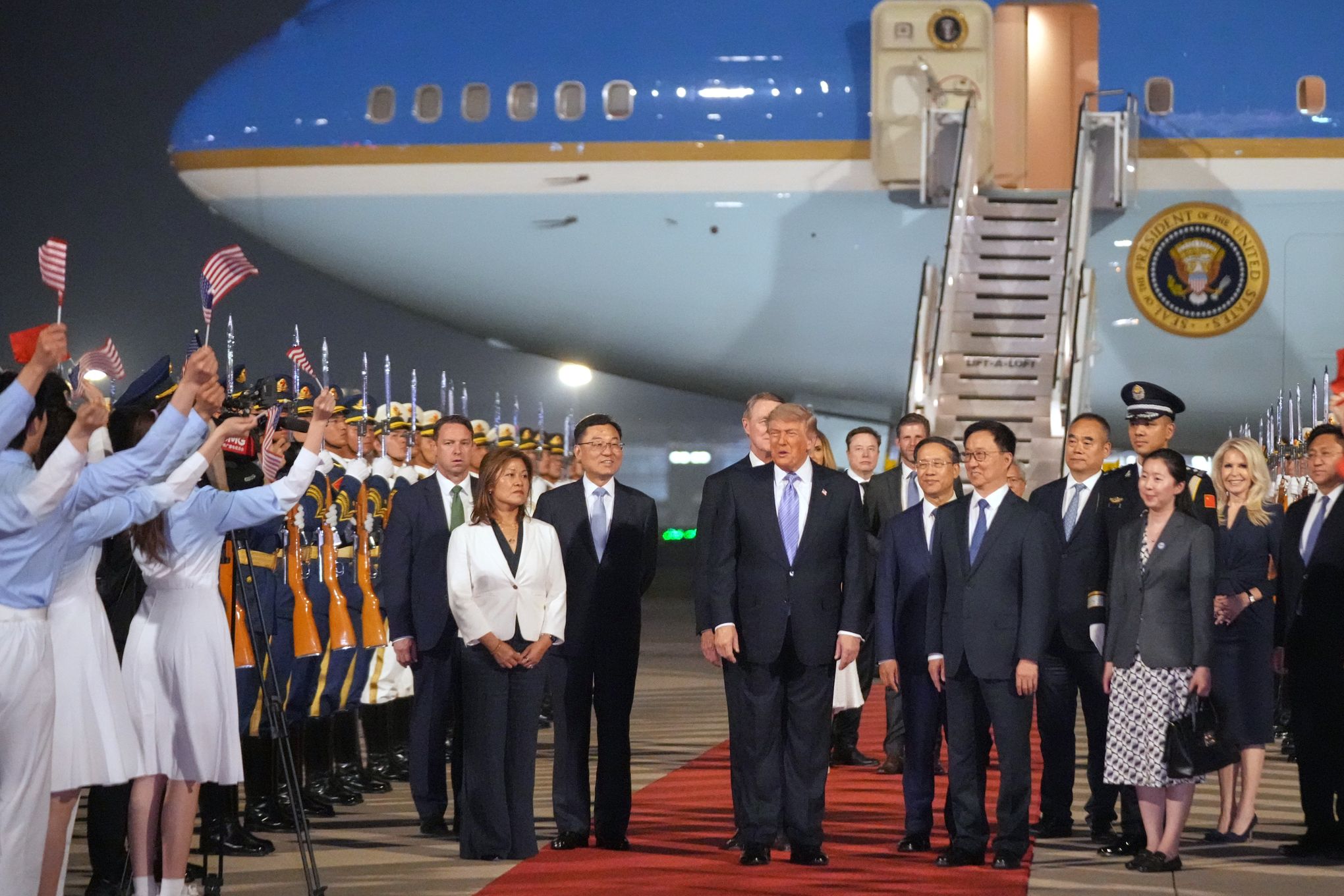
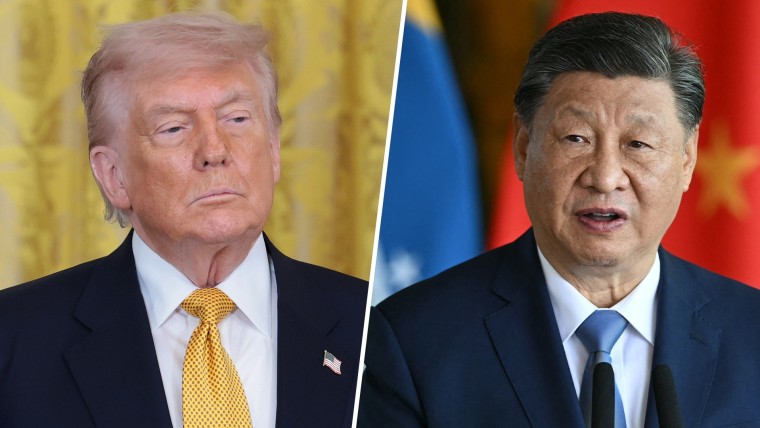
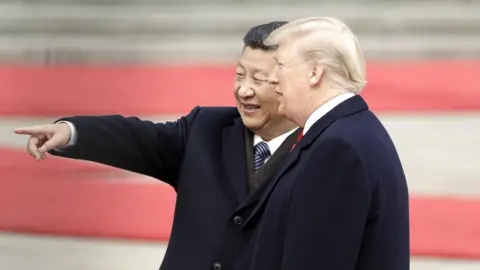
The Trump-Xi Beijing summit (May 2025) represents a critical inflection point for cross-border e-commerce sellers navigating escalating US-China trade tensions. Current US tariffs on Chinese imports average 31.6%, while China has imposed retaliatory tariffs ranging from 10-77% on US goods, directly impacting the $500+ billion bilateral trade corridor. China's dominance as the world's leading trading power—exporting $3.59 trillion annually to 145 economies versus the US's $1.9 trillion—creates asymmetric supply chain dependencies that sellers cannot easily circumvent. The summit's agenda explicitly includes semiconductor access and AI chip restrictions, signaling potential policy shifts that could reshape manufacturing costs and supply chain stability within 30-90 days.
For machinery and electronics sellers, the 31.6% average tariff represents an immediate margin compression crisis. These categories comprise 47% of China's total exports, making them the primary targets of US trade policy. Chinese manufacturers exporting smart devices, IoT products, robotics components, and automation systems face production cost increases of $300-800 per container depending on product complexity and HS codes. Conversely, US exporters encounter retaliatory tariffs on energy and agricultural products (10-77% range), creating asymmetric competitive advantages for sellers positioned in neutral markets like Vietnam, India, and Mexico. The summit's discussion of establishing a "new board of trade" suggests potential tariff relief windows for specific product categories—creating a 60-120 day arbitrage opportunity before policy stabilizes.
Semiconductor supply chain risks present the most acute threat to tech-dependent sellers. Taiwan produces 90% of AI-grade semiconductors, and US export controls implemented in 2022 have already constrained China's access to cutting-edge AI chips critical for robotics and smart device manufacturing. China's planned $400 billion robotics investment signals massive domestic demand for advanced semiconductors, but supply constraints mean Chinese manufacturers will face 8-16 week lead times and 15-25% price premiums through 2025. Sellers sourcing smart home devices, wearables, and automation products from China should immediately diversify to Taiwan-based suppliers or negotiate long-term contracts before potential tariff relief creates supply bottlenecks. The geopolitical risk is acute: any Taiwan-related policy shift could instantly eliminate 40-60% of global AI-grade semiconductor capacity, affecting all tech product categories.
China's economic slowdown creates both risks and opportunities for cross-border sellers. Falling house prices, rising unemployment, and weak domestic consumption reduce demand for imported goods in the Chinese market, but simultaneously create supplier desperation that can yield 10-20% cost reductions on manufacturing contracts. Sellers should capitalize on this window to lock in favorable supplier agreements through Q3 2025, before China's economic stimulus measures (if implemented) restore supplier pricing power. The fragile tariff truce established last autumn could collapse if summit negotiations fail, triggering immediate 5-15% cost increases on Chinese imports within 30 days of policy announcement.
Questions 8
What is the semiconductor supply chain risk for tech product sellers?
Taiwan produces 90% of AI-grade semiconductors, and US export controls have created 8-16 week lead times and 15-25% price premiums. If the Trump-Xi summit fails to ease restrictions, Chinese manufacturers will face acute chip shortages through 2025, cascading to all sellers sourcing smart devices, IoT products, and automation systems. The geopolitical risk is severe: any Taiwan policy shift could eliminate 40-60% of global AI-grade semiconductor capacity within weeks. Action: immediately contact your suppliers about chip sourcing and lead times. Lock in long-term contracts (12-24 months) at current prices before potential tariff relief creates supply bottlenecks. Consider Taiwan-based suppliers as backup sources.
What tariff relief opportunities exist from the Trump-Xi summit?
The summit's explicit agenda includes semiconductor access and AI chip restrictions, suggesting potential tariff relief for specific categories within 30-90 days. Trump's delegation of business leaders (Elon Musk, Tim Cook) signals pragmatic deal-making focused on technology and manufacturing. Historical precedent: the 2020 Phase One trade deal created tariff exemptions for 200+ product categories. Expect similar carve-outs for semiconductors, robotics components, and green energy products. Opportunity window: 60-120 days post-summit before policy stabilizes. Monitor USTR announcements daily and prepare tariff code analysis to identify which of your products might qualify for relief. Early movers can lock in lower tariff rates before competitors catch on.