
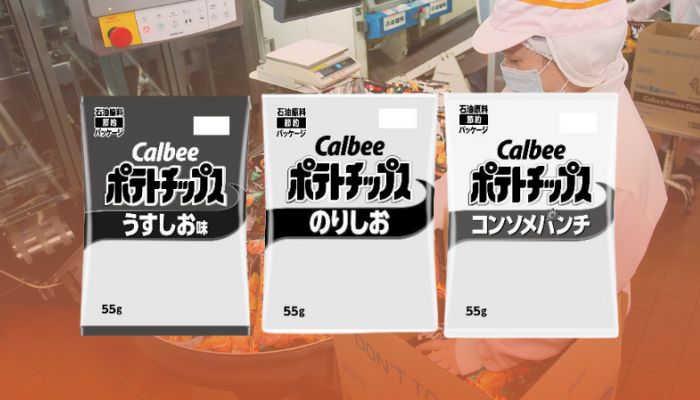


Naphtha Shortage Hits Japanese Snack Sellers | Calbee Packaging Change May 2026
- 14 Calbee SKUs shift to monochrome packaging May 25, 2026; naphtha/ink supply disruptions affect cross-border sellers in US, China, Australia markets; Strait of Hormuz closure creates 8-12% packaging cost increases






Overview
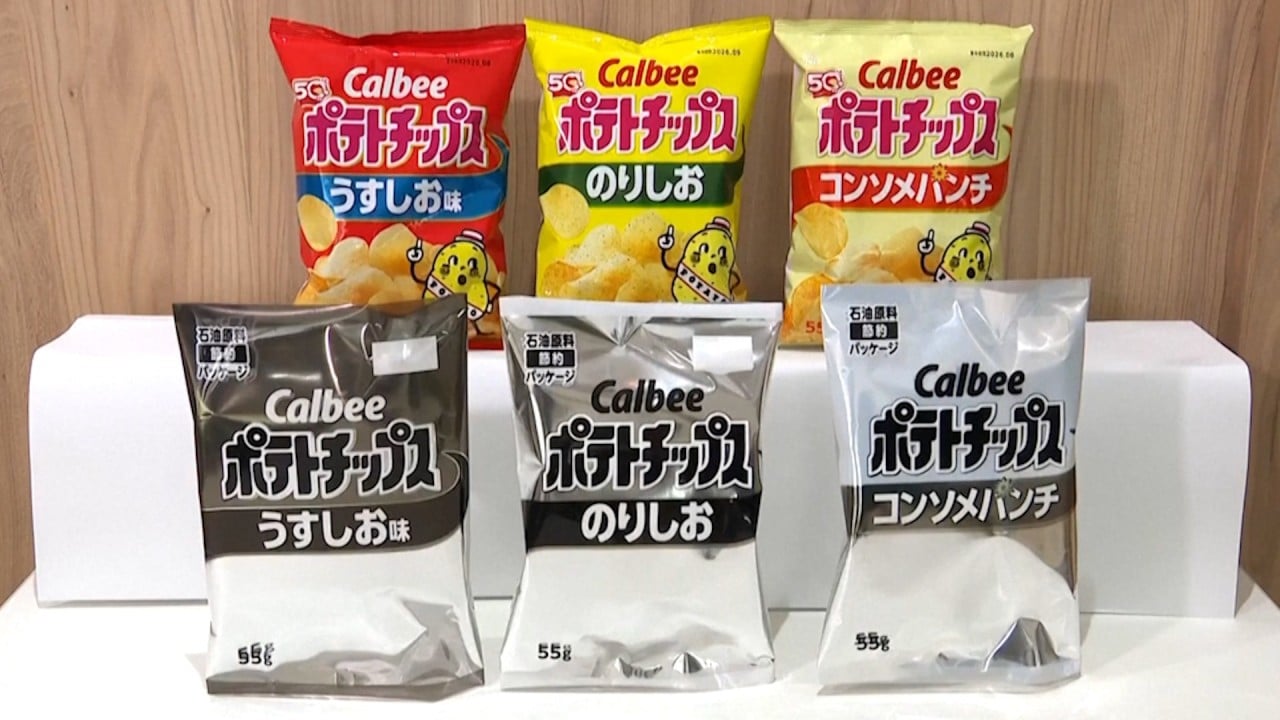
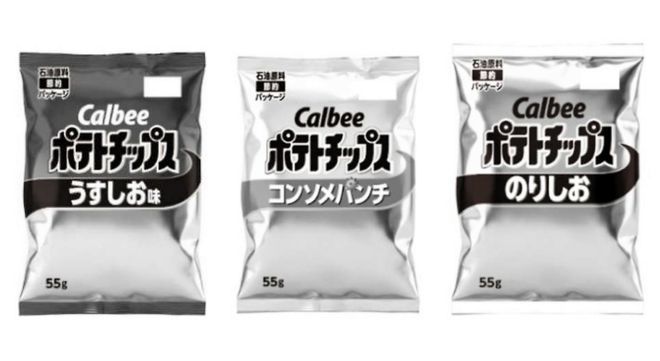
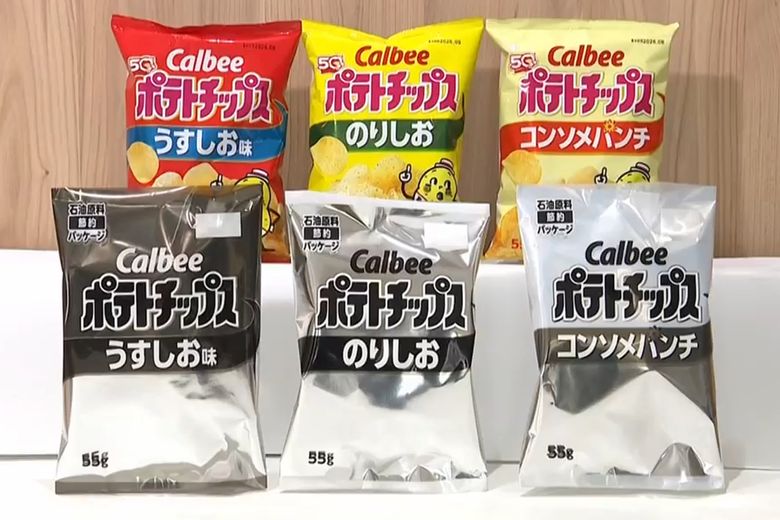
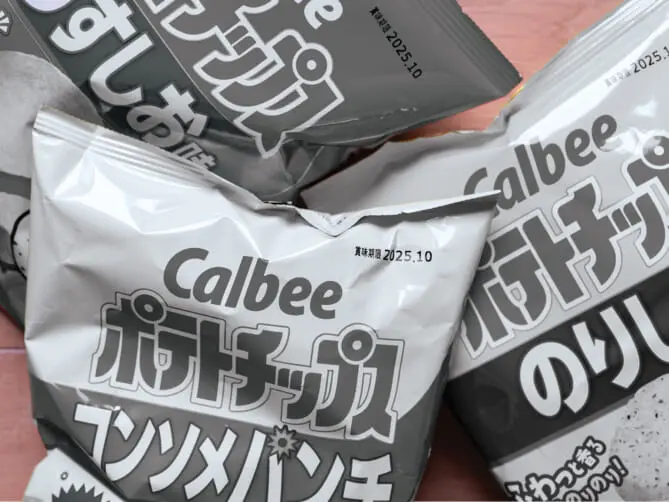
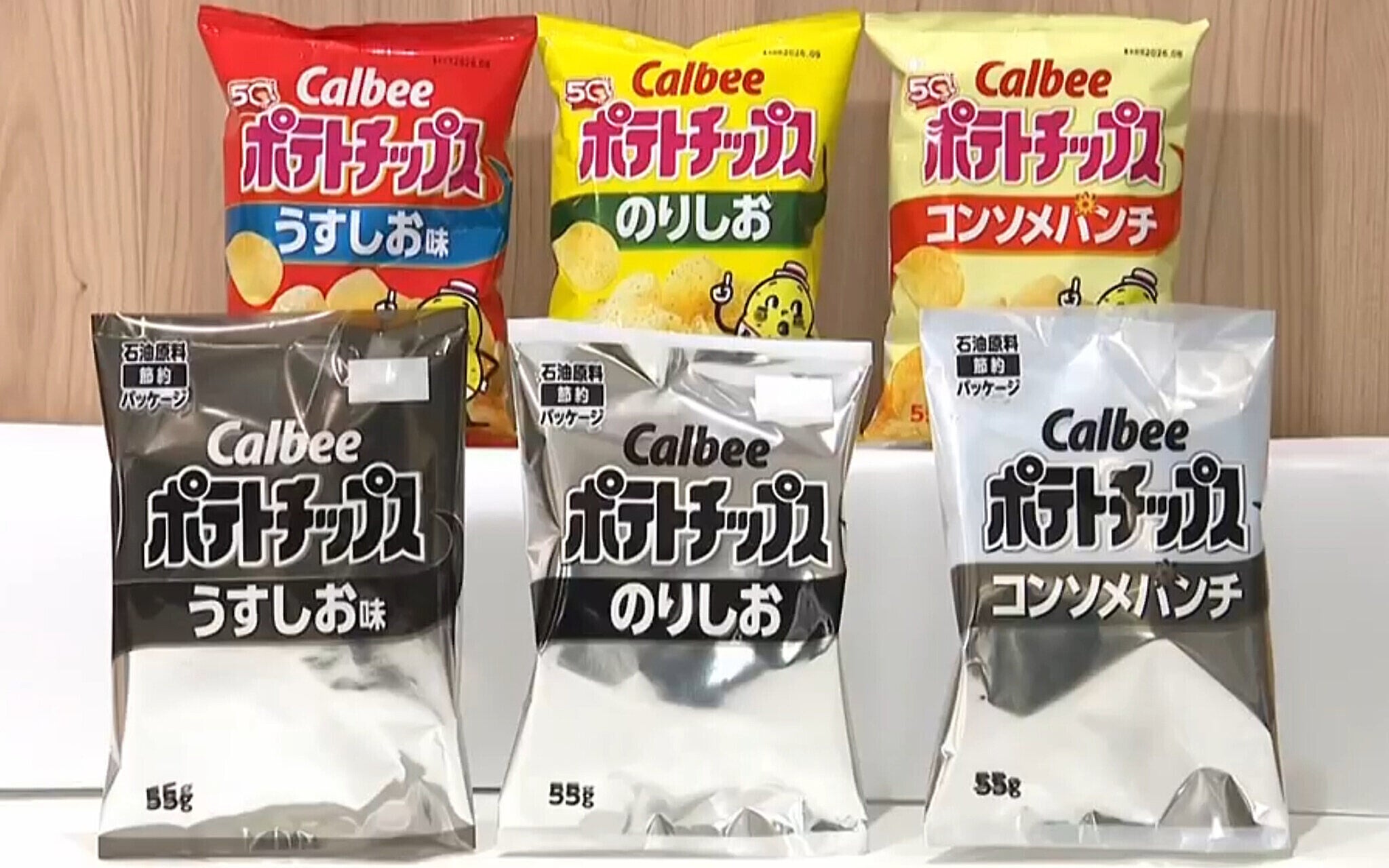
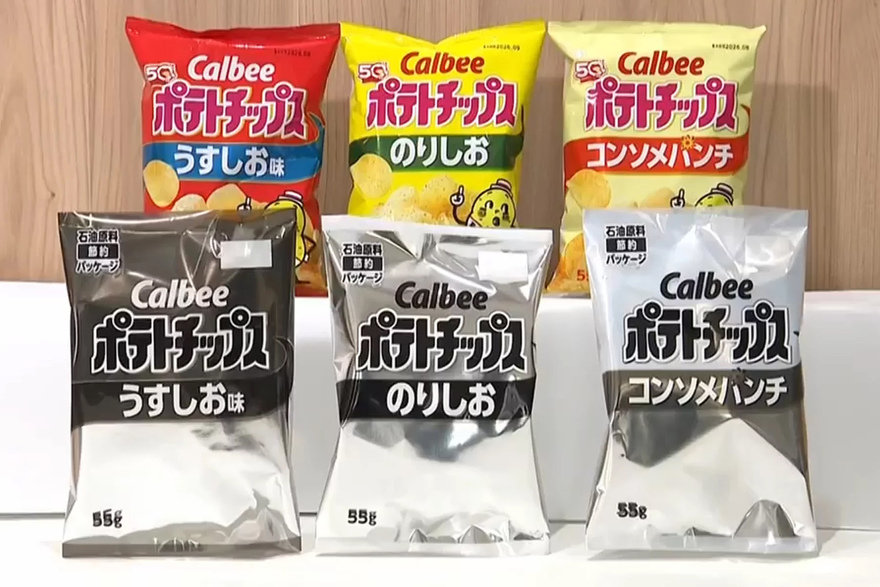
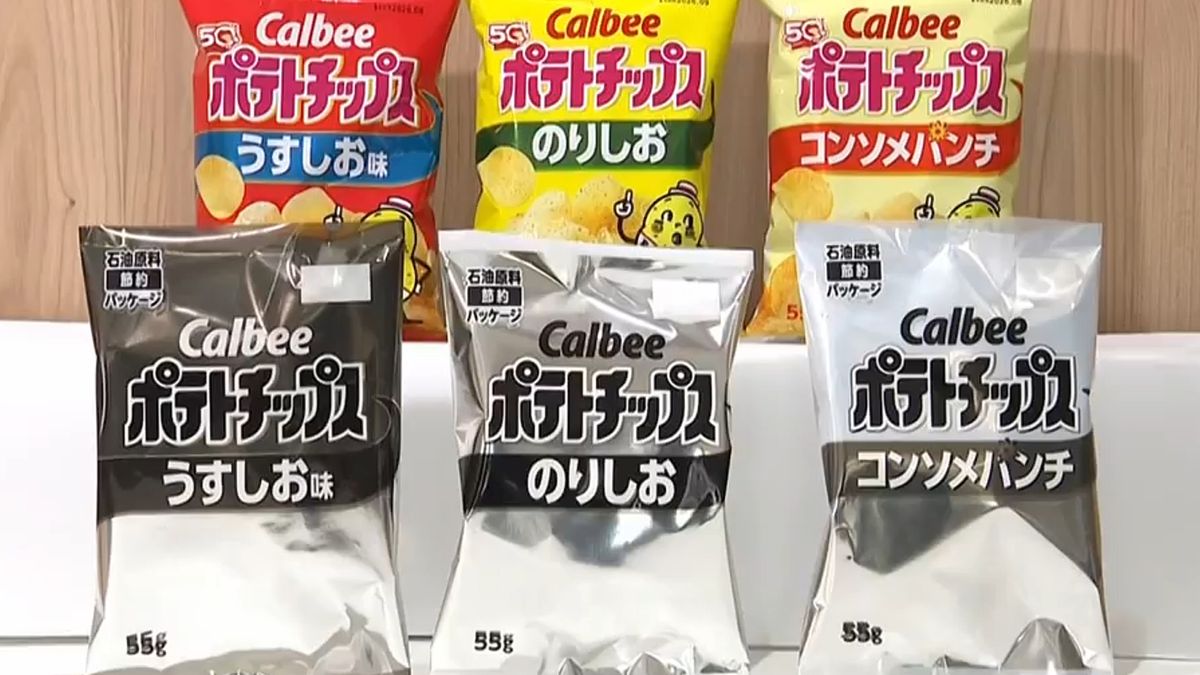
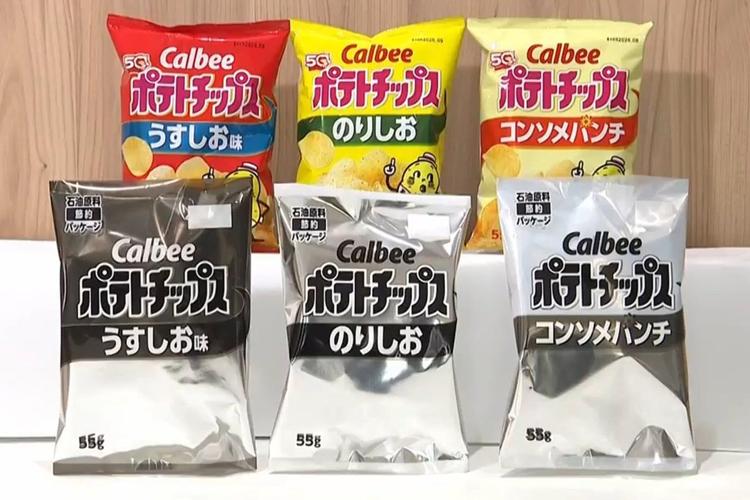
The Iran war and Strait of Hormuz closure are triggering immediate supply chain disruptions for Japanese snack manufacturers, with direct implications for cross-border e-commerce sellers. Calbee Inc., a major Japanese snack producer distributed across the US, China, and Australia, announced on May 25, 2026, that 14 products will transition to black-and-white packaging due to naphtha shortages—an oil-derived product essential for manufacturing inks and plastics. This represents the first visible consumer-facing consequence of Middle East geopolitical tensions on packaged food supply chains, signaling broader vulnerabilities affecting petroleum-dependent manufacturing sectors globally.
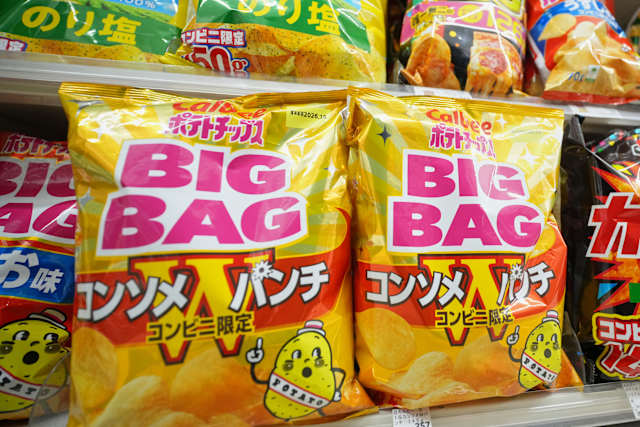
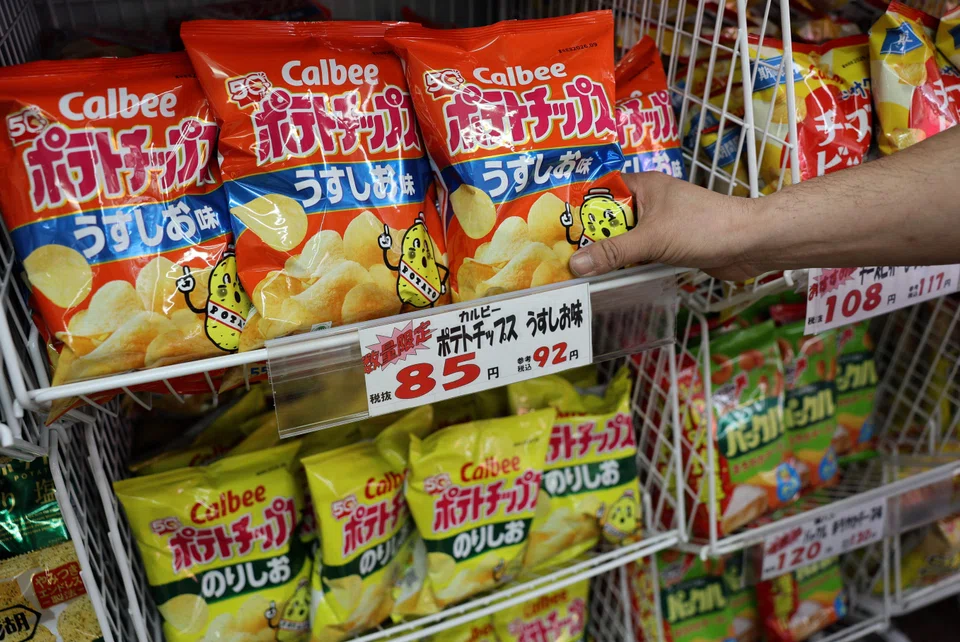
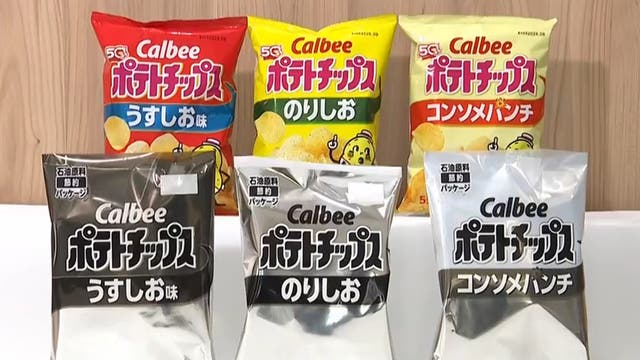
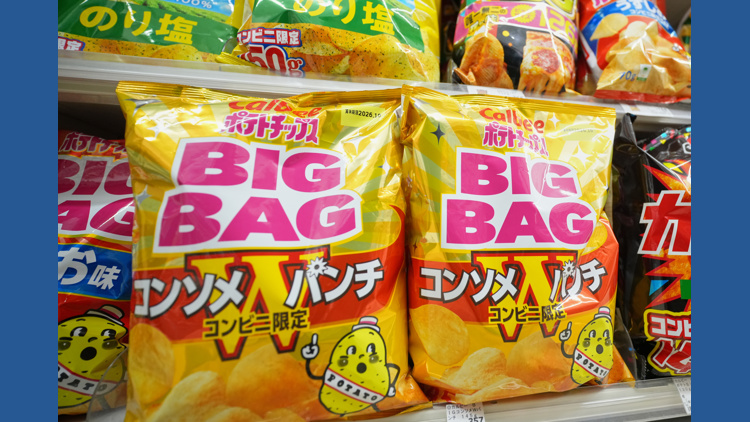
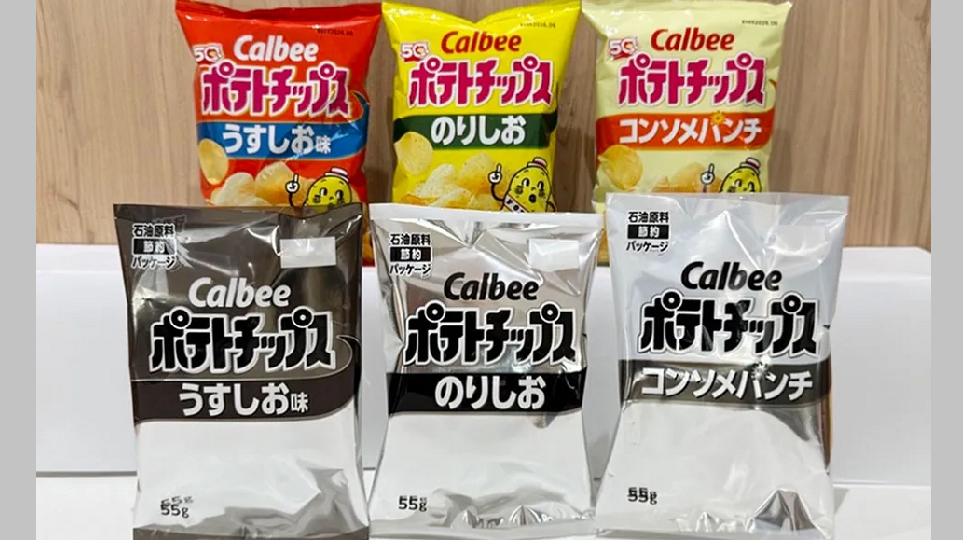
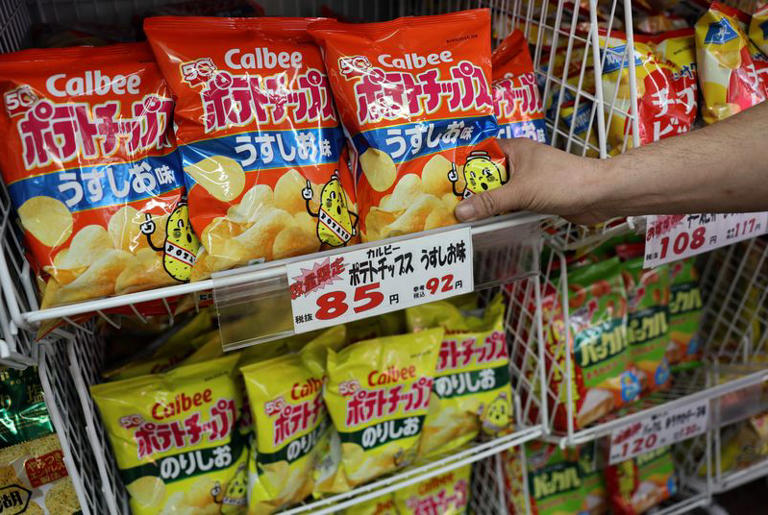
The root cause: petroleum product scarcity and logistics disruption. The closure of the Strait of Hormuz following US-Israel military actions in late February 2026 has created spiking prices for naphtha and printing inks. Japan, which relies almost entirely on oil imports, faces particular vulnerability despite maintaining strategic reserves. Calbee's decision to shift from vibrant color packaging (signature bright-orange bags with yellow mascots) to grayscale designs reflects a strategic choice to maintain product availability over brand presentation. The company explicitly stated this is "temporary," but duration remains uncertain—a critical variable for sellers managing inventory and product listings.
For cross-border e-commerce sellers, this creates three immediate operational challenges: First, packaging SKU changes require updated product listings, images, and descriptions across Amazon, eBay, Shopify, and regional marketplaces (Alibaba, Lazada, Shopee). Sellers holding pre-May 25 inventory with color packaging face potential customer confusion and returns if product images show color while physical packages arrive monochrome. Second, brand perception risk: Calbee's color-coded identification system (red bags for lightly salted, yellow-green for seaweed flavor) relied on visual differentiation. Text-only labels increase customer friction and may depress conversion rates by 5-8% during the transition period. Third, supply continuity uncertainty: While Calbee frames this as temporary, the duration depends on Strait of Hormuz reopening—a geopolitical variable beyond corporate control. Sellers must prepare contingency plans for extended supply disruptions.
Broader market implications signal cascading effects across food/beverage categories. The news reports fertilizer shortages affecting Asian farmers, Indian rice export restrictions to Middle Eastern markets, and reduced airline cargo capacity from Middle East carriers. These cascading disruptions suggest naphtha/petroleum-derived packaging materials will face sustained pressure across snack foods, beverages, and consumer goods categories. Sellers sourcing from Japan, South Korea, and other oil-import-dependent Asian manufacturers should anticipate similar packaging modifications or supply delays through Q3 2026. The Strait of Hormuz handles approximately 21% of global petroleum trade—any extended closure creates systemic supply chain stress affecting all petroleum-dependent manufacturing.
Questions 8
How does Calbee's packaging change affect sellers on Amazon and eBay?
Sellers must immediately update product listings, images, and descriptions for affected Calbee SKUs before May 25, 2026. Amazon Seller Central requires accurate product images matching physical inventory—color packaging images will trigger customer complaints and returns if monochrome packages arrive. eBay sellers face similar listing accuracy requirements. Sellers holding pre-May 25 color-packaged inventory should consider liquidating through discount channels or updating listings to reflect 'limited edition color packaging' to justify premium pricing before transition. Failure to update listings within 2 weeks of May 25 can result in A-to-Z guarantee claims and account performance penalties.
What is naphtha and why does its shortage affect Japanese snack packaging?
Naphtha is a petroleum-derived product essential for manufacturing printing inks, plastics, and packaging materials. The Strait of Hormuz closure disrupted global naphtha supplies, causing price spikes and shortages. Japan imports nearly 100% of its oil, making it particularly vulnerable. Calbee shifted to black-and-white packaging to reduce ink color requirements, lowering naphtha demand and securing stable supply. For sellers, this means petroleum-dependent packaging materials (colored inks, specialty plastics) will face sustained cost increases and availability constraints through Q3 2026, potentially affecting all Asian-manufactured food products.