





Iran's Internet Blackout Disrupts Cross-Border E-Commerce Supply Chains | Seller Risk Alert
- Longest intentional internet shutdown since January 2025 eliminates market access for 88M+ Iranians; sellers lose payment processing, supplier communication, and customer acquisition channels















_2.jpg)






Overview
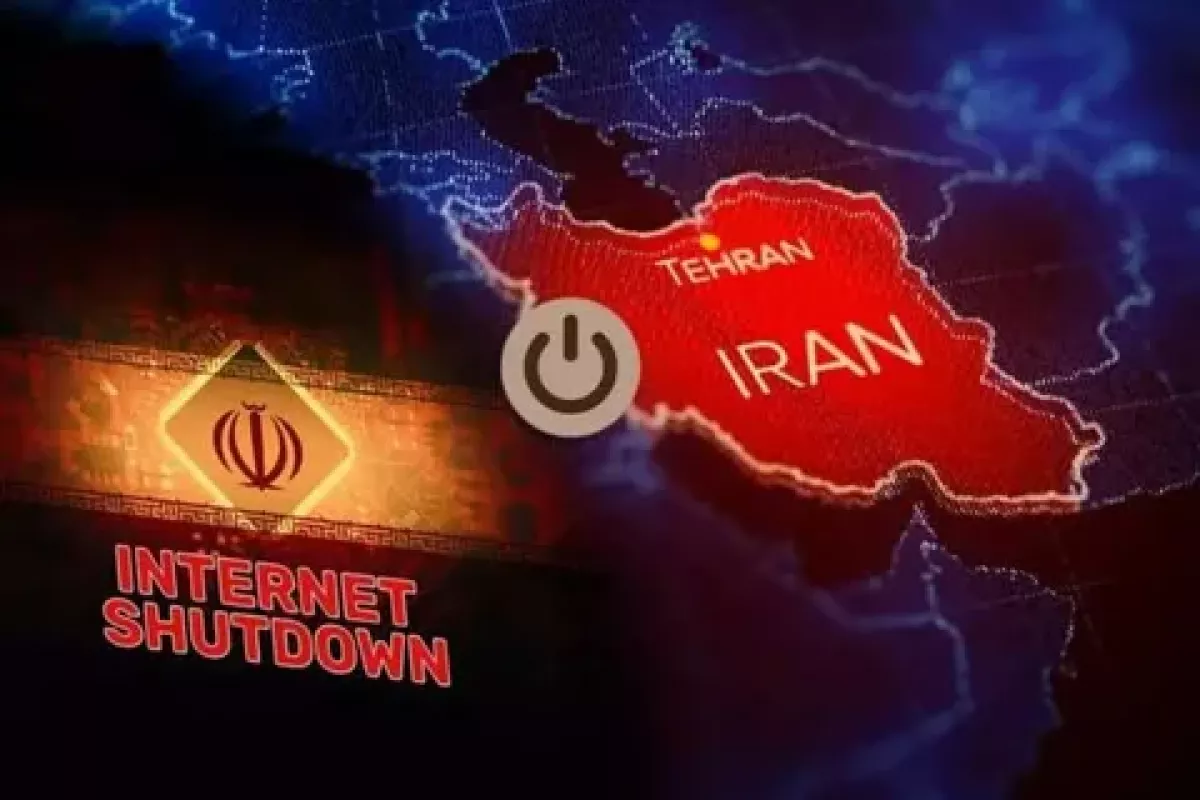
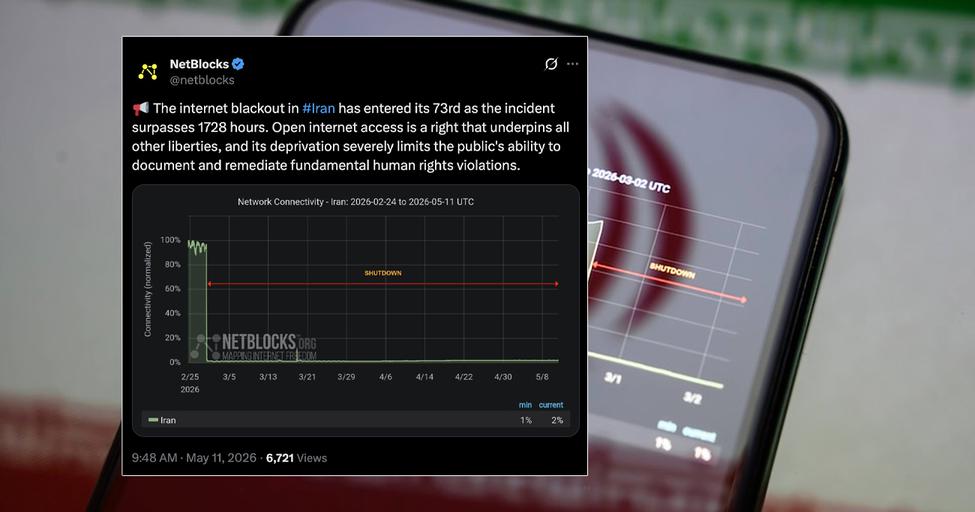
Iran's unprecedented internet blackout, now exceeding two months since January 8, 2025, represents the longest intentional connectivity shutdown ever documented and creates severe operational disruptions for cross-border e-commerce sellers. The selective blackout—where government officials and military retain access while ordinary citizens face complete disconnection—has eliminated market access for approximately 88 million Iranians and severed critical supply chain communication channels. According to Human Rights Activists in Iran, the economic impact totals 1.8 billion tomans ($47M USD equivalent) in lost income over two months, affecting millions dependent on online work and digital commerce.
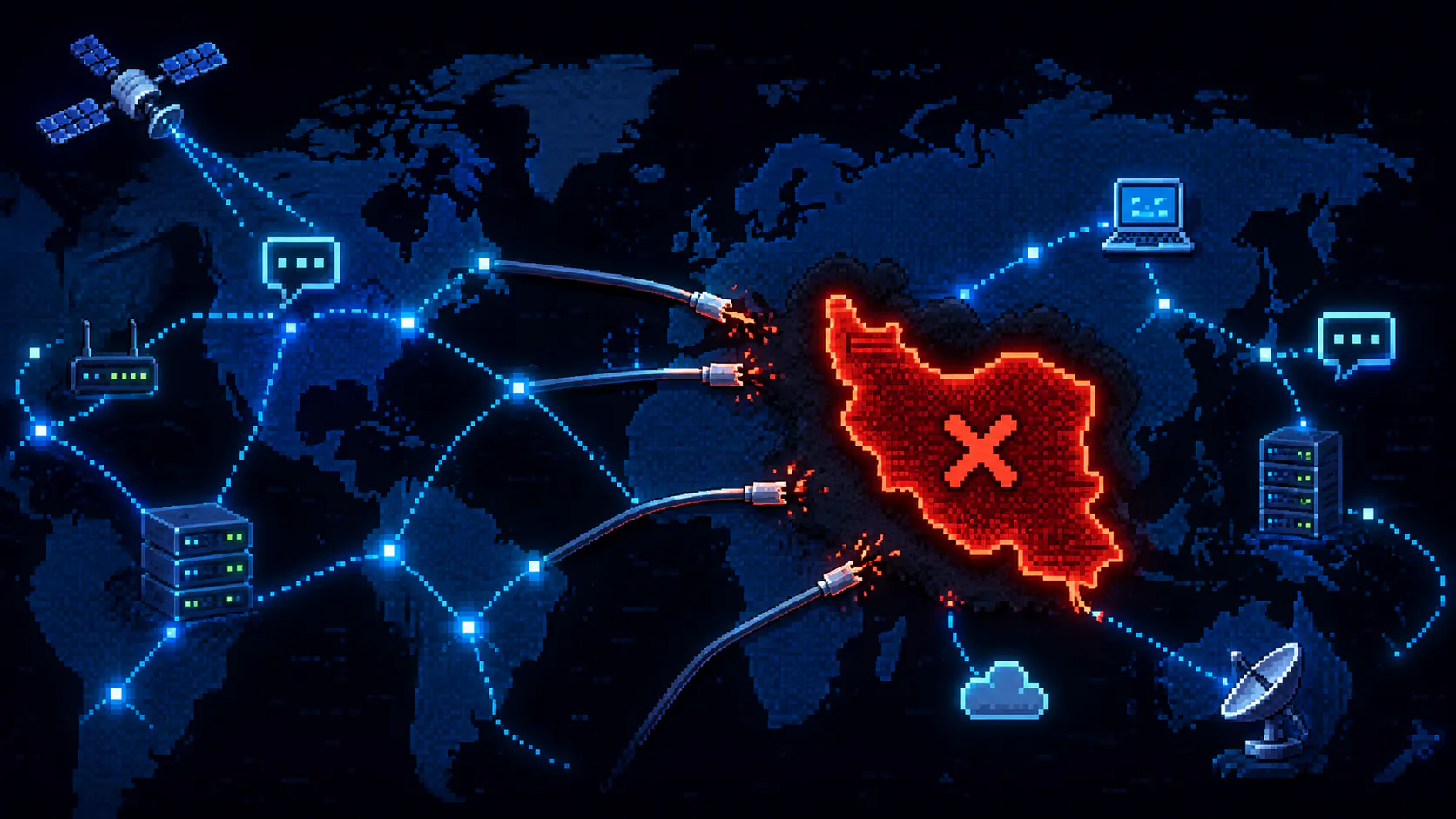
For cross-border sellers, the immediate impact manifests across three critical dimensions: market access elimination, supplier communication breakdown, and payment processing failure. Sellers with Iranian customer bases have lost all transaction capability as the general population cannot access e-commerce platforms, payment gateways, or digital marketplaces. Simultaneously, sellers sourcing from Iranian suppliers face communication blackouts—no email, messaging, or video conferencing for order coordination, quality control, or logistics planning. The tiered "Internet Pro" system launched by Iran's Mobile Communications Company (MCI) in February 2025 creates a 40-50% cost premium for privileged access (2 million tomans annually for 50GB plus 2.8 million toman activation fees versus 8,000 tomans per gigabyte for restricted ordinary internet), making supplier engagement prohibitively expensive and unreliable.
The geopolitical escalation following US-Israel military strikes on February 28 indicates prolonged disruption rather than near-term resolution. Trump's tactical inconsistency—alternating between aggressive posturing and negotiation attempts—extends uncertainty timelines, preventing sellers from planning supply chain pivots or market re-entry strategies. The blackout's selective nature reveals infrastructure capability for extended restrictions, suggesting this represents a new baseline for Iran's digital isolation rather than a temporary crisis measure. Labor organizations including Iran's 300,000-member nurses union have rejected the tiered system, signaling sustained public resistance that may perpetuate government restrictions as a control mechanism.
Immediate seller actions: audit Iranian customer exposure and supplier dependencies by March 15, 2025; reallocate sourcing to Vietnam, India, or Turkey for affected categories; suspend Iran-targeted marketing campaigns; and establish alternative supplier relationships in non-sanctioned countries. Strategic adjustments include evaluating whether Iran-sourced products (textiles, carpets, dried fruits, spices) can be sourced from neighboring countries at 10-15% cost premiums. Risk mitigation requires monitoring NetBlocks data for connectivity restoration signals and maintaining contingency supplier lists for 6-12 month supply chain resilience.
Questions 7
How does Iran's internet blackout affect sellers with Iranian customers?
The blackout eliminates all transaction capability for sellers targeting Iran's 88M+ population. Customers cannot access e-commerce platforms, payment gateways, or digital marketplaces, resulting in 100% revenue loss for Iran-focused sellers. The blackout began January 8, 2025, and exceeded two months with no restoration timeline. Sellers should immediately suspend Iran-targeted marketing campaigns and reallocate inventory to alternative markets by March 15, 2025. This represents a permanent market access loss until geopolitical tensions resolve, which experts estimate at 6-12+ months minimum.
What supply chain risks do sellers face from Iranian suppliers?
Sellers sourcing from Iran face complete communication breakdown—no email, messaging, or video conferencing for order coordination, quality control, or logistics planning. The tiered Internet Pro system charges 2 million tomans annually plus 2.8 million toman activation fees for privileged access, making supplier engagement prohibitively expensive. Sellers should immediately audit Iranian supplier dependencies and establish alternative relationships in Vietnam, India, or Turkey by April 1, 2025. Expect 10-15% cost premiums for alternative sourcing but gain supply chain resilience and reduced geopolitical risk exposure.