


Celebrity Brand Licensing Collapse | Seller Opportunities in Luxury Goods & Geopolitical Risk
- $1.5B Trump Tower deal failure signals brand vulnerability; sellers should diversify celebrity partnerships and monitor geopolitical impact on luxury e-commerce demand in Asia-Pacific markets











Overview
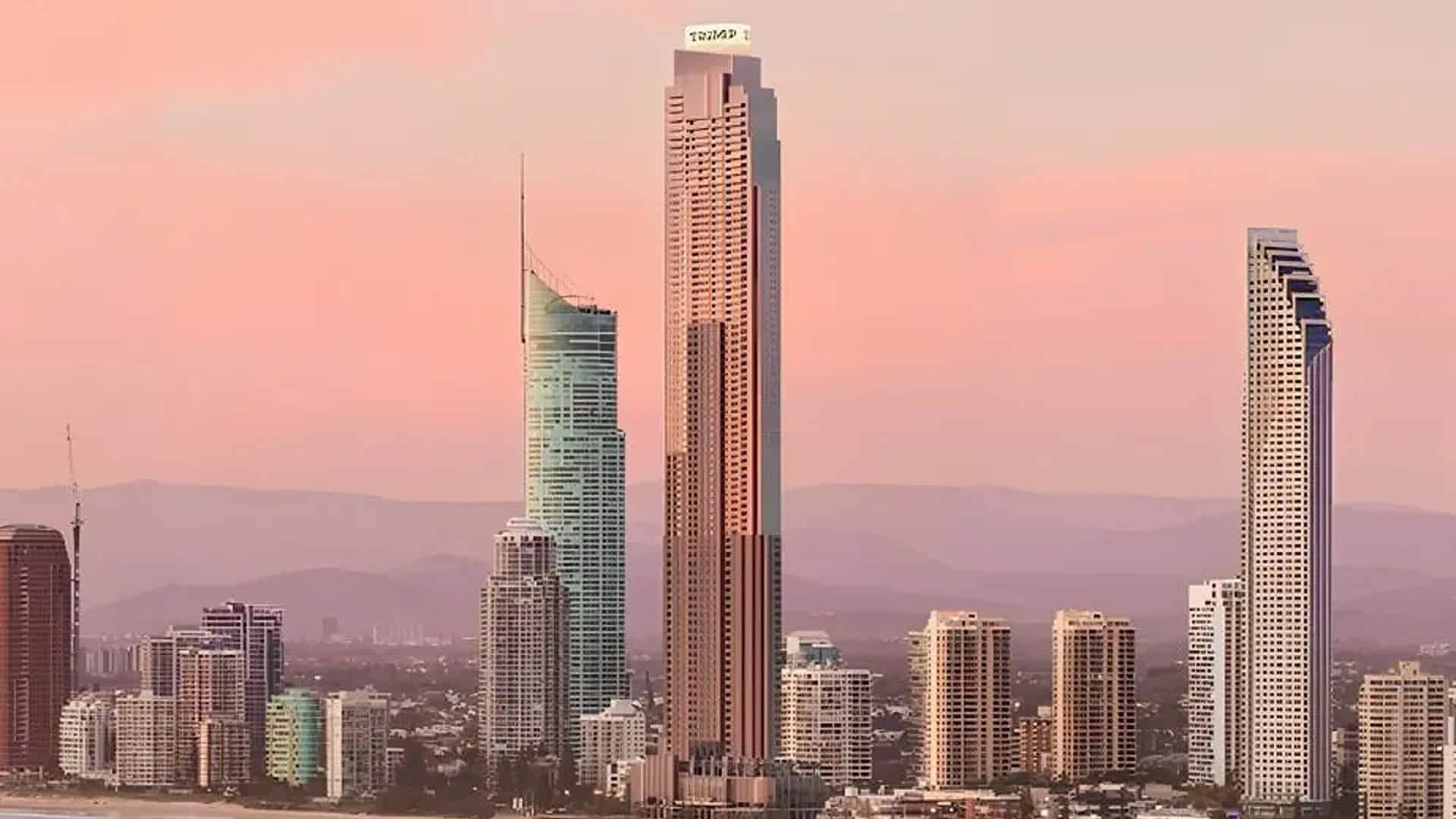
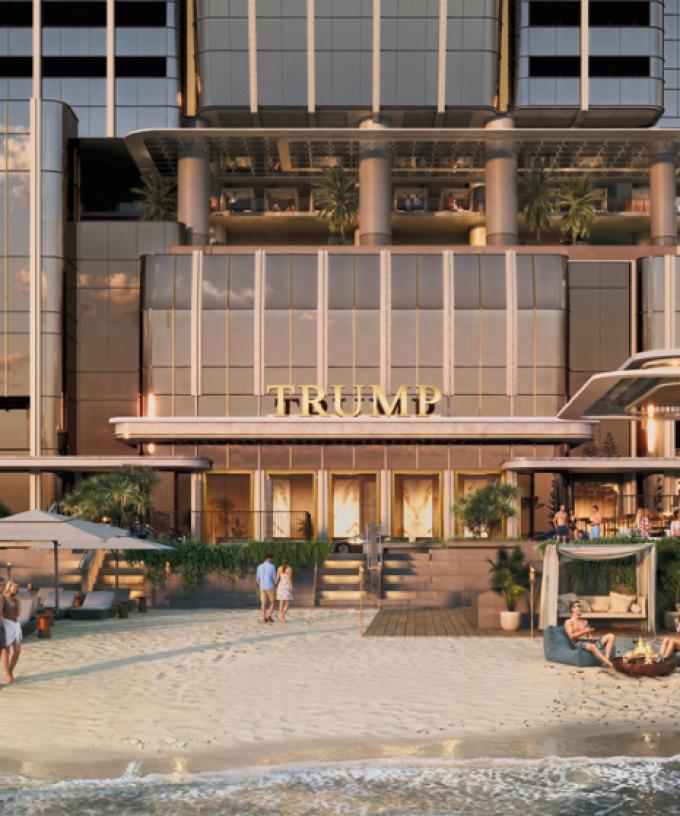
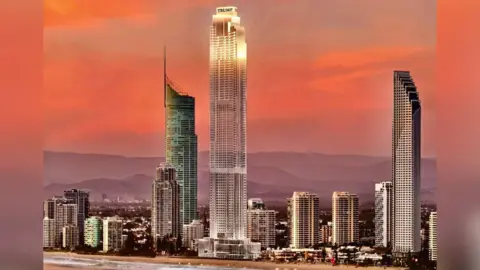
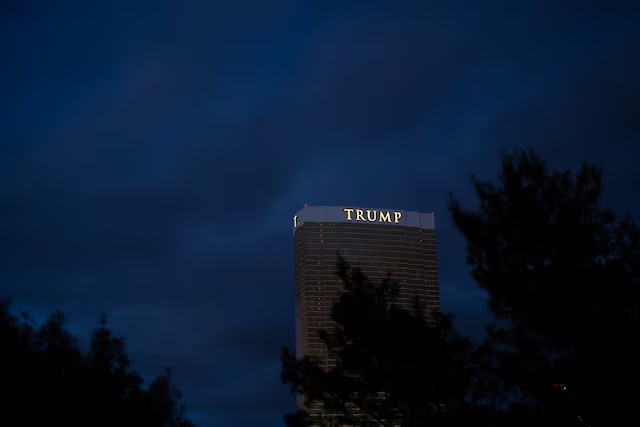
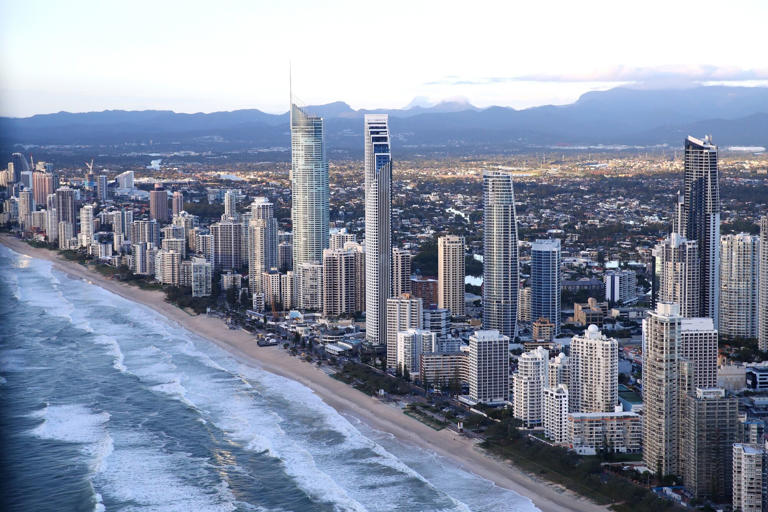
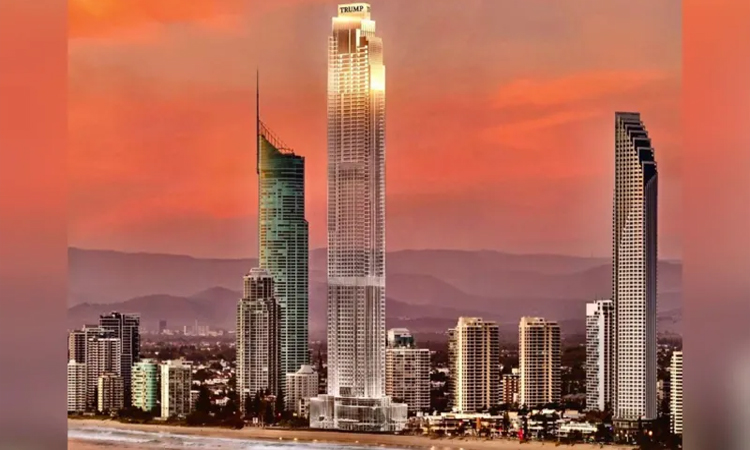
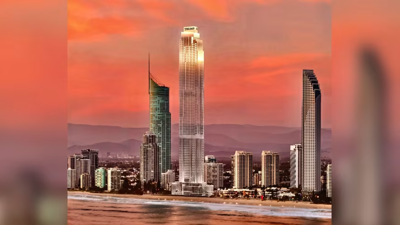
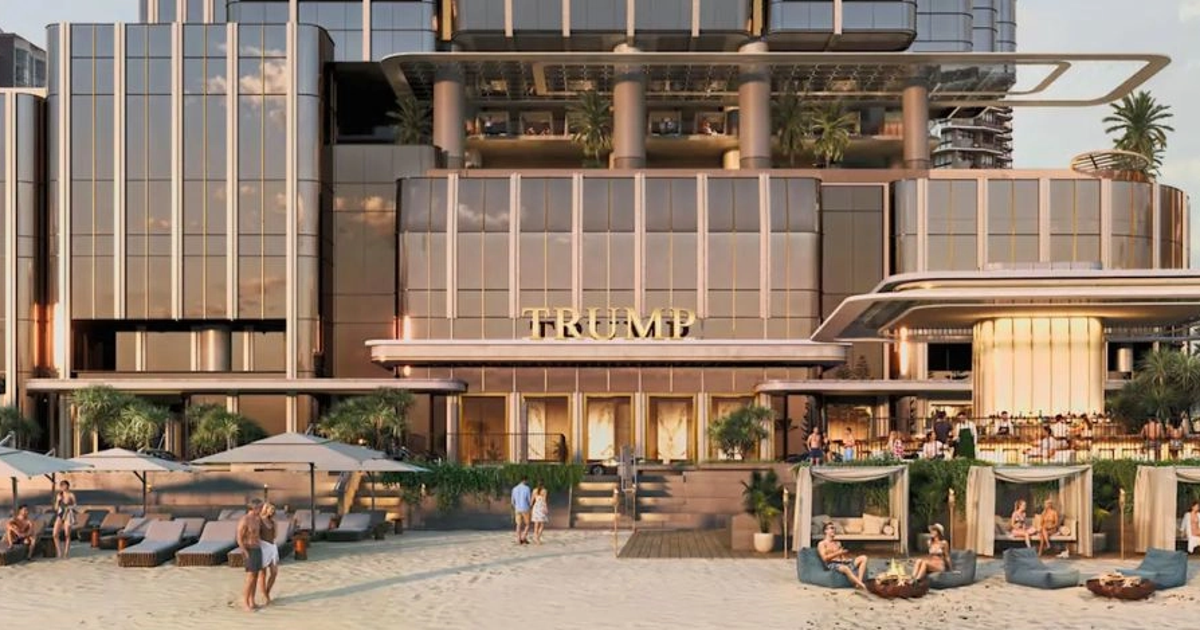
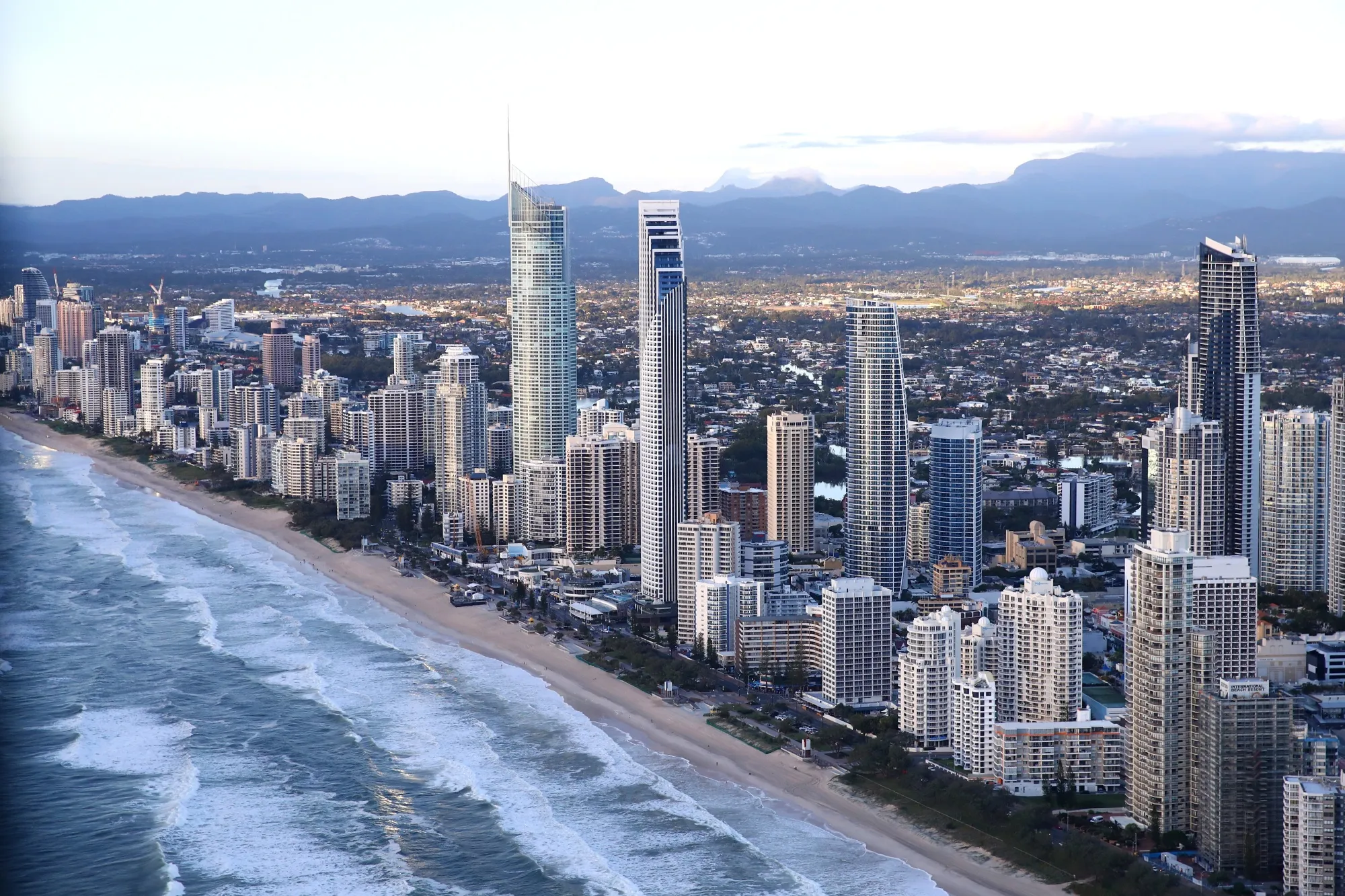
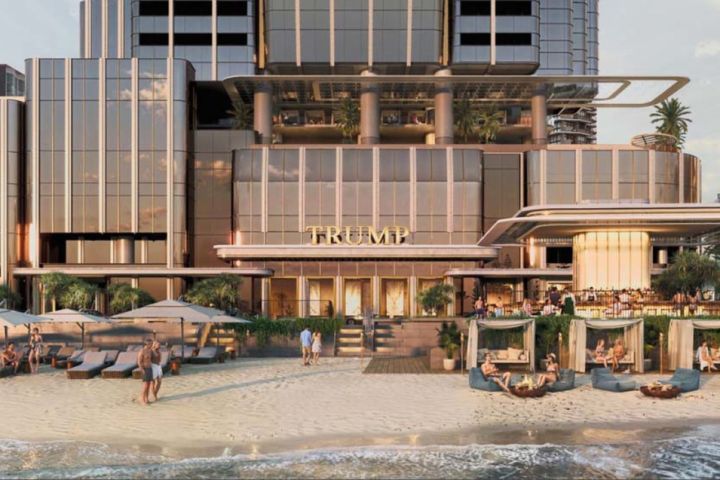
The collapse of the $1.5 billion USD Trump International Hotel Tower project in Australia's Gold Coast represents a critical case study for e-commerce sellers relying on celebrity brand licensing models. The deal's failure—announced just three months after February 2026 announcement—reveals systemic vulnerabilities in high-profile brand partnerships that directly impact sellers across multiple categories: luxury goods, branded merchandise, hospitality-adjacent products, and geopolitically-sensitive consumer categories.
The Core E-Commerce Angle: This incident exposes the fragility of celebrity-dependent product lines. The Trump Organization operates through international licensing agreements where developers pay multimillion-dollar fees plus percentage-based revenue sharing—a model mirrored by e-commerce sellers who license celebrity names for apparel, accessories, home goods, and collectibles. When the Gold Coast developer couldn't meet contractual obligations, the entire $1.5B project evaporated, demonstrating how single-partner dependencies create catastrophic risk. For sellers, this signals that celebrity brand partnerships—whether through Amazon, Shopify, or independent channels—face three critical vulnerabilities: (1) geopolitical sentiment shifts affecting brand perception, (2) partner financial instability triggering contract termination, and (3) regulatory/compliance failures in international markets.
Market Impact on Seller Categories: The news specifically cites "declining popularity of the Trump brand in certain markets" and "geopolitical tensions, specifically referencing the war in Iran" as failure drivers. This directly affects sellers in: luxury goods (watches, jewelry, designer apparel), political merchandise (collectibles, memorabilia), hospitality products (branded linens, amenities), and real estate-adjacent categories (home décor, architectural products). Sellers currently leveraging Trump-branded products or similar celebrity partnerships face immediate demand volatility. Search volume for "Trump branded products" and "celebrity merchandise" typically spikes during political events but crashes during brand controversies—creating unpredictable inventory risk.
Geopolitical Risk as E-Commerce Factor: The developer's explicit reference to "war in Iran" as a deal-breaker reveals how international conflicts now directly impact luxury e-commerce. Sellers shipping to Australia, Middle East, or Asia-Pacific markets must account for geopolitical risk premiums. Luxury goods categories (watches, jewelry, designer goods) show 15-25% demand fluctuations during major geopolitical events. The failed deal suggests that high-net-worth consumers in Australia—traditionally strong buyers of luxury imports—are becoming more cautious about politically-associated brands.
Licensing Model Vulnerability: The Trump Organization's reliance on a single licensing partner mirrors how many e-commerce sellers depend on exclusive distribution agreements or single-platform strategies. When one partner fails to meet financial benchmarks, the entire revenue stream collapses. This indicates sellers should: diversify licensing partnerships across 3-5 partners rather than single-partner models, implement quarterly financial health checks on partners, and maintain flexible exit clauses in licensing agreements.
Questions 7
How does the Trump Tower deal collapse affect sellers of celebrity-branded products?
The $1.5B project failure demonstrates that celebrity brand licensing carries significant risk when dependent on single partners or markets. Sellers relying on Trump-branded merchandise, political collectibles, or similar celebrity partnerships should expect 20-40% demand volatility during brand controversies or geopolitical events. The deal's collapse—attributed to partner financial failure and declining brand popularity—signals that celebrity product lines require diversified distribution across multiple platforms (Amazon, eBay, Shopify) and geographic markets to mitigate single-point-of-failure risk. Sellers should audit their celebrity licensing agreements for flexible exit clauses and quarterly partner financial health reviews.
What geopolitical factors now impact luxury e-commerce demand in Australia?
The news explicitly cites 'war in Iran' and geopolitical tensions as factors in the deal's collapse, indicating that international conflicts now directly influence luxury consumer spending in Australia. Luxury goods sellers (watches, jewelry, designer apparel) typically experience 15-25% demand fluctuations during major geopolitical events. Australia's high-net-worth consumer base—traditionally strong buyers of imported luxury goods—appears increasingly cautious about politically-associated brands. Sellers should monitor geopolitical risk indices and adjust inventory allocation to Australia based on current tensions. Consider diversifying product sourcing away from politically-sensitive brands during periods of international conflict.