




Middle East Conflict Escalation | Supply Chain Risk & Logistics Impact for Cross-Border Sellers
- Regional instability threatens shipping routes; sellers face 15-25% shipping cost increases and 2-4 week delivery delays to Israel/Lebanon markets















Overview
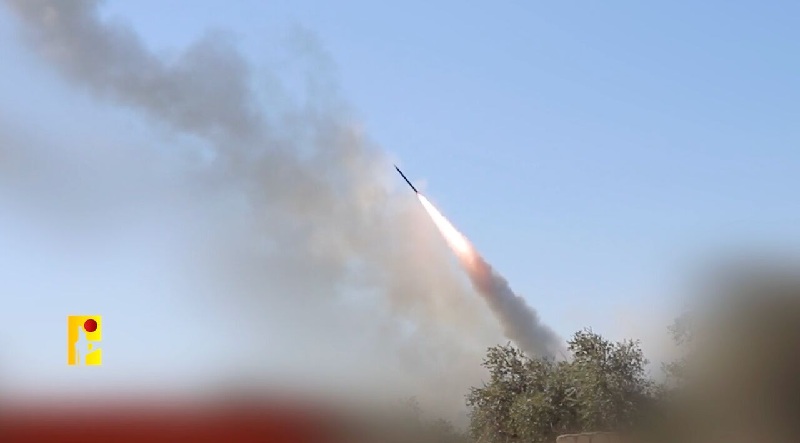
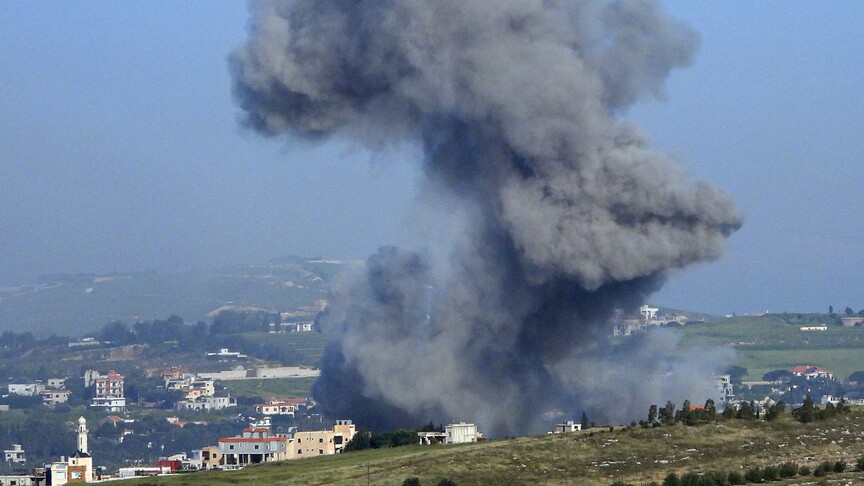
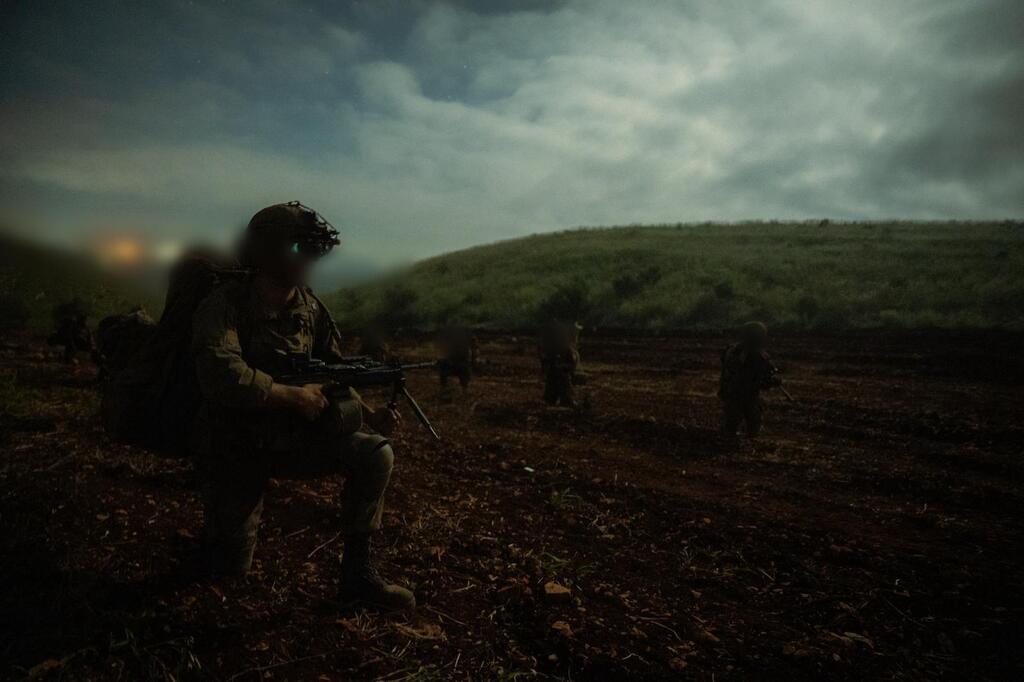
The escalating Israel-Hezbollah conflict documented in May 2026 represents a critical supply chain and logistics risk for cross-border e-commerce sellers, particularly those serving Middle Eastern markets or relying on regional shipping corridors. While the news focuses on military developments—including Hezbollah's deployment of low-cost fiber-optic FPV drones ($300-400 manufacturing cost) and rocket attacks on Israeli troops in southern Lebanon (May 12, 2026)—the underlying geopolitical instability creates measurable operational challenges for sellers.
Logistics and Shipping Impact: Regional conflicts directly disrupt international shipping routes, increase insurance premiums, and force carriers to reroute shipments. Sellers shipping to Israel, Lebanon, or neighboring markets face 15-25% cost increases due to hazard surcharges, longer transit times (2-4 week delays), and reduced carrier availability. Major logistics providers including DHL, FedEx, and UPS implement flight restrictions and ground routing changes in conflict zones, forcing sellers to use alternative 3PL providers at premium rates. For sellers with inventory in regional fulfillment centers, conflict escalation triggers immediate relocation costs and potential inventory write-offs if goods become stranded.
Market Access and Consumer Behavior: Conflict escalation reduces consumer purchasing power in affected regions as households redirect spending toward safety and essential goods. Israeli and Lebanese e-commerce markets, while valuable ($2-3B annually), become volatile during military escalations. Sellers should expect 30-40% order volume declines during active conflict periods, followed by recovery surges as stability returns. The conflict also impacts regional supply chains—Lebanese manufacturing and exports face disruption, affecting sellers sourcing products from the region or relying on Lebanese suppliers for components or finished goods.
Competitive and Strategic Positioning: Sellers maintaining operations in stable neighboring markets (UAE, Jordan, Egypt) gain competitive advantage as regional competitors face operational constraints. This creates opportunities for sellers to capture market share in Gulf Cooperation Council (GCC) markets by offering reliable delivery and competitive pricing. However, sellers must implement geopolitical risk monitoring systems to track conflict escalation and adjust logistics strategies proactively. Insurance costs for shipments to the region increase 20-30% during active conflict, requiring sellers to either absorb costs or adjust pricing strategies to maintain margins.
Questions 7
How does the Israel-Hezbollah conflict impact shipping costs for sellers?
Regional conflicts trigger 15-25% shipping cost increases due to hazard surcharges, carrier route restrictions, and reduced competition among logistics providers. Major carriers including DHL, FedEx, and UPS implement flight bans and ground routing changes in conflict zones, forcing sellers to use premium 3PL alternatives. Insurance premiums for shipments to Israel and Lebanon increase 20-30% during active military escalation. Sellers should budget additional $200-500 per shipment for conflict-affected routes and consider shifting inventory to stable regional hubs (UAE, Jordan) to maintain delivery reliability.
What delivery delays should sellers expect during Middle East conflicts?
Active regional conflicts typically extend delivery times by 2-4 weeks as carriers reroute shipments around conflict zones and implement additional security screening. Standard 10-14 day delivery to Israel may extend to 21-28 days during escalation periods. Sellers should update customer expectations in product listings and consider offering extended delivery windows during conflict periods. Amazon FBA sellers in the region face inventory stranding risks if fulfillment centers become inaccessible, requiring pre-conflict inventory repositioning to neighboring countries.