


Austria Airspace Tensions Signal EU Logistics Route Risks for Cross-Border Sellers
- May 10-11 military incidents highlight geopolitical volatility affecting Central European fulfillment corridors and diplomatic compliance requirements for international logistics operators




Overview
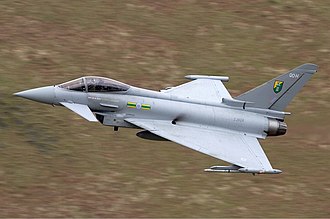
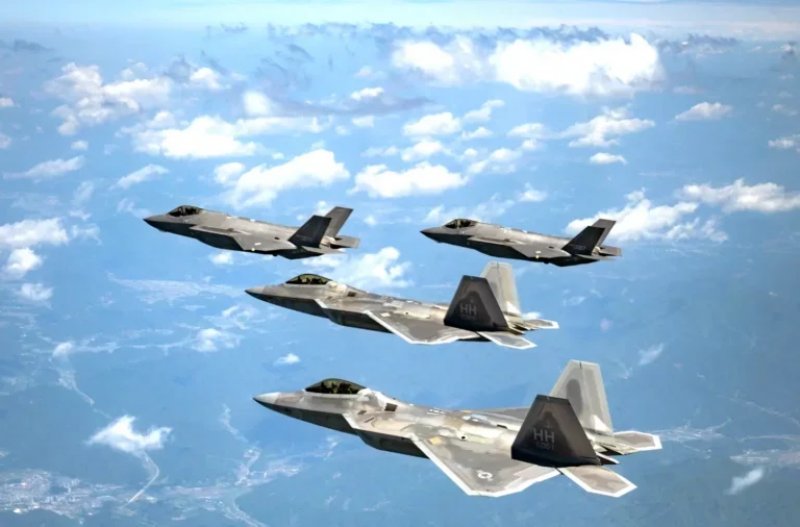
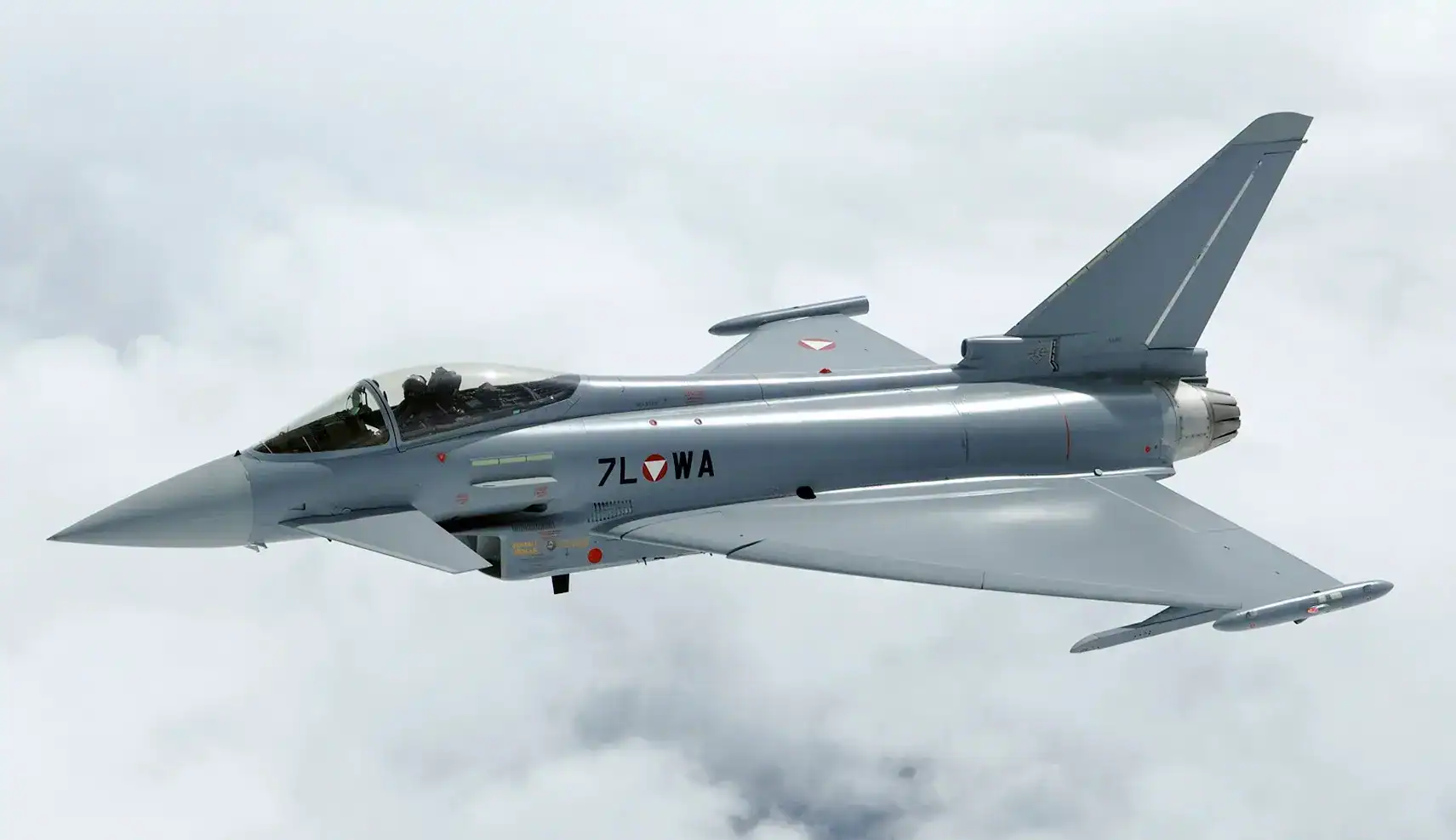
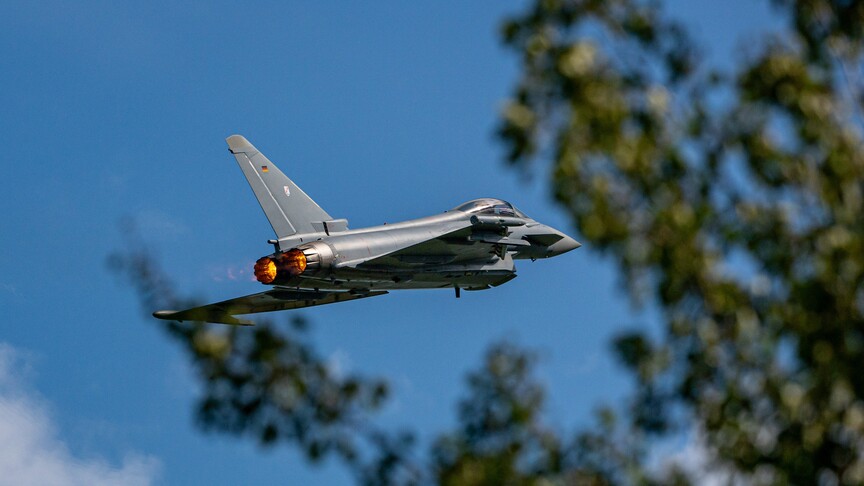
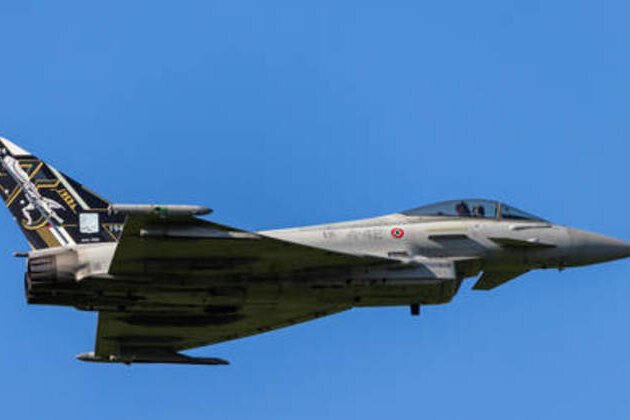
The May 10-11, 2026 Austrian airspace incidents involving U.S. military aircraft interceptions reveal critical infrastructure vulnerabilities affecting cross-border e-commerce logistics networks. Austria's constitutional neutrality—enforced through strict airspace control requiring prior approval for all foreign military transits—demonstrates how geopolitical tensions can disrupt critical supply corridors. The incidents involved U-28A Draco surveillance aircraft and Priority A intercepts by Austrian Eurofighter Typhoons, with the May 10 incident involving unauthorized approaches and the May 11 incident properly authorized after administrative corrections. Austria's recent closure of airspace to U.S. Iran-conflict activities, coupled with Vice Chancellor Andreas Babler's statement that "Austrians want nothing to do with Trump's politics," signals escalating political friction that directly impacts logistics routing decisions.
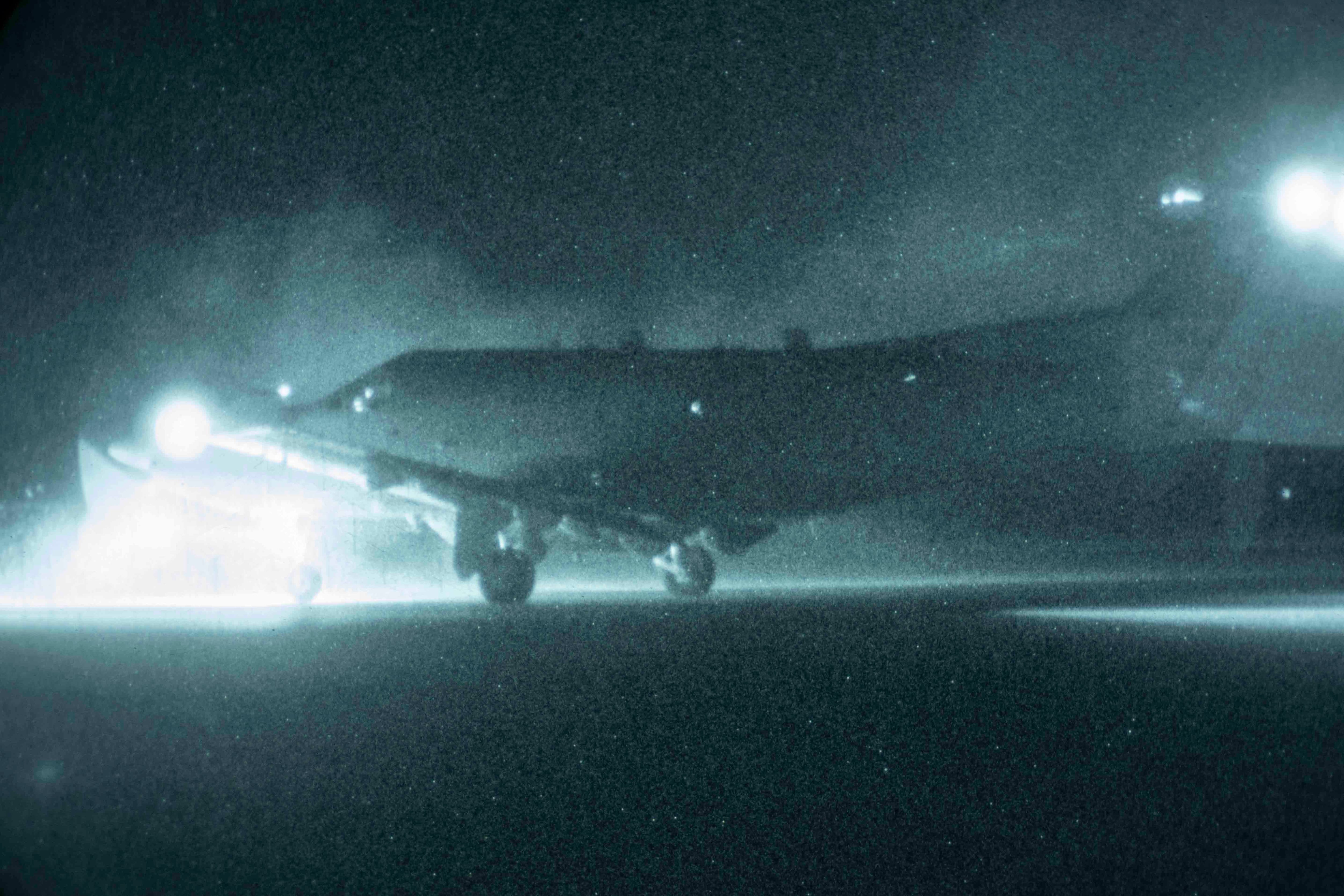
For cross-border sellers, this represents a Level 2-3 supply chain risk indicator. Austria's strategic position between NATO allies Germany and Italy makes it a primary transit route for air cargo, parcel consolidation, and time-sensitive fulfillment operations. The 2002 precedent—when the U.S. attempted to smuggle F-117A stealth aircraft through Austrian airspace—demonstrates Austria's willingness to enforce neutrality even against superpower interests. Sellers utilizing Austrian 3PL providers, DHL/UPS consolidation hubs in Vienna, or air freight routing through Alpine corridors face potential delays if diplomatic tensions escalate. The administrative error in May 10's overflight clearance paperwork highlights bureaucratic friction that can extend processing times by 24-48 hours for time-sensitive shipments.
Operational implications for sellers: Sellers shipping high-value electronics, perishables, or time-sensitive goods through Central European hubs should diversify routing away from Austrian airspace dependency. The incident pattern suggests increased scrutiny of all foreign military and potentially civilian aviation, which could trigger additional customs documentation requirements or processing delays. Sellers with inventory in German fulfillment centers (60+ km from the Austrian border per the incident location) face minimal direct impact, but those using Austrian 3PL providers should establish contingency routing through alternative corridors (Czech Republic, Slovakia, or direct Germany-Italy routes). The geopolitical context—heightened U.S.-Austria tensions over Middle East policy—suggests this is not an isolated incident but reflects broader European neutrality assertions that could affect logistics infrastructure access.
Questions 8
How do Austrian airspace incidents affect cross-border sellers shipping through Central Europe?
Austrian airspace incidents directly impact sellers using Austrian 3PL providers or air cargo consolidation hubs. The May 10-11, 2026 incidents demonstrate Austria's strict enforcement of neutrality protocols, which can trigger additional customs documentation, security screening, and processing delays of 24-48 hours for time-sensitive shipments. Sellers shipping electronics, perishables, or high-value goods through Vienna fulfillment centers should establish alternative routing through Czech Republic or Slovakia corridors. Austria's recent closure of airspace to U.S. Iran-conflict activities signals escalating geopolitical friction that could extend to civilian logistics operations if diplomatic tensions worsen.
What is Austria's constitutional neutrality and why does it matter for logistics?
Austria maintains perpetual military neutrality enshrined in its constitution as a condition of Soviet withdrawal during the Cold War. This requires prior approval for all foreign military transits and restricts military alliances. For sellers, this means Austrian authorities enforce strict airspace control and customs procedures that can exceed EU standards. The 2002 precedent—when Austria formally complained about U.S. attempts to smuggle stealth aircraft through its airspace—demonstrates Austria's willingness to enforce neutrality even against superpower interests. Sellers should expect heightened scrutiny of shipments during periods of geopolitical tension.