

.jpg)

NFL Contract Dynamics Unravel: Brandon Aiyuk's 49ers Exodus Signals Deeper Industry Transformation
- Strategic player management reveals emerging tensions in professional sports contract negotiations












Overview
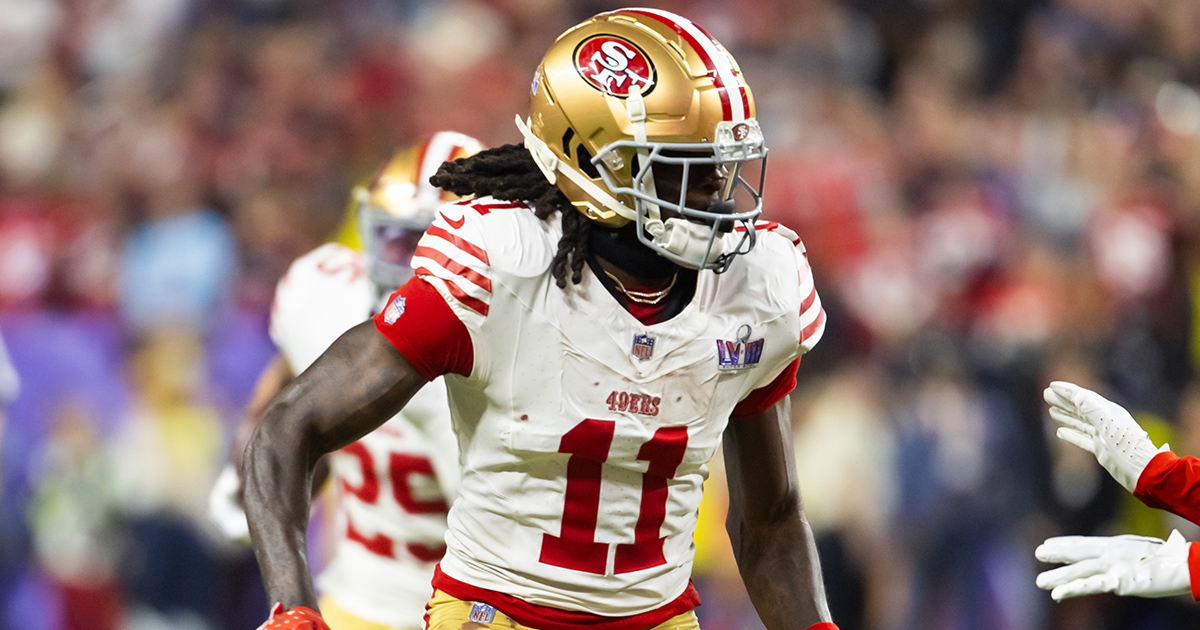
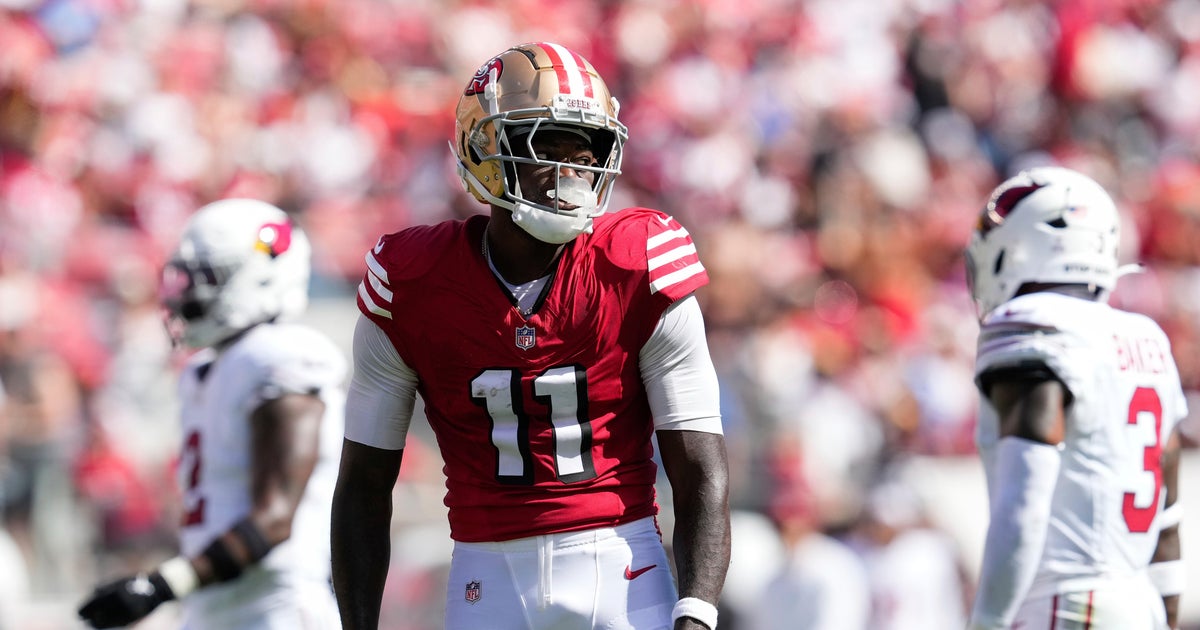
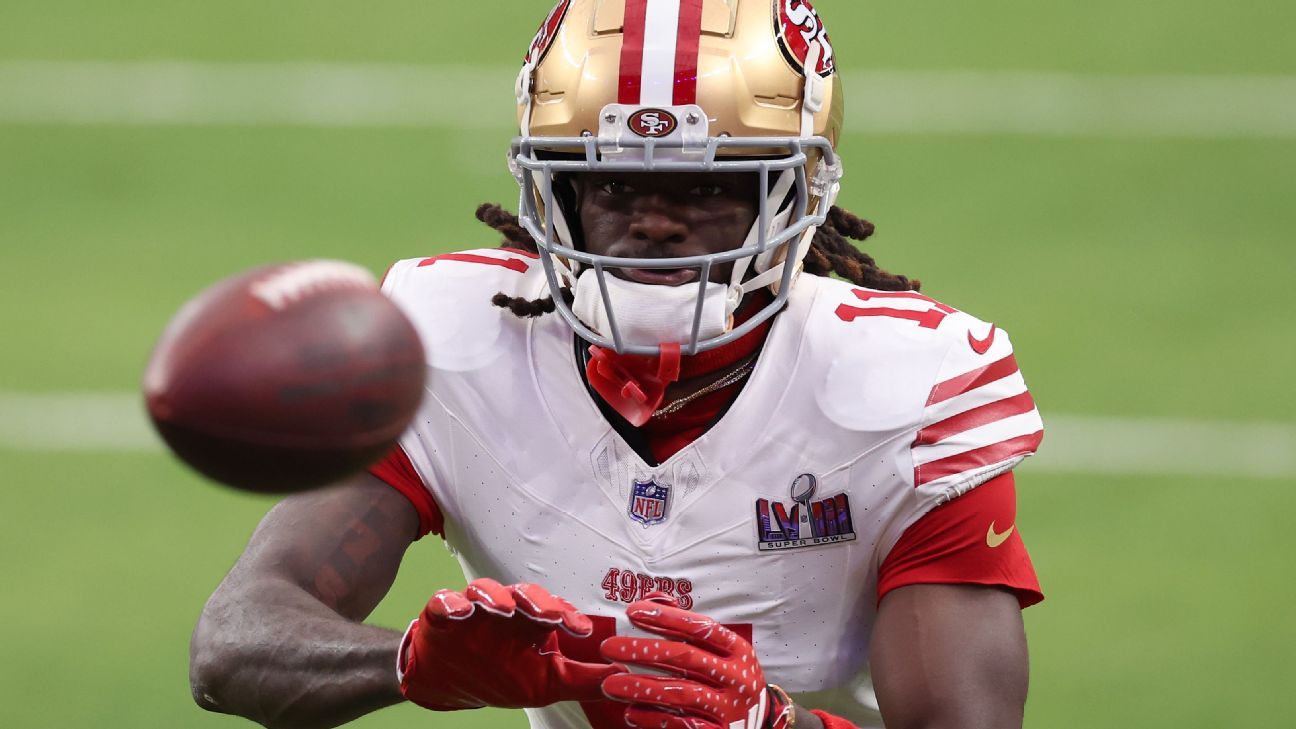
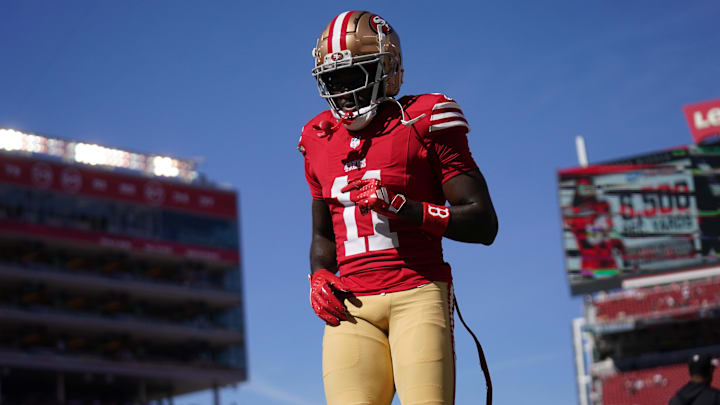
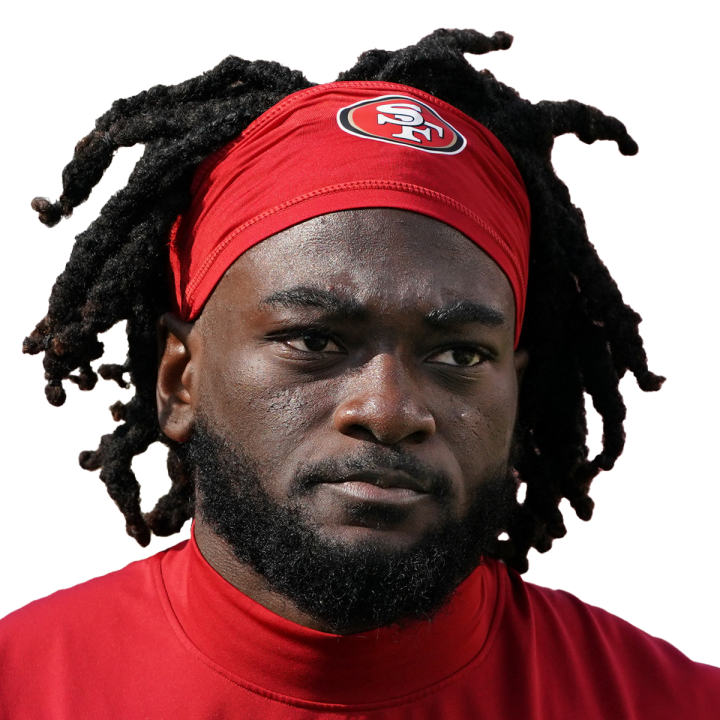
The Brandon Aiyuk saga represents a pivotal moment in NFL contract dynamics, exposing the increasingly complex relationship between high-performance athletes and professional sports organizations. With the San Francisco 49ers placing Aiyuk on the reserve/left squad list, effectively terminating his 2025 season, we're witnessing more than just a roster management decision—we're seeing a fundamental shift in how professional sports franchises value and manage talent.
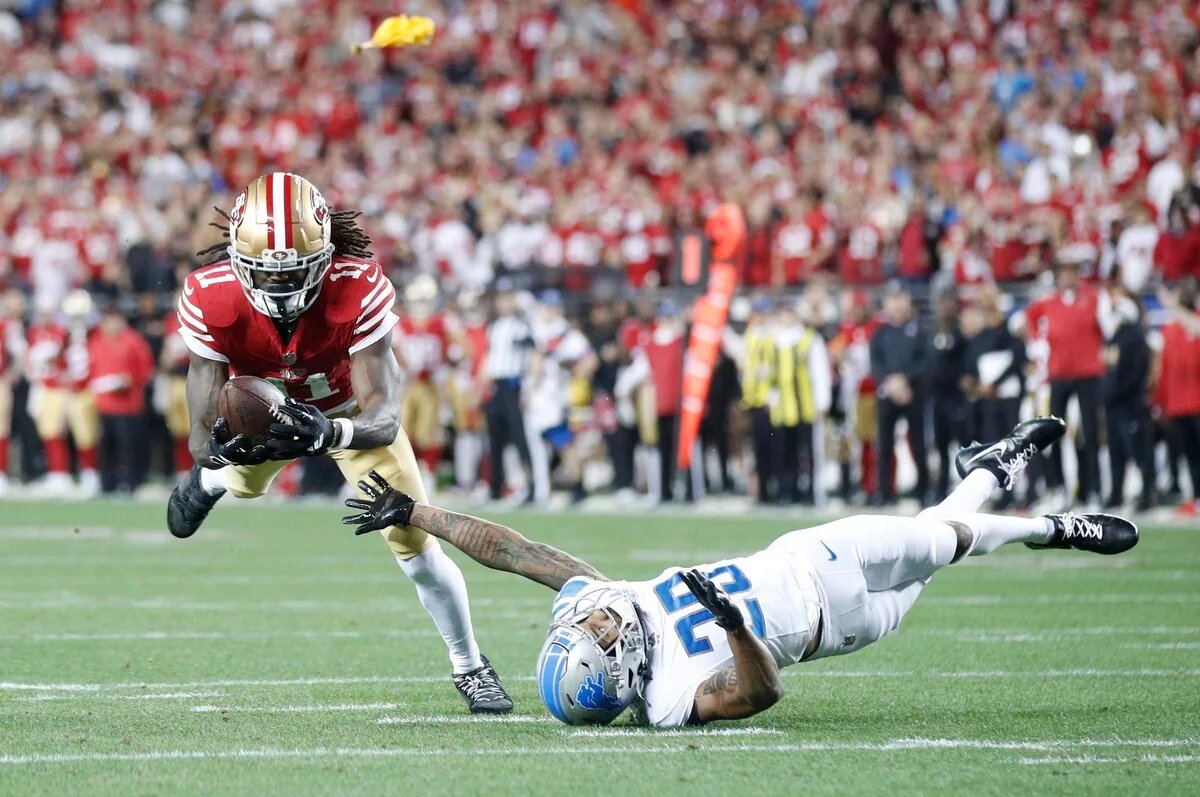
Contract volatility emerges as the core narrative here. Aiyuk, a first-round draft pick who signed a $120 million four-year extension just recently, now finds himself at a career crossroads. His 2023 performance—a career-high 1,342 yards and seven touchdowns—seemingly means little in the face of organizational strategic realignment. The 49ers' decision to void guaranteed money in his 2026 contract and place him on the reserve list signals a ruthless approach to talent management that prioritizes organizational flexibility over individual player loyalty.
The underlying trend is profound: professional sports contracts are transforming from long-term commitments to short-term, performance-driven arrangements. Injury risk, salary cap management, and strategic roster flexibility now trump traditional notions of player retention. For Aiyuk, a torn ACL in 2024 combined with previous holdout incidents created a perfect storm, accelerating his potential departure from the team.
This development isn't just about one player, but represents a broader industry shift. Teams are increasingly treating players as strategic assets to be optimized, traded, or replaced based on immediate organizational needs. The emotional and professional investment players make is becoming secondary to cold, calculated roster economics. For emerging athletes and veteran players alike, this signals a need for more adaptive career strategies and robust personal brand management beyond team affiliations.
The future for players like Aiyuk now demands unprecedented agility: maintaining peak performance, managing injury risks, and cultivating marketability that transcends a single team's strategic vision. What was once a career path defined by team loyalty is rapidly becoming a high-stakes professional chess game where individual adaptability determines long-term success.
Questions 3
What does Brandon Aiyuk's situation reveal about modern NFL contract structures?
Aiyuk's case demonstrates that NFL contracts are becoming increasingly performance-driven and flexible. Teams now prioritize roster adaptability over long-term player commitments, with injury risks and strategic considerations quickly overriding previous contract guarantees.
How might this impact future contract negotiations for professional athletes?
Athletes will need to develop more sophisticated personal brand strategies, diversify income streams, and negotiate contracts with greater emphasis on performance bonuses and shorter-term commitments. The era of guaranteed long-term contracts is rapidly evolving.