


Strategic Roster Management Reveals Hidden Operational Resilience Playbook
- Tactical Flexibility in Player Deployment Mirrors Modern Business Adaptation Strategies












Overview
In the intricate world of professional sports management, the Seattle Seahawks' recent roster moves offer a masterclass in strategic organizational flexibility that transcends athletic performance. Roster optimization emerges as a critical lens for understanding adaptive organizational strategies, where rapid response and intelligent resource allocation become competitive advantages.
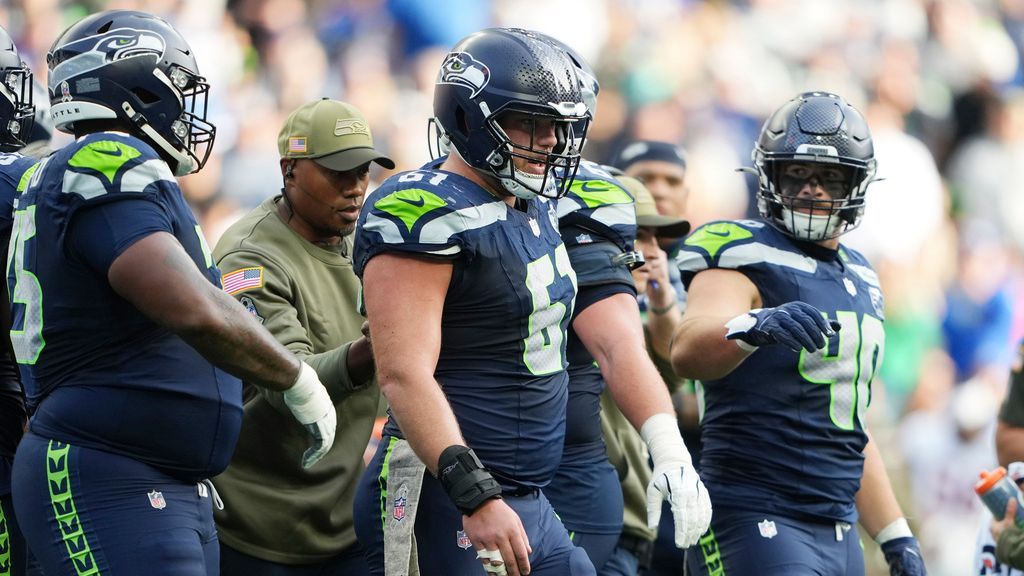
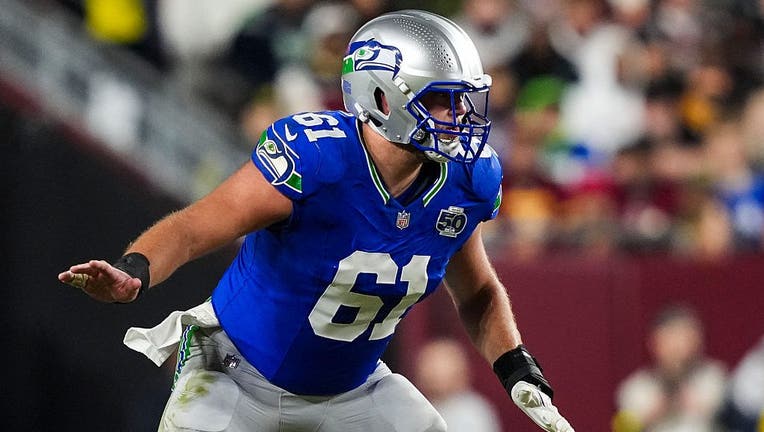
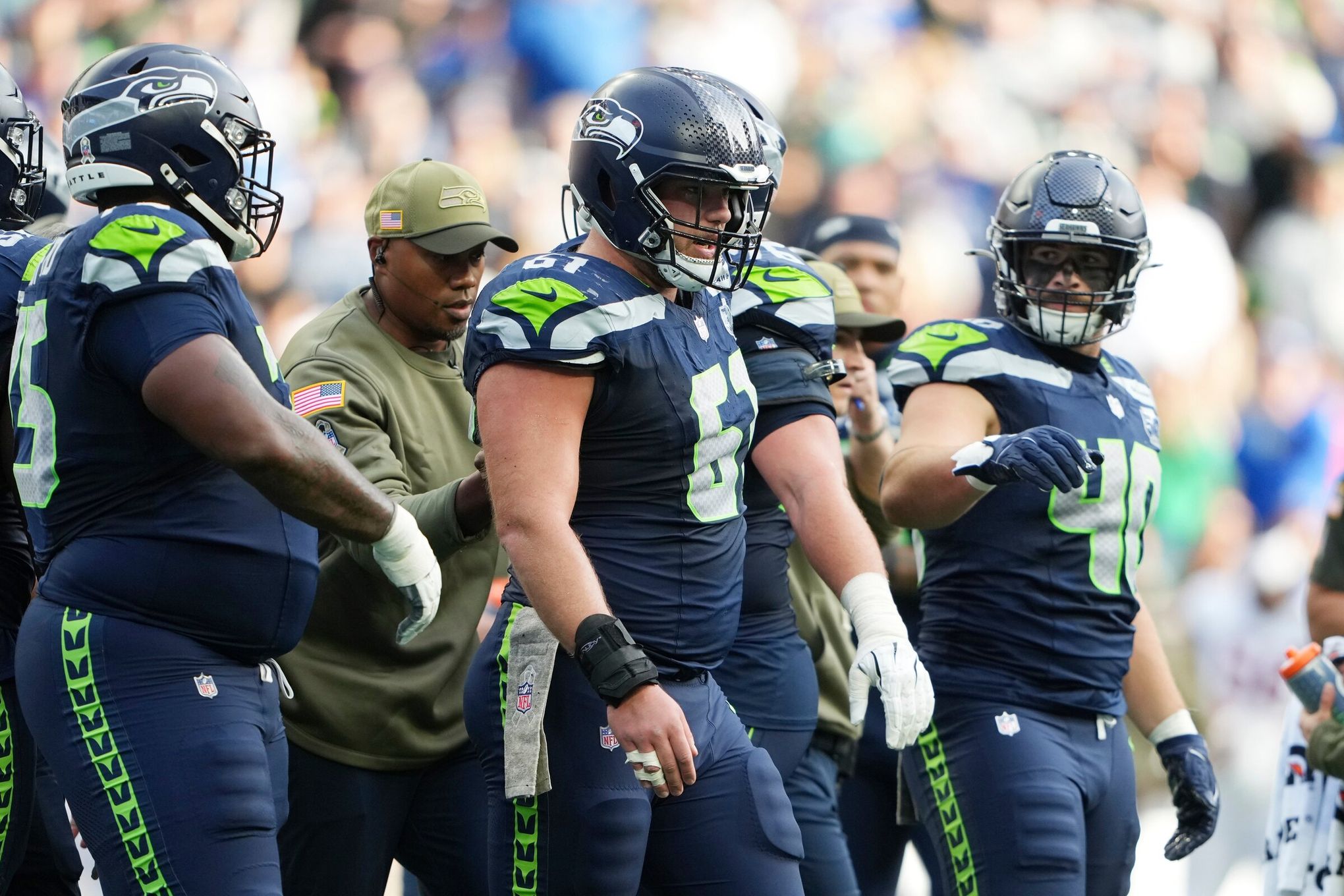
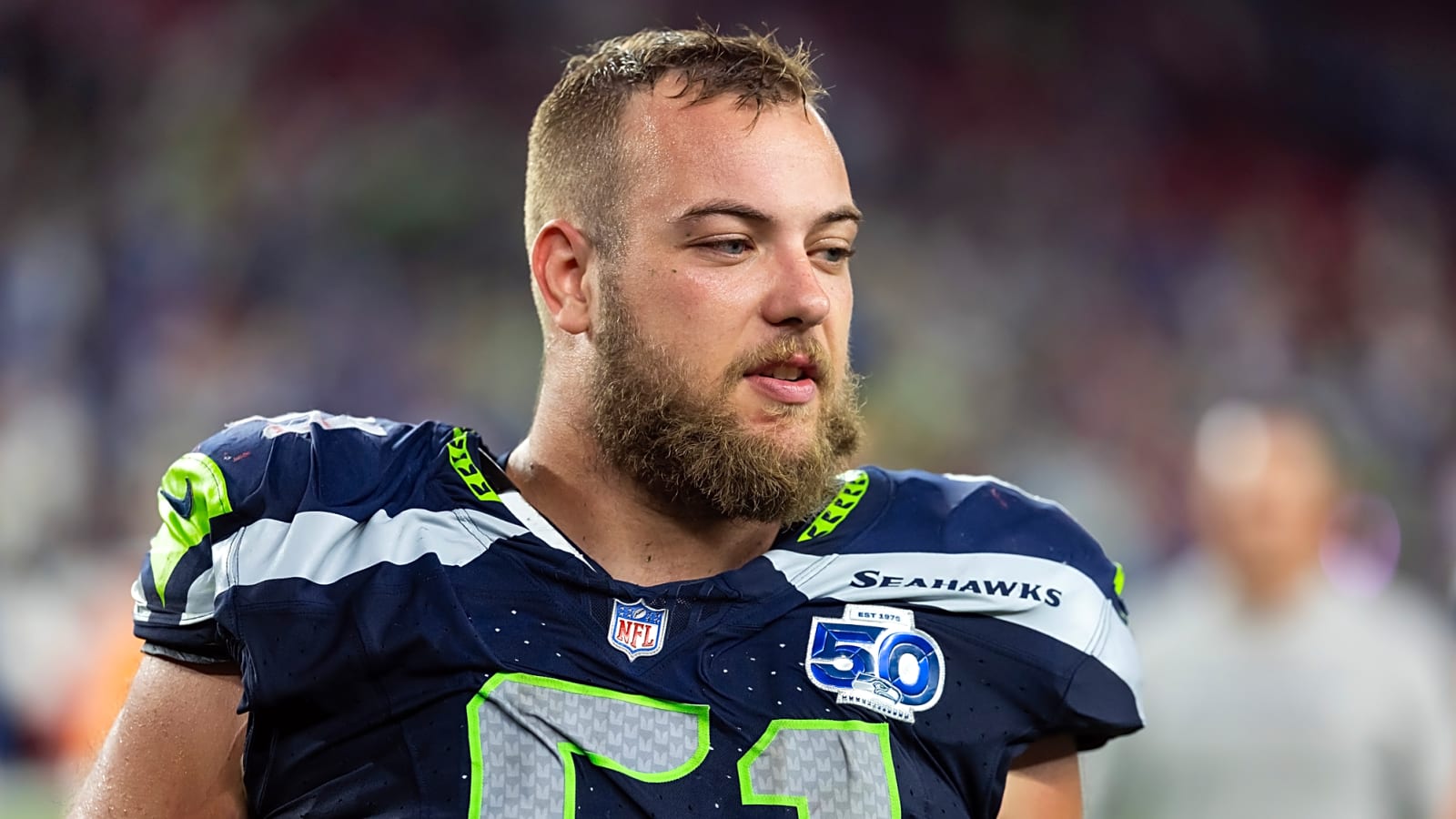
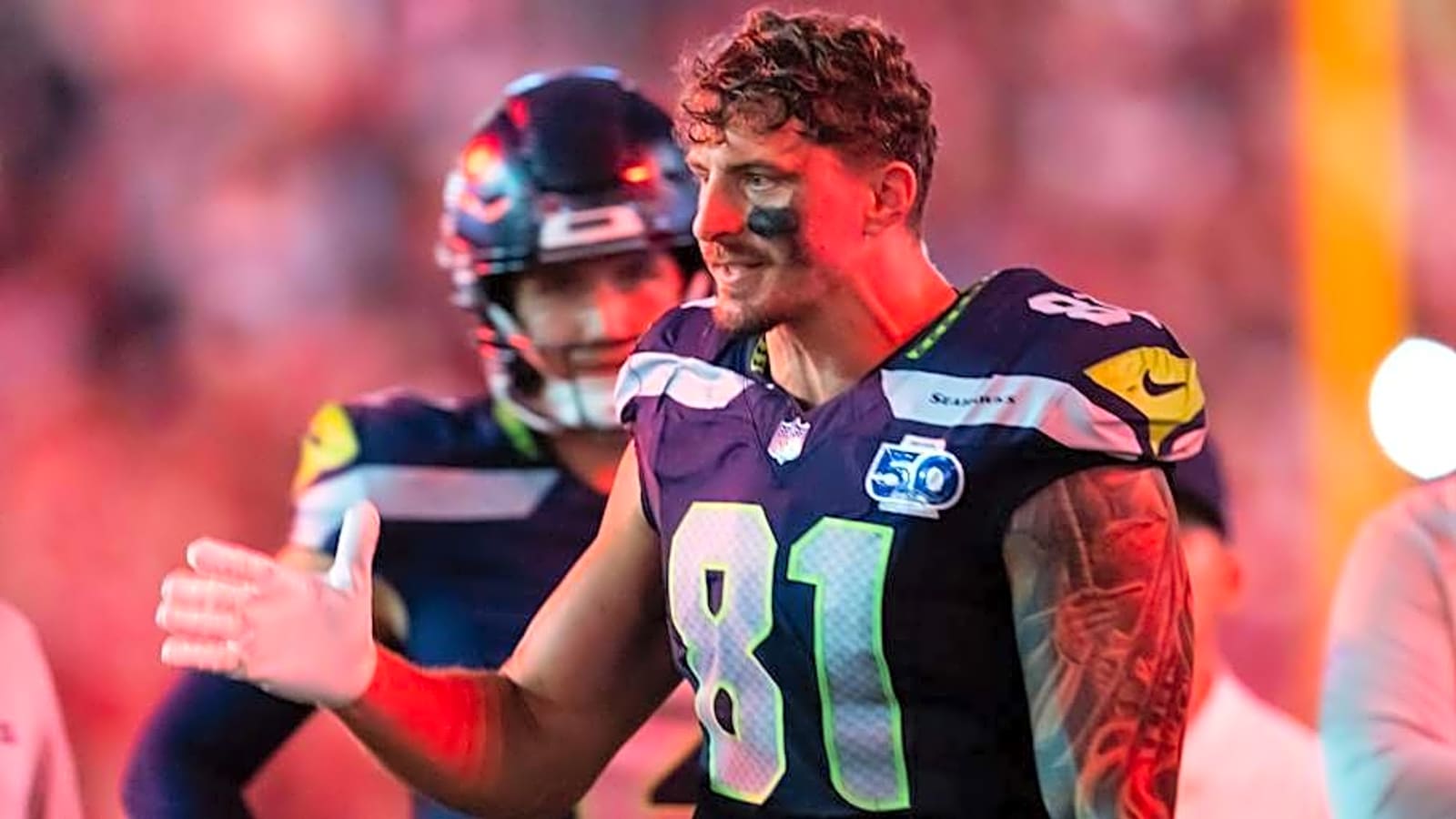
The Seahawks' approach demonstrates a nuanced injury management protocol that goes beyond mere player replacement. By activating Jalen Sundell and Eric Saubert from injured reserve while strategically managing rookie Elijah Arroyo's season-ending injury, the team reveals a sophisticated talent management ecosystem. This mirrors advanced corporate strategies where talent mobility and strategic repositioning are key survival mechanisms.
Tactical roster engineering becomes a powerful metaphor for business resilience. The team's ability to simultaneously manage player returns, practice squad dynamics, and injury contingencies reflects a dynamic operational model. Consider the precision: Sundell, the starting center who missed four games due to a knee injury, and Saubert, returning after a six-game absence, represent calculated risk management. Their strategic reintegration suggests a methodical approach to maintaining competitive depth while mitigating performance disruptions.
The practice squad manipulations—signing Shaquill Griffin and Cam Akers while elevating Velus Jones Jr.—further illustrate the complex talent ecosystem. This isn't just roster management; it's a live, adaptive system where human capital is continuously assessed, repositioned, and optimized. For business leaders, the parallels are striking: successful organizations must develop similar capabilities to rapidly reconfigure talent, manage unexpected disruptions, and maintain operational momentum.
Ultimately, the Seahawks' roster strategy reveals a profound organizational philosophy: resilience is not about avoiding challenges, but about developing sophisticated, flexible mechanisms to navigate them intelligently. In an increasingly volatile business landscape, this approach of continuous adaptation, strategic repositioning, and holistic talent management becomes not just a competitive advantage, but a fundamental survival strategy.
Questions 3
How do the Seahawks' roster moves demonstrate strategic organizational flexibility?
By simultaneously managing player returns from injury, strategically placing players on injured reserve, and dynamically adjusting the practice squad, the Seahawks show a sophisticated approach to talent management. They treat roster optimization as a complex, adaptive system rather than a static process.
What business lessons can be learned from the Seahawks' roster management?
The key lesson is developing an agile talent ecosystem that can rapidly reconfigure resources, manage unexpected disruptions, and maintain competitive momentum. This involves creating flexible protocols, maintaining deep talent pools, and viewing human capital as a dynamic, strategic asset.