


Kevin Warsh Fed Chair Confirmation | Interest Rate Impact on E-Commerce Sellers 2026
- Partisan confirmation signals potential rate hikes; headline inflation at 3.8% YoY; sellers face 8-15% financing cost increases and currency volatility across cross-border operations















Overview
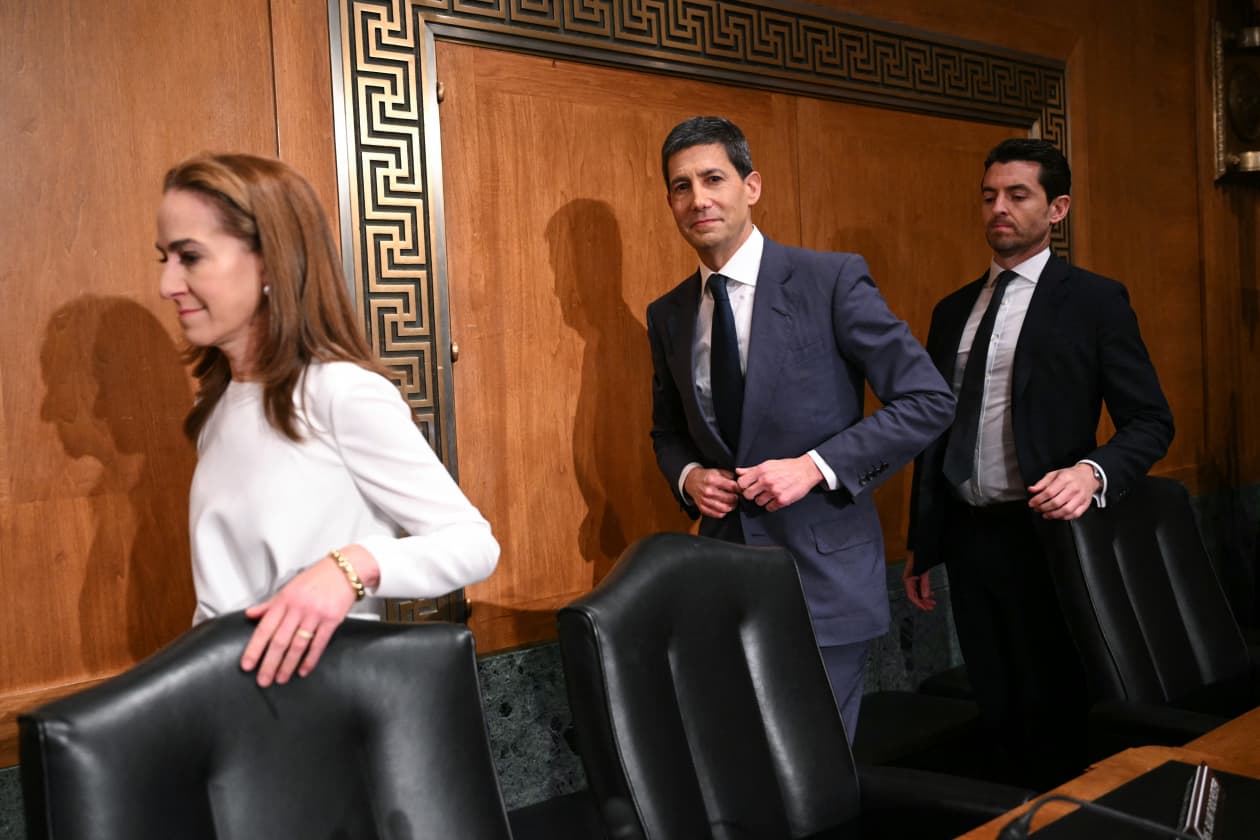
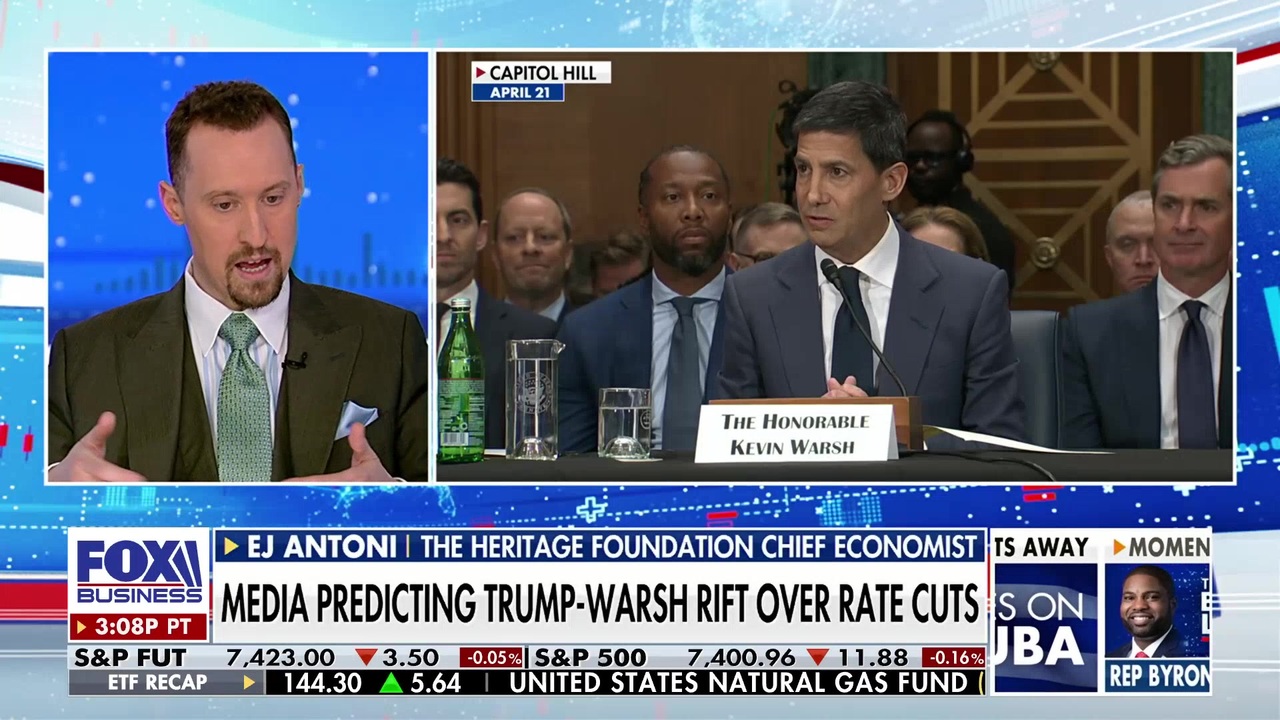
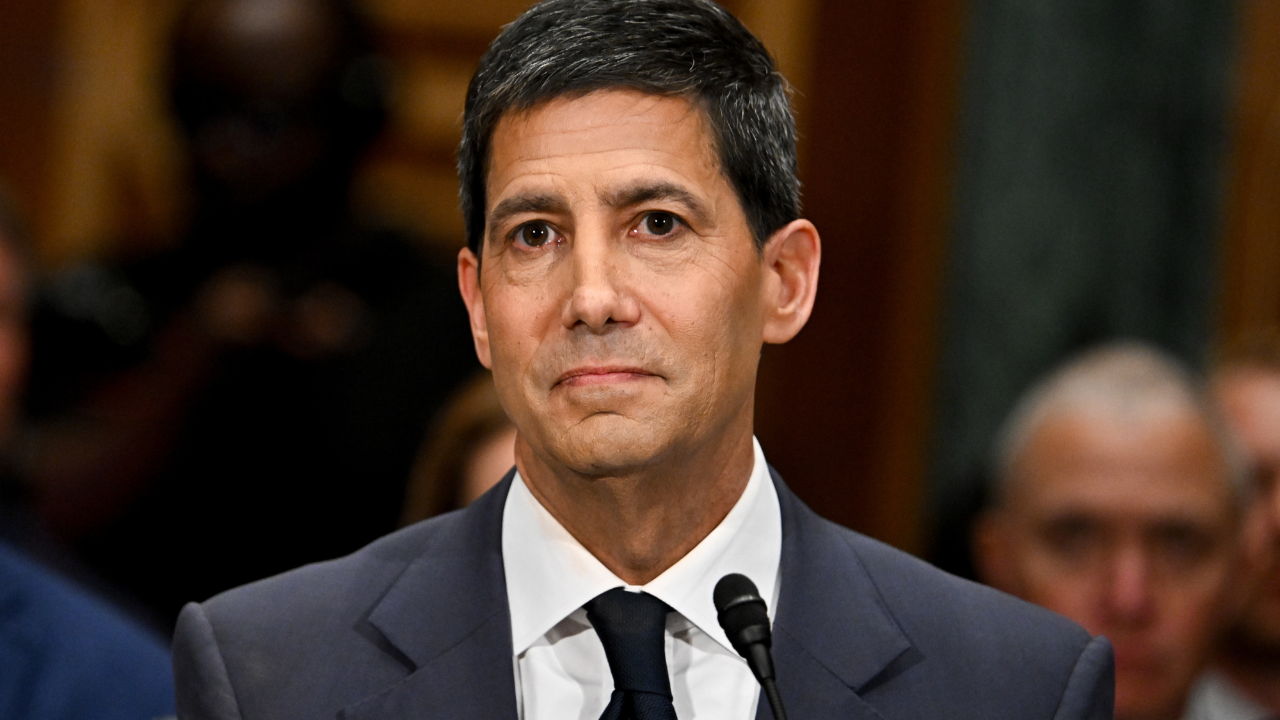
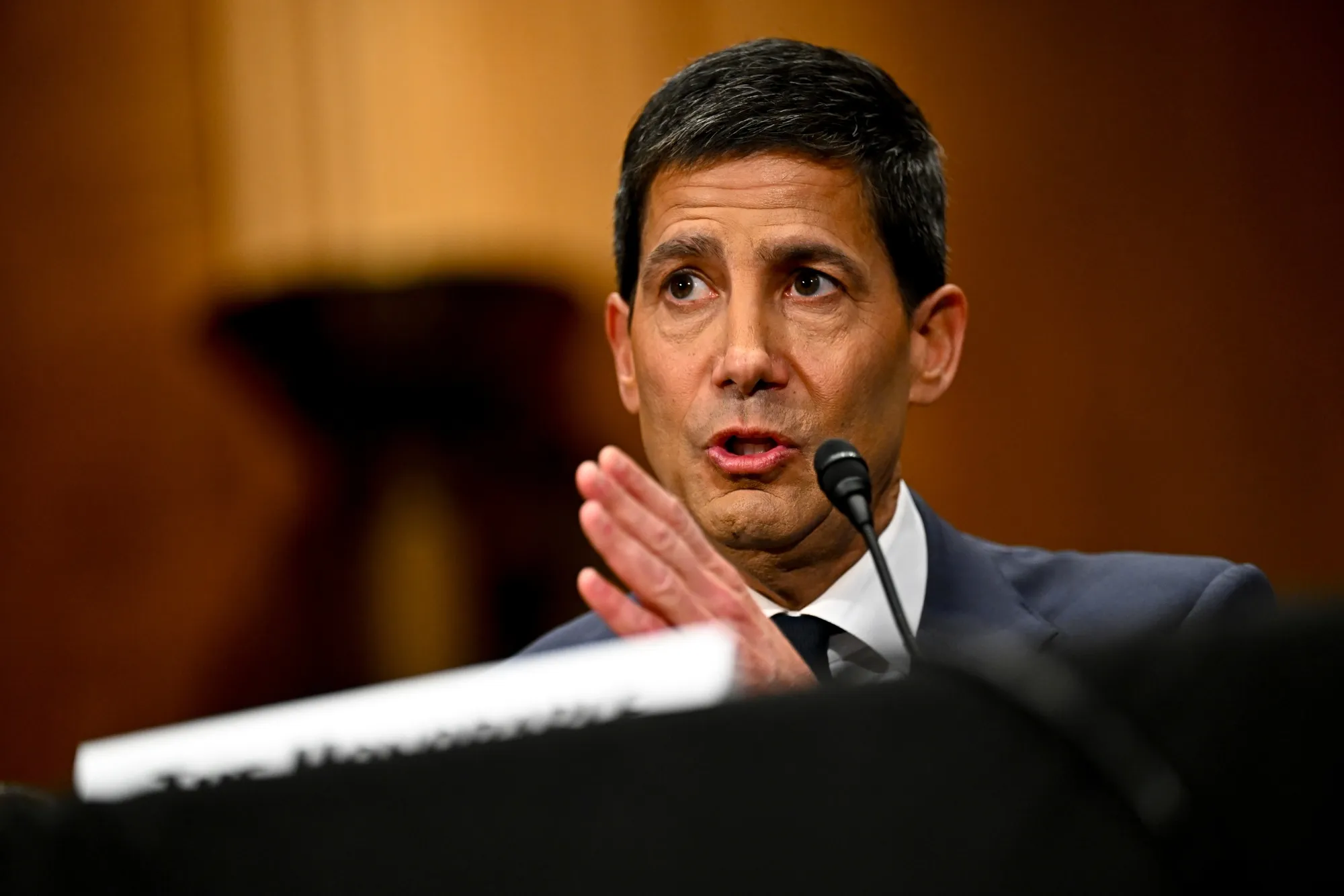
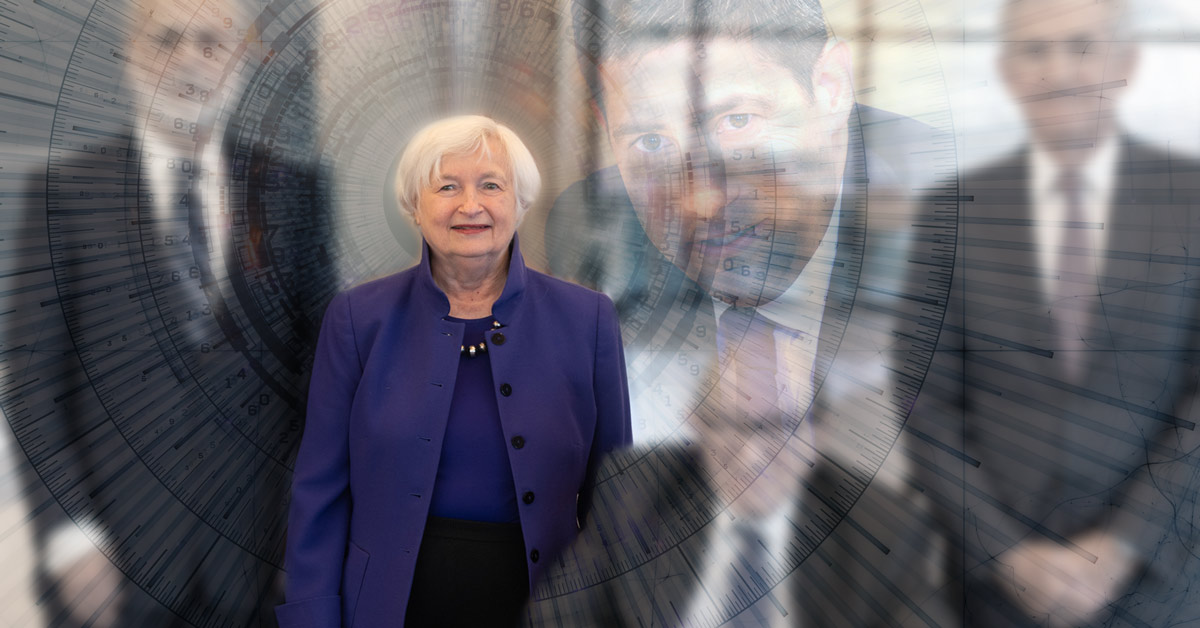
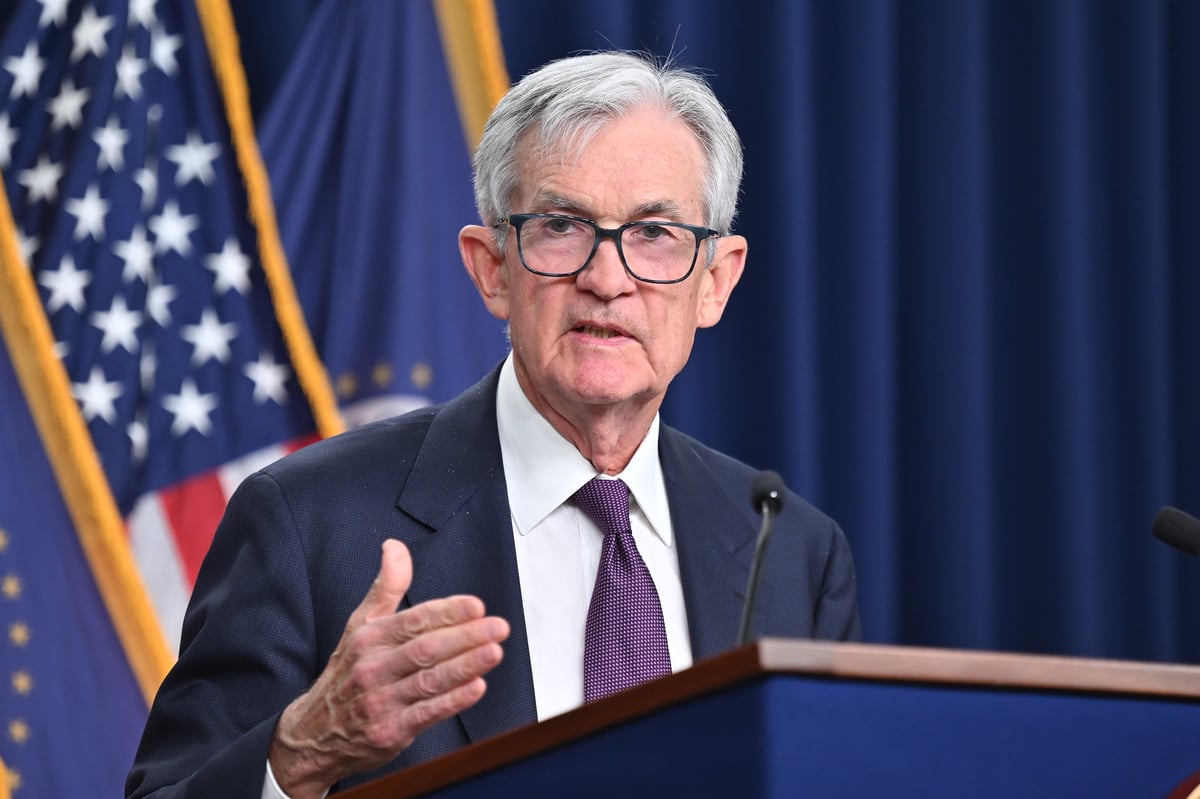
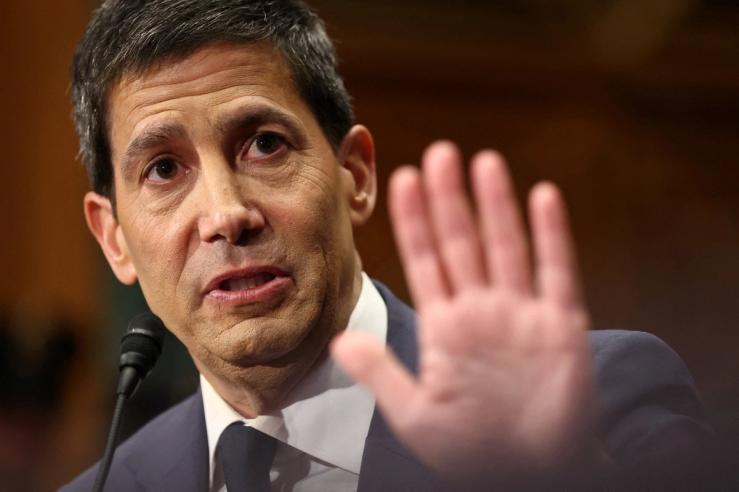
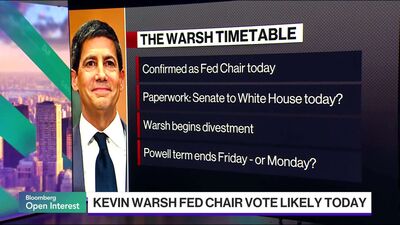
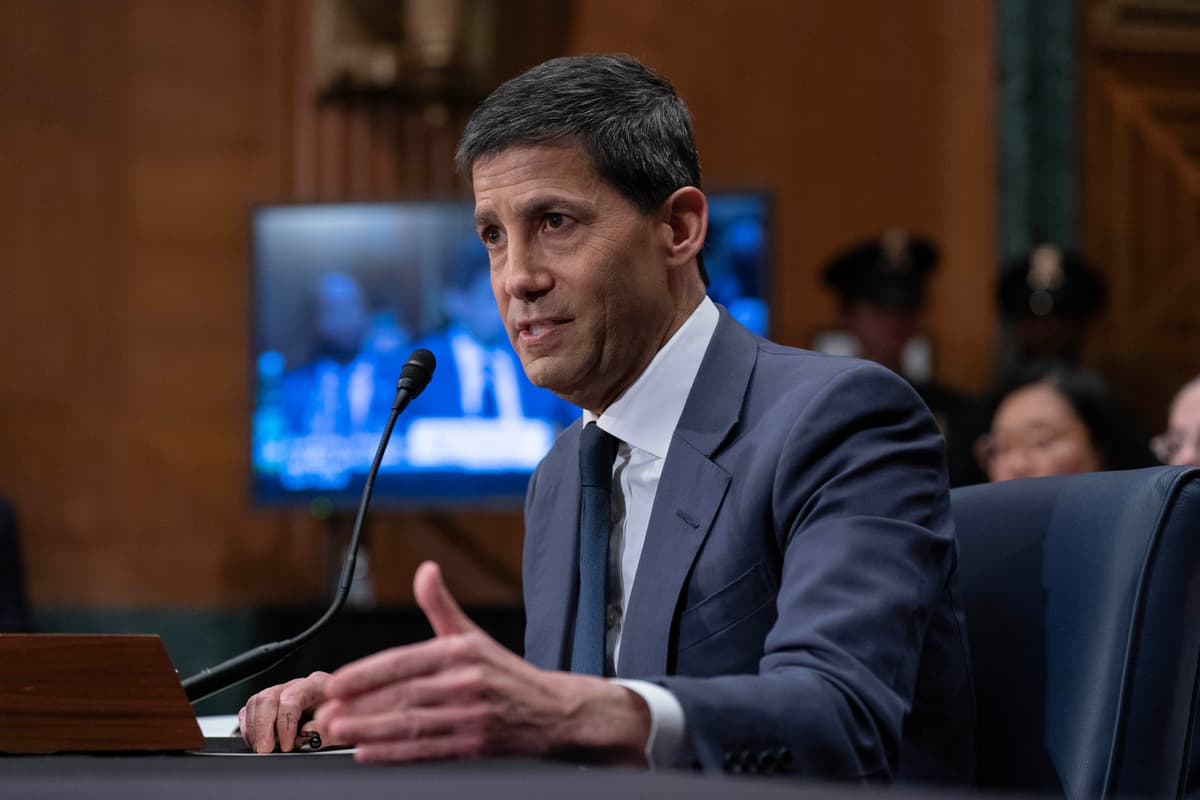
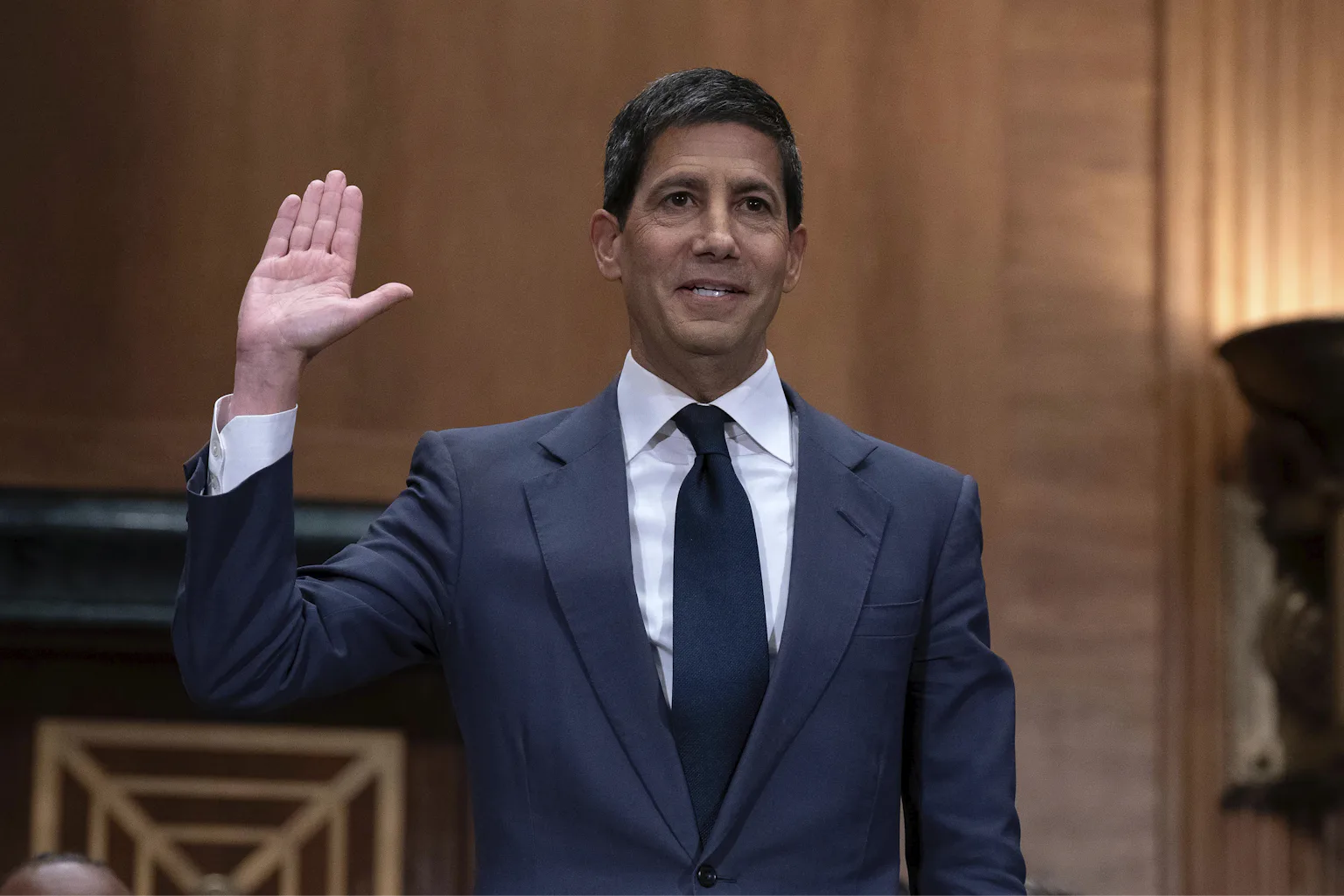
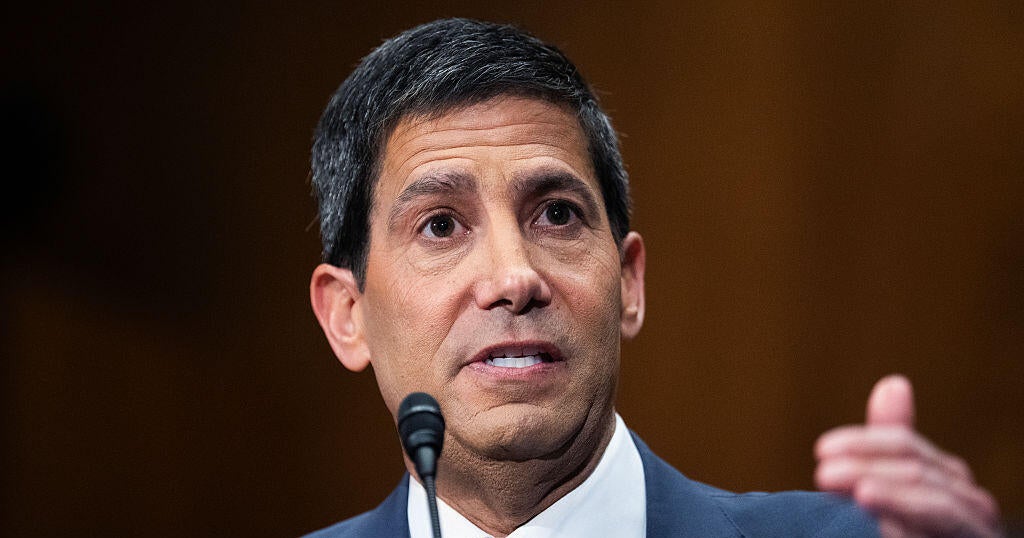
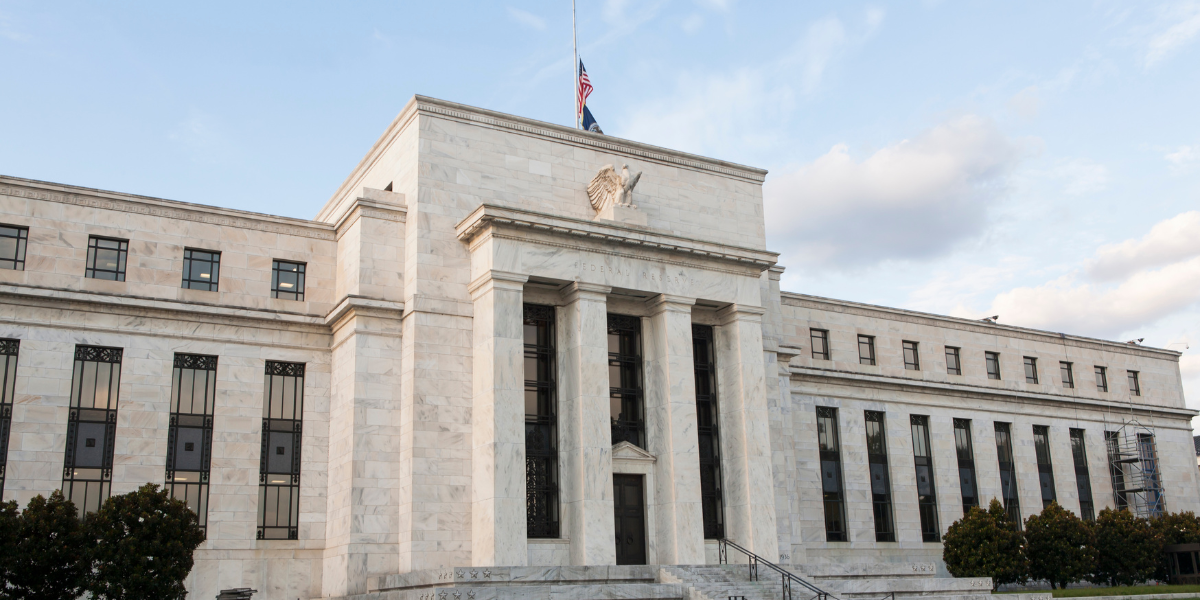
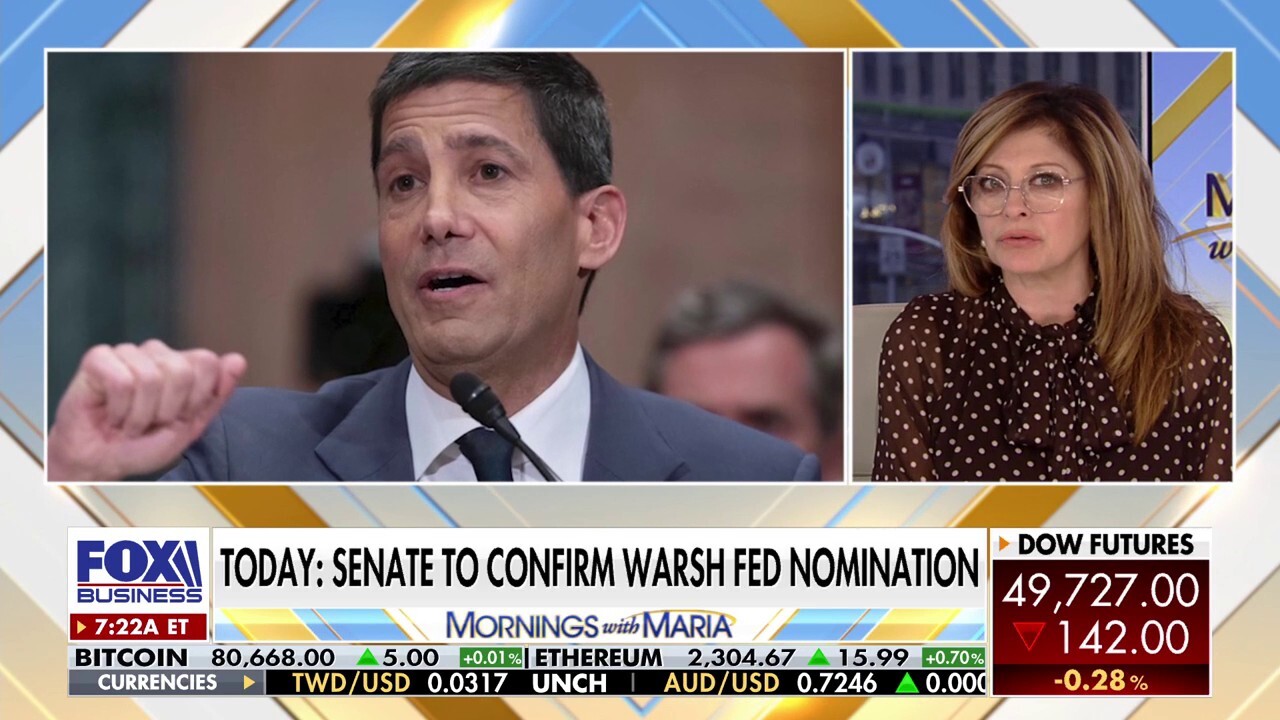
Kevin Warsh's confirmation as Federal Reserve Chair on May 13, 2026, marks a significant shift in monetary policy leadership with direct implications for cross-border e-commerce sellers. The Senate confirmed Warsh as Fed governor on May 12, 2026, with a 51-45 party-line vote—only Senator John Fetterman (D-PA) crossed the aisle—signaling reduced bipartisan consensus compared to his predecessor Jerome Powell. This partisan divide reflects broader tensions over Fed independence and Trump administration influence on monetary policy. Historically, Fed chairs enjoyed substantial bipartisan support: Powell received 39 Democratic votes in 2017 and 36 Republican votes in 2022 upon renomination, while Janet Yellen received only 11 GOP votes in 2014. Warsh's thinner Democratic relationships and limited congressional protection create policy uncertainty that directly affects seller financing costs and currency exchange rates.
The economic backdrop intensifies these concerns. Headline inflation reached 3.8% year-over-year in April 2026 (down from 0.9% monthly in March), with approximately 40% of increases attributed to Iran conflict energy shocks. More critically, core inflation accelerated to 0.4% monthly in April from 0.2% in March, signaling persistent underlying price pressures beyond temporary energy factors. The Federal Open Market Committee convenes June 16-17, 2026, with financial markets expecting rate maintenance or potential hikes despite Warsh's stated preference for lower rates. This conflict between political pressure for accommodative policy and economic necessity for inflation control creates uncertainty for sellers managing working capital and inventory financing.
For cross-border e-commerce sellers, the implications are substantial and multifaceted. Interest rate decisions directly affect borrowing costs for inventory financing, working capital loans, and business expansion—critical factors for sellers managing cash flow across multiple markets. If the Fed maintains higher rates longer (as suggested by inflation persistence), sellers financing inventory through traditional lenders face 8-15% increased annual borrowing costs. Currency exchange rates, influenced by Fed policy trajectory, create additional volatility for sellers operating in multiple markets. Sellers sourcing from Asia, manufacturing in Vietnam or China, and selling in EU markets face compounded risks: higher US interest rates strengthen the dollar, reducing competitiveness of US-based sellers in international markets while increasing sourcing costs for dollar-denominated purchases. Persistent inflation directly impacts product sourcing costs, shipping expenses (energy-dependent logistics), and supplier pricing across global supply chains. The Iran conflict's 40% contribution to inflation directly increases international shipping costs, affecting sellers relying on air freight or premium logistics services.
Questions 8
How does Kevin Warsh's Fed confirmation affect interest rates for e-commerce sellers?
Warsh's confirmation on May 13, 2026, with only 51-45 Senate support signals reduced congressional protection compared to Powell's bipartisan backing (39 Democratic votes in 2017). With core inflation accelerating to 0.4% monthly in April 2026 and persistent price pressures, the Fed faces pressure to maintain higher rates longer despite Warsh's stated preference for rate reductions. For sellers, this means borrowing costs for inventory financing and working capital loans could increase 8-15% annually if rates remain elevated through 2026. The June 16-17 FOMC meeting will be critical—sellers should monitor announcements closely as rate decisions directly impact financing strategies for international operations.
How does Fed policy uncertainty affect currency exchange rates for sellers?
Warsh's partisan confirmation and conflicting monetary policy signals create currency volatility. Higher US interest rates (if maintained) strengthen the dollar, reducing competitiveness for US-based sellers in international markets while increasing sourcing costs for dollar-denominated purchases from Asia. Sellers operating in EU, UK, or Asian markets face exchange rate headwinds that compress margins. The Fed's June 16-17 meeting will signal the policy direction—if rates stay higher longer, expect 3-8% dollar appreciation against major currencies through 2026. Sellers should consider hedging strategies, dynamic pricing adjustments, and currency-adjusted inventory planning to mitigate these risks.