


Autonomous Vehicle Reliability Crisis | Last-Mile Delivery Disruption & Seller Logistics Impact
- Waymo's 3,800-unit recall signals AV delivery infrastructure risks; sellers relying on autonomous logistics face 2-4 week service disruptions in 11 major US markets



Overview
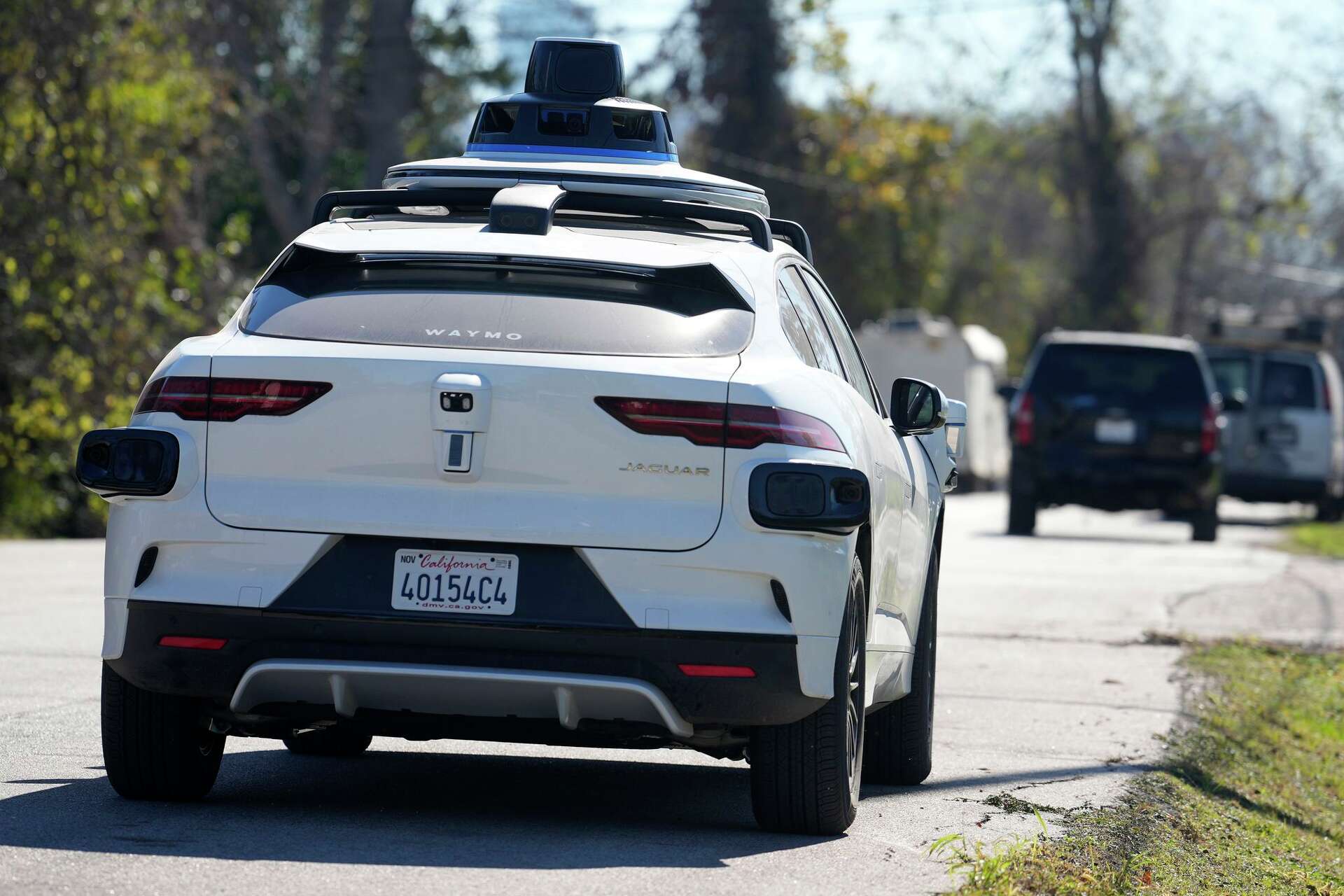
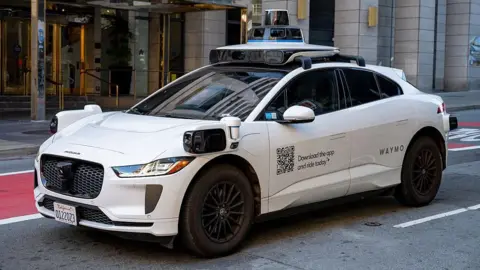
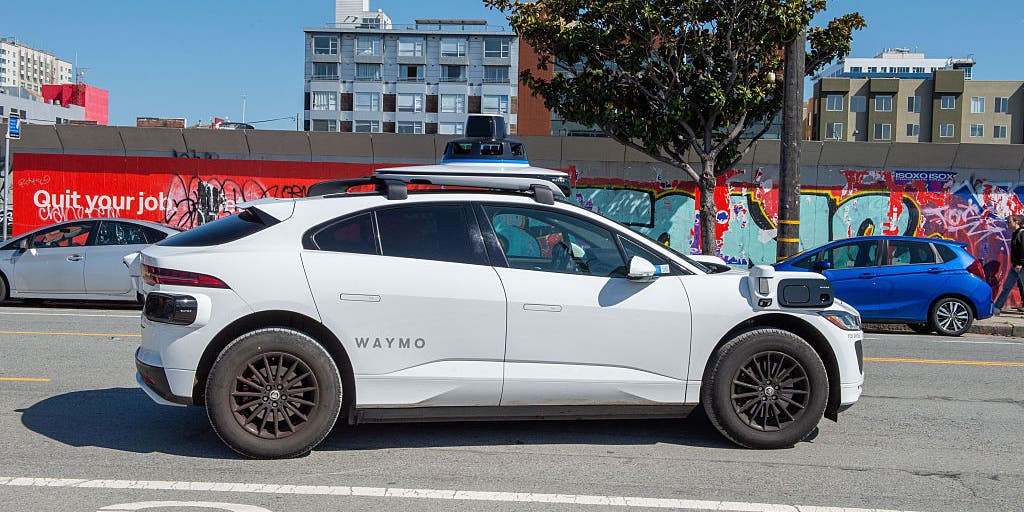
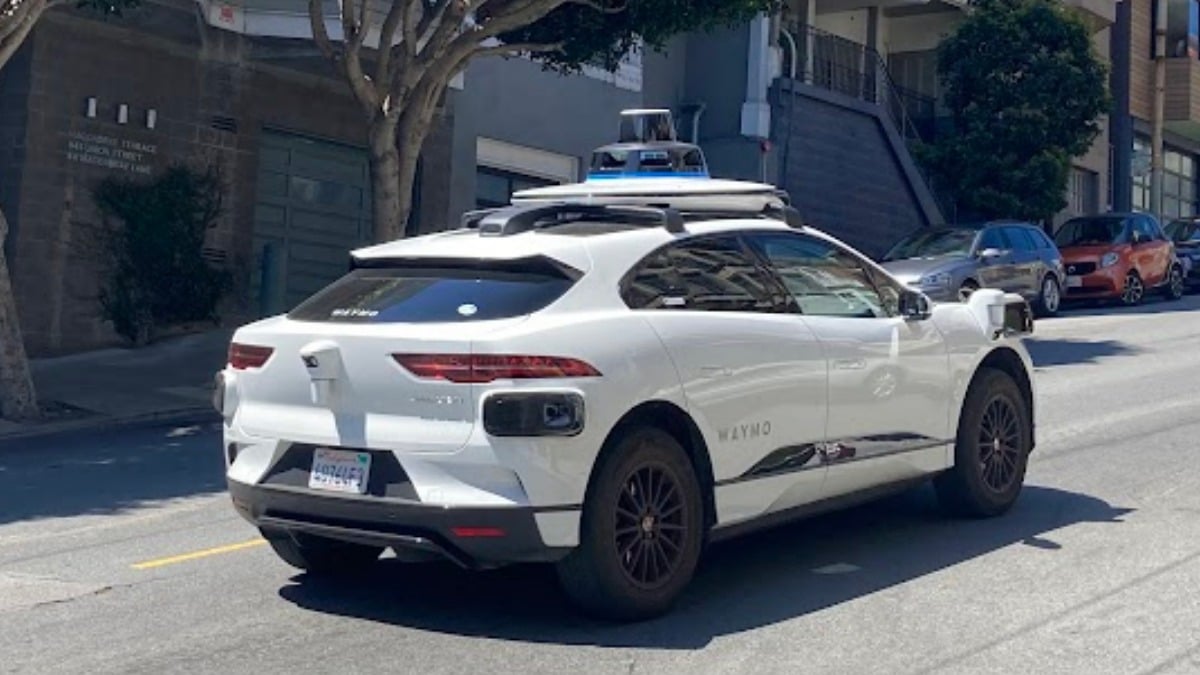
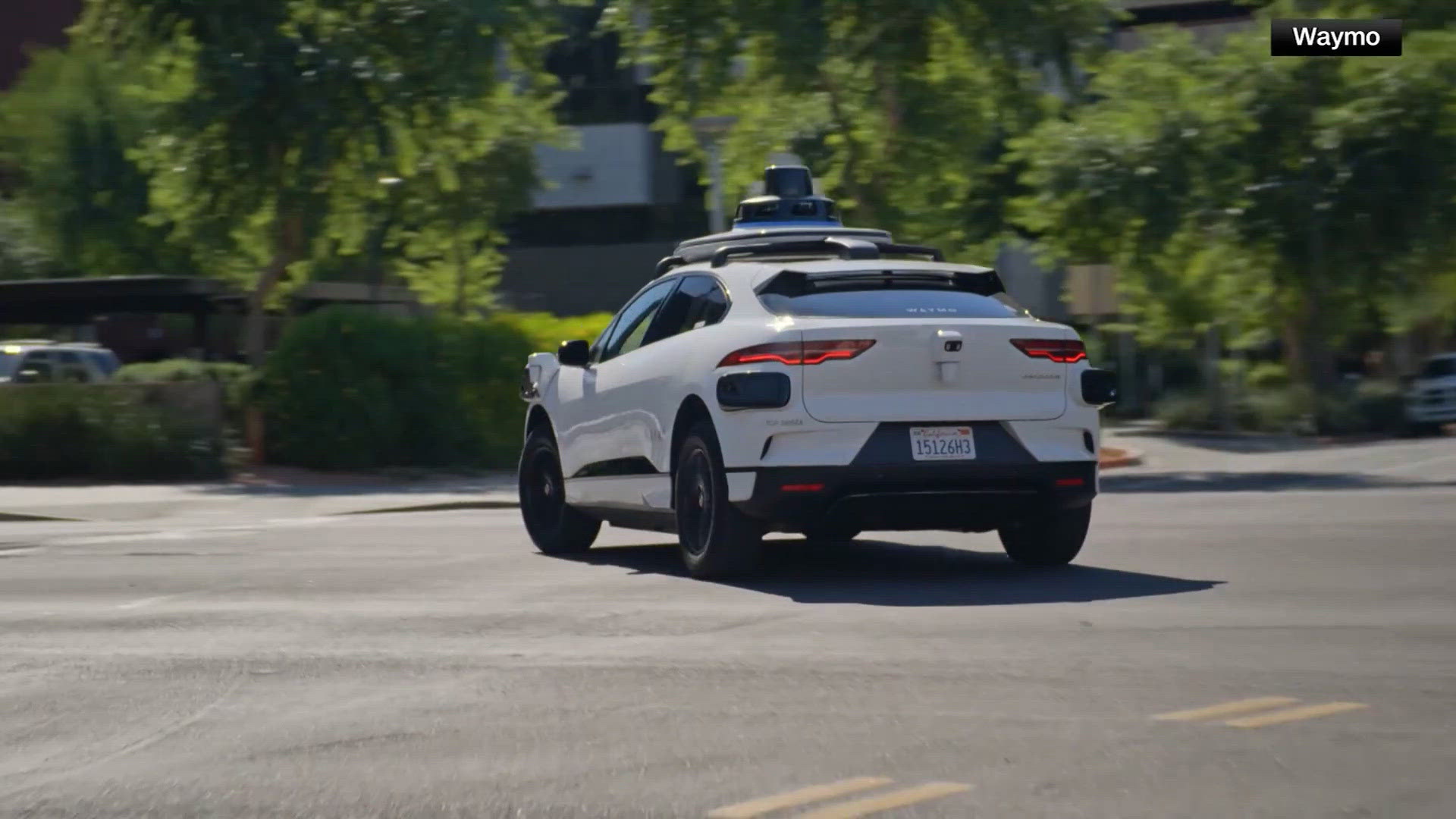
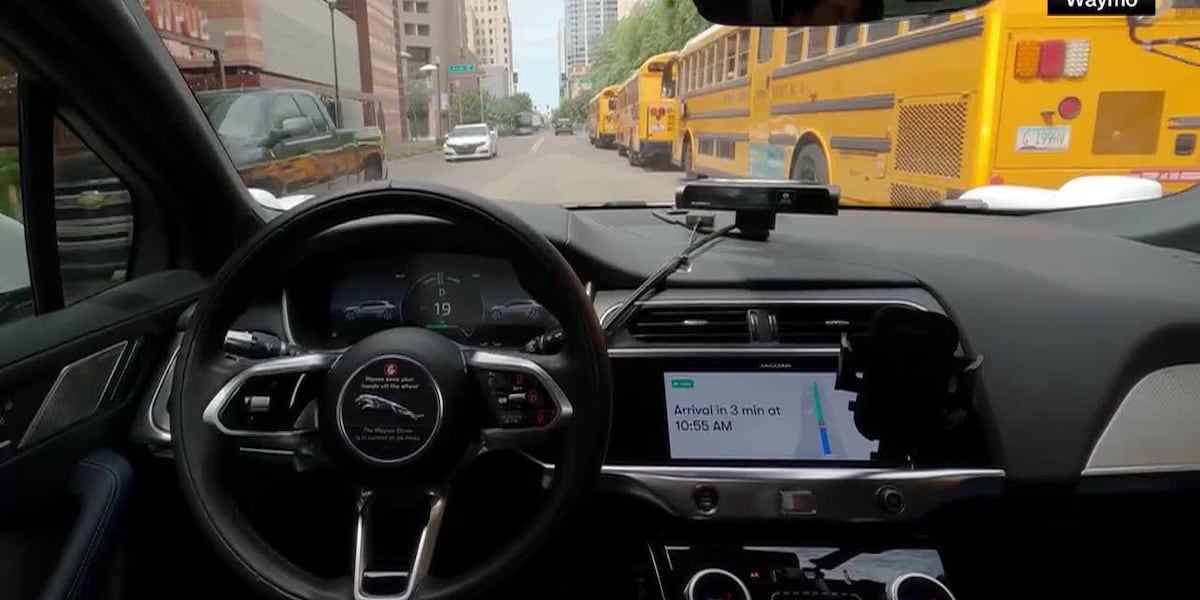
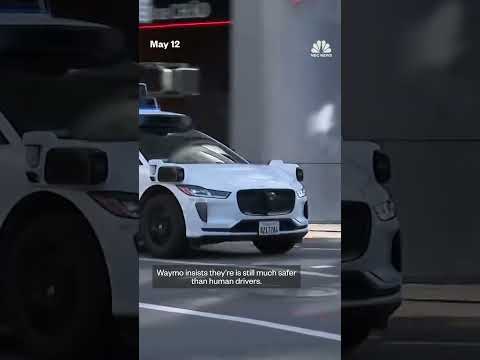
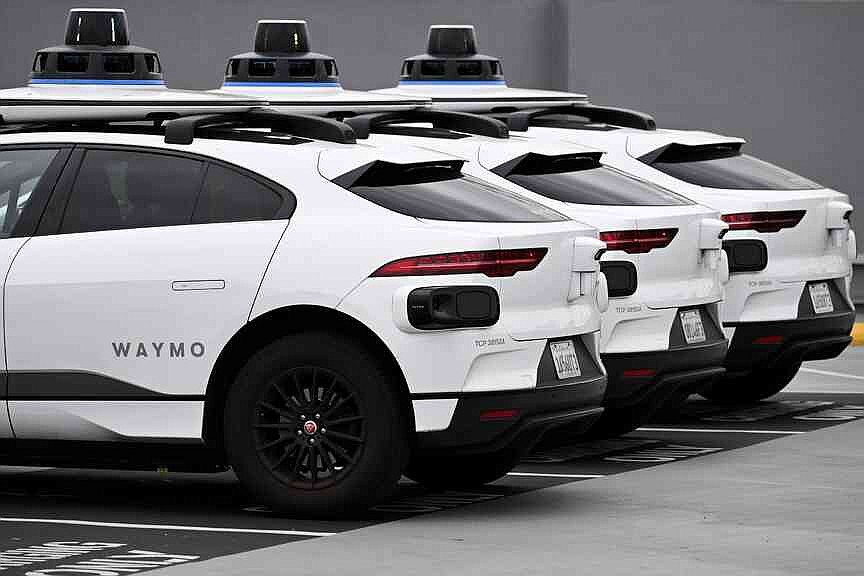
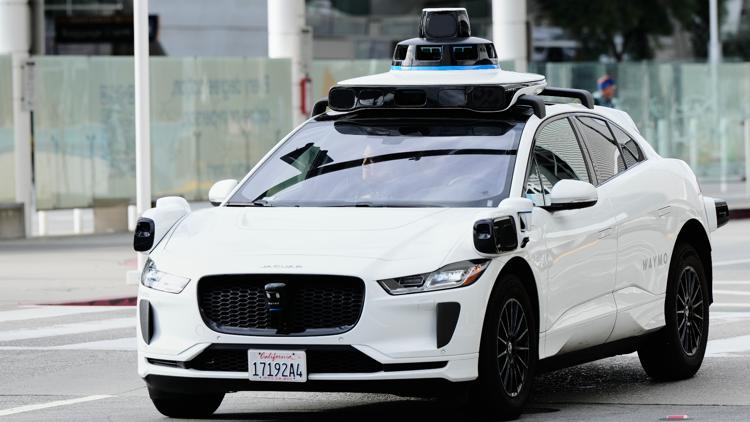
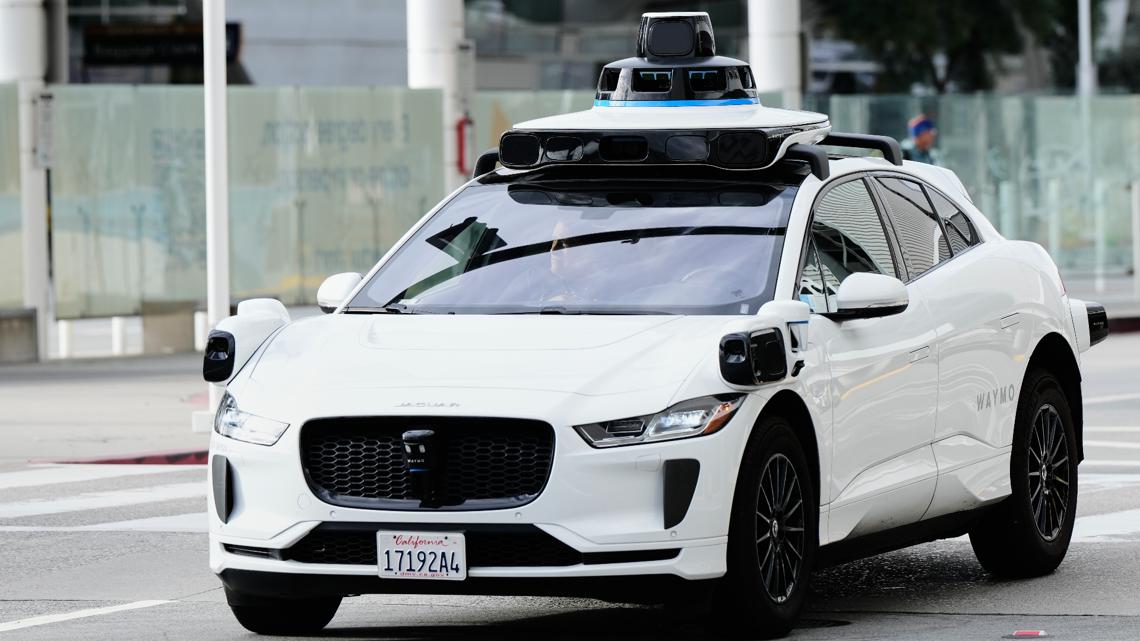
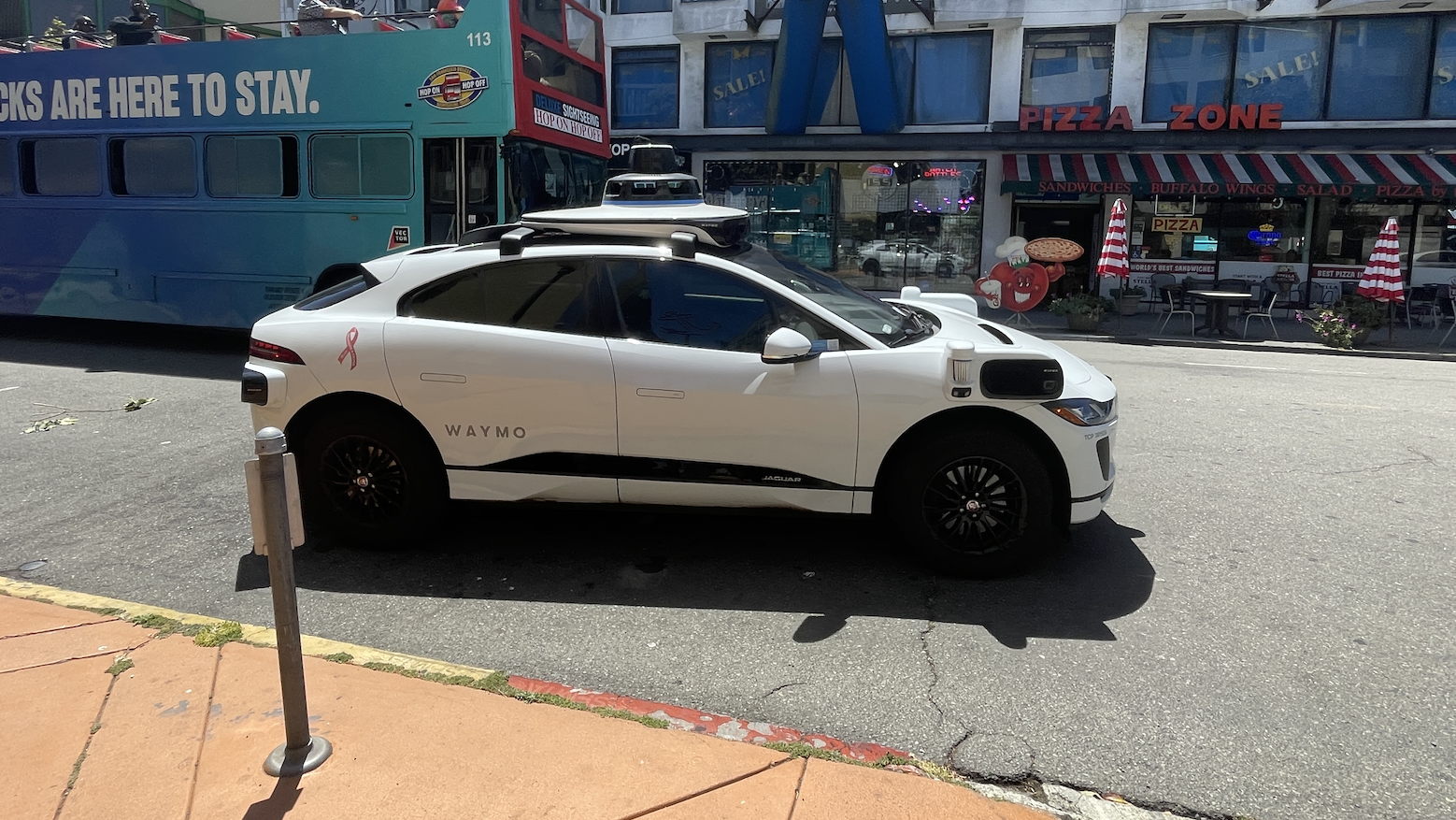
Waymo's massive 3,800-robotaxi recall on April 20, 2026, due to critical software failures in extreme weather navigation represents a watershed moment for autonomous vehicle (AV) logistics infrastructure that e-commerce sellers increasingly depend on. The recall—triggered by vehicles driving into flooded roadways in San Antonio and Austin—reveals fundamental reliability gaps in AV systems during adverse weather, directly impacting last-mile delivery networks in 11 major US markets (San Francisco, Los Angeles, Phoenix, Austin, Miami, and others). This is Waymo's second major recall in 12 months (1,200+ units in 2025 for obstacle detection), signaling systemic software validation issues rather than isolated incidents.
For e-commerce sellers, this creates immediate operational risks and strategic opportunities. Sellers using Waymo's delivery services in affected markets face 2-4 week service disruptions as the company implements interim mitigation measures including restricted access to flood-prone areas and temporary suspension of operations in San Antonio. This directly impacts same-day and next-day delivery promises, particularly for high-margin categories like electronics, apparel, and perishables where delivery speed drives conversion rates. The recall also exposes a critical gap: autonomous delivery infrastructure is less reliable than traditional logistics during extreme weather events—a reality that will shape seller fulfillment strategies through 2026-2027.
The broader market implication is significant: sellers cannot yet fully depend on autonomous last-mile delivery as a primary fulfillment channel. While Waymo operates in 11 markets representing approximately 35-40% of US e-commerce volume, the recurring failures (flooded creek incident, luggage departure at San Jose airport, gate collision bugs) demonstrate that AV systems lack the contextual intelligence and edge-case handling that human drivers provide. This creates a competitive advantage for sellers who maintain hybrid fulfillment strategies combining traditional 3PL providers with selective AV deployment for optimal-condition routes. Additionally, the NHTSA investigation signals incoming regulatory scrutiny that will likely impose stricter software validation requirements, delaying AV expansion and protecting traditional logistics providers from disruption through 2027-2028.
Strategic seller implications: diversify fulfillment dependencies, monitor AV service reliability metrics, and capitalize on traditional logistics providers' competitive moat during this AV credibility crisis. Sellers should reduce reliance on Waymo delivery in affected markets by 30-50% until the company demonstrates 6+ months of incident-free operations post-recall. This creates opportunities to negotiate better rates with traditional 3PL providers (UPS, FedEx, Amazon Logistics) who now have leverage to retain market share. Additionally, sellers can use AV service disruptions as a marketing angle—emphasizing "guaranteed delivery" through traditional logistics as a competitive differentiator against sellers betting on unreliable autonomous systems.
Questions 7
Which e-commerce categories are most impacted by autonomous delivery disruptions?
High-margin, time-sensitive categories face the greatest impact: electronics (where delivery speed drives 15-20% of conversion rates), perishables (requiring temperature control and speed), apparel (seasonal demand windows), and luxury goods (where delivery reliability is a brand differentiator). Sellers in these categories operating in San Francisco, Los Angeles, Phoenix, Austin, and Miami should immediately diversify fulfillment to traditional 3PL providers. Categories with lower delivery-speed sensitivity (books, home goods) can tolerate AV service disruptions with minimal revenue impact.
How does Waymo's robotaxi recall affect e-commerce sellers using autonomous delivery?
Waymo's 3,800-unit recall on April 20, 2026, directly impacts sellers in 11 US markets relying on autonomous last-mile delivery. The software defect prevents vehicles from recognizing flooded roadways, causing service disruptions of 2-4 weeks in affected areas. Sellers should expect delivery delays for same-day/next-day orders and should reduce reliance on Waymo services by 30-50% until the company demonstrates 6+ months of incident-free operations. This is Waymo's second major recall in 12 months, indicating systemic reliability issues rather than isolated bugs.