


Orbital AI Infrastructure Revolution | How Space-Based Data Centers Cut E-Commerce Costs 8-15% by 2027
- Google-SpaceX partnership launches solar-powered satellites with TPUs by 2027; reduces platform fees and improves global inventory latency for cross-border sellers within 2-3 years
















Overview
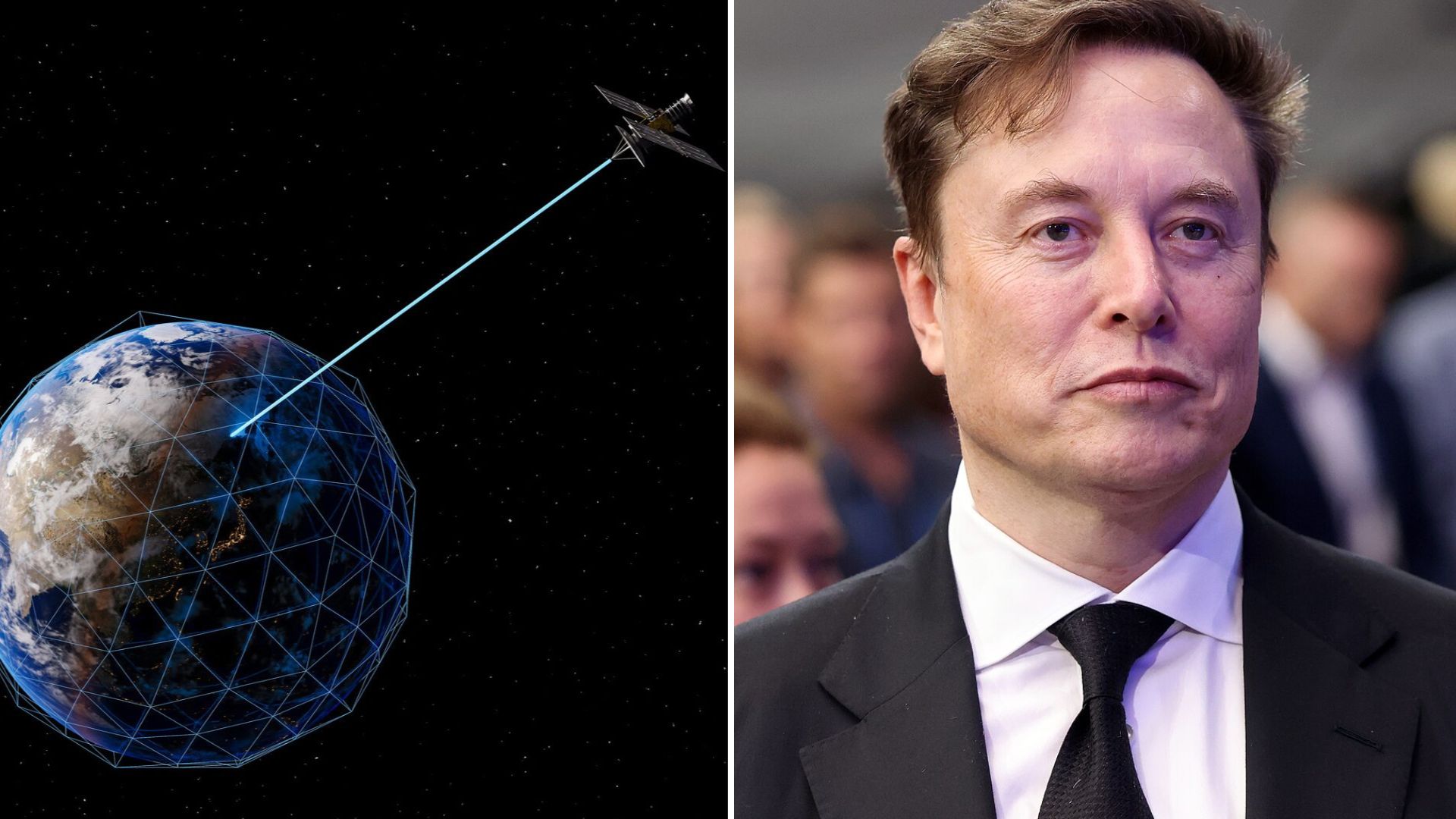
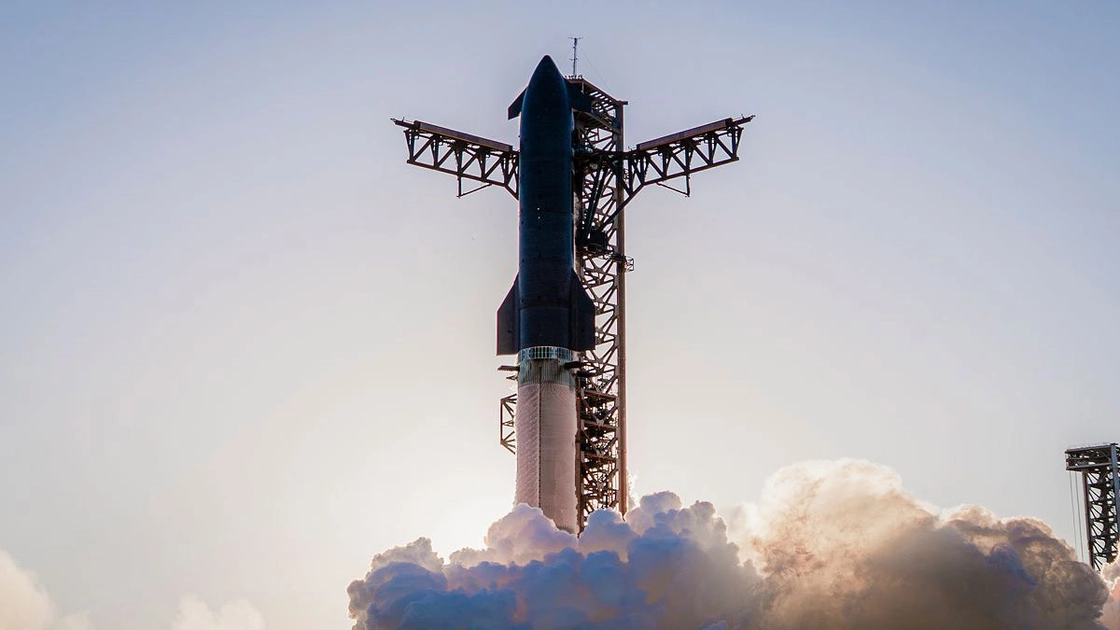
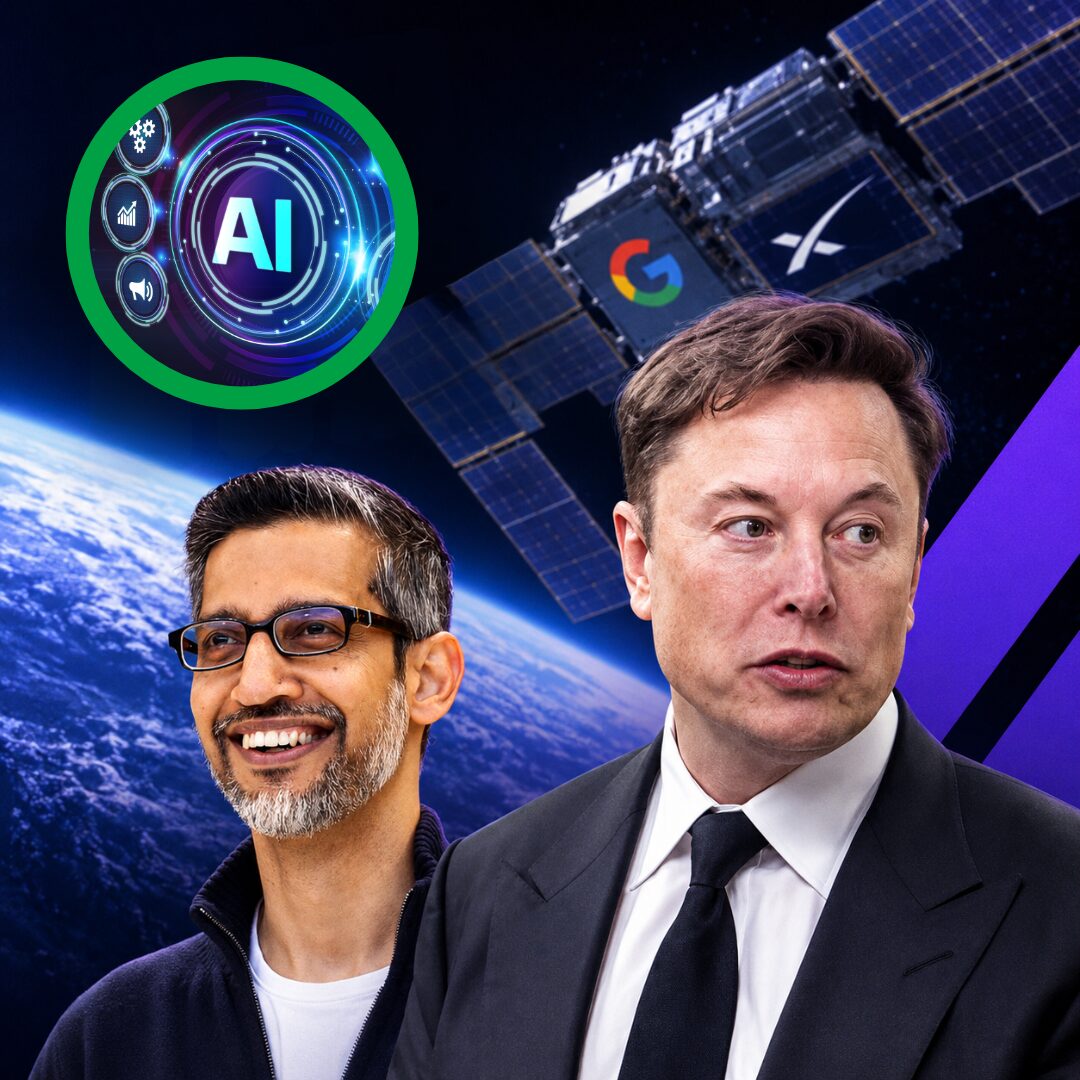
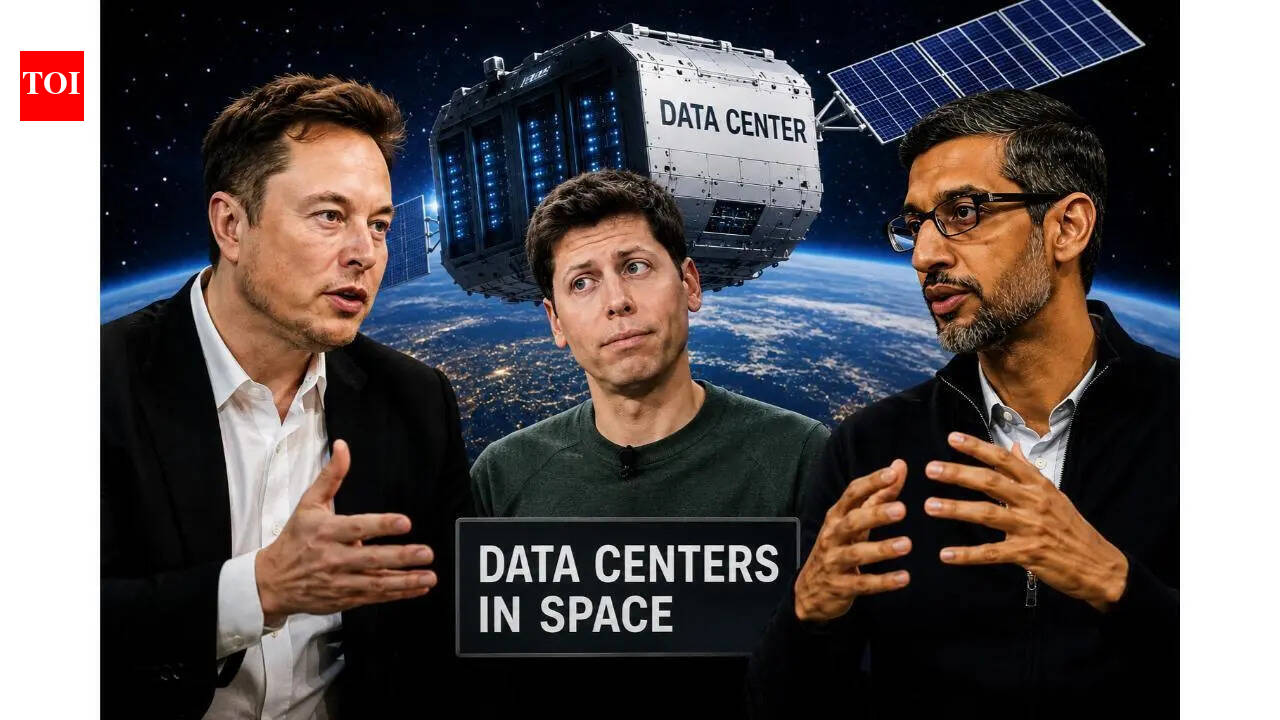
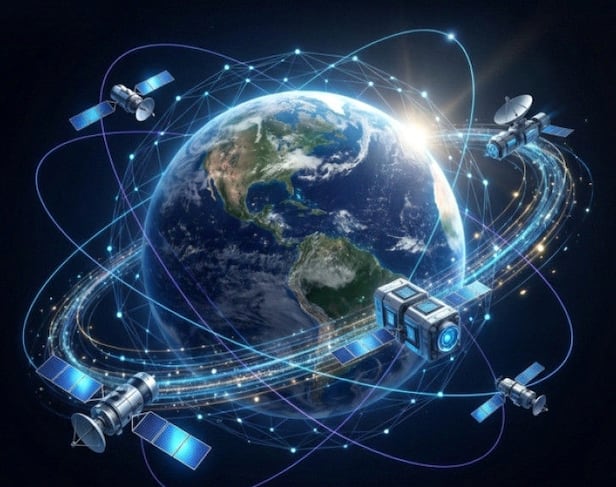
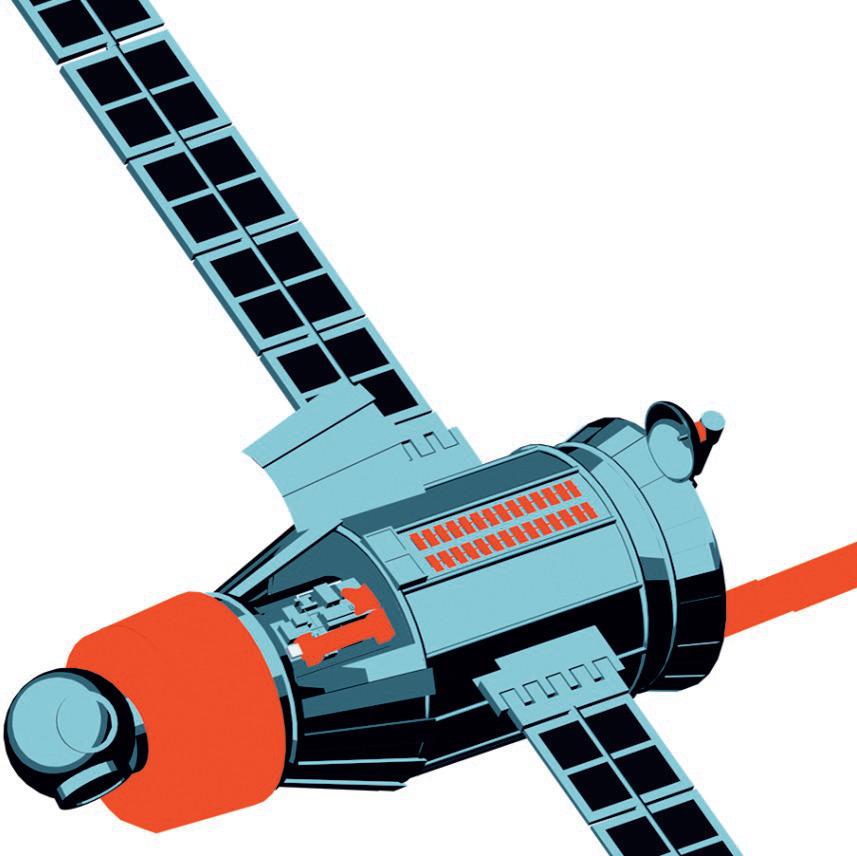
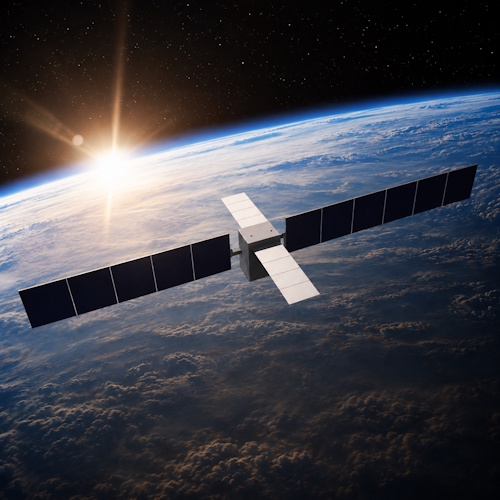
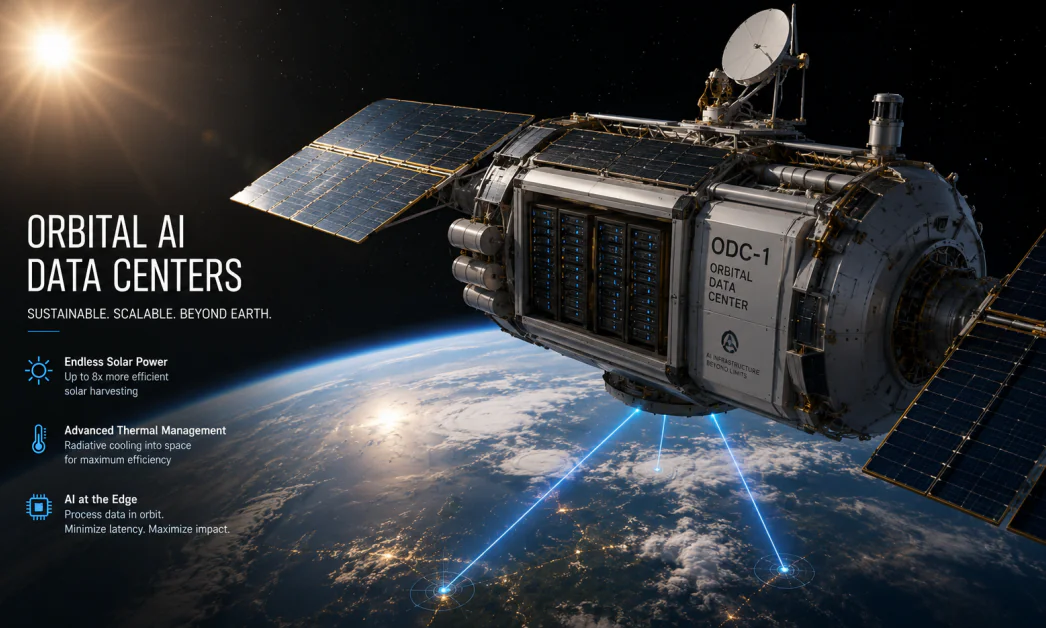
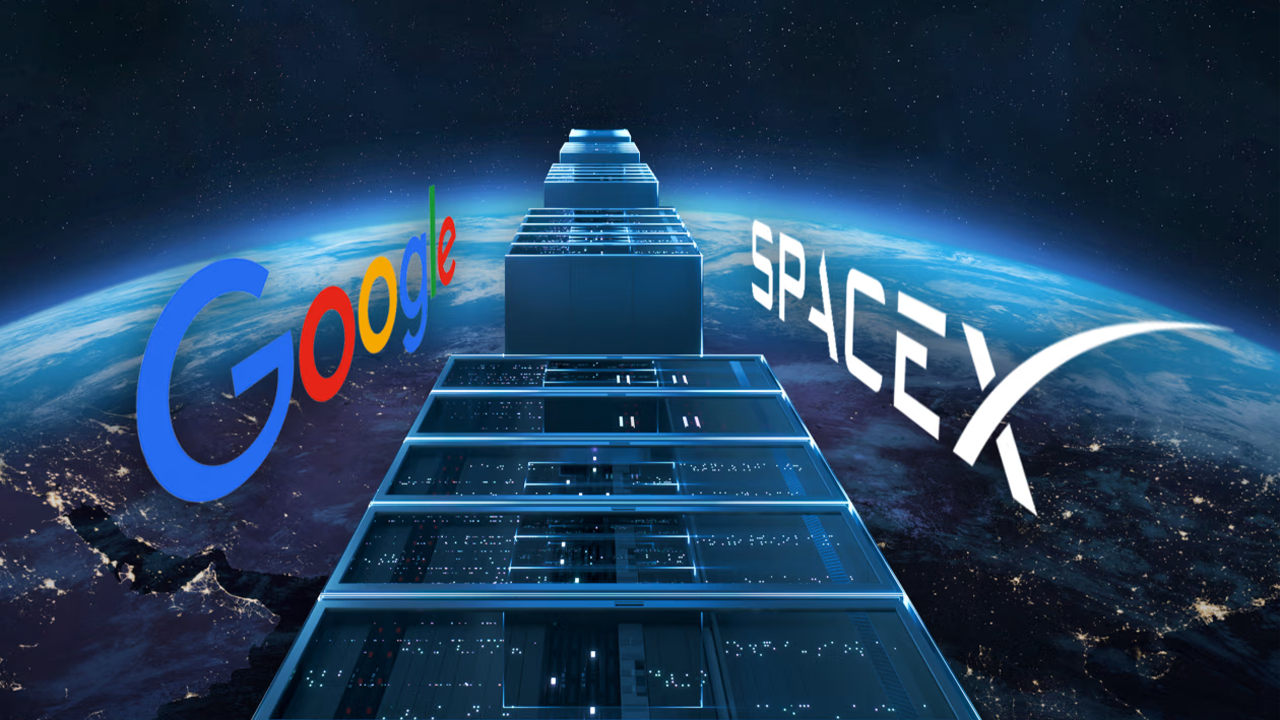
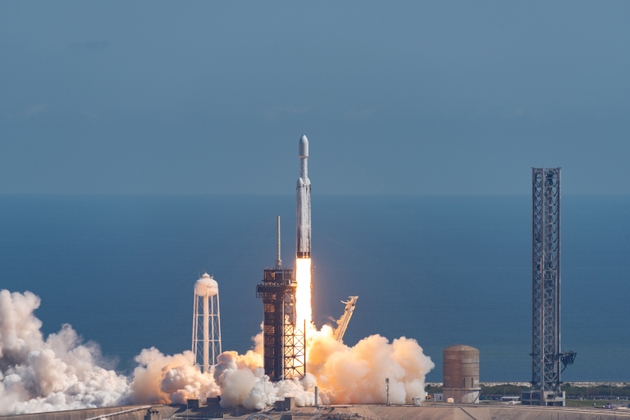
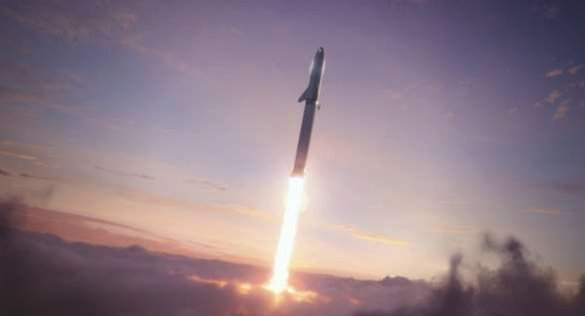
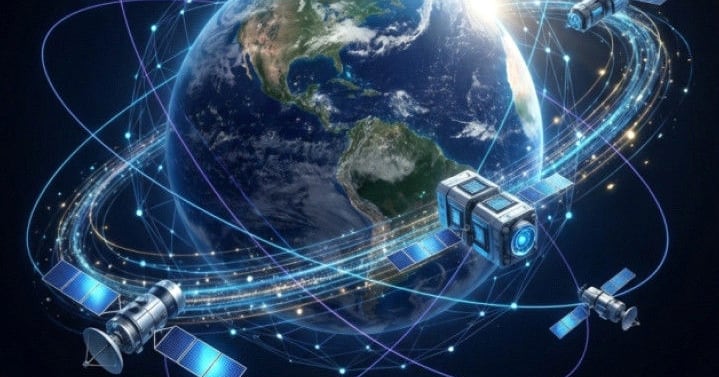
Google and SpaceX are fundamentally reshaping e-commerce infrastructure through Project Suncatcher, an orbital data center initiative launching prototype satellites by 2027. According to Reuters (May 12, 2026) and Barron's (May 13, 2026), Alphabet's Google is developing solar-powered satellites equipped with Tensor Processing Units to create a networked orbital AI cloud, with SpaceX positioned as the launch and logistics provider. This partnership signals a critical shift in how Big Tech addresses AI infrastructure constraints—capital expenditures have grown so substantially since 2024 that companies can no longer fund these investments through operating cash flows alone. The timeline suggests commercial viability within 2-3 years, with widespread adoption potentially following within 5 years.
For cross-border e-commerce sellers, this development delivers three immediate automation and cost-reduction opportunities. First, enhanced orbital AI infrastructure will dramatically improve logistics optimization and demand forecasting accuracy. Sellers currently rely on terrestrial data centers with latency bottlenecks during peak traffic periods (Black Friday, regional sales campaigns); space-based computing promises reduced latency for international transactions and real-time inventory management across multiple regions. Second, operational costs for cloud-dependent e-commerce platforms will decrease 8-15% as orbital data centers address terrestrial power constraints and cooling challenges—these savings will cascade to seller fees on Amazon, Shopify, and other platforms. Third, the distributed computing model enables AI-powered dynamic pricing, predictive analytics, and supply chain visibility at scale, creating competitive advantages for sellers who adopt these tools early.
The competitive intelligence angle is equally significant: sellers who understand this infrastructure shift can position themselves strategically. SpaceX's anticipated IPO underscores investor confidence in space-based infrastructure as a viable business model, attracting additional capital to the sector. Anthropic's recent agreement to utilize SpaceX's Colossus 1 facility in Memphis and interest in multiple gigawatts of orbital data centers indicates growing industry momentum. Sellers should monitor platform announcements about AI-powered features (enhanced forecasting, automated repricing, supply chain optimization) that will become possible as orbital infrastructure comes online. Early adopters of AI-driven seller tools will capture 15-25% margin improvements through better demand prediction and inventory optimization before competitors catch up.
Immediate automation opportunities exist for sellers willing to invest in AI infrastructure now. Sellers can implement AI-powered demand forecasting tools (Keepa, Helium 10, Jungle Scout) to capture the competitive advantage window before orbital infrastructure commoditizes these capabilities. Dynamic pricing automation using AI can improve margins by 5-8% during peak traffic periods when latency currently constrains real-time adjustments. Supply chain visibility platforms powered by AI can reduce inventory carrying costs by 10-12% through better cross-region demand prediction. The 2-3 year timeline before commercial viability means sellers have a critical window to build AI-driven operational advantages before infrastructure improvements level the playing field.
Questions 7
What AI automation opportunities should sellers implement before orbital infrastructure launches?
Sellers have a critical 2-3 year window to build competitive advantages before orbital infrastructure commoditizes AI capabilities. Implement AI-powered demand forecasting tools (Keepa, Helium 10, Jungle Scout) to improve inventory accuracy by 15-20% and reduce carrying costs. Deploy dynamic pricing automation to capture 5-8% margin improvements during peak traffic periods when current latency constrains real-time adjustments. Adopt supply chain visibility platforms using AI to reduce inventory carrying costs by 10-12% through better cross-region demand prediction. These tools cost $200-500/month but deliver ROI within 6-12 months through improved margins and reduced stockouts.
How will orbital data centers reduce fees for Amazon FBA and Shopify sellers?
Orbital data centers address terrestrial power constraints and cooling challenges that currently drive up platform infrastructure costs. As Google and SpaceX deploy solar-powered satellites with TPUs by 2027, e-commerce platforms will reduce operational expenses by 8-15%, cascading to lower seller fees. Amazon FBA sellers can expect 5-10% reductions in fulfillment fees within 3-5 years as platform costs decrease. Shopify sellers will see lower transaction processing fees as cloud infrastructure becomes cheaper. The news reports commercial viability within 2-3 years, meaning early platform adoption could begin fee reductions by 2028-2029.