


Trump-Xi Summit 2026 | Tariff Arbitrage & Market Access Shifts for Cross-Border Sellers
- High-stakes negotiations with $1T+ delegation signal potential tariff reductions, supply chain reshuffling, and 6-12 month policy announcement window for e-commerce sellers







Overview
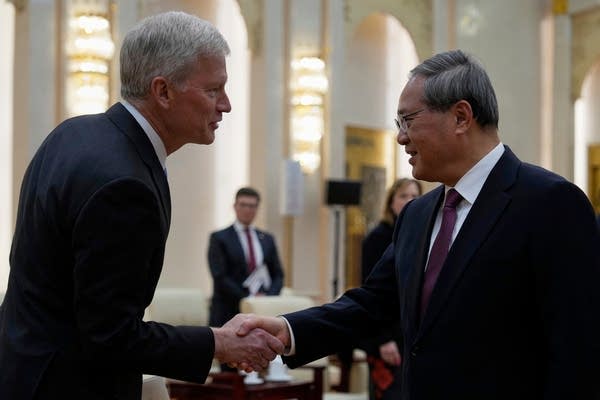
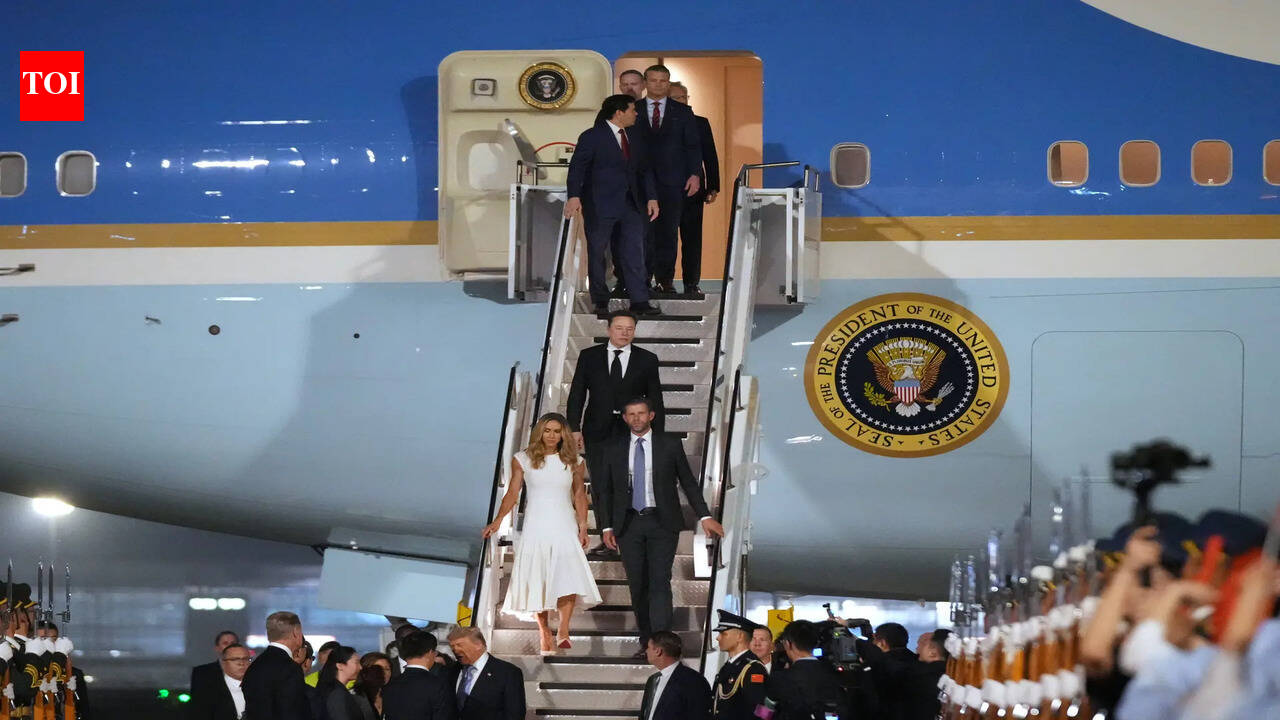
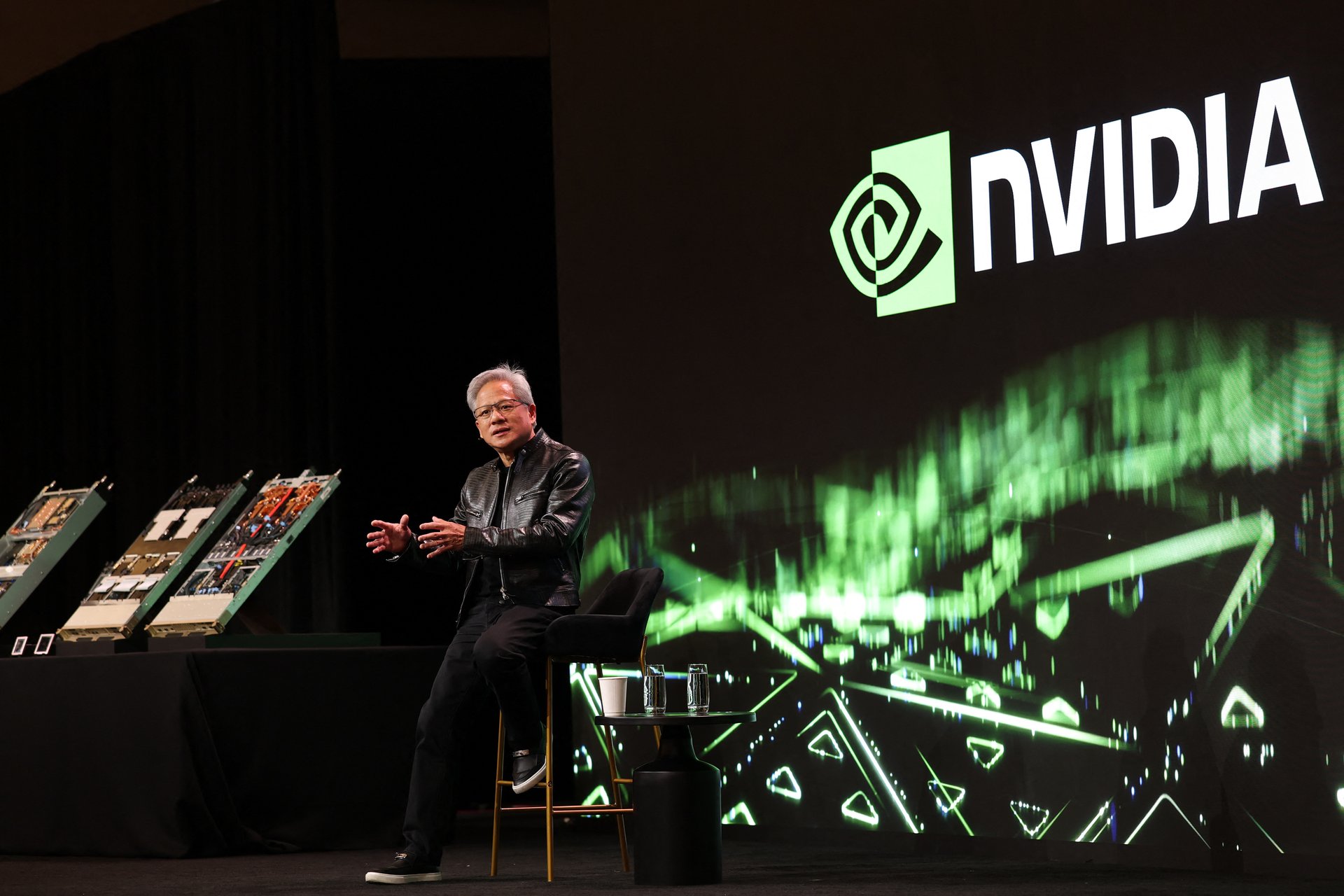
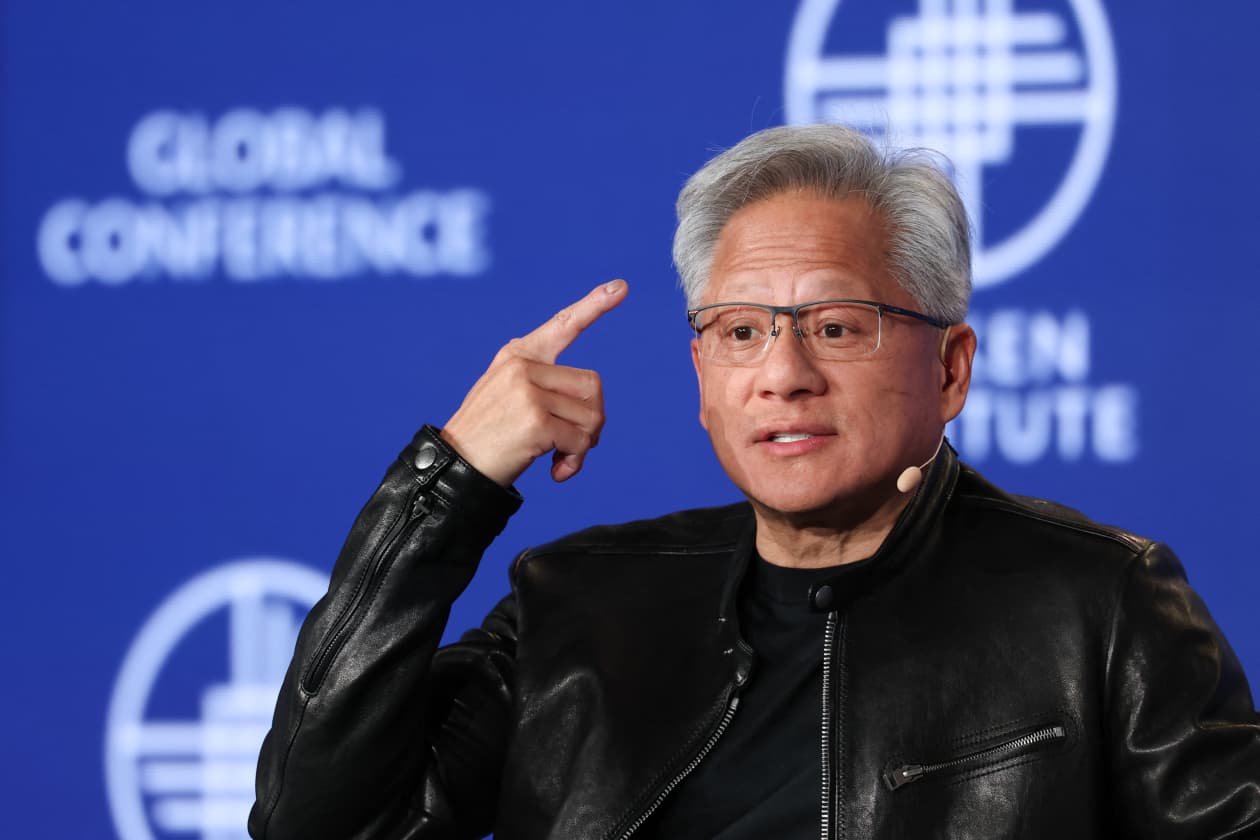
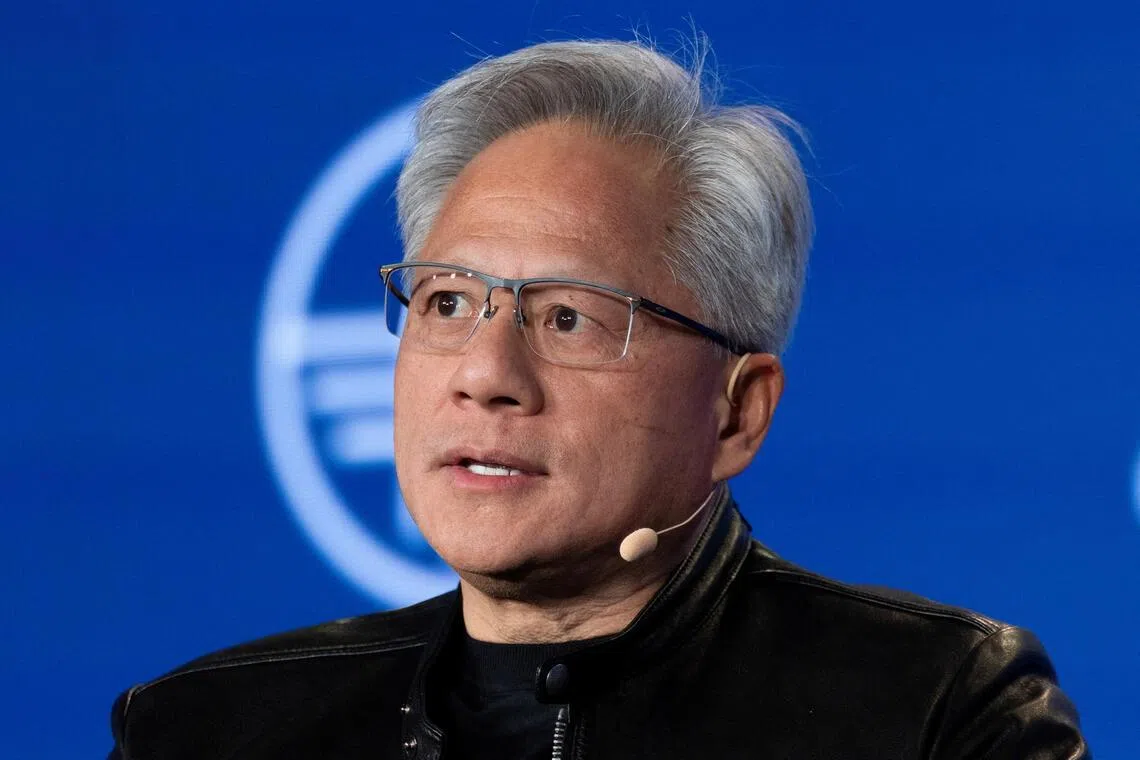
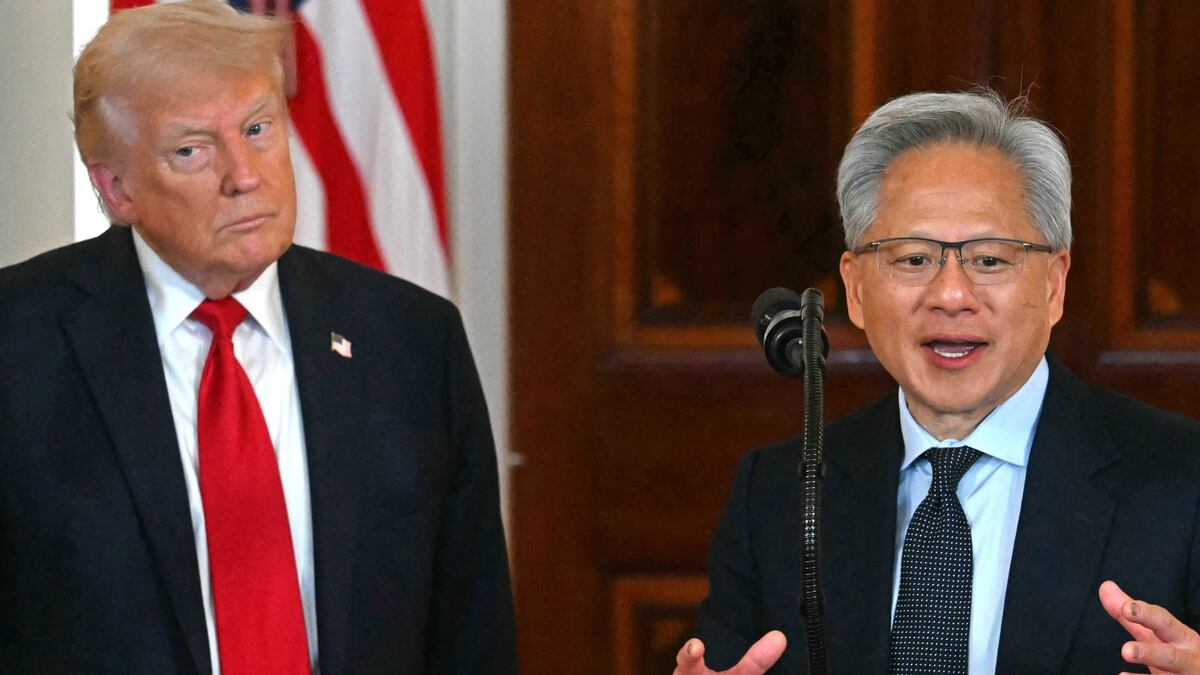
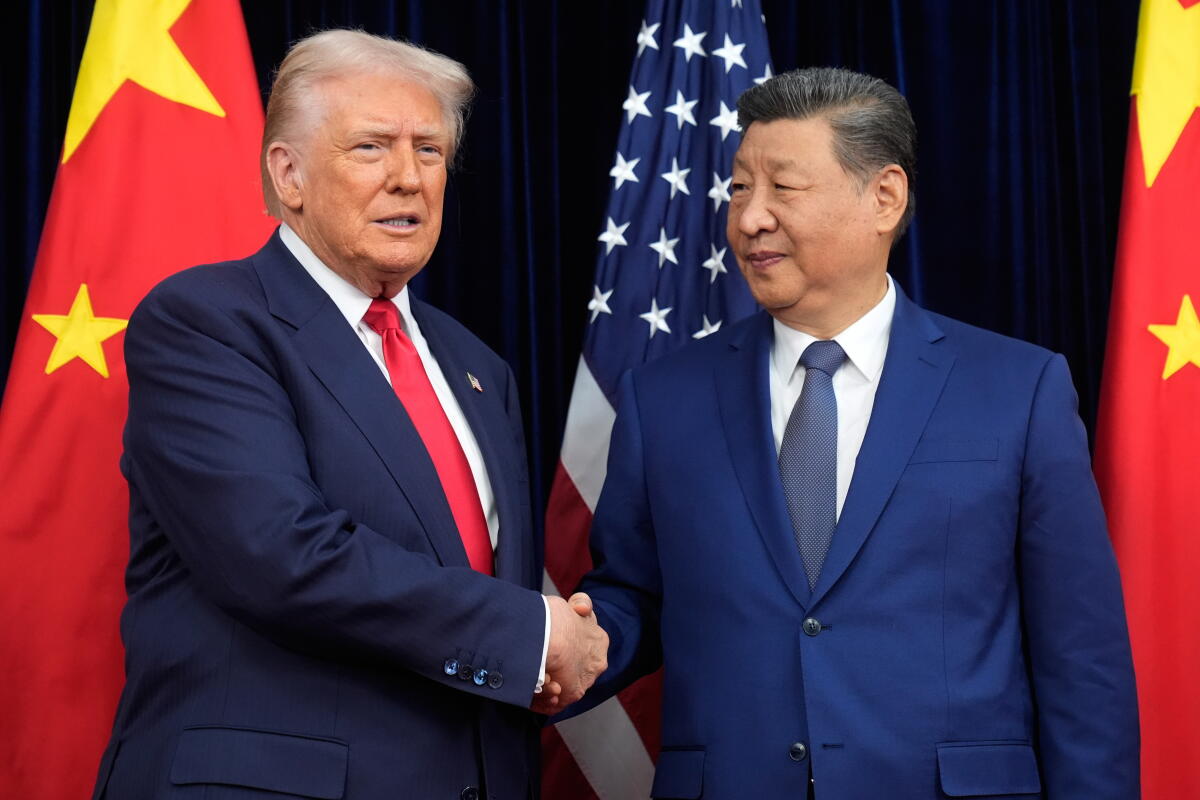
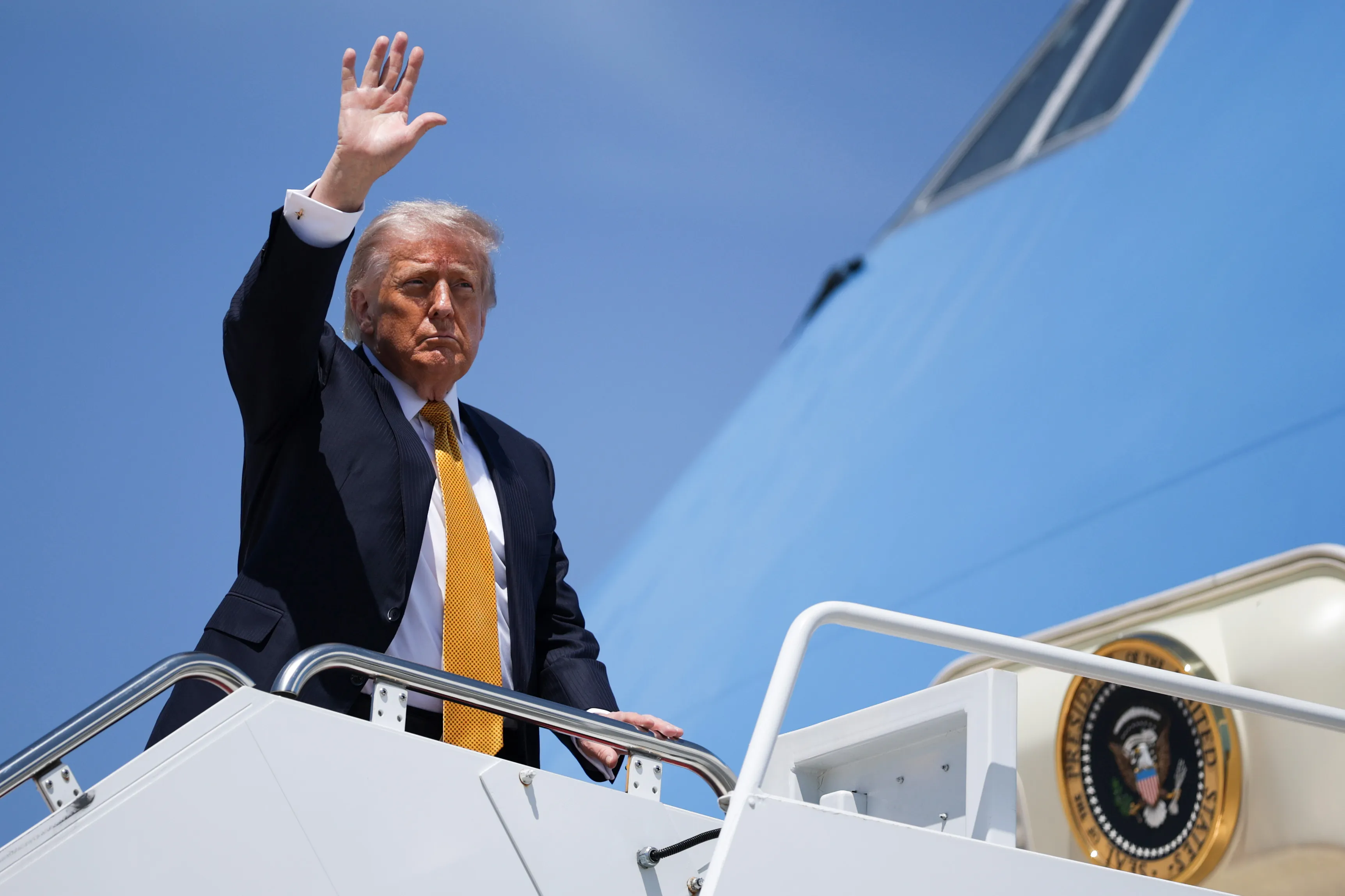
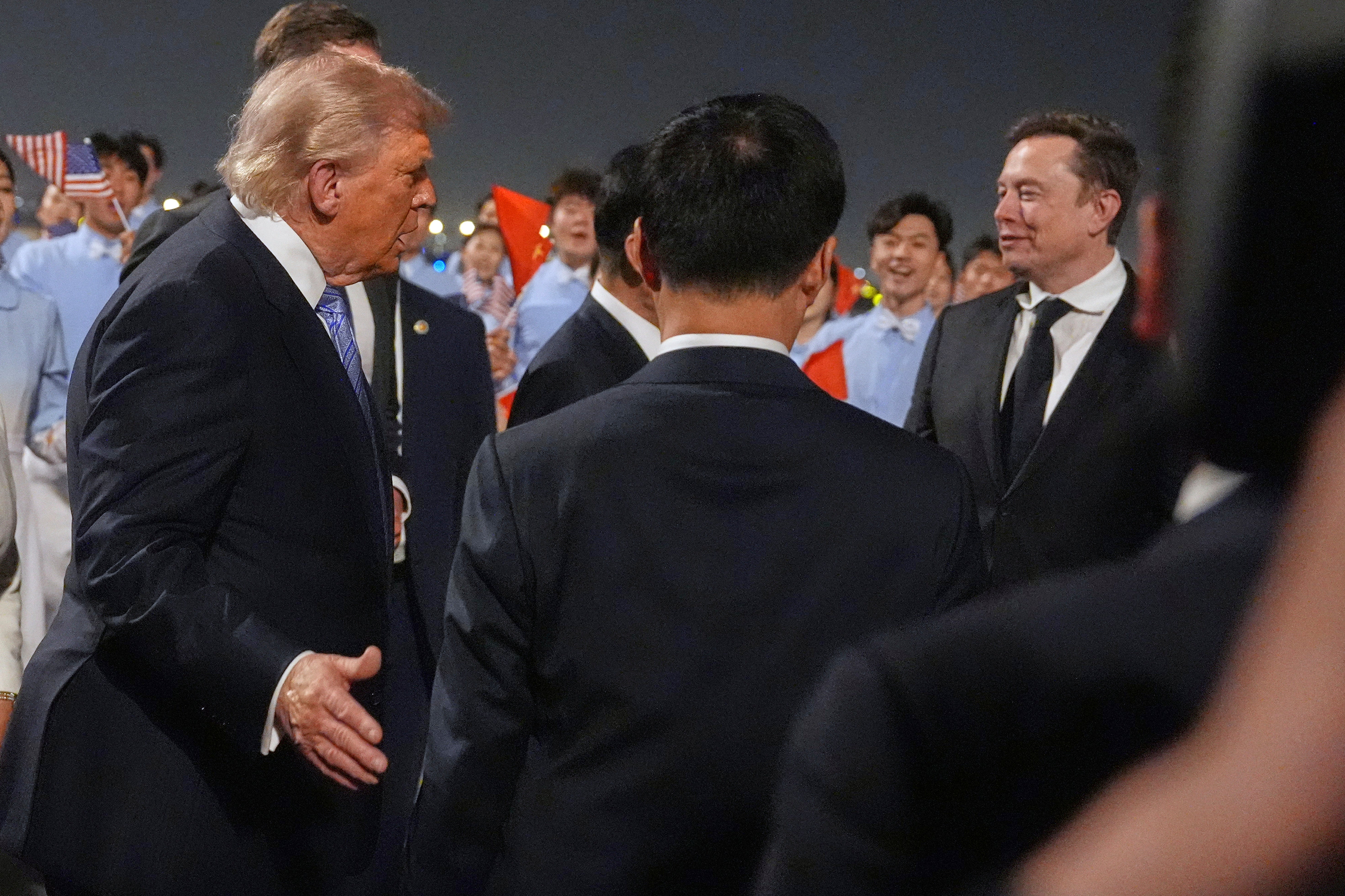
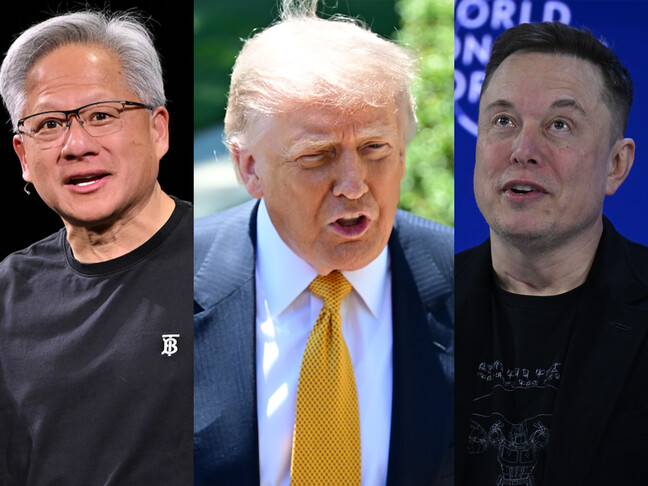
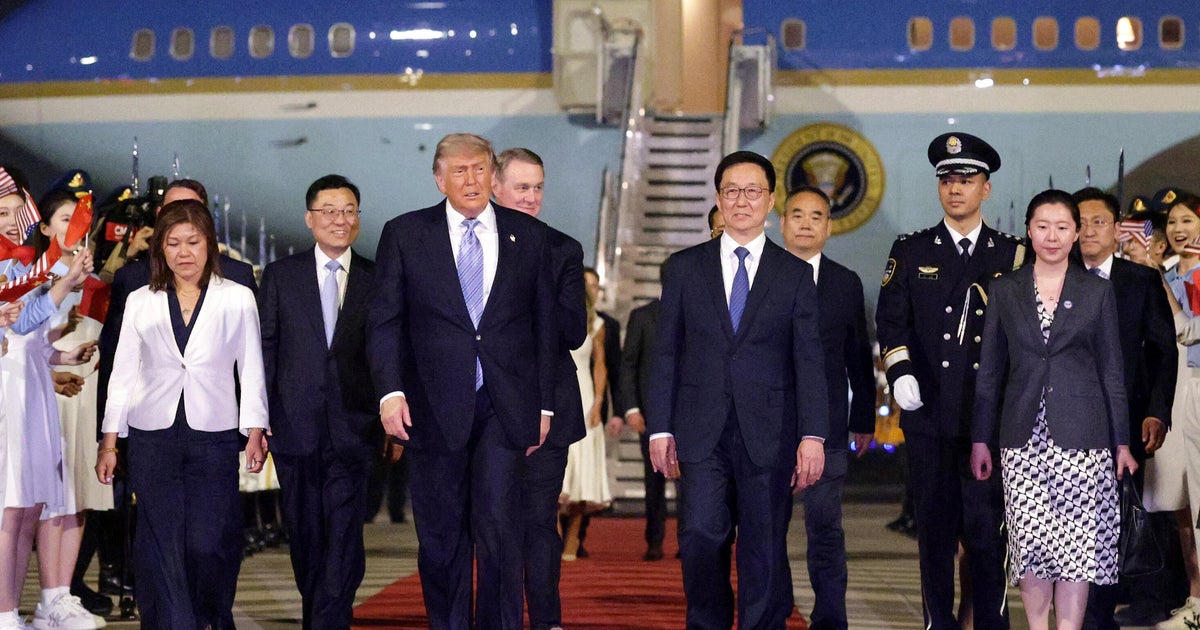
The May 2026 Trump-Xi summit represents the most significant US-China trade negotiation opportunity in 5+ years, with direct implications for cross-border e-commerce tariff structures, supply chain costs, and market access. President Trump traveled to Beijing with a $1 trillion+ delegation including Nvidia CEO Jensen Huang, Elon Musk, Tim Cook, and executives from Apple, Tesla, Boeing, Qualcomm, and financial giants BlackRock, Goldman Sachs, and Blackstone. The explicit agenda centers on "opening up China" to US business interests, with Treasury Secretary Scott Bessent and Defense Secretary Pete Hegseth (first sitting defense secretary visit since 2018) signaling comprehensive economic and security discussions. This delegation composition—heavily weighted toward technology, semiconductors, and AI—indicates negotiations will address intellectual property protections, market liberalization, and technology transfer policies that directly impact e-commerce operations.
For cross-border sellers, the immediate opportunity window involves three critical tariff arbitrage corridors: (1) Electronics & semiconductors (HS 8471-8542): Nvidia's participation suggests AI chip tariff negotiations; potential 5-15% tariff reductions could improve margins on computer components, networking equipment, and consumer electronics sourced from China. (2) Manufacturing equipment & industrial goods (HS 8401-8450): Boeing and industrial executives indicate machinery tariff discussions; sellers importing manufacturing tools, parts, and equipment could see 8-12% cost reductions. (3) Consumer goods & apparel (HS 6101-6217, 9406-9406): Meta and retail-focused executives suggest market access discussions; reduced tariffs on textiles, footwear, and consumer products could unlock 3-8% margin improvements for sellers currently absorbing 15-25% tariff costs.
The strategic competitive shift favors mid-market sellers (annual revenue $2-50M) with existing China supply chains over pure-play US manufacturers. Large enterprises like Amazon, Walmart, and Alibaba have already negotiated preferential terms; small sellers (<$500K revenue) lack leverage. However, the 6-12 month policy announcement window creates a critical timing advantage: sellers who pre-position inventory in China-based 3PLs before tariff reductions take effect can capture 8-15% margin improvements when duties drop. Conversely, sellers holding US-based inventory face potential obsolescence if tariff structures shift dramatically. The inclusion of Mastercard and Visa executives suggests payment processing and cross-border transaction fee negotiations, potentially reducing payment friction costs by 0.5-1.5% for sellers processing China-to-US transactions.
Risk factors include asymmetric negotiating leverage—analysts note Trump needs more from this summit than Xi does—and Taiwan policy uncertainty. Secretary of State Rubio's downplaying of Taiwan policy changes suggests limited movement on this geopolitical flashpoint, reducing the likelihood of dramatic tariff reductions. However, the Defense Secretary's presence indicates willingness to compartmentalize security concerns from commercial negotiations, historically a positive signal for trade liberalization. Industry observers expect significant policy announcements within weeks to months post-summit, creating a compressed decision window for sellers to adjust sourcing strategies and inventory positioning.
Questions 8
What is the timeline for policy announcements and tariff implementation?
Industry observers expect significant policy announcements within weeks to months post-summit (May 2026 baseline). Historical precedent from 2020 Phase One trade deal shows: announcement (2-4 weeks post-negotiation), USTR review period (4-8 weeks), formal tariff schedule publication (2-4 weeks), and implementation (30-90 days after publication). This suggests tariff changes could take effect by Q3-Q4 2026 at earliest, Q1 2027 at latest. Sellers should monitor USTR.gov, White House press releases, and trade publications weekly starting June 2026. Critical decision windows: (1) June-July 2026 for preliminary announcements, (2) August-September for formal tariff schedule publication, (3) October-December for implementation. Sellers need 60-90 days lead time to adjust sourcing and inventory positioning before tariffs change.
How does the Defense Secretary's participation change tariff negotiation outcomes?
Defense Secretary Pete Hegseth's presence (first sitting defense secretary visit since 2018) signals willingness to compartmentalize security concerns from commercial negotiations—historically a positive indicator for trade liberalization. This suggests negotiations may proceed on commercial issues (tariffs, market access) while security-sensitive categories (semiconductors for military applications, dual-use technology) remain restricted. Sellers should expect tariff reductions in civilian electronics and consumer goods while military-grade semiconductors and defense-related equipment face continued restrictions. The Defense Secretary's participation also indicates comprehensive economic discussions beyond tariffs, potentially addressing supply chain resilience and critical mineral sourcing—areas affecting electronics and manufacturing sellers. Expect policy announcements within 6-12 months distinguishing civilian vs. defense-sensitive categories.