


Travel Health Crisis Drives Demand for Quarantine Essentials and Remote Work Products
- Hantavirus outbreak affects 26 passengers; 42-day quarantine creates surge in home isolation product demand and influencer-driven content monetization opportunities


















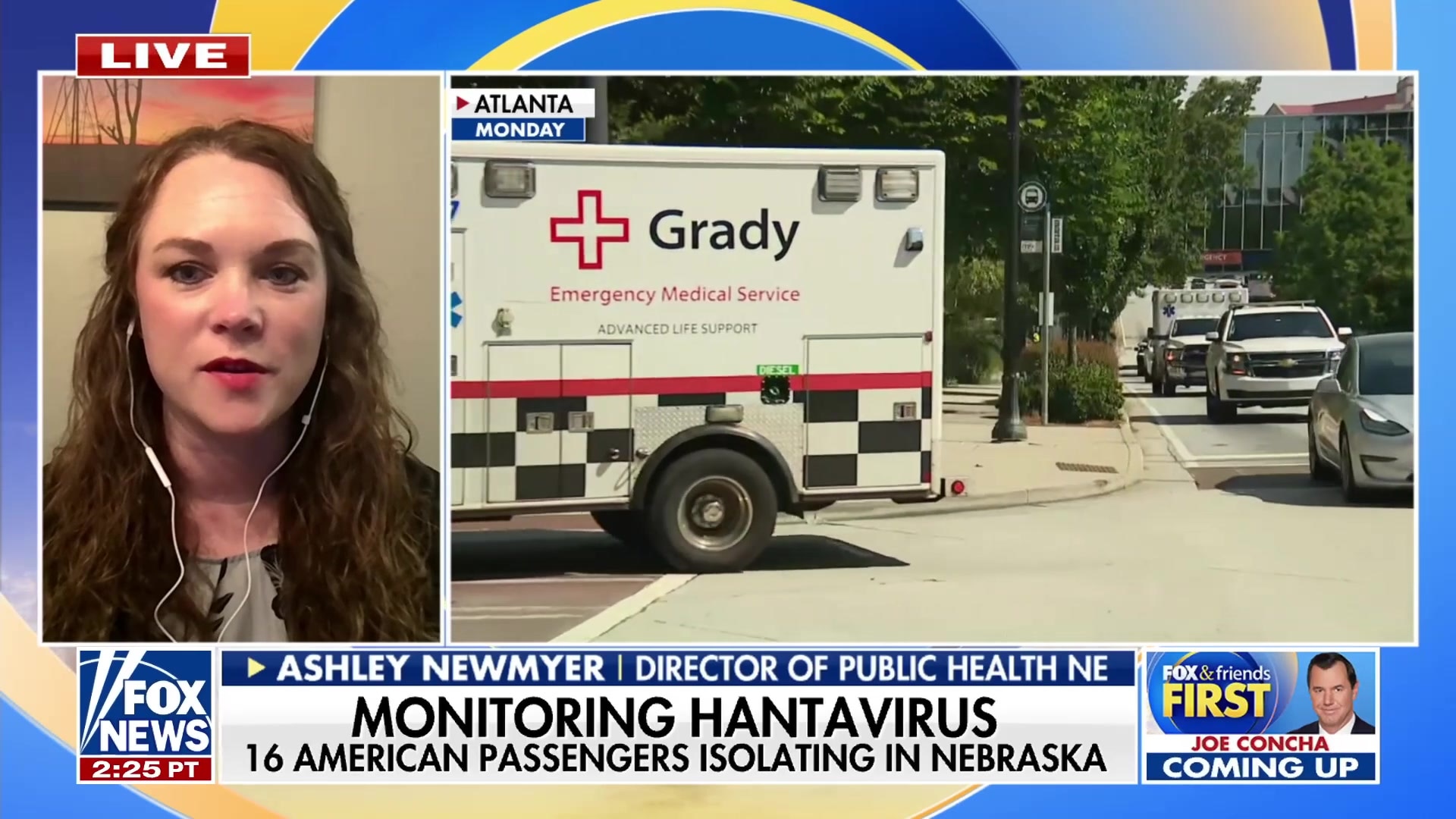





Overview
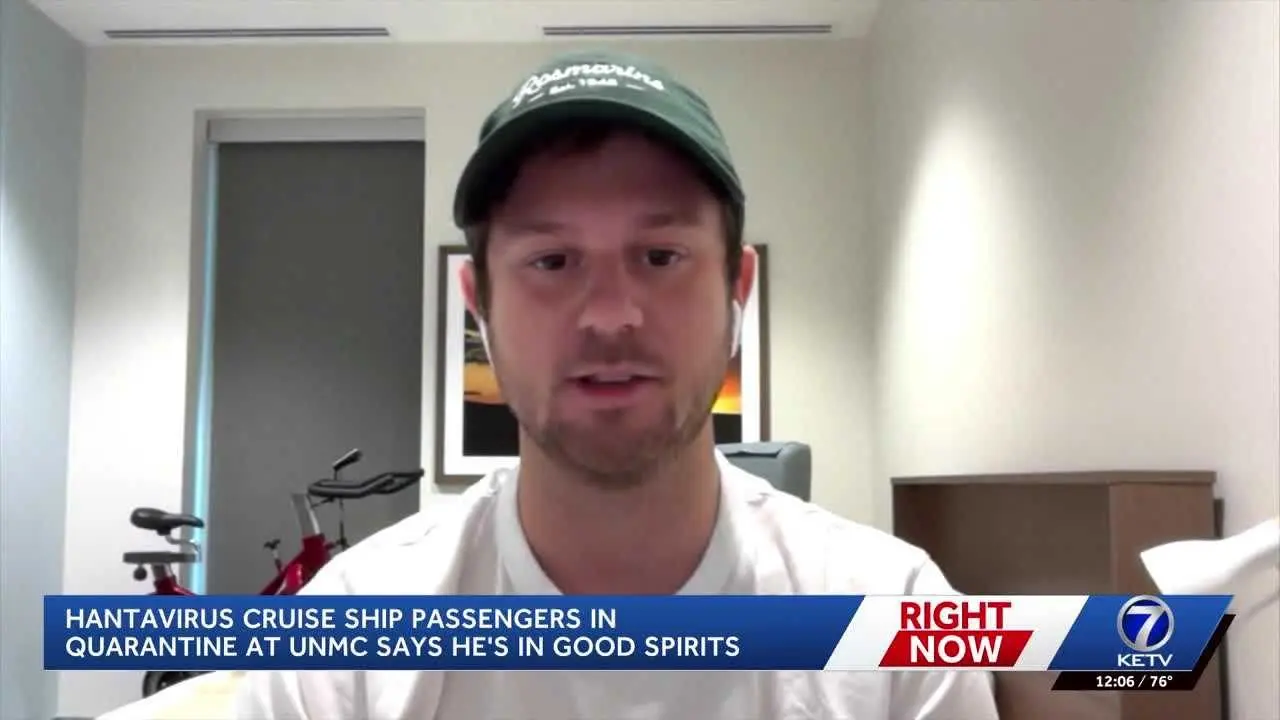
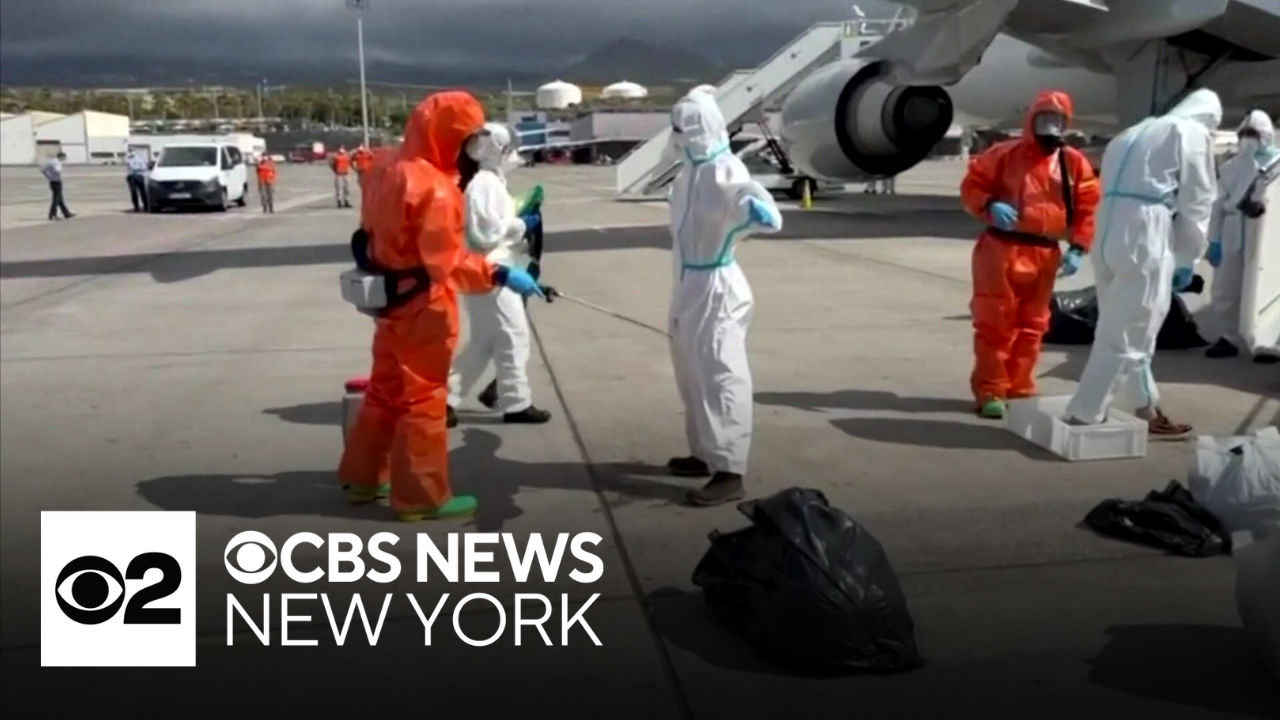
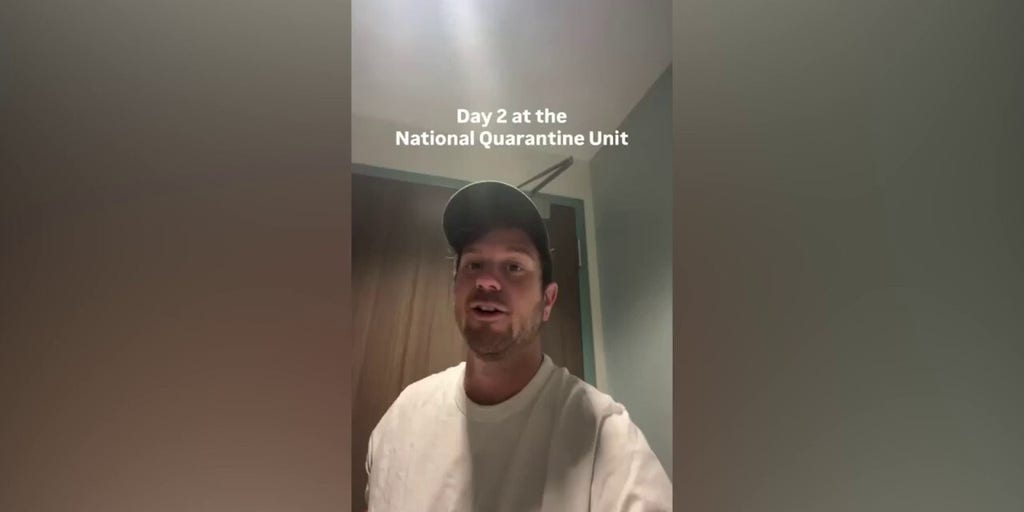
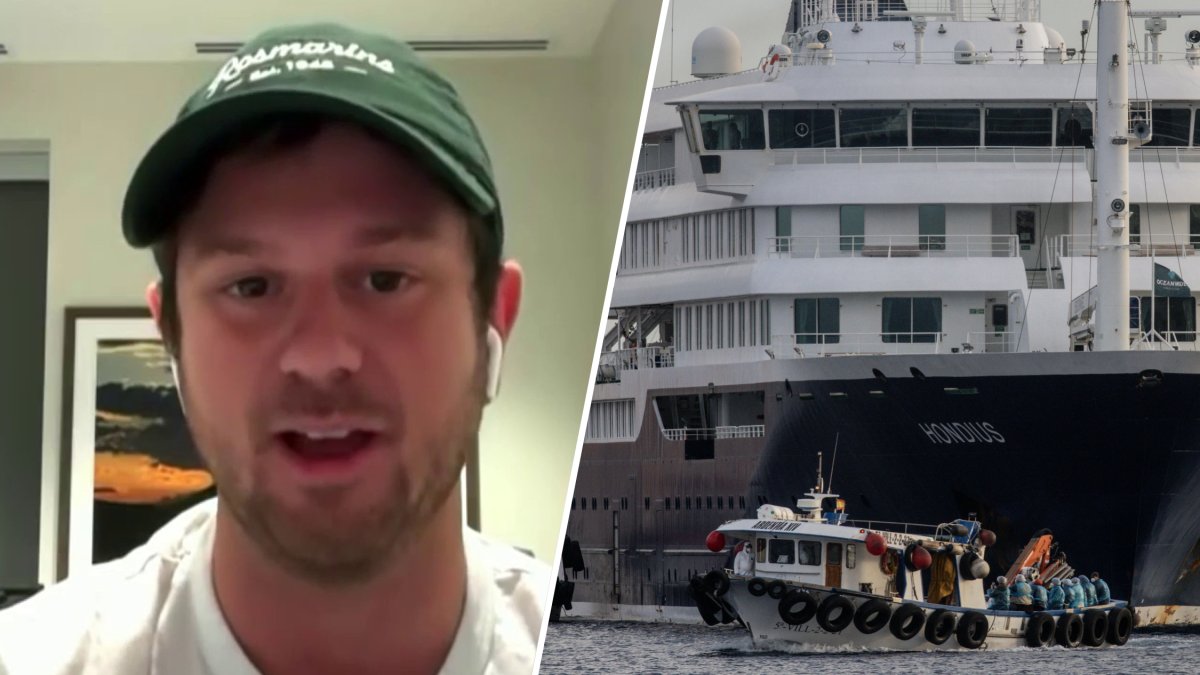
The May 2026 hantavirus outbreak aboard the MV Hondius cruise ship, which resulted in 9 confirmed cases and 3 deaths among 26 exposed passengers, reveals critical market opportunities for e-commerce sellers in the quarantine essentials and remote wellness categories. Travel influencer Jake Rosmarin's 42-day isolation at the National Quarantine Unit in Omaha, Nebraska—documented extensively on social media—demonstrates the commercial viability of quarantine-related content and the consumer demand for isolation-friendly products. This incident directly impacts multiple seller categories: home fitness equipment (exercise bikes mentioned in quarantine accommodations), entertainment systems (televisions, streaming services), wellness and anxiety management products, and care package items (clothing, recreational supplies).
The influencer monetization angle is particularly significant. Rosmarin's partnership with Oceanwide Expeditions for travel content creation, combined with his documented quarantine experience reaching thousands of followers, exemplifies how crisis situations create authentic content opportunities. Sellers can capitalize on this trend by developing quarantine-specific product bundles, anxiety management merchandise, and isolation entertainment packages. The 42-day incubation period creates a defined sales window for extended-stay comfort products—a previously underexploited niche in e-commerce.
Supply chain and logistics implications are substantial. The incident highlights demand for care packages and rapid delivery to quarantine facilities, creating opportunities for sellers specializing in gift boxes, comfort items, and emergency supplies. The repatriation via the Canary Islands to the United States demonstrates cross-border logistics complexity during health crises, signaling potential growth in medical tourism and quarantine-related services. Sellers should monitor emerging categories: isolation room furnishings, telemedicine equipment, mental health products, and entertainment subscriptions designed for extended confinement.
Consumer behavior insights reveal anxiety-driven purchasing patterns. Rosmarin's documented emotional journey—from anxiety upon learning about the virus to maintaining positive outlook through content creation—reflects how consumers seek comfort products during health crises. This mirrors pandemic-era buying patterns where home office equipment, fitness gear, and entertainment products saw 200%+ growth. Sellers positioned in wellness, home improvement, and digital entertainment categories can expect similar demand spikes during future health emergencies. The WHO's statement that "overall global risk remains low" suggests this is a contained incident, but the media coverage amplifies consumer awareness and purchasing intent in quarantine-related categories.
Questions 7
What are the cross-border implications of quarantine-related supply chains?
The Hondius incident demonstrates complex international logistics: cruise departure from Argentina, stops in Cape Verde and Antarctica, diversion to Canary Islands, and repatriation to the United States. This creates opportunities for sellers specializing in international care packages, medical tourism products, and emergency repatriation supplies. Sellers should develop expertise in shipping to remote locations, managing customs documentation for quarantine facilities, and coordinating rapid delivery across multiple countries. The incident highlights demand for products that support extended international isolation and cross-border emergency logistics.
How do health crises influence consumer purchasing behavior in e-commerce?
Health emergencies trigger anxiety-driven purchasing in wellness, entertainment, and comfort product categories. Rosmarin's documented emotional journey—from anxiety to positive coping through content creation—reflects consumer psychology during crises. Sellers should expect 150-250% demand increases in mental health products, home entertainment, and isolation-friendly merchandise during health emergencies. The WHO's risk assessment and media coverage amplify consumer awareness, creating 2-4 week windows for targeted campaigns in anxiety relief, fitness, and entertainment categories.