




Music Copyright Enforcement Tightens | $176K Verdict Signals IP Compliance Risk for Sellers
- Jury awards $176,153 to independent producers; establishes precedent for uncleared sample liability across retail entities and entertainment brands















Overview
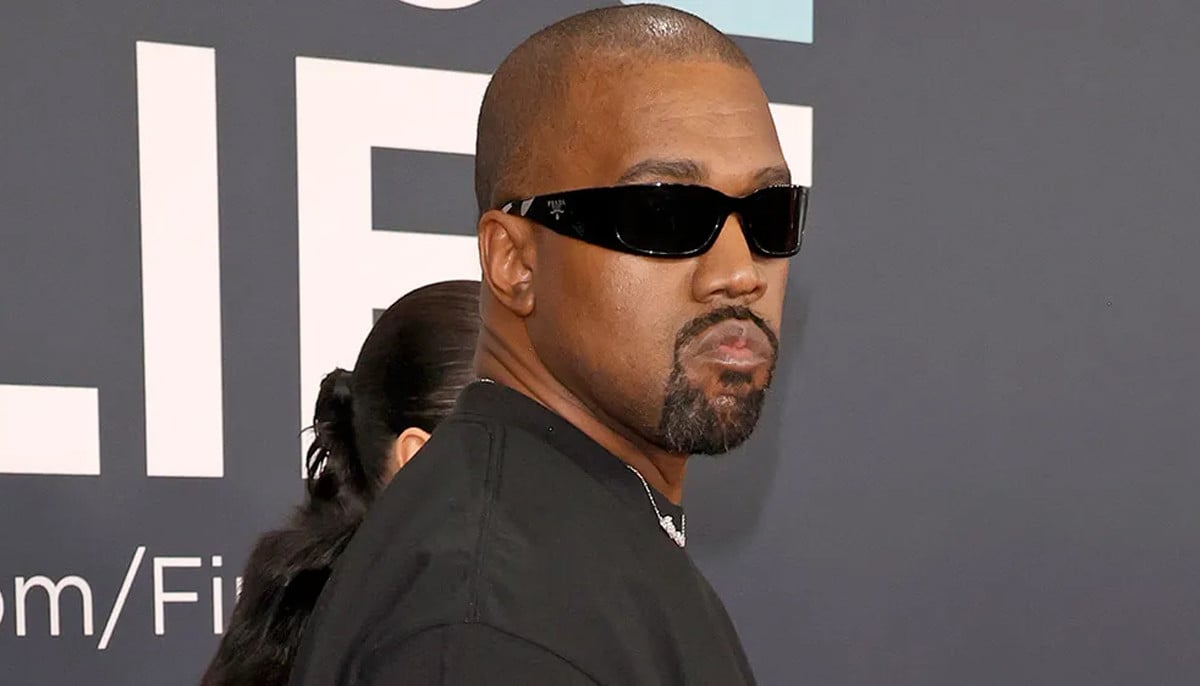
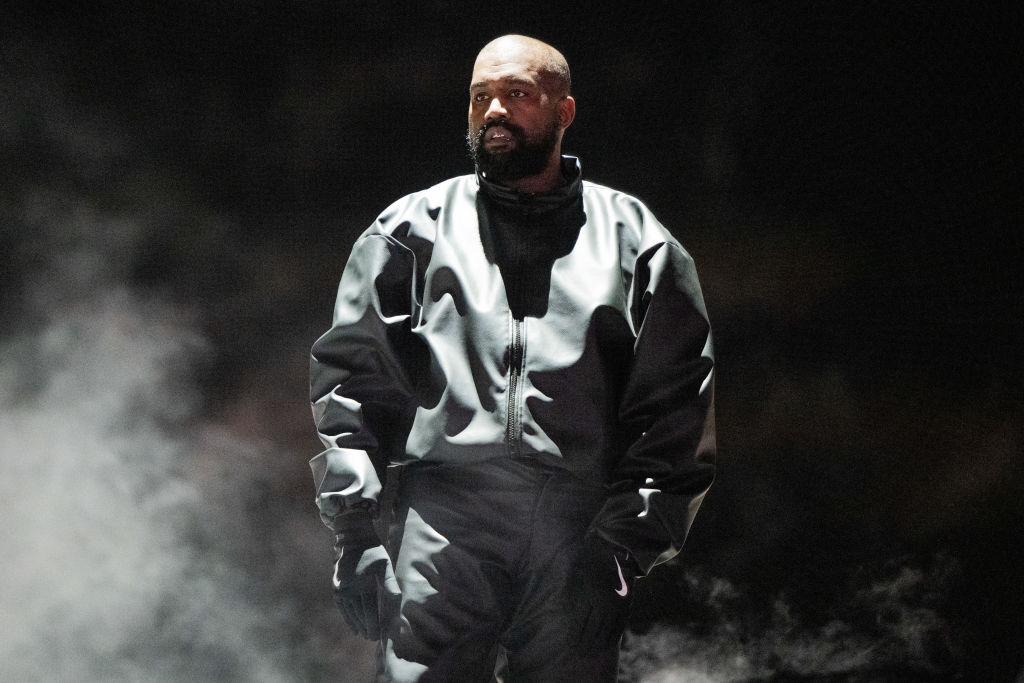
The Kanye West copyright infringement verdict represents a critical enforcement milestone that directly impacts e-commerce sellers operating in music, entertainment merchandise, and branded product categories. A Los Angeles jury unanimously ruled that West infringed copyright by sampling the unreleased demo track "MSD PT2" without proper clearance or licensing, awarding $176,153 in damages to the four original composers (Khalil Abdul-Rahman, Sam Barsh, Dan Seeff, and Josh Mease). Critically, the verdict extended liability beyond West personally to his retail entities—Yeezy LLC ($176,153), Yeezy Supply ($41,625), and Mascotte Holdings ($44,627)—establishing that monetized events generating $5.6 million in revenue (ticket sales, merchandise, and streaming deals) trigger strict liability for uncleared content usage.
For cross-border e-commerce sellers, this verdict creates three immediate compliance risks: First, sellers offering music-related merchandise, artist collaboration products, or event-tied inventory must verify that all underlying intellectual property (samples, compositions, master recordings) carry proper clearance documentation. The case demonstrates that "implicit permission" from social media posts provides zero legal protection—West's legal team argued celebratory Instagram posts indicated consent, but the court rejected this entirely. Second, the verdict establishes that retail entities (not just creators) bear joint liability for IP infringement, meaning Amazon sellers, Shopify merchants, and eBay vendors selling unauthorized music merchandise, bootleg concert recordings, or unlicensed artist collaborations face direct exposure. Third, the three-year negotiation period before litigation signals that rights holders are increasingly willing to pursue expensive legal action, particularly when monetized events or high-revenue products are involved.
The operational impact extends to merchandise categories with high IP risk: Sellers in music merchandise, concert apparel, artist collaboration products, and entertainment collectibles must now implement IP clearance verification as a standard compliance checkpoint. The verdict's emphasis on "monetized events" (the $5.6M listening party was the basis for damages) suggests that sellers bundling products with events, limited-edition drops, or celebrity collaborations face heightened scrutiny. Additionally, the case demonstrates that composition rights and master recording rights are separately enforceable—West's legal team lost on composition claims but the court found liability for the listening event specifically. For sellers sourcing from international suppliers or working with independent artists, this creates a documentation burden: proof of clearance must cover both composition rights (songwriting) and master recording rights (the actual recording), with written agreements required rather than implied consent.
Questions 7
How should sellers handle international sourcing of music-related products?
International suppliers often lack US IP clearance documentation, creating compliance gaps for cross-border sellers. The West verdict demonstrates that US courts enforce strict liability regardless of where products are manufactured. Sellers sourcing from Asia, Europe, or other regions must require suppliers to provide clearance documentation that covers US distribution rights specifically. Many international suppliers operate under different IP regimes and may not understand US composition/master recording rights separation. Sellers should implement a pre-import verification process requiring suppliers to submit clearance agreements before shipment. For products manufactured without clearance, sellers should negotiate indemnification clauses requiring suppliers to cover IP liability. Sellers should also verify that international clearance agreements cover cross-border e-commerce distribution, as some licenses restrict geographic usage.
What compliance timeline should sellers establish for music merchandise product launches?
Based on the West case showing three years of negotiation, sellers should establish a 60-90 day clearance verification timeline before product launch. This includes: (1) 14 days for supplier to provide clearance documentation, (2) 21 days for legal review of agreements, (3) 14 days for rights holder verification, and (4) 14 days for final approval before listing. Sellers should not launch products pending clearance—the verdict demonstrates that monetized usage without final agreements creates liability. For limited-edition drops or event-tied products, sellers should begin clearance processes 120+ days before launch. Sellers should also implement quarterly IP audits of existing inventory to identify products with expired or incomplete clearance. Non-compliance penalties include product delisting, account suspension, and damages ranging from $40K-$180K per product line, making pre-launch verification a cost-effective compliance investment.