
India Tier II/III Retail Expansion | 350+ EBOs Signal O2O Opportunity for Cross-Border Sellers
- Acer's 5,000 touchpoint strategy reveals 55% offline revenue potential; emerging markets demand immersive retail experiences and quick commerce integration
Overview
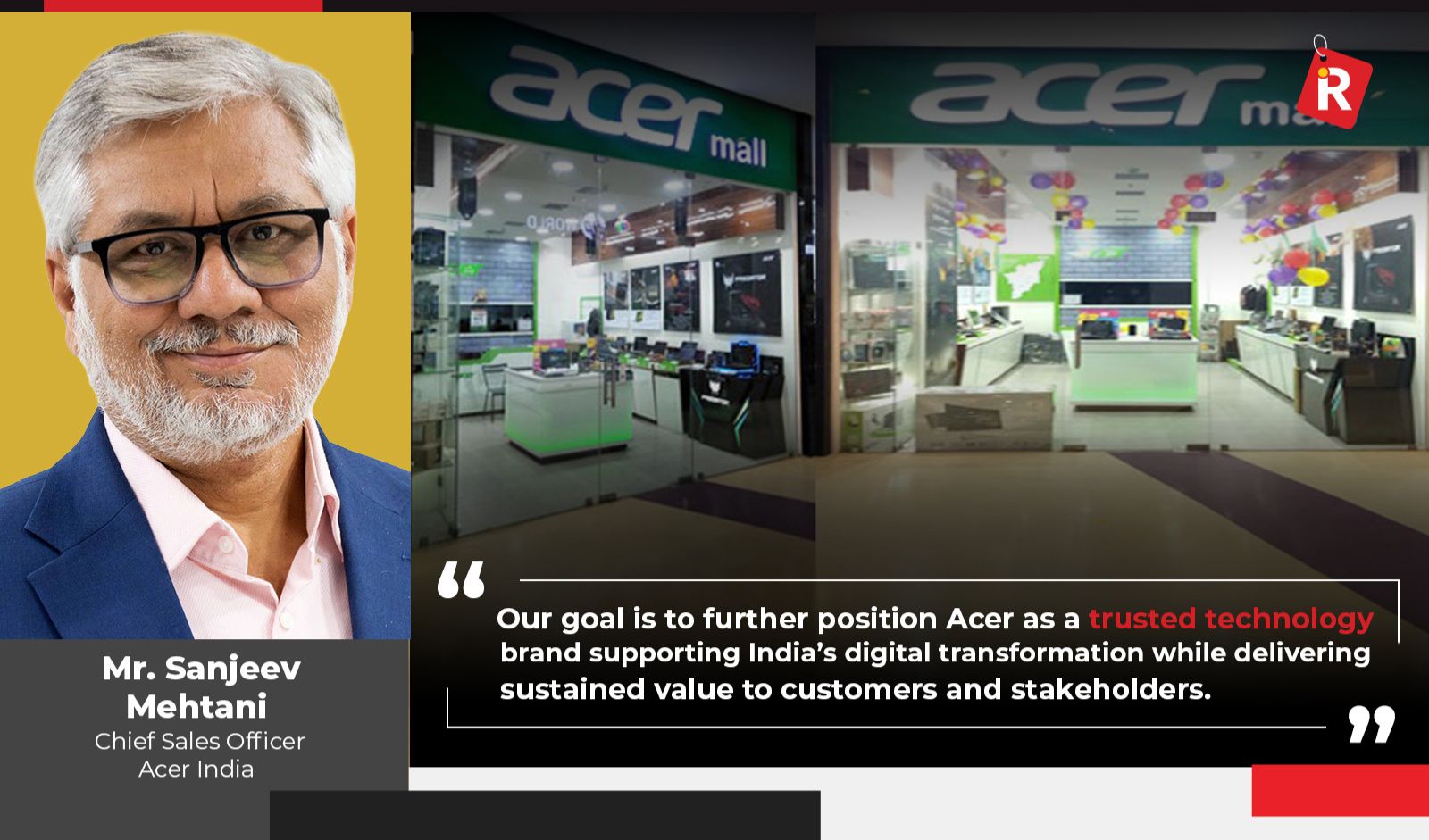
Acer India's aggressive expansion to 350+ exclusive brand outlets (EBOs) by 2026, targeting Tier II and Tier III markets, represents a critical inflection point for understanding omnichannel retail strategy in emerging markets. The company is on track to cross 5,000 total retail touchpoints this year, with 55% of revenue flowing from offline channels (large-format retail, regional outlets, exclusive stores) and 45% from online platforms including Amazon India, Flipkart, and quick commerce services. This balanced split demonstrates that offline retail remains foundational for brand trust and customer acquisition in India's emerging cities.
The strategic shift toward experience-driven retail environments directly impacts cross-border sellers targeting Indian consumers. Acer's investment in immersive store designs—allowing hands-on engagement with laptops, gaming devices (Predator/Nitro series), tablets, and lifestyle products—signals that product categories requiring demonstration or trust-building benefit significantly from physical presence. The company's expansion into adjacent categories via strategic licensing (smart luggage entry) shows how offline presence enables brand ecosystem expansion. For sellers, this indicates that Tier II/III cities (population 1-5M) now have sufficient digital adoption and purchasing power to justify pop-up stores, kiosks, or retail partnerships. Expected foot traffic density in these emerging markets ranges from 500-2,000 daily visitors in premium retail zones, with pop-up ROI typically reaching 3-5x within 90 days when linked to online conversion campaigns.
Quick commerce platform integration emerges as the critical O2O bridge. Acer's emphasis on platforms like Blinkit, Zepto, and Instamart signals that consumers in Tier II/III cities now expect 10-30 minute delivery windows. Cross-border sellers should recognize that offline retail presence (even temporary) dramatically improves online conversion rates—typically 25-40% lift when customers can verify product quality offline before purchasing online. The competitive intensity is rising: Acer's localized manufacturing and AI-led product innovation indicate that generic electronics and tech accessories face margin compression. Sellers should prioritize categories with high experiential value (gaming peripherals, smart home devices, premium audio) where offline demonstration drives 2-3x higher customer lifetime value compared to online-only channels.
Immediate opportunity exists in pop-up retail partnerships with regional retail chains and quick commerce hubs. Tier II/III market setup costs range from ₹5-15 lakhs ($6,000-18,000 USD) for 3-6 month pop-ups, with breakeven typically achieved at 40-60 daily transactions. Sellers should target cities like Pune, Ahmedabad, Jaipur, Lucknow, and Indore where Acer's expansion is concentrated. The offline-to-online conversion lift (25-40%) combined with quick commerce fulfillment creates a defensible competitive moat against pure-play online competitors.
Questions 8
What competitive risks should sellers monitor as major brands expand offline retail in Tier II/III markets?
Acer's localized manufacturing focus and AI-led product innovation indicate rising competitive intensity in Indian tech retail. Cross-border sellers face margin compression as established brands invest heavily in exclusive distribution and immersive experiences. Key risks include: (1) retail shelf space becoming scarce as major brands secure premium locations, (2) quick commerce platforms prioritizing established brands with higher inventory commitments, and (3) customer acquisition costs rising as offline retail becomes crowded. Sellers should differentiate through niche categories (gaming peripherals, smart home devices) where experiential value justifies premium positioning, and build direct relationships with regional retail partners before major brands saturate the market.
How can cross-border sellers partner with retail chains to accelerate Tier II/III market penetration?
Acer's strategy of balancing large-format retail (LFR), regional large-format retail (RLFR), and exclusive stores reveals multiple partnership pathways. Cross-border sellers should approach: (1) regional hypermarket chains seeking premium tech/lifestyle products, (2) exclusive brand outlet operators looking for differentiated merchandise, and (3) quick commerce platforms requiring curated product assortments. Typical retail partnership margins range from 25-35% wholesale discount, with minimum order quantities of 500-2,000 units per SKU. Sellers should emphasize unique product positioning and brand ecosystem potential (similar to Acer's smart luggage entry) to justify premium shelf space and dedicated staff training.