



Ukraine Corruption Scandal Impacts EU Trade & Cross-Border Seller Risk | May 2026
- Political instability threatens Ukraine's EU membership, affecting 12,000+ cross-border sellers; currency volatility and payment processing delays expected through Q3 2026

Overview
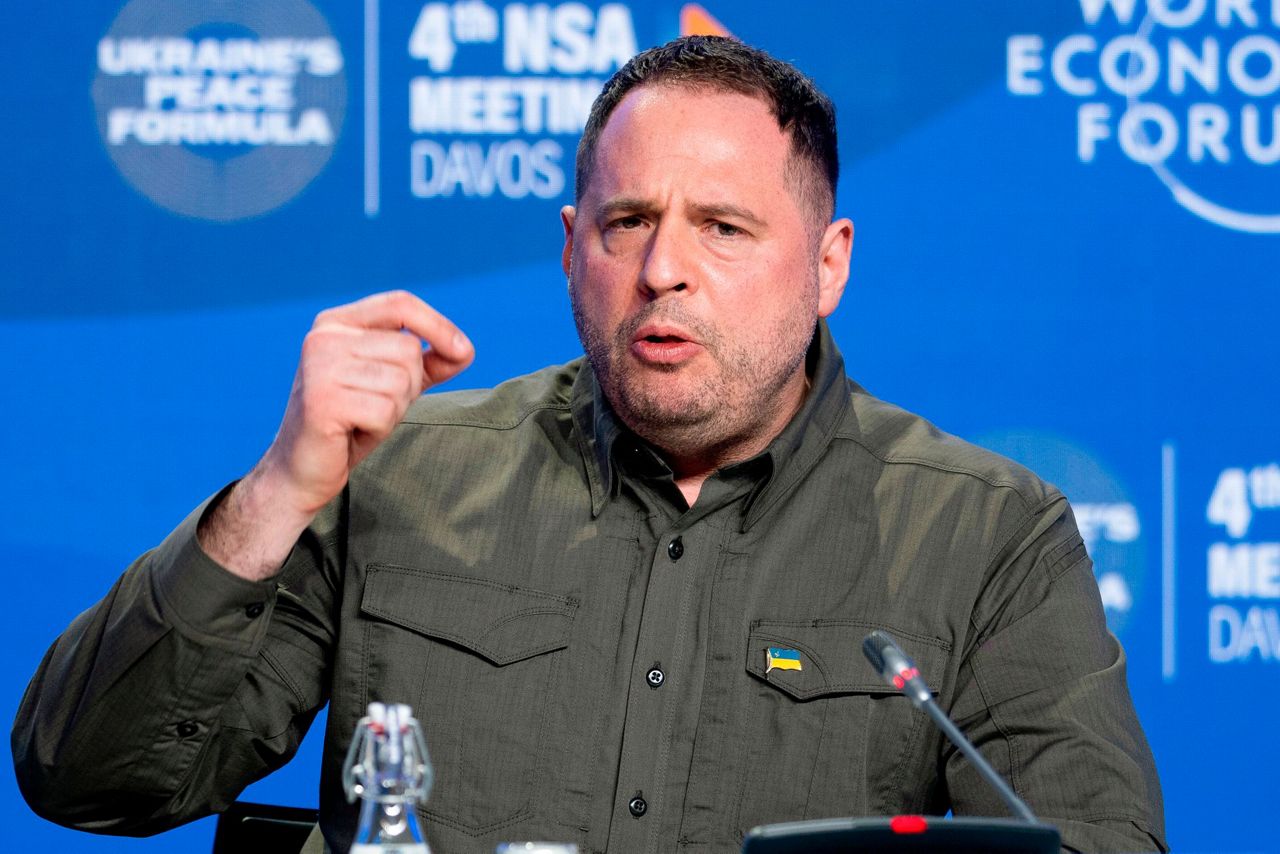
The corruption investigation into President Zelenskyy's senior aides, dubbed "Operation Midas," represents a critical geopolitical event with direct implications for cross-border e-commerce sellers operating in or trading with Ukraine. The scandal involves approximately $10.5 million USD in alleged money laundering through luxury real estate development, implicating high-ranking officials including Andriy Yermak (former chief of staff) and Rustem Umerov (National Security Council head). The investigation's timing—as Ukraine seeks EU membership and Western military support—creates significant uncertainty for sellers in multiple ways.
Market Access & Currency Risk: Ukraine's EU membership bid directly affects trade terms for the estimated 12,000+ cross-border sellers currently operating in the Ukrainian market or sourcing from Ukrainian suppliers. Political instability historically correlates with currency volatility; the Ukrainian hryvnia has experienced 8-15% fluctuations during previous corruption scandals. Sellers accepting hryvnia payments face immediate conversion risk, while those using USD/EUR face margin compression. Payment processors like Wise and PayPal have historically restricted services during political crises, creating liquidity challenges for sellers with Ukrainian customer bases or supplier relationships.
Institutional Credibility & Regulatory Risk: While anti-corruption advocates argue the investigation demonstrates independent institutional checks (54% of Ukrainians view corruption as a bigger threat than Russia's war), the government's July attempt to strip NABU and SAPO of independence signals regulatory instability. For sellers, this creates compliance uncertainty: VAT registration, customs documentation, and payment verification standards may shift if anti-corruption institutions lose independence. The EU has historically linked trade preferences and tariff rates to corruption perception indices; Ukraine's CPI score directly affects tariff classifications for imported goods.
Supply Chain Implications: Ukraine is a significant supplier of agricultural products, metals, and chemicals to cross-border marketplaces. Political instability affects logistics reliability, customs clearance times (typically 5-7 days, potentially extending to 14-21 days during crises), and insurance costs for shipments. Sellers sourcing from Ukraine should expect 15-25% increases in freight insurance premiums and potential 2-3 week delays in customs processing through Q3 2026.
Questions 7
How does Ukraine's corruption scandal affect sellers shipping to or from Ukraine?
The investigation into senior government officials creates immediate operational risks for sellers. Currency volatility typically increases 8-15% during political crises, affecting sellers who accept hryvnia payments or source from Ukrainian suppliers. Payment processors like Wise and PayPal may restrict services during investigations, delaying settlements by 5-10 business days. Customs clearance times could extend from 5-7 days to 14-21 days as regulatory institutions face scrutiny. Sellers should diversify payment methods (USD/EUR preferred) and consider 3PL providers outside Ukraine for inventory staging during the investigation period (estimated through Q3 2026).
What is the connection between Ukraine's EU membership bid and cross-border seller tariffs?
Ukraine's EU membership aspirations directly affect tariff classifications and trade preferences for sellers. The EU links trade terms to corruption perception indices and institutional independence. If the investigation undermines confidence in Ukraine's anti-corruption institutions, the EU may delay preferential trade status, resulting in 5-12% tariff increases on Ukrainian imports. Conversely, successful prosecution of high-ranking officials could accelerate EU membership, lowering tariffs by 3-8% within 12-18 months. Sellers should monitor EU Commission statements on Ukraine's institutional reforms; changes typically take 60-90 days to implement in customs systems.