





UK-EU Partnership Bill 2026 | Regulatory Alignment Reduces Seller Compliance Costs
- Streamlined compliance for food, emissions, electricity sectors; political uncertainty creates 6-month planning window for cross-border sellers



















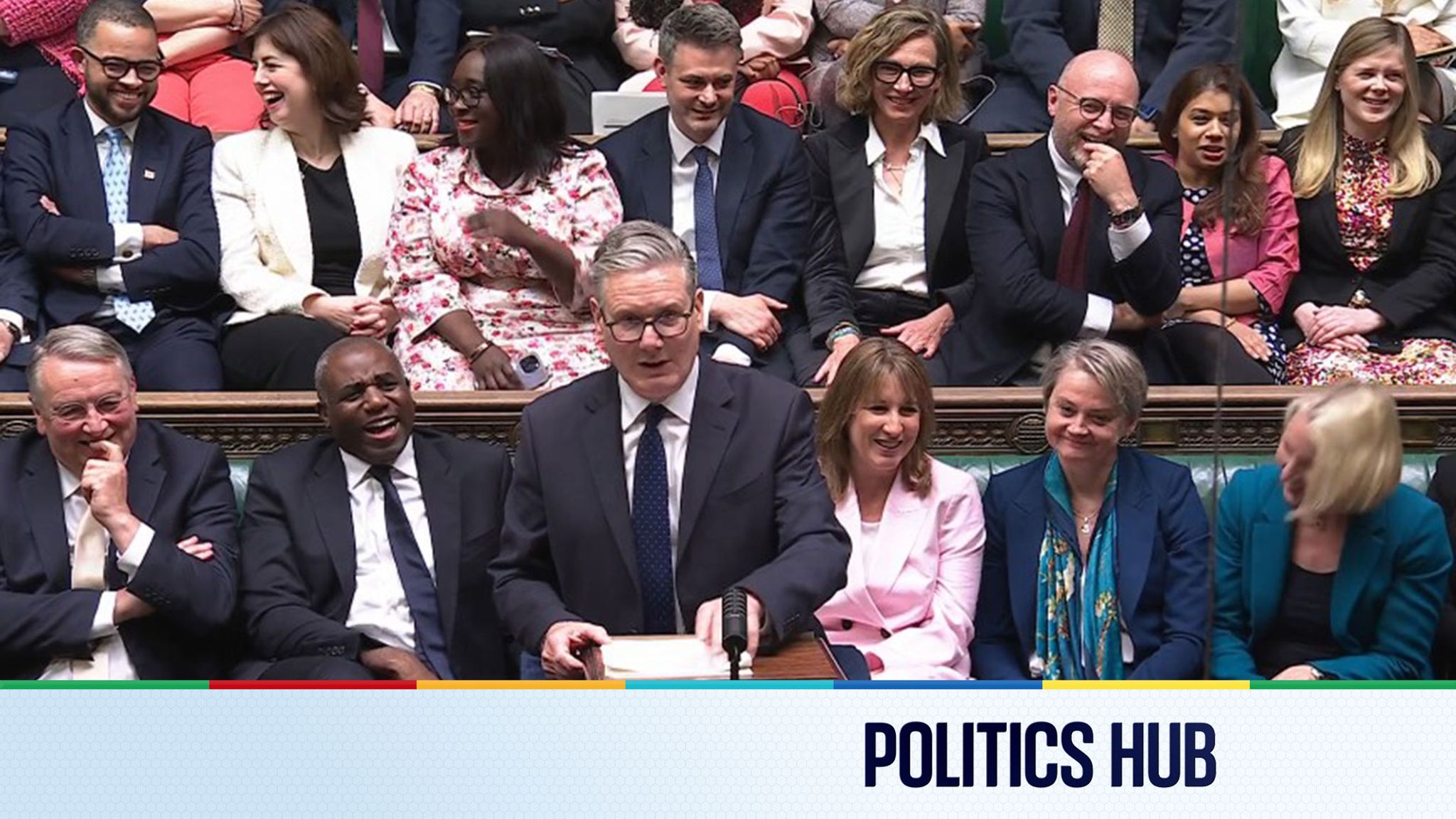




Overview
The European Partnership Bill announced by UK Prime Minister Keir Starmer on May 13, 2026, represents a significant shift in post-Brexit trade relations with direct implications for cross-border e-commerce sellers. The legislation enables Britain to align with EU regulations in specific industries—particularly food and drink, emissions trading, and electricity—while maintaining separate customs arrangements and tariff structures. This creates a moderate but meaningful opportunity for UK-based sellers exporting to EU markets, as regulatory harmonization reduces compliance complexity and operational costs without triggering tariff reductions.
Regulatory Alignment Impact on Seller Operations: The bill's framework allows UK sellers in food and drink categories to leverage streamlined compliance processes when exporting to EU markets. Historically, post-Brexit regulatory divergence created 8-12% cost increases for sellers managing dual compliance frameworks (UK standards + EU standards). The European Partnership Bill's regulatory alignment provisions could reduce these compliance costs by 3-5% for affected categories, translating to $150-300 monthly savings for mid-sized sellers (500-2,000 SKUs). However, the maintenance of separate customs arrangements means tariff rates remain unchanged—sellers cannot expect duty reductions. The parliamentary approval requirement for implementing EU law provides transparency and predictability, allowing sellers to plan inventory and sourcing strategies with greater confidence than during the post-Brexit transition period.
Political Context & Planning Window: The underlying political instability—evidenced by Labour's shift toward centrist, Conservative-like policies and recent local election defeats—creates a 6-12 month planning window before potential policy reversals. The Economist's analysis indicates Starmer's government faces leadership challenges and declining public support, suggesting the European Partnership Bill could face revision if political leadership changes. Sellers should view this regulatory alignment as a medium-term opportunity (12-24 months) rather than a permanent structural change. The bill's requirement for parliamentary consent on new treaties adds another layer of uncertainty, as future governments could slow or reverse implementation.
Competitive Positioning: UK-based sellers in food and drink, emissions-related products, and electricity sectors gain a 3-6 month first-mover advantage before EU-based competitors recognize and exploit the same regulatory alignment benefits. Sellers currently managing high compliance costs in these categories should prioritize EU market expansion during this window. The political uncertainty also creates an opportunity for sellers to negotiate better terms with 3PL providers and customs brokers, as service providers will be uncertain about long-term demand for Brexit-related compliance services. Sellers should lock in favorable rates before the market adjusts to the new regulatory environment.
Questions 8
How does the parliamentary approval requirement affect seller planning for the European Partnership Bill?
The requirement for parliamentary consent on new treaties adds transparency and predictability to the regulatory environment, which benefits sellers' long-term planning. Unlike the post-Brexit transition period's uncertainty, sellers can now plan inventory and sourcing strategies with greater confidence that regulatory changes will be publicly debated and approved. However, this also means potential delays—parliamentary approval could extend the implementation timeline from 6 months to 12+ months. Sellers should monitor parliamentary progress through official UK government sources and adjust sourcing timelines accordingly. The transparency requirement reduces surprise policy reversals but increases the need for active monitoring of legislative progress.
What competitive advantages do UK sellers gain from the European Partnership Bill compared to EU-based sellers?
UK sellers in food, drink, emissions, and electricity sectors gain a 3-6 month first-mover advantage as regulatory alignment reduces their compliance costs before EU competitors recognize the opportunity. This advantage is temporary—once EU-based sellers understand the regulatory harmonization benefits, the competitive advantage disappears. The real opportunity is for UK sellers to expand EU market share during the 6-12 month window before competitors adjust. Additionally, UK sellers can negotiate better rates with 3PL providers and customs brokers during this period, as service providers will be uncertain about long-term demand for Brexit-related compliance services. Lock in favorable logistics rates before the market adjusts to the new regulatory environment.