
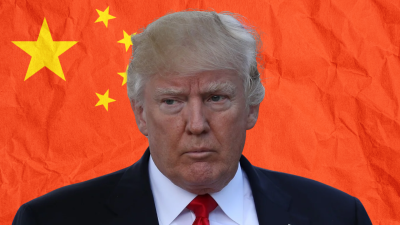

US-China Trade Normalization & Inflation Surge | Critical Seller Opportunities in Semiconductors & Electronics
- Trump-Xi Beijing talks signal 30-90 day supply chain improvements; CPI at 3.8% (18-month high) drives 8-12% shipping cost increases for cross-border sellers
























Overview
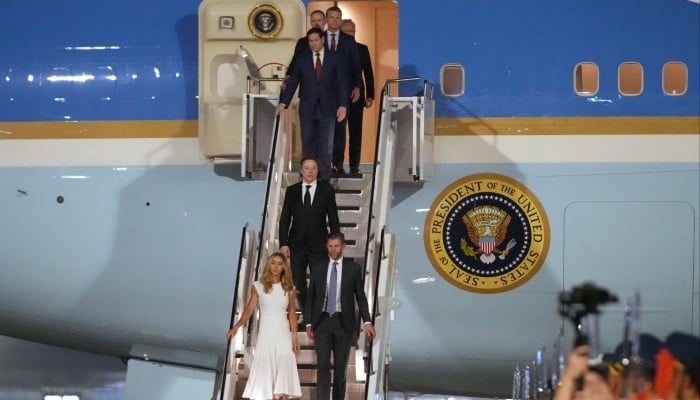
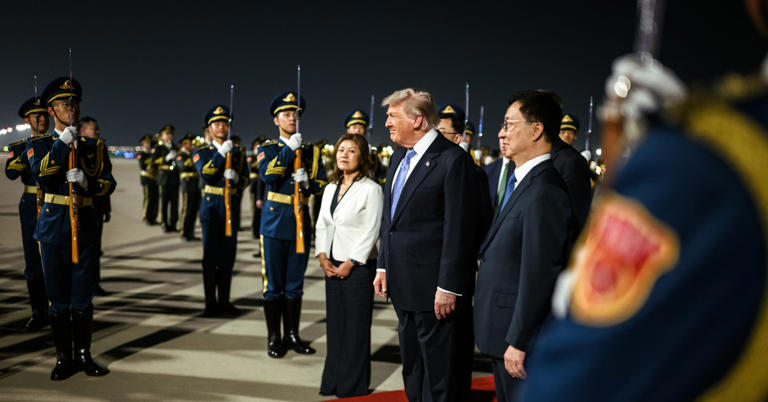
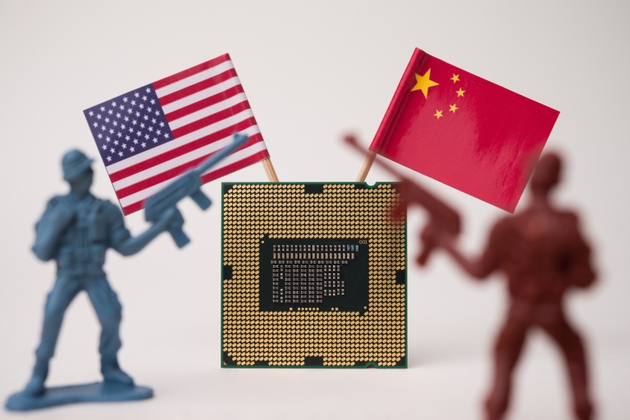
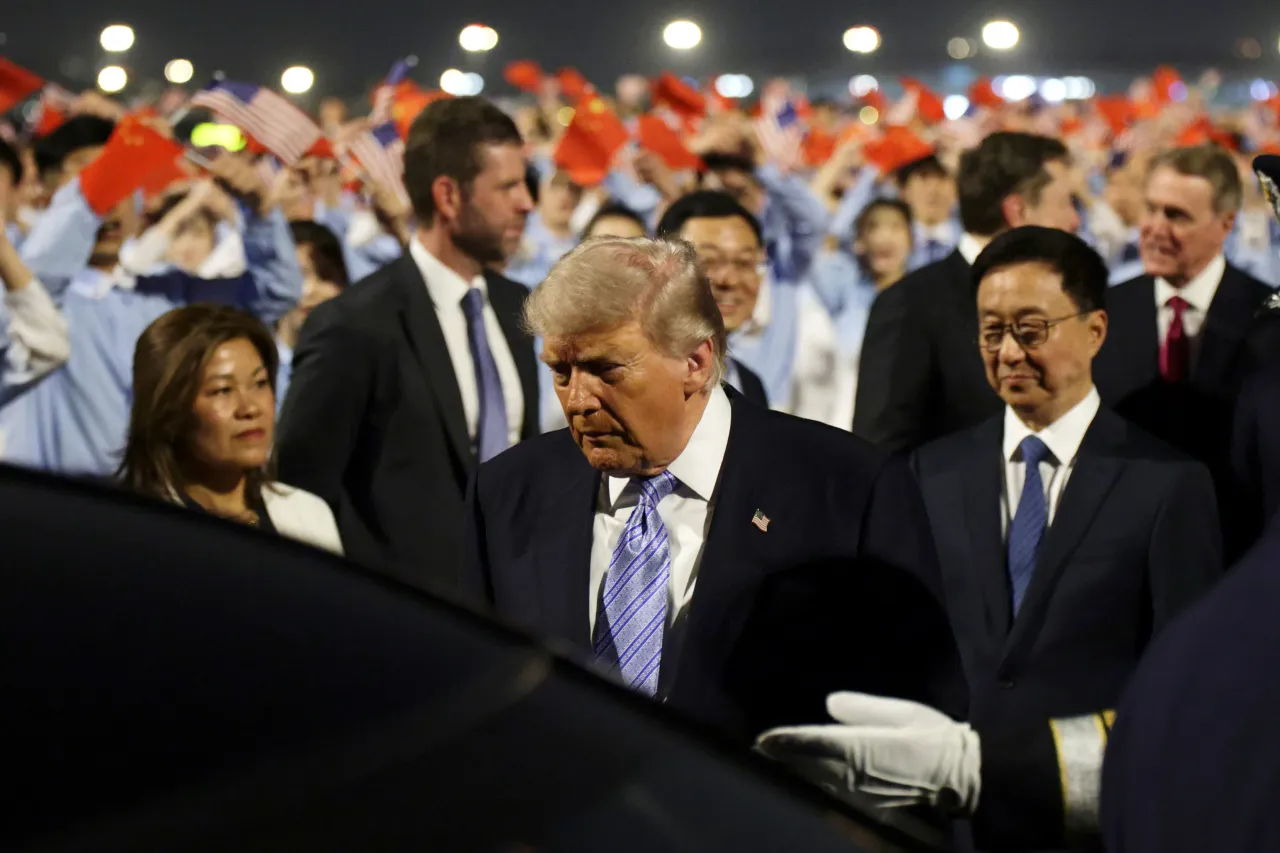
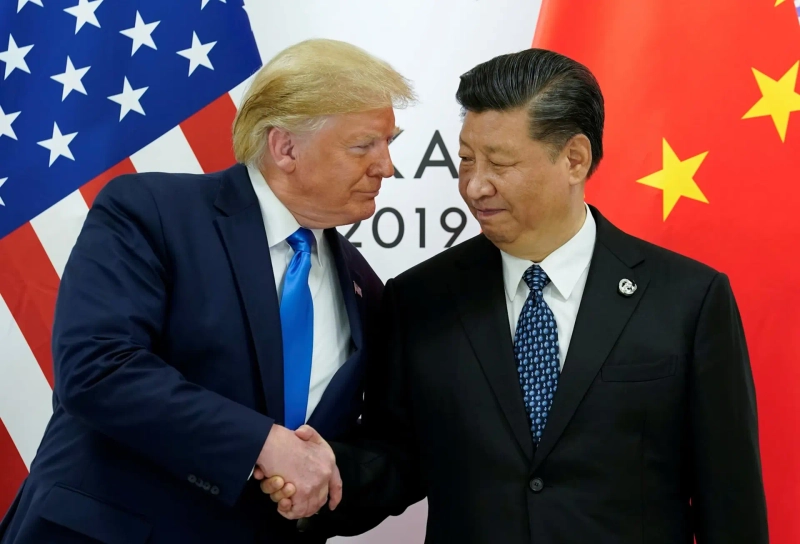
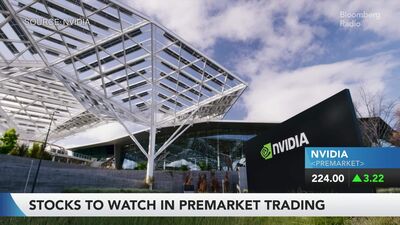
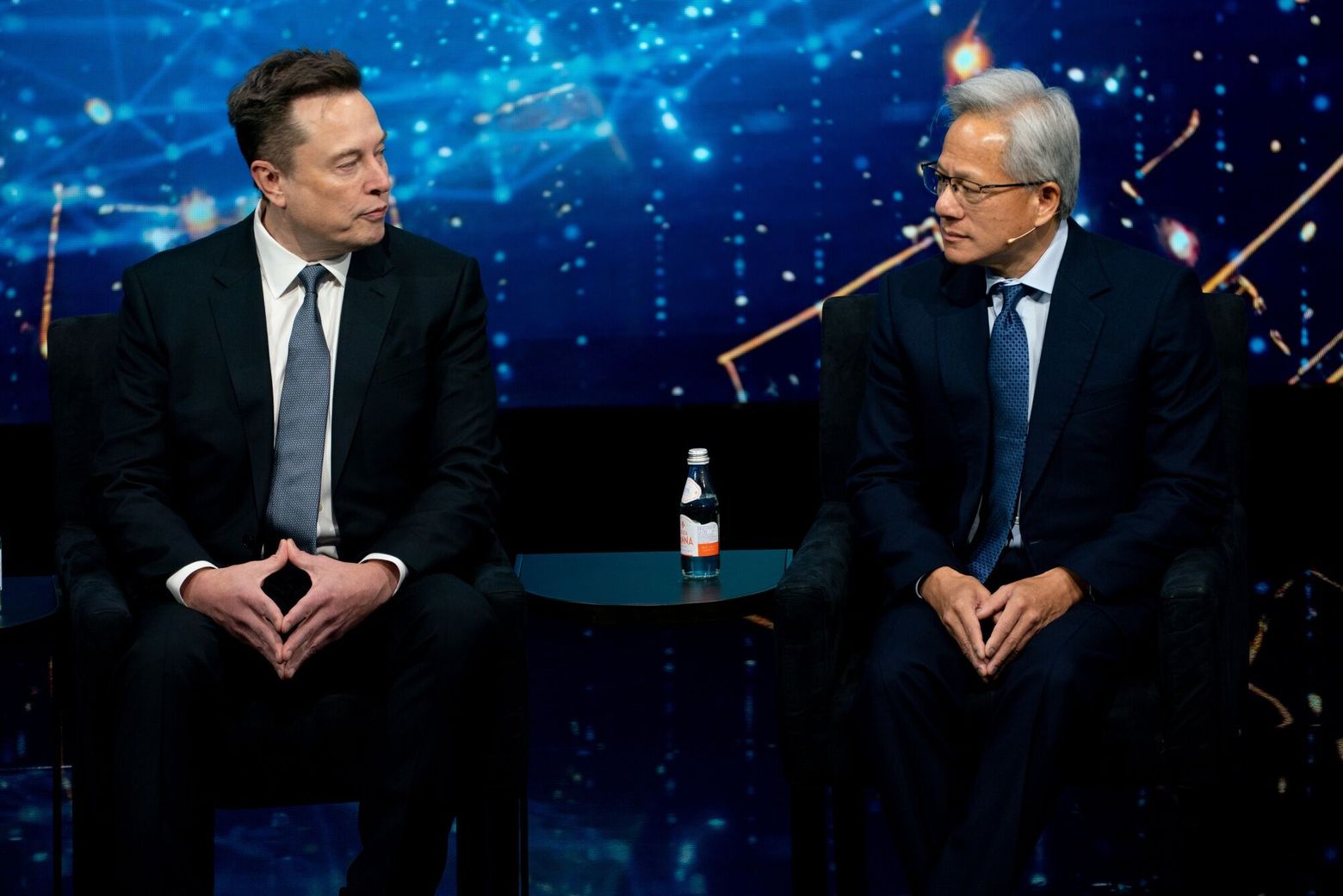
The convergence of US-China diplomatic engagement and accelerating inflation creates a critical inflection point for cross-border e-commerce sellers in May 2026. President Trump's Beijing visit with Nvidia CEO Jensen Huang aboard Air Force One signals potential easing of semiconductor export restrictions that have constrained Chinese e-commerce platforms (Alibaba surged 8%, Wix +2.5%) and electronics sellers for 18+ months. Simultaneously, the consumer price index jumped 3.8% annually—the fastest pace in nearly three years—with energy prices up 18% year-over-year, directly impacting shipping costs and inventory financing for sellers managing cross-border operations.
For electronics and tech-enabled product sellers, this represents a dual-opportunity window. The diplomatic engagement suggests semiconductor supply chain improvements could cascade through manufacturing and logistics within 30-90 days, potentially reducing component costs for sellers sourcing from Chinese manufacturers. Alibaba's 8% stock surge despite missing earnings expectations indicates market confidence in improved market access. However, the inflation data creates immediate operational pressure: energy costs driving shipping expenses higher, Federal Reserve futures traders now pricing in rate increases by year-end (eliminating 2027 rate cut expectations), and wholesale producer prices surging in April 2026. This means sellers face a 60-90 day window where inventory financing costs could increase 2-4% while component costs may stabilize or decline.
The strategic implication is clear: sellers must act immediately on inventory positioning. Those sourcing memory chips, AI-related components, or finished electronics from China should accelerate orders before potential tariff modifications or export licensing changes take effect. The Samsung manufacturing strike mentioned in market coverage creates additional supply constraints in memory chips—Micron stock rose on this disruption signal. Simultaneously, sellers should lock in financing rates before Federal Reserve rate increases, as borrowing costs for inventory could rise $150-300/month for sellers carrying $50K+ inventory. The 750,000+ options contracts traded on China Internet ETF (KWEB) with 96% concentrated in call options signals institutional positioning for continued trade normalization, suggesting a 2-4 week window before policy announcements materialize. Sellers delaying action risk paying 8-12% more for shipping while missing the component cost stabilization window that typically follows diplomatic breakthroughs in US-China relations.
Questions 7
Should I accelerate inventory purchases from Chinese manufacturers now?
Yes, but strategically. The diplomatic engagement suggests component costs may stabilize or decline 5-8% within 30-90 days as export restrictions ease. However, the Samsung manufacturing strike is creating immediate memory chip supply constraints, and wholesale producer prices surged in April 2026. The optimal strategy is to: (1) immediately order high-margin electronics and AI-related components before tariff changes, (2) lock in financing rates before Federal Reserve increases, and (3) avoid bulk orders of commodity items until supply chain stabilization is confirmed. The 750,000+ options contracts on China Internet ETF with 96% in calls suggests institutional traders expect policy announcements within 2-4 weeks.
What is the immediate impact of 3.8% inflation on cross-border shipping costs?
The consumer price index rose 3.8% annually with energy prices up 18% year-over-year, directly increasing shipping costs by 8-12% for sellers managing cross-border operations. For a seller shipping 1,000+ units monthly, this translates to $200-400 additional monthly shipping expenses. Federal Reserve futures traders have ruled out rate cuts before 2027 and are pricing in rate increases by year-end, meaning inventory financing costs will rise 2-4% within 60-90 days. Sellers should lock in shipping rates and financing immediately—delaying 30 days could cost $600-1,200 in additional expenses for mid-sized sellers.