


Hormuz Strait Closure Drives Oil Prices to $101.70 | E-Commerce Shipping Cost Crisis
- Logistics costs surge 8-15% for cross-border sellers; air freight and expedited shipping hit hardest through Q3 2026


















Overview
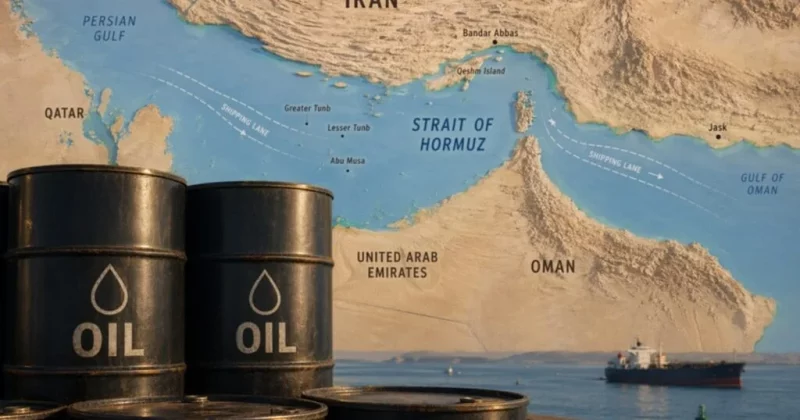
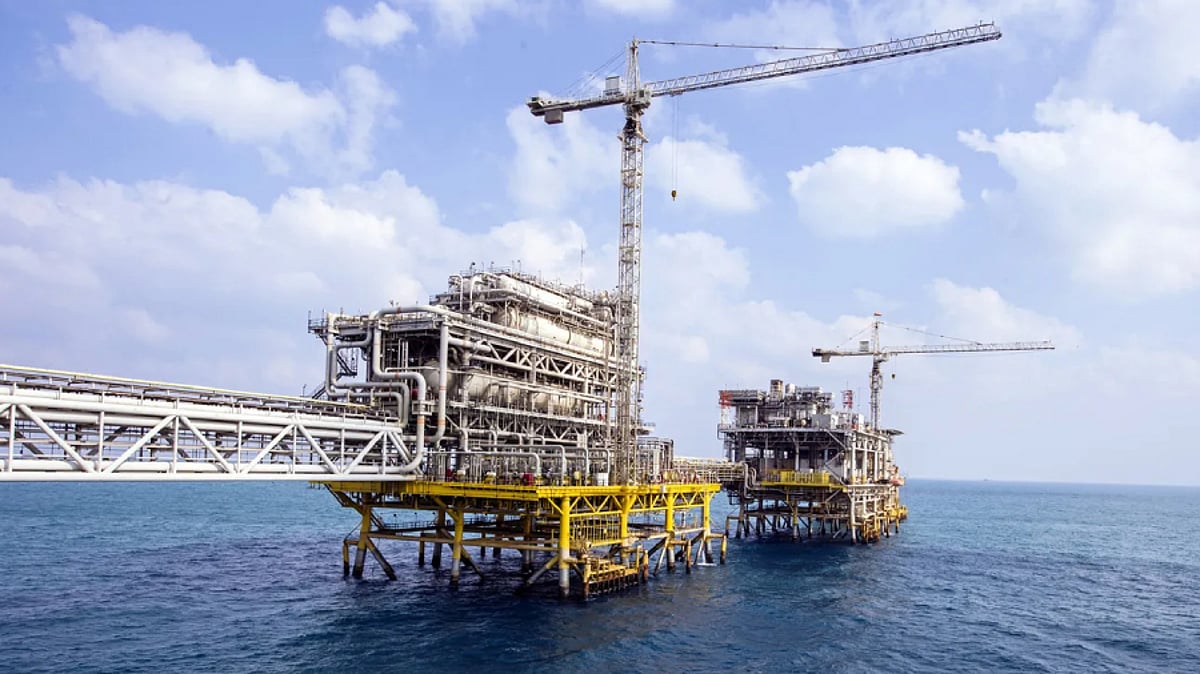
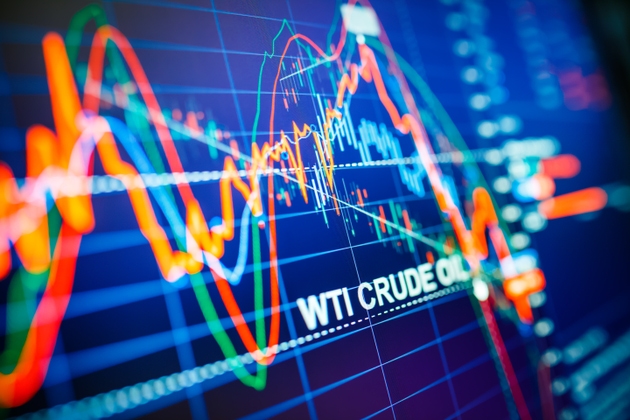
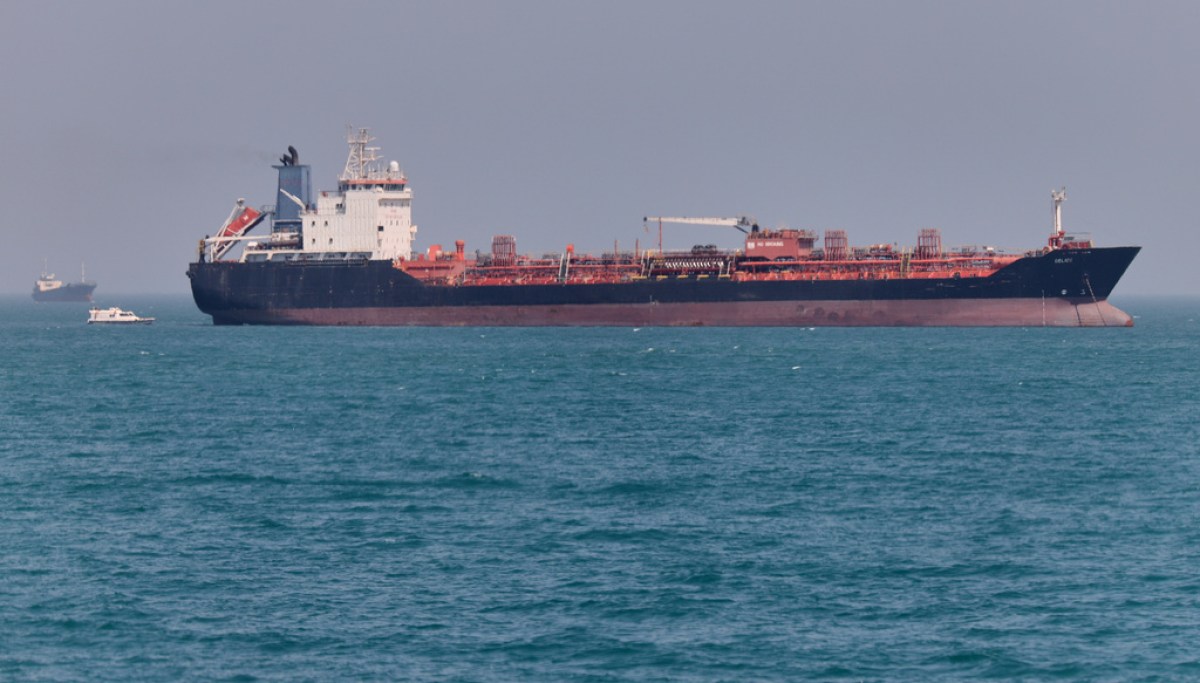
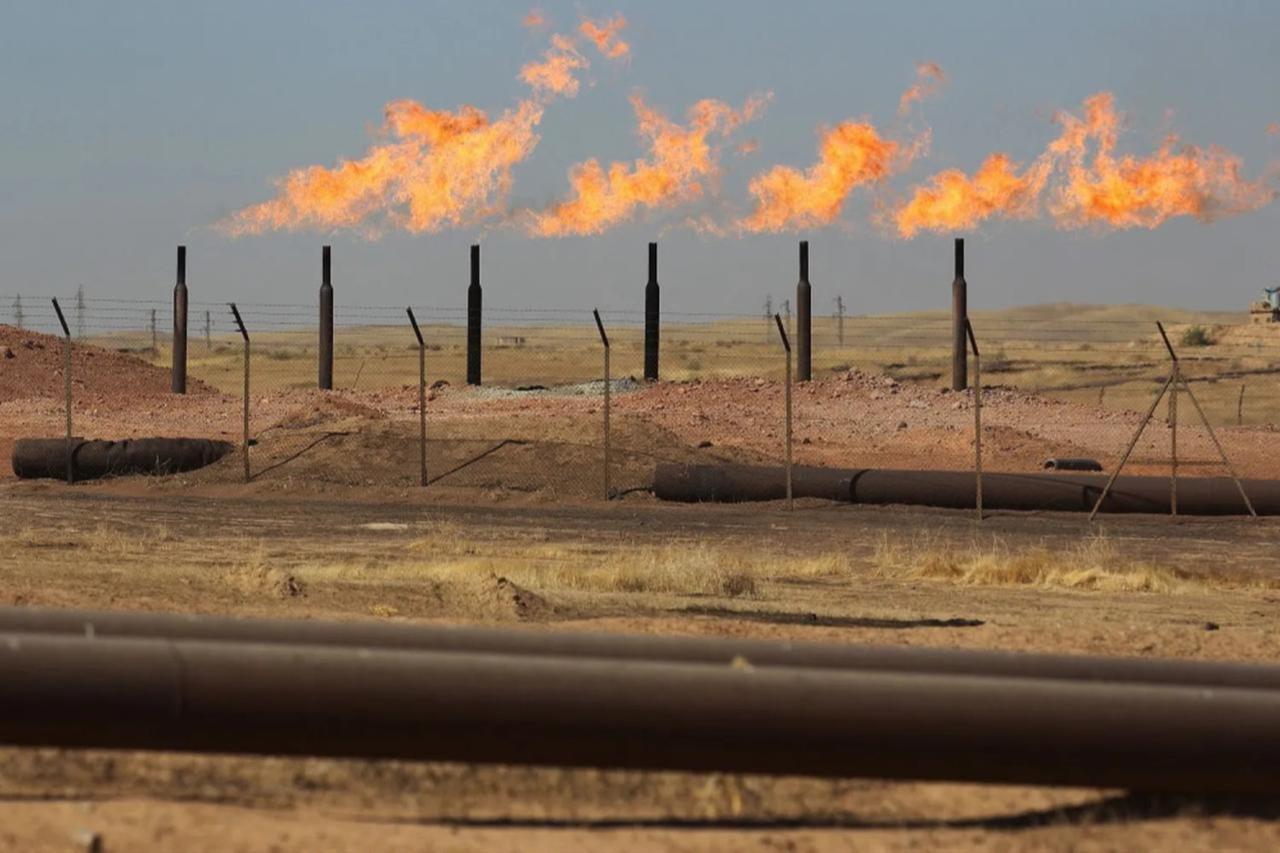
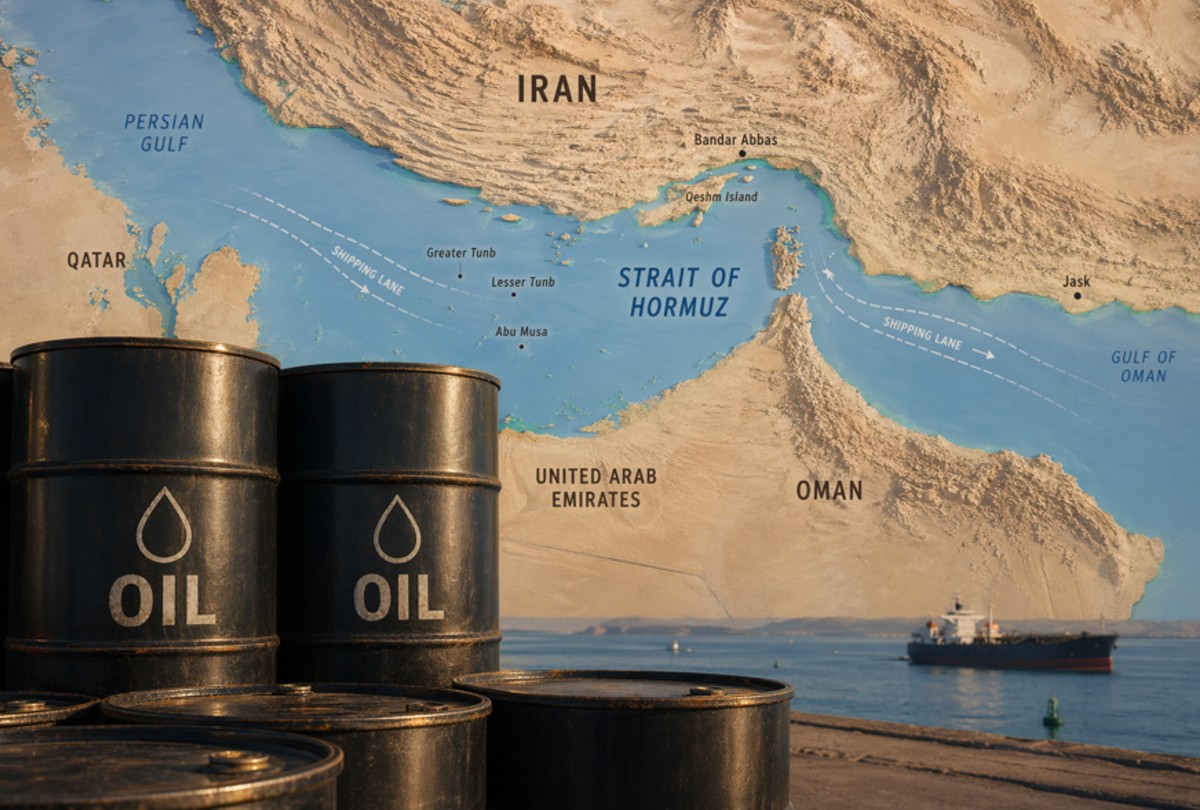
The Strait of Hormuz blockade initiated by Iran in late February 2026 has triggered a cascading supply crisis affecting global e-commerce operations. OPEC's May 13, 2026 report reveals crude oil production collapsed by 30%+ (9.7 million bpd losses), with Saudi Arabia down 33%, Iraq down 66%, and Kuwait down 76%. Global oil demand growth forecasts slashed from 1.4 to 1.2 million bpd for 2026, while crude prices stabilized at $101.70/barrel—reflecting sustained supply constraints. The International Energy Agency warns of 250 million barrel inventory losses (4 million bpd equivalent) over March-April alone, with global inventories depleting at record pace.
Direct E-Commerce Impact: Rising fuel costs translate directly into elevated shipping surcharges across all logistics channels. Sellers relying on air freight face 12-15% cost increases, while ocean freight surcharges add 8-10% to baseline rates through peak summer demand (June-August 2026). A typical 1,000-unit monthly shipment via air freight could see costs rise from $8,000 to $9,200-9,600, compressing profit margins by $1,200-1,600 monthly. Time-sensitive product categories—electronics, fashion, perishables—face the steepest margin compression. Sellers shipping from Asia-Pacific to North America/Europe experience the most severe impact, as alternative routing around Africa adds 2-3 weeks transit time and 15-20% cost premiums.
Competitive Dynamics: Large sellers with diversified supplier networks and flexible pricing strategies can absorb cost pressures; small/medium sellers (SMBs) with single-source suppliers and fixed pricing face margin compression of 5-8%. Sellers with pre-positioned inventory in regional fulfillment centers (US, EU, Asia) can bypass air freight entirely, gaining competitive advantage. The situation creates arbitrage opportunities for sellers who can shift product sourcing from Middle East-dependent supply chains (petrochemicals, textiles, electronics components) to non-OPEC producers (US, Russia, Brazil) despite tariff headwinds. Timing window: Peak summer demand (June-August 2026) represents the critical 90-day window before Q4 inventory builds, after which oil prices may stabilize if geopolitical tensions ease (OPEC projects 2027 demand growth rebound to 1.54 million bpd).
Strategic Sourcing Shifts: Sellers should evaluate Vietnam, India, and Indonesia as alternative sourcing destinations for categories currently dependent on Middle East inputs. These countries offer 10-15% cost advantages over China for certain categories (textiles, chemicals, plastics) and bypass Hormuz-dependent supply chains entirely. Compliance consideration: Verify supplier certifications and tariff classifications (HS codes) for alternative sourcing to avoid unexpected duties. The window to lock in alternative supplier contracts closes by June 2026 before Q3 peak season inventory commitments.
Questions 7
What supply chain resilience measures should sellers implement immediately?
Diversify supplier networks across Vietnam, India, Indonesia, and non-OPEC producers to reduce Hormuz-dependent supply chain exposure. Pre-position 30-45 days of inventory in regional fulfillment centers (US, EU, Asia) to bypass air freight during peak demand. The news warns that supply chain disruptions in the Middle East may delay shipments of goods sourced from or transiting through the region. Evaluate 3PL providers with multiple routing options and negotiate fuel surcharge caps through Q3 2026. Implement inventory management systems that track fuel costs and adjust reorder points based on shipping method economics. Lock in alternative supplier contracts by June 2026 before Q3 peak season commitments become inflexible.
Which product categories are most affected by rising shipping costs from the oil supply crisis?
Time-sensitive, high-value categories face the steepest margin compression: electronics, fashion, perishables, and beauty products relying on air freight. Lower-margin categories (bulk goods, heavy items) benefit from ocean freight alternatives. Sellers in petrochemical-dependent categories (plastics, textiles, chemicals) face dual pressure: rising shipping costs plus potential input cost increases. The news indicates supply chain disruptions in the Middle East may delay shipments of goods sourced from or transiting through the region, making alternative sourcing (Vietnam, India) strategically valuable for these categories.