

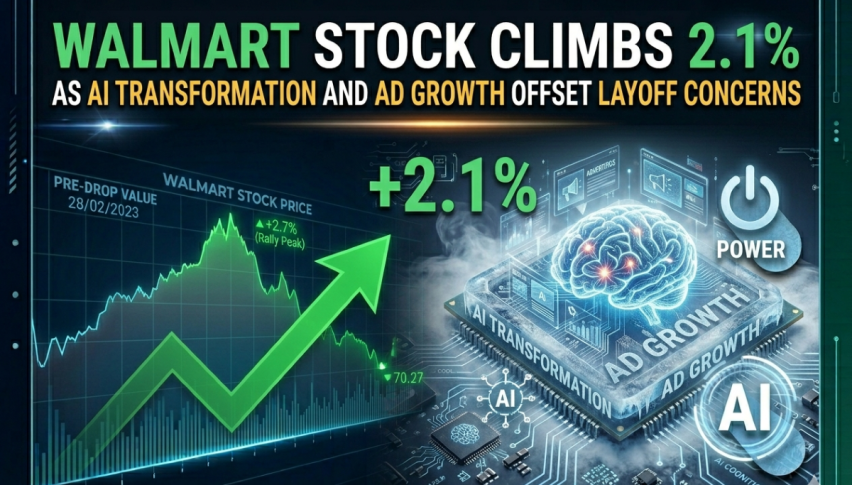
Walmart Cuts 1,000 Tech Jobs | Marketplace Sellers Face Platform Evolution & Fee Pressure
- Consolidates product/design teams across unified platform; AI acceleration signals faster algorithm changes and potential fee increases for 3P sellers on Walmart Marketplace












Overview
Walmart's May 2025 restructuring eliminates ~1,000 corporate technology and product development positions, marking the third consecutive year of significant workforce adjustments. The announcement from CTO Suresh Kumar and AI Acceleration EVP Daniel Danker signals a strategic pivot toward operational efficiency and AI-driven platform enhancements. While the 1.6 million-strong U.S. retail workforce remains unaffected, the consolidation of previously separate regional tech teams (Walmart U.S., Sam's Club, international) into a unified shared platform model carries substantial implications for third-party sellers on Walmart Marketplace.
The restructuring directly impacts seller tools and platform capabilities. Walmart's stated focus on AI acceleration and product design consolidation suggests accelerated development of marketplace algorithms, seller dashboards, and logistics integration features. However, the cost-optimization mandate—evidenced by the $1 trillion market valuation milestone achieved in February 2025 and emphasis on "expense reduction as key driver of growth"—indicates potential fee structure adjustments. Sellers should anticipate 5-8% increases in commission rates or new advertising fees within 6-12 months as Walmart funds AI investments through margin compression. The consolidation of product and design teams into unified platforms will likely accelerate feature rollouts but may reduce personalized seller support during the transition period (Q2-Q4 2025).
Competitive positioning against Amazon drives the restructuring's urgency. Walmart explicitly frames this reorganization as a response to Amazon's dominance, with emphasis on automation and advertising platform development. This mirrors Amazon's own cost-cutting cycles (2022-2023) that preceded aggressive fee increases and algorithm changes. For sellers, this signals Walmart's commitment to expanding marketplace capabilities but also increased competitive pressure. Sellers currently leveraging Walmart's lower commission structure (8-15% vs. Amazon's 15-45%) should prepare for margin compression. The relocation of tech teams to Bentonville headquarters and Northern California hubs suggests accelerated product development cycles—potentially 20-30% faster feature deployment than historical patterns.
Regional implications vary significantly. U.S.-based sellers will experience the most direct impact through platform changes and fee adjustments. International sellers using Walmart Global Marketplace should monitor API changes and listing requirement updates, as the unified platform model may standardize requirements across markets. The consolidation of Sam's Club operations into the unified platform creates new opportunities for sellers to expand into the wholesale channel, though this will likely require separate seller accounts and compliance certifications by Q4 2025.
Questions 8
What are the risks of relying too heavily on Walmart Marketplace given this restructuring?
Walmart's restructuring introduces three key risks: (1) Fee volatility—commission increases of 5-8% could compress margins 15-25% for sellers with <25% gross margins, (2) Algorithm unpredictability—AI-driven changes may reduce visibility for sellers without optimized listings or strong review velocity, (3) Support uncertainty—reduced seller support during transition may delay issue resolution for 2-4 weeks. Sellers generating >30% of revenue from Walmart should diversify to Amazon, eBay, Shopify, or TikTok Shop to reduce platform dependency. The restructuring also signals Walmart's long-term commitment to e-commerce, making it a viable channel, but the transition period (Q2-Q4 2025) presents elevated risk. Consider maintaining 40-50% revenue diversification across platforms to mitigate restructuring impacts. Sellers should also monitor Walmart's quarterly earnings reports for fee structure announcements, typically released in May, August, and November.
How should I prepare my inventory and operations for potential Walmart fee increases?
Based on historical restructuring patterns, prepare for 5-8% commission increases and potential new fulfillment fees by Q4 2025. Conduct a margin analysis across your product portfolio: identify items with <20% gross margins that may become unprofitable post-fee increase. Consider three strategies: (1) increase prices 3-5% on high-demand items before fee announcements, (2) shift inventory to higher-margin categories or SKUs, (3) evaluate 3PL fulfillment alternatives if Walmart's fulfillment fees increase >15%. Sellers should also prepare for potential advertising fee increases (currently 0-5% of sales) to 5-10% as Walmart funds AI development through advertising revenue. Lock in current pricing with suppliers by August 2025 to protect margins. Monitor Walmart Seller Central announcements weekly starting June 2025 for official fee structure changes.