




SAP Joule Studio Cuts Development Time 75% | E-Commerce Automation Game-Changer
- Reduces 3-4 day workflows to 10-15 minutes; enables sellers to automate product research, pricing, and customer service at enterprise scale




Overview
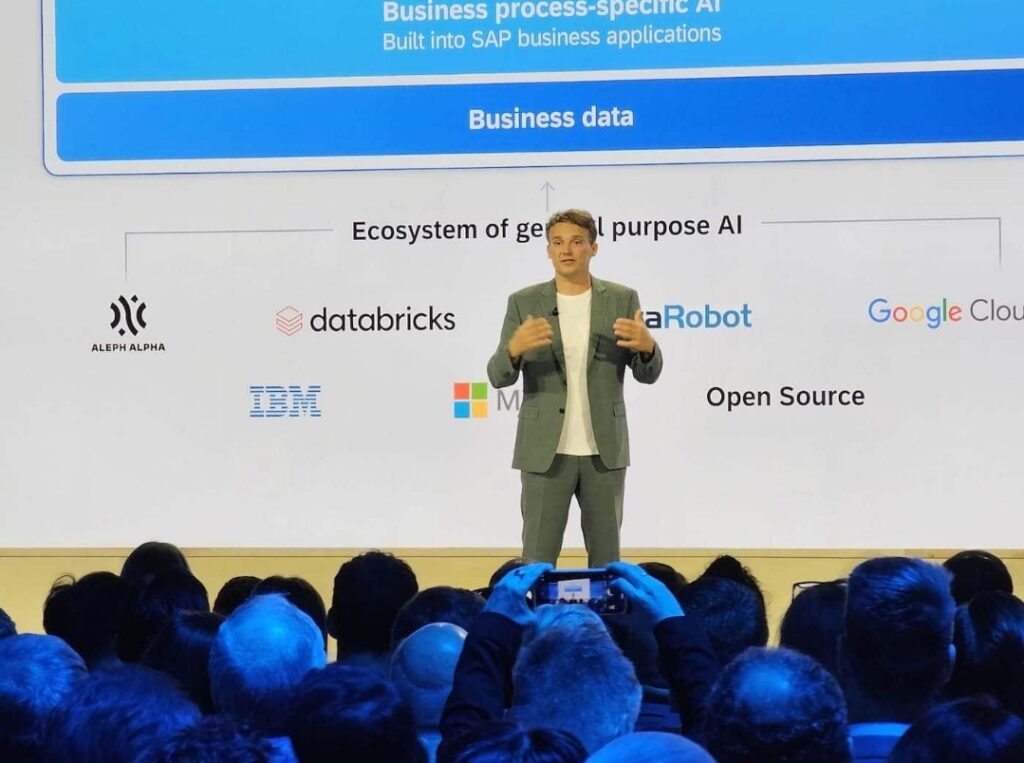
SAP's Joule Studio represents a watershed moment for e-commerce automation, delivering a fully managed enterprise platform that compresses development cycles from 3-4 days to 10-15 minutes through intent-based AI agent development. Announced at SAP Sapphire 2026, this platform directly addresses the automation bottleneck that prevents mid-market and enterprise sellers from deploying AI-powered solutions for product selection, dynamic pricing, and customer service at scale.
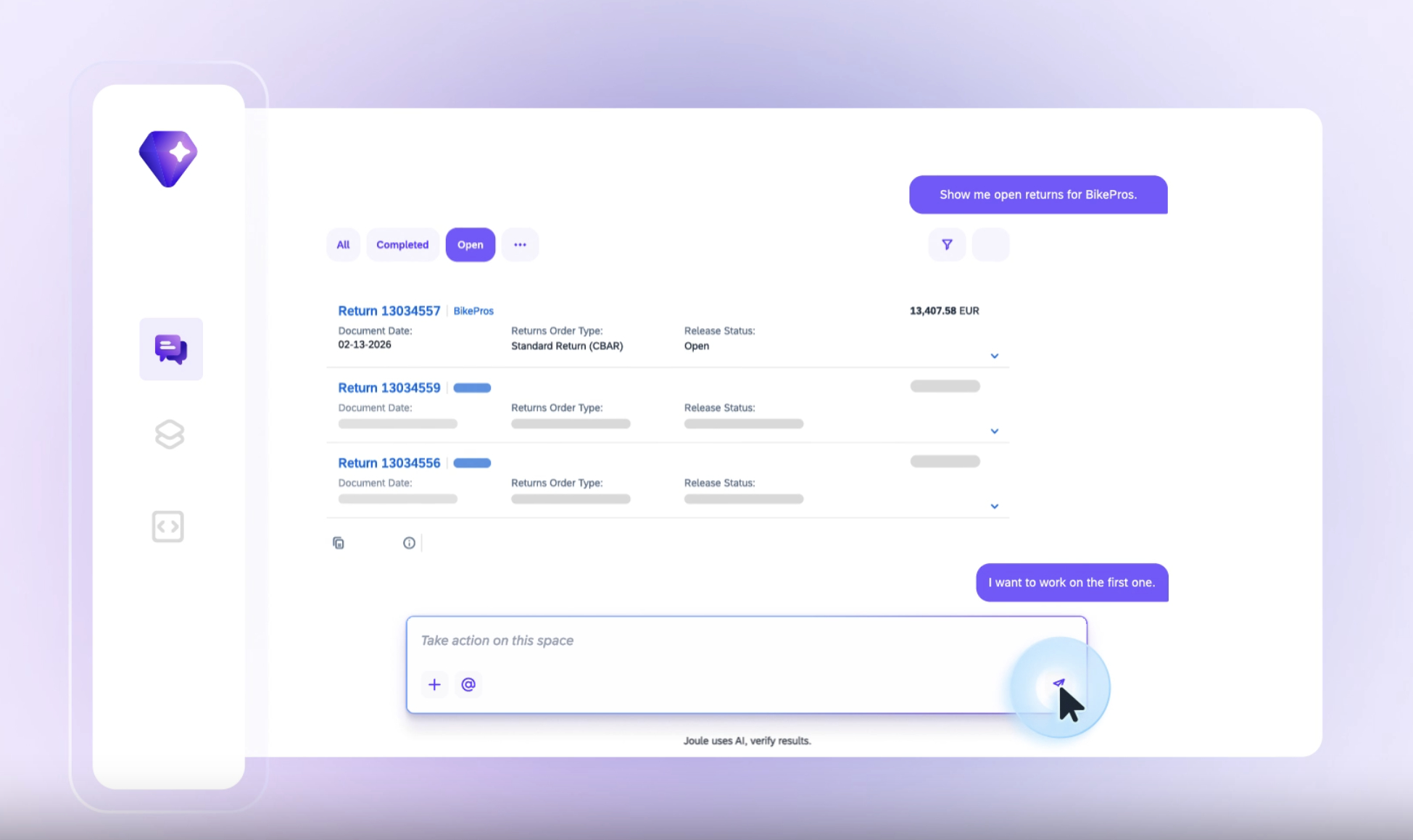
The immediate automation opportunity is massive for e-commerce sellers. Joule Studio's natural language interface enables business users—not just developers—to describe goals like "analyze competitor pricing across 50,000 SKUs daily" or "generate personalized product recommendations for each customer segment," and the platform automatically generates complete solution artifacts including code scaffolding, technical specifications, and live previews. For sellers currently spending 40-60 hours weekly on manual pricing analysis, competitor research, and customer segmentation, this represents potential time savings of 30-40 hours per week per function. Sony's Vanitha Ponnusamy confirmed that Joule Studio generated end-to-end solutions in 10-15 minutes versus the traditional 3-4 day manual development cycle—a 96% time reduction that translates directly to faster competitive response and lower development costs.
The platform's architecture solves critical e-commerce pain points through integrated AI orchestration. Joule Studio combines SAP's ecosystem (Signavio Process Consultant Agent for workflow optimization, Knowledge Graph for product data relationships, Domain Models for category-specific logic) with industry-standard frameworks (LangChain, Pydantic AI, LlamaIndex) and visual orchestration via embedded n8n. For sellers managing multi-channel inventory across Amazon, Shopify, and eBay, this means building unified product sync agents, dynamic pricing engines, and customer service bots without infrastructure management. The Vercel integration enables consumer-grade frontend experiences using Next.js, allowing sellers to deploy custom storefronts and recommendation interfaces without separate frontend development. Accenture's testing across 48 diverse scenarios demonstrated consistently high-quality code generation with minimal refinements needed—critical for sellers who lack deep technical expertise.
Enterprise-grade governance and observability create competitive moats for sophisticated sellers. Built-in monitoring tracks agent usage, costs, and business impact in real-time, while SAP HANA Cloud provides persistent long-term memory for agents that learn from historical pricing decisions, customer behavior patterns, and inventory trends. This enables sellers to build proprietary AI models that improve over time—a significant advantage over competitors using generic tools. The Joule Work engagement layer integrates agents directly into daily workflows, creating personalized intent-based workspaces where sellers can query inventory health, receive pricing recommendations, or get customer service escalations without switching tools.
For e-commerce sellers, the ROI calculation is compelling: development cost reduction of 60-75%, deployment speed increase of 96%, and the ability to automate previously manual processes that consume 30-50 hours weekly per function. Sellers can now build sophisticated multi-agent systems for product research automation, dynamic pricing optimization, customer service triage, and inventory forecasting without hiring specialized AI engineers or waiting months for custom development.
Questions 8
How does Joule Studio compare to alternative low-code automation platforms for sellers?
Joule Studio differentiates through 96% faster development cycles (10-15 minutes vs. 3-4 days), enterprise-grade governance with persistent learning capabilities, and deep integration with SAP's business context tools (Knowledge Graph, Domain Models, Signavio). Alternative platforms like n8n, Zapier, and Make.com excel at workflow automation but require technical configuration and lack AI-powered code generation. Joule Studio's intent-based interface and automatic artifact generation enable non-technical sellers to build sophisticated multi-agent systems. For sellers managing enterprise-scale operations with complex compliance requirements, Joule Studio's observability, security, and business impact tracking provide advantages that generic automation platforms cannot match. The trade-off is that Joule Studio targets enterprise sellers with complex needs, while simpler platforms serve small sellers with basic workflow automation.
Which e-commerce automation use cases should sellers prioritize with Joule Studio?
Sellers should prioritize automation for high-volume, repetitive tasks that consume significant time and directly impact revenue: (1) Dynamic pricing engines that adjust prices based on competitor activity, demand signals, and inventory levels—typically saving 30-40 hours weekly while improving margins 2-5%; (2) Inventory forecasting agents that predict demand by product, season, and channel, reducing stockouts and overstock by 15-25%; (3) Customer service triage systems that route inquiries to appropriate teams and generate responses for common questions, reducing response time by 60-70%; (4) Product research automation that monitors competitor offerings, identifies trending categories, and flags sourcing opportunities. These use cases typically deliver ROI within 3-6 months through time savings and revenue improvement.