


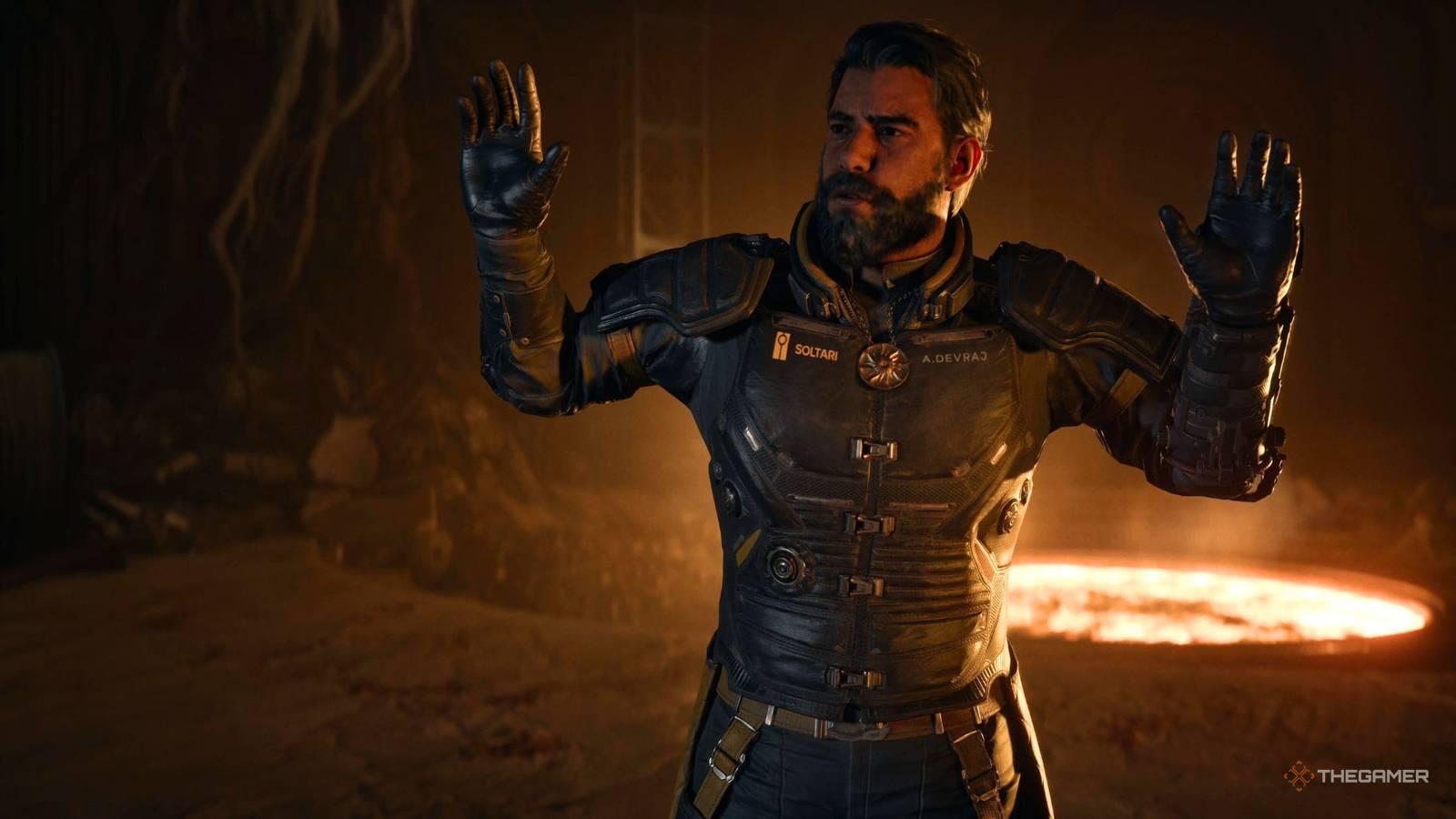
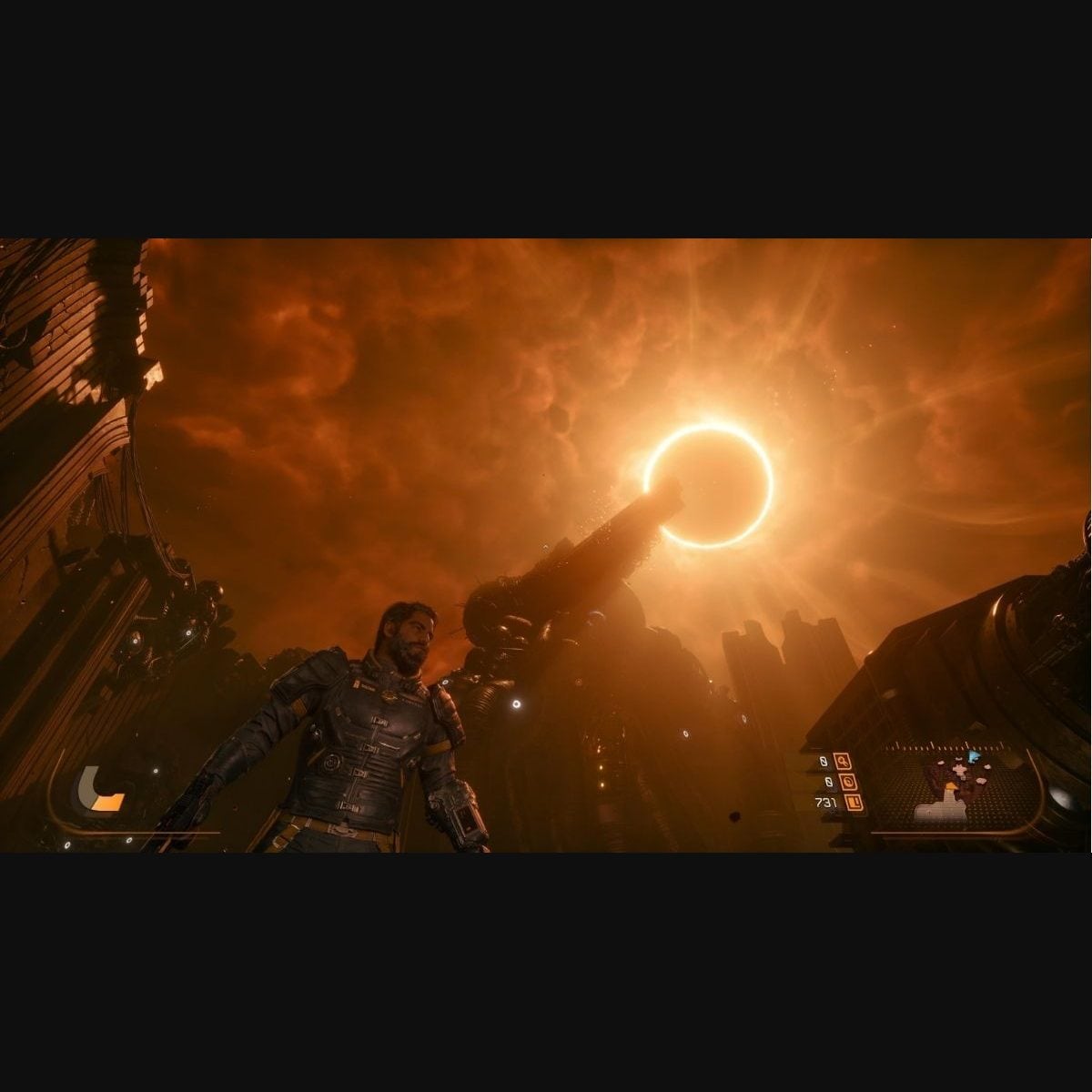
PS5 Gaming Exclusive Saros Drives 300K Sales | Console Hardware & Merchandise Opportunity for Sellers
- PlayStation 5 exclusive game generates $22M in 2 weeks; reveals console adoption trends and gaming merchandise demand for cross-border sellers targeting hardcore gamers













Overview
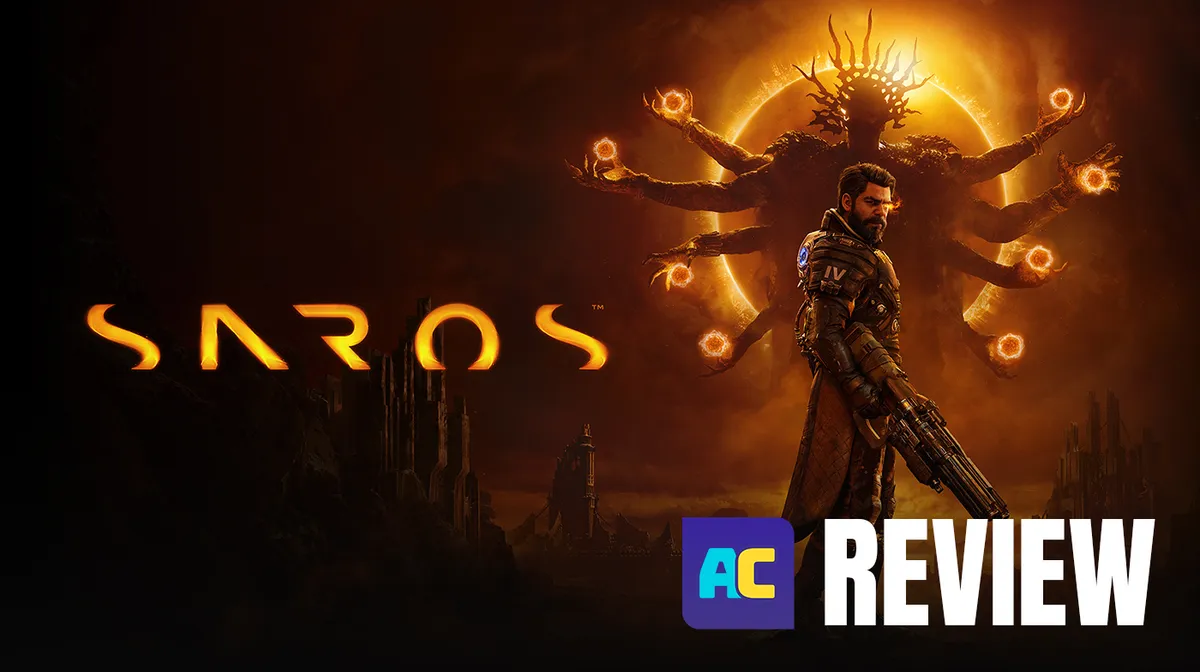
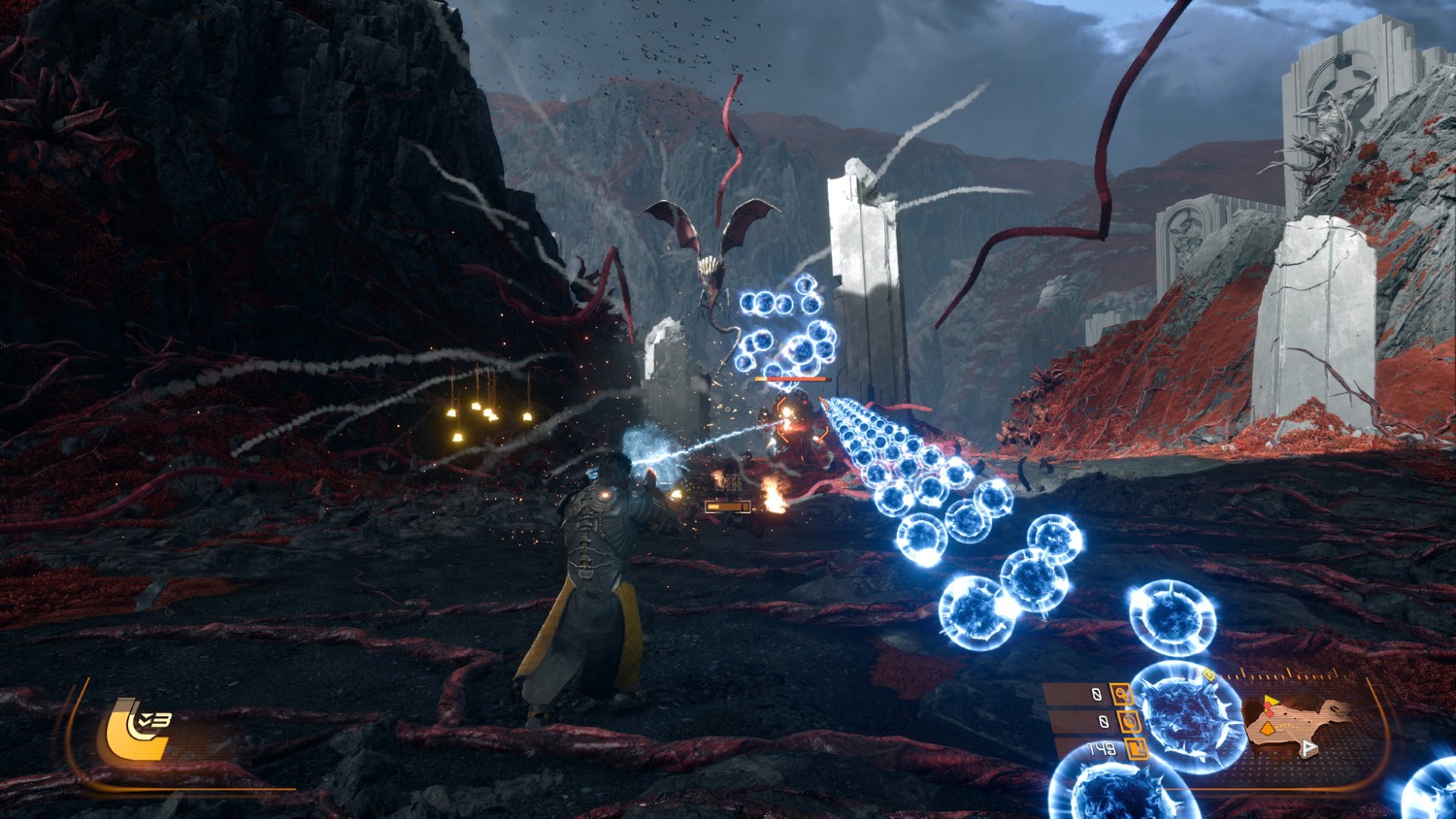
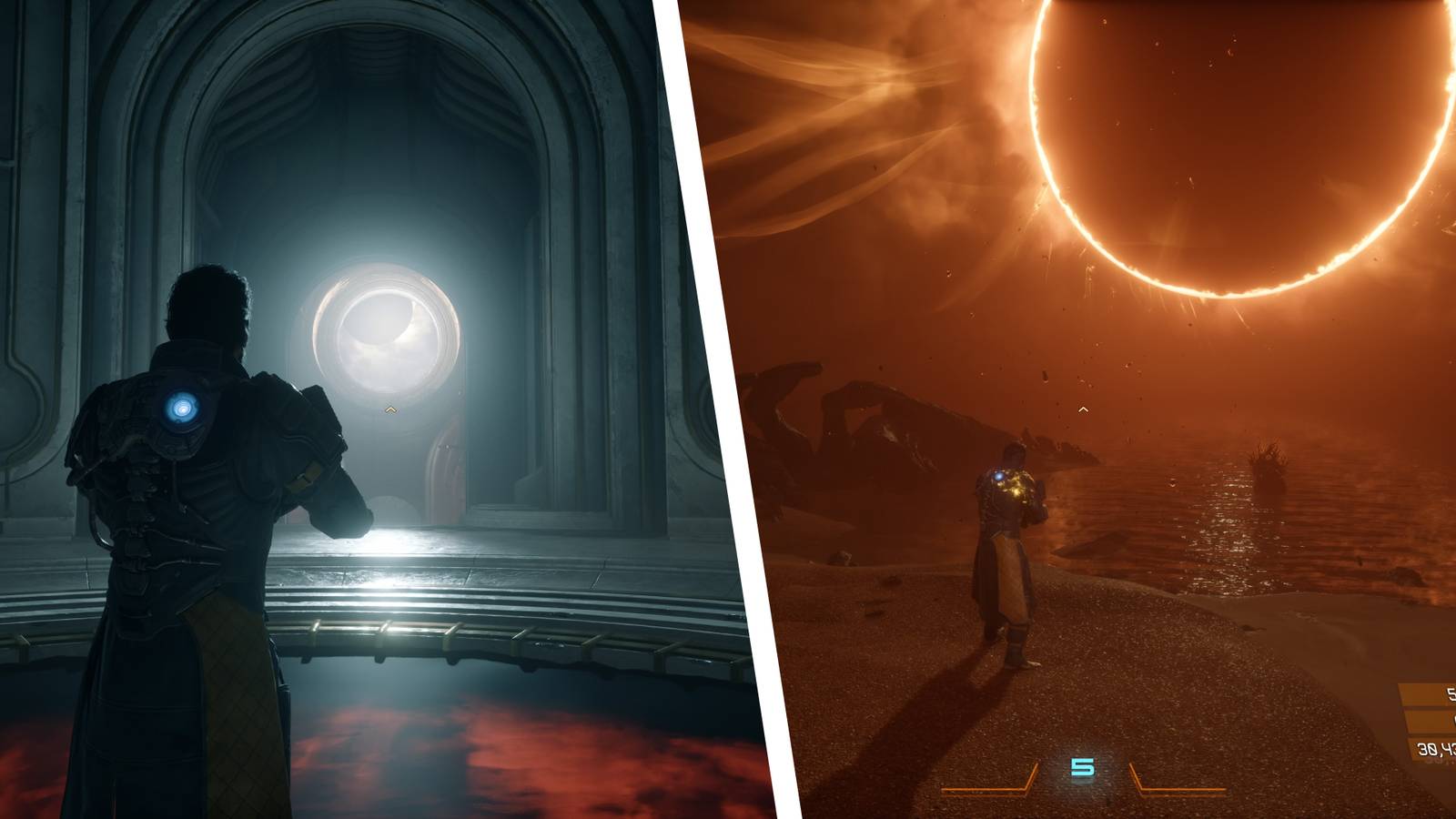
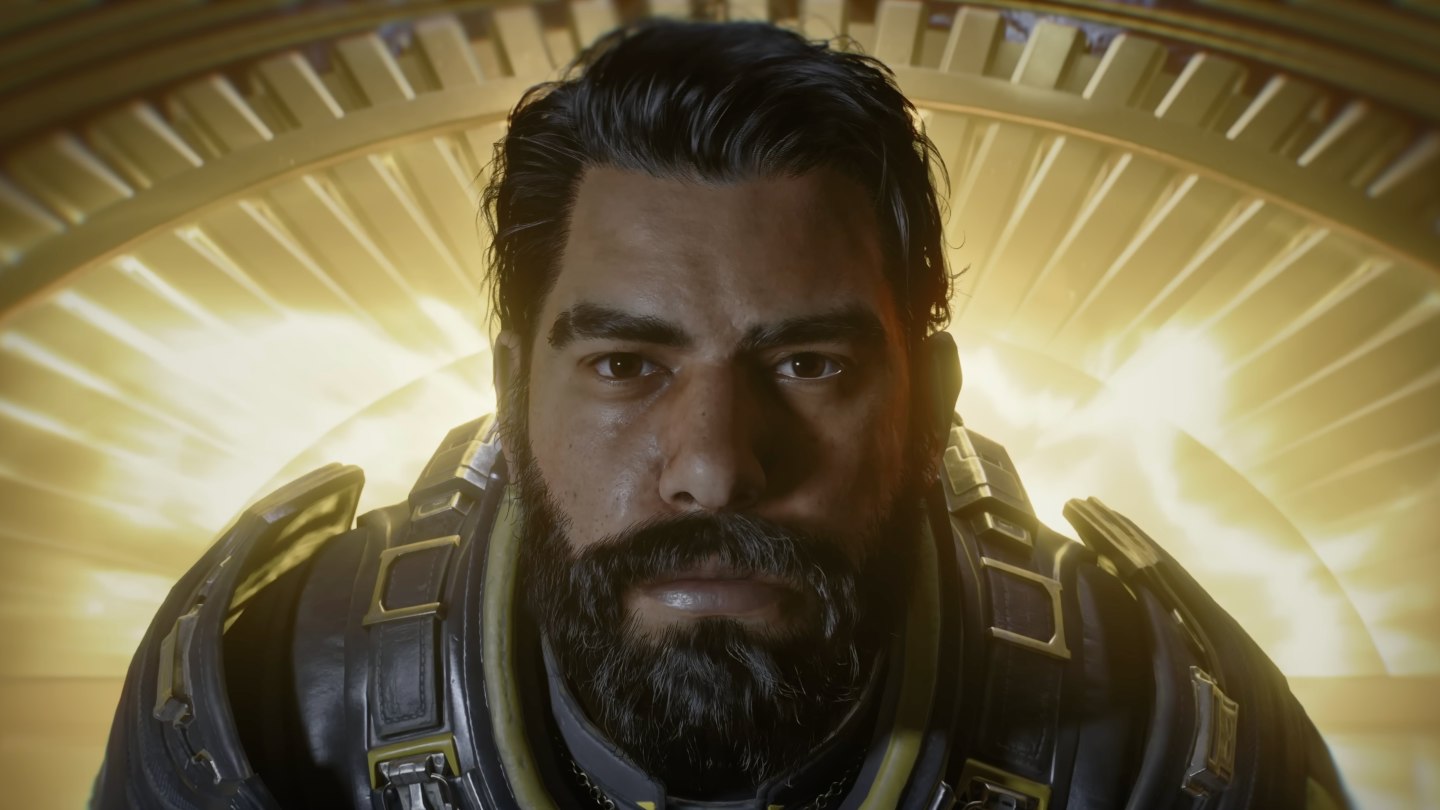
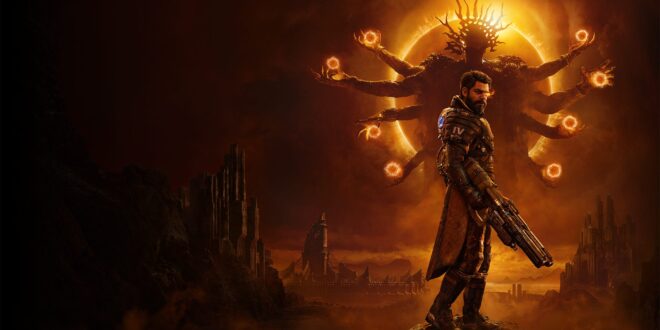
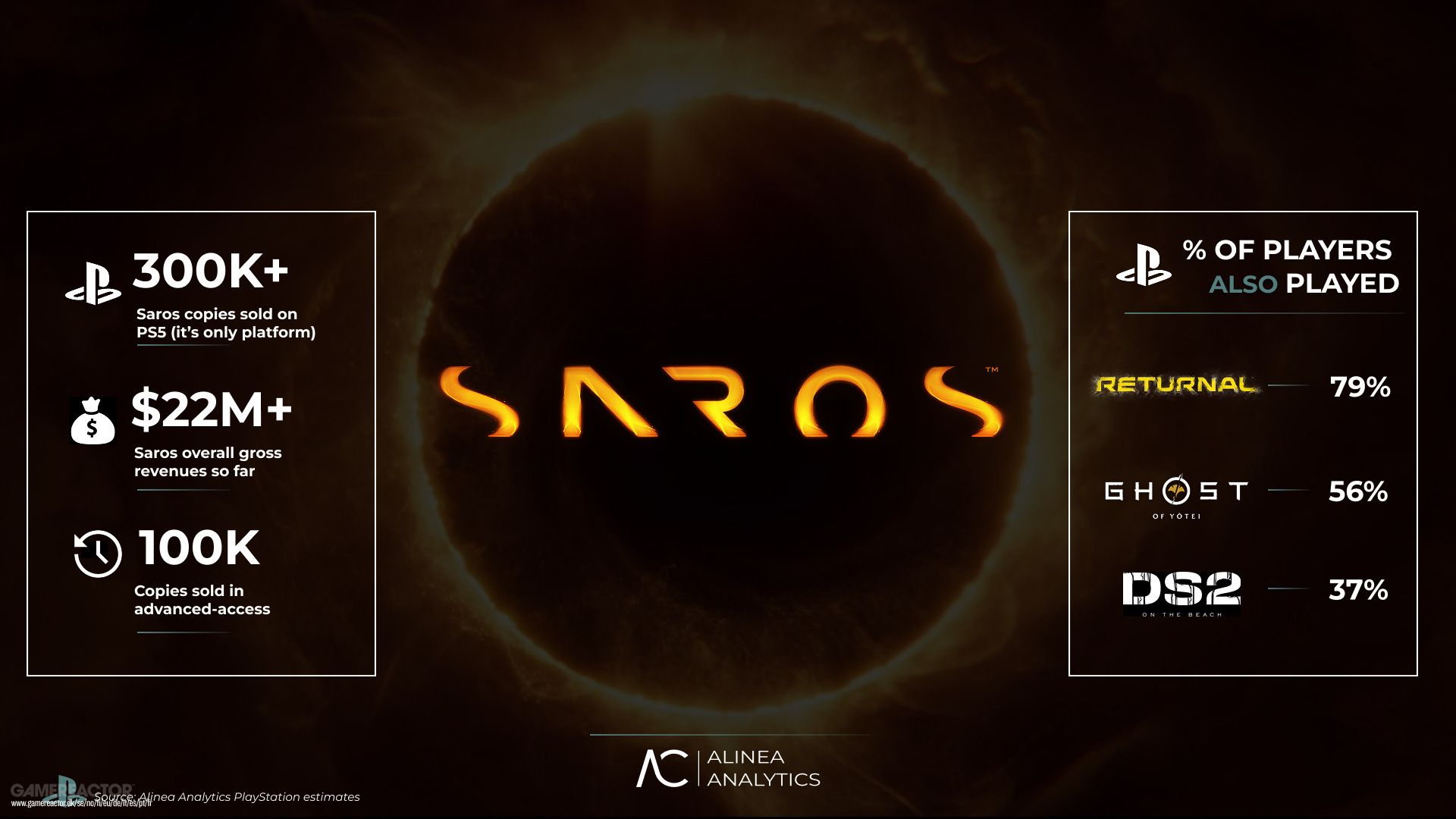
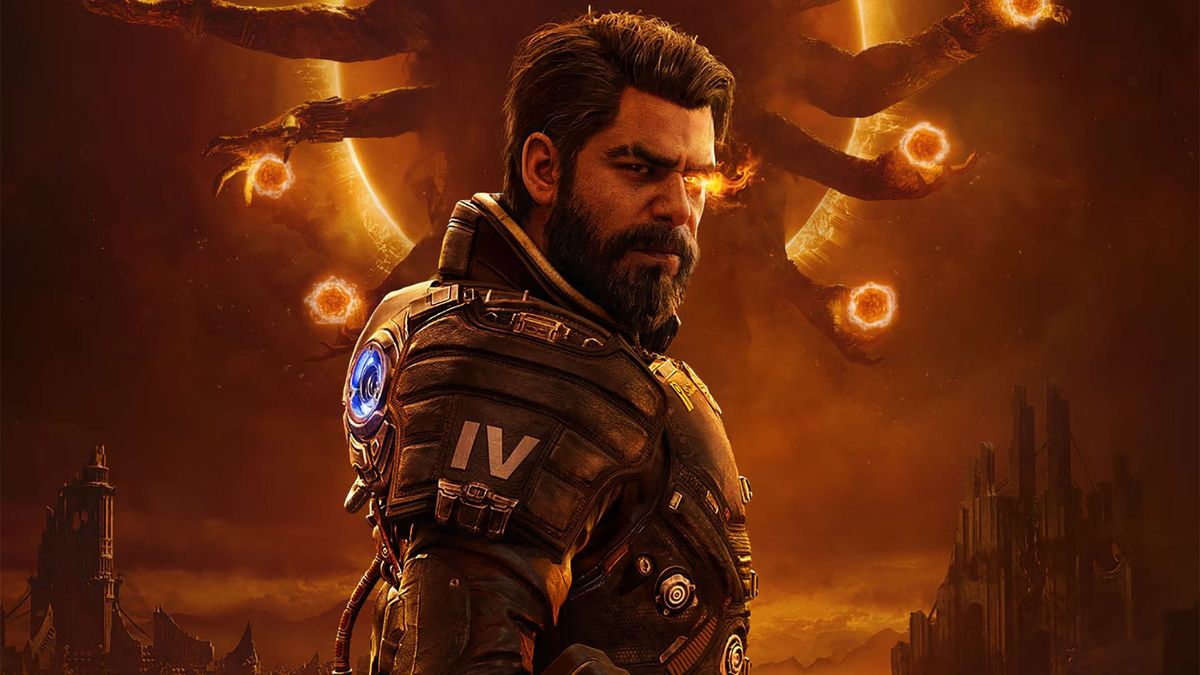
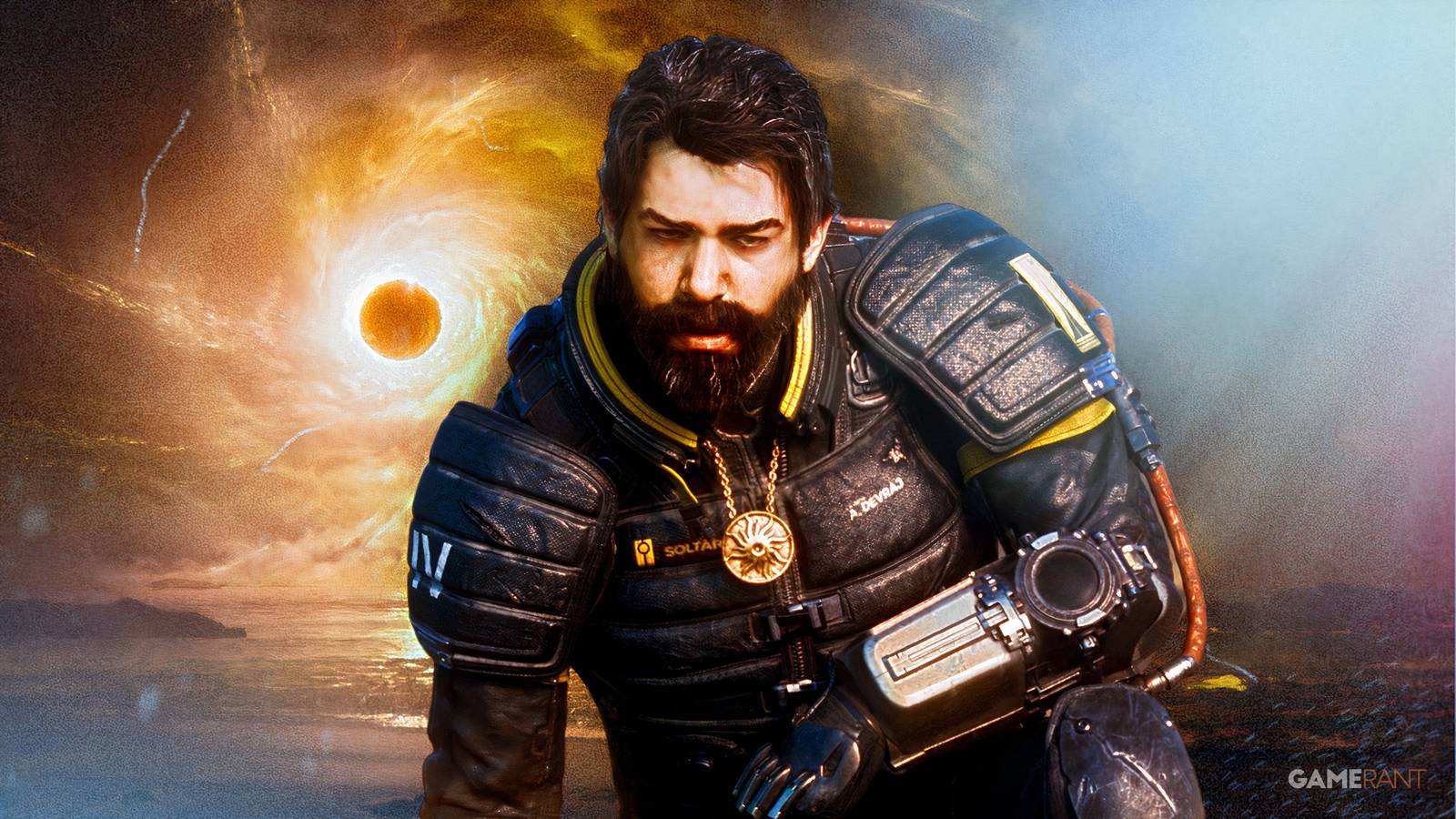
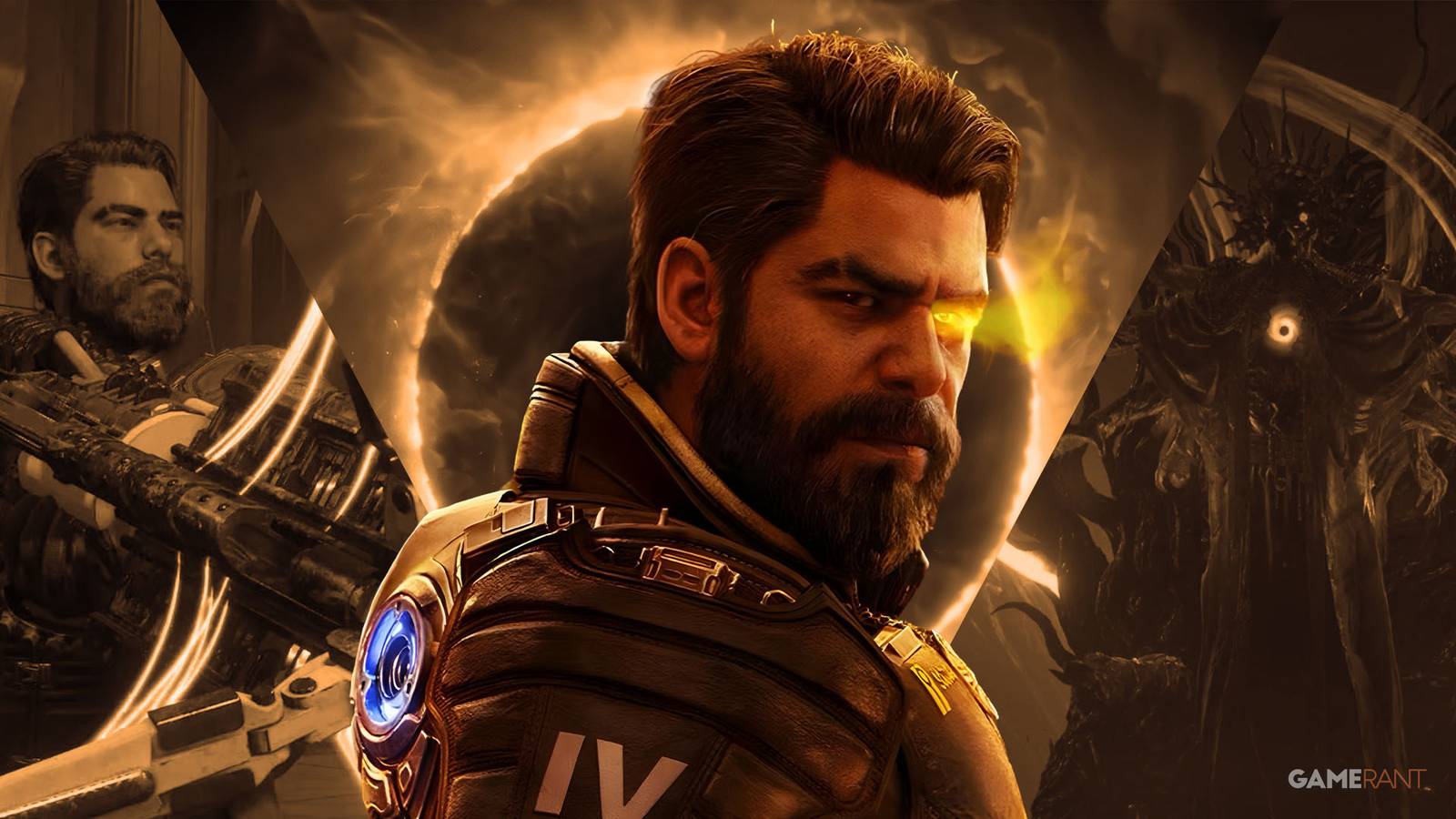
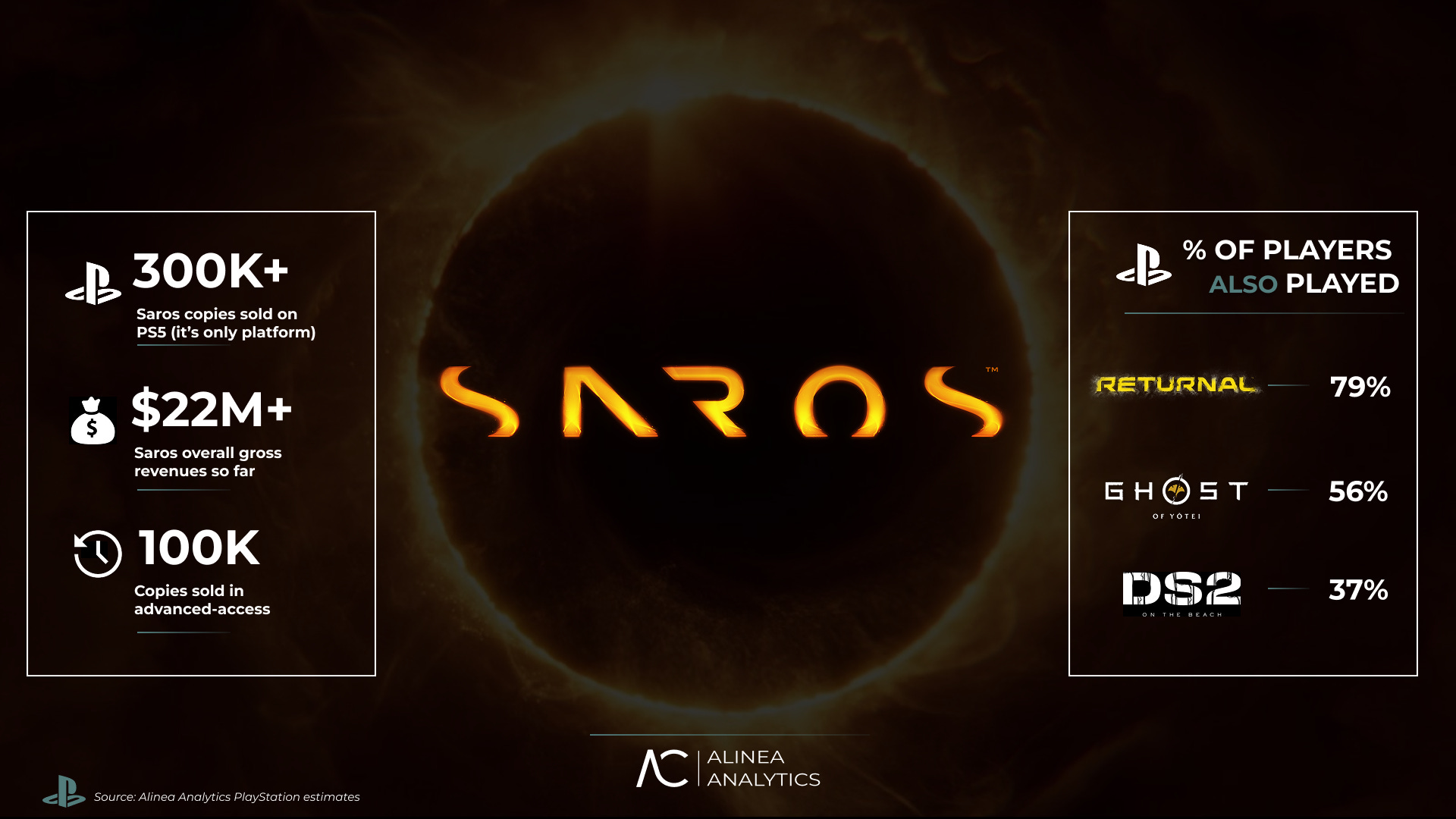
PlayStation 5 exclusive Saros sold approximately 300,000 copies in its first two weeks (April 30-May 13, 2026), generating over $22 million in revenue according to Alinea Analytics. While characterized as a "lukewarm" launch compared to predecessor Returnal, the game's performance reveals critical insights for e-commerce sellers targeting gaming hardware, accessories, and merchandise categories. The game achieved 142,000 daily active users (DAU) by May 2, with sustained engagement of 115,000-140,000 DAU through the first ten days, indicating strong player retention and ecosystem loyalty—key metrics for understanding console adoption cycles and gaming merchandise demand.
Market Saturation & Audience Segmentation Insights: Saros launched into a 93 million PS5 install base versus Returnal's 8 million in 2021, yet underperformed due to market fragmentation. Critically, 79% of Saros players previously played Returnal, and audience overlap data shows 56% purchased Ghost of Yotei, 37% played Death Stranding 2, and 78% had played Returnal—demonstrating that hardcore PlayStation enthusiasts represent a concentrated, high-value demographic. This audience concentration is invaluable for sellers targeting gaming peripherals, collectibles, and premium accessories. The $70 price point and 3D bullet-hell genre without established IP created barriers to mainstream adoption, but one-third of sales came from early-access deluxe edition purchases, revealing strong superfan monetization potential through premium product tiers.
Engagement & Retention Metrics Signal Merchandise Demand: Despite modest sales, Saros demonstrated exceptional retention: 20% completion rate (double Returnal's rate), 40% of players exceeded 15 hours playtime, and 30% surpassed 20 hours. These metrics indicate highly engaged players with strong emotional investment—the exact audience segment that purchases gaming merchandise, collectibles, and branded accessories. Housemarque's accessibility improvements (auto-save, multiple save slots) expanded appeal beyond hardcore players, suggesting future merchandise opportunities targeting broader gaming demographics. The game's strong word-of-mouth potential and planned PlayStation Plus inclusion will drive secondary sales waves, creating extended merchandise selling windows beyond launch.
Platform Exclusivity & Multi-Channel Distribution Strategy: Sony's decision to maintain PS5 exclusivity (versus Returnal's eventual PC port) reflects strategic console-lock positioning. However, Returnal's PC success—$5 million in first Steam month, $13 million total over 4 years—demonstrates that multi-platform releases significantly extend revenue potential. For sellers, this signals that gaming merchandise tied to exclusive titles faces limited addressable markets initially, but eventual platform expansion (if Sony reconsiders) could unlock 2-3x merchandise demand. The $76 million development budget and break-even concerns highlight that exclusives function primarily to drive console adoption and ecosystem loyalty rather than direct game sales—meaning sellers should focus on console hardware bundles, ecosystem accessories, and long-tail merchandise rather than game-specific products alone.
Questions 7
How should sellers prepare for Saros's PlayStation Plus inclusion and secondary sales wave?
Saros's strong retention metrics (20% completion rate, 115K-140K sustained DAU) and planned PlayStation Plus inclusion will drive a secondary sales wave 3-6 months post-launch. Sellers should prepare inventory of complementary merchandise 60-90 days before PlayStation Plus launch announcement. Historical precedent: Returnal's PC port generated $5M first month and $13M total over 4 years, suggesting long-tail demand. Sellers should create content calendars around PlayStation Plus announcements, influencer partnerships with streamers playing Saros, and seasonal bundles (holiday gift sets, back-to-school gaming packages). Monitor PlayStation's official announcements for Plus inclusion timing to align inventory and marketing campaigns.
What are the top merchandise categories for sellers targeting Saros's 142K daily active player base?
Based on audience overlap data (78% Returnal players, 56% Ghost of Yotei buyers, 37% Death Stranding 2 players), top merchandise categories include: (1) Premium gaming controllers and custom skins, (2) Gaming headsets and audio equipment, (3) Collectible figures and statues, (4) Gaming chairs and ergonomic furniture, (5) Branded apparel and hoodies, (6) Streaming equipment and capture cards, (7) Gaming desk accessories and cable management. The 40% of players exceeding 15 hours playtime indicates high engagement with streaming/content creation—sellers should prioritize streaming-adjacent merchandise. Cross-border sellers can source these products from Asia Pacific manufacturers and resell on Amazon, eBay, and Shopify at 40-60% markups.