




NBA Cup Semifinals: A High-Stakes Showdown Between Thunder's Dominance and Spurs' Resilience
- Emerging Narrative of Team Adaptability and Strategic Comeback in Professional Basketball





,xPosition=0.5,yPosition=0.5;Resize=(640))










Overview
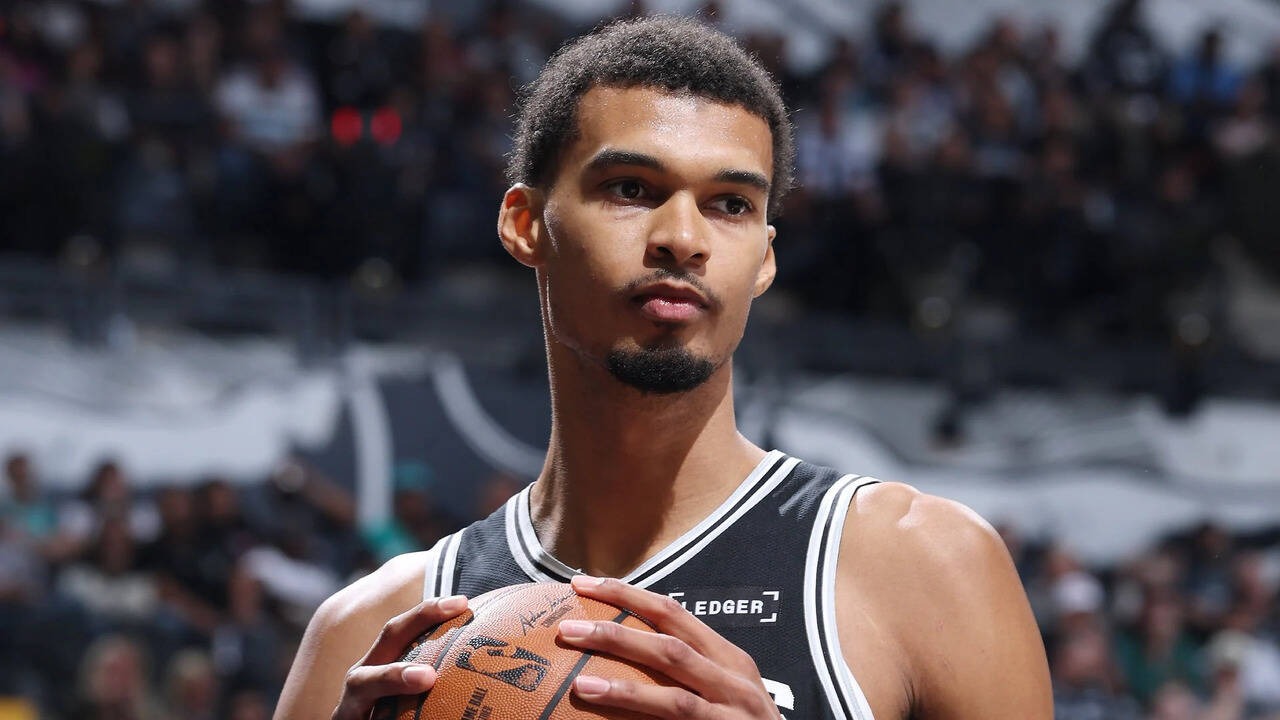
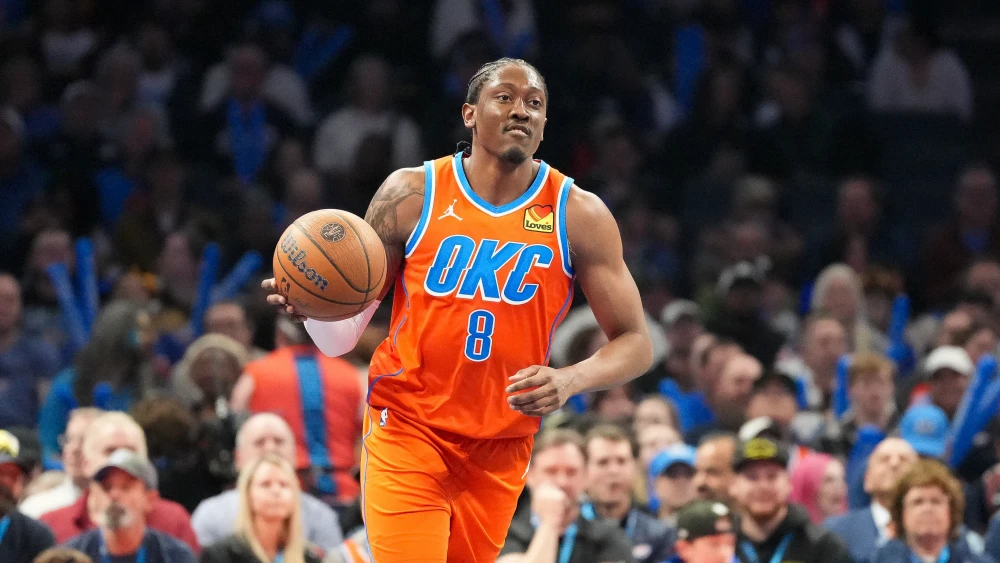
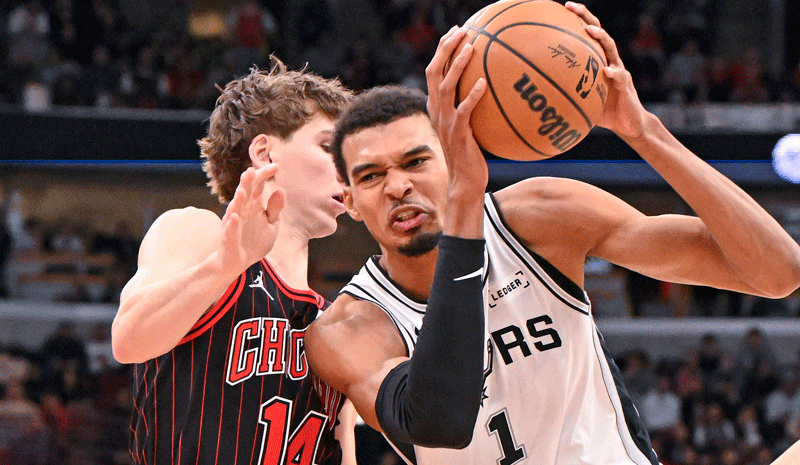
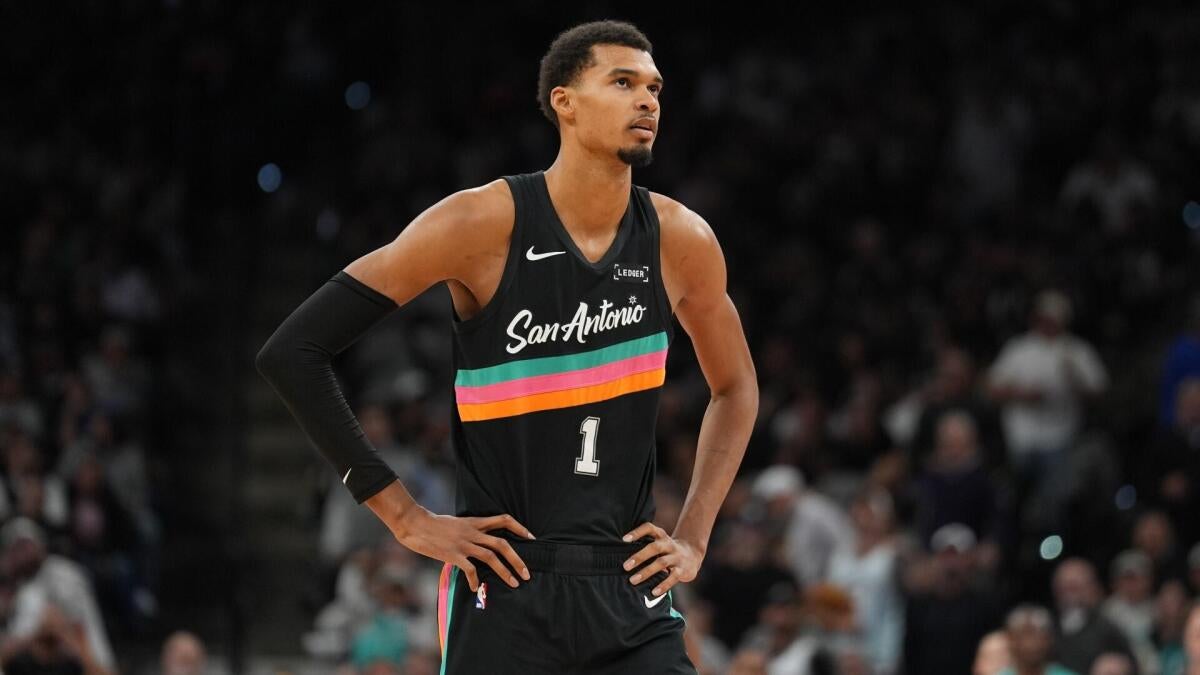
The upcoming NBA Cup semifinal between the Oklahoma City Thunder and San Antonio Spurs represents a pivotal moment of strategic resilience and performance dynamics in professional basketball. Victor Wembanyama's return and the Thunder's remarkable 24-1 record converge to create a narrative that transcends a simple sporting event, revealing deeper insights into team management and athletic recovery.
The Thunder enter the match as clear favorites, boasting an extraordinary 96% win rate and a sophisticated gameplay strategy. Their fifth-place ranking in NBA 3-point percentage (38.1%) demonstrates a technical prowess that goes beyond raw athletic talent. The team's ability to maintain exceptional performance, even with player rotations, highlights a systemic approach to team dynamics that sets them apart from traditional basketball franchises.
Conversely, the Spurs present a compelling counter-narrative of resilience. During Wembanyama's month-long absence, the team maintained an impressive 9-3 record, showcasing remarkable organizational adaptability. Coach Mitch Johnson's strategic reintegration of Wembanyama—with planned minute restrictions—reveals a nuanced approach to player management that prioritizes long-term performance over short-term gains.
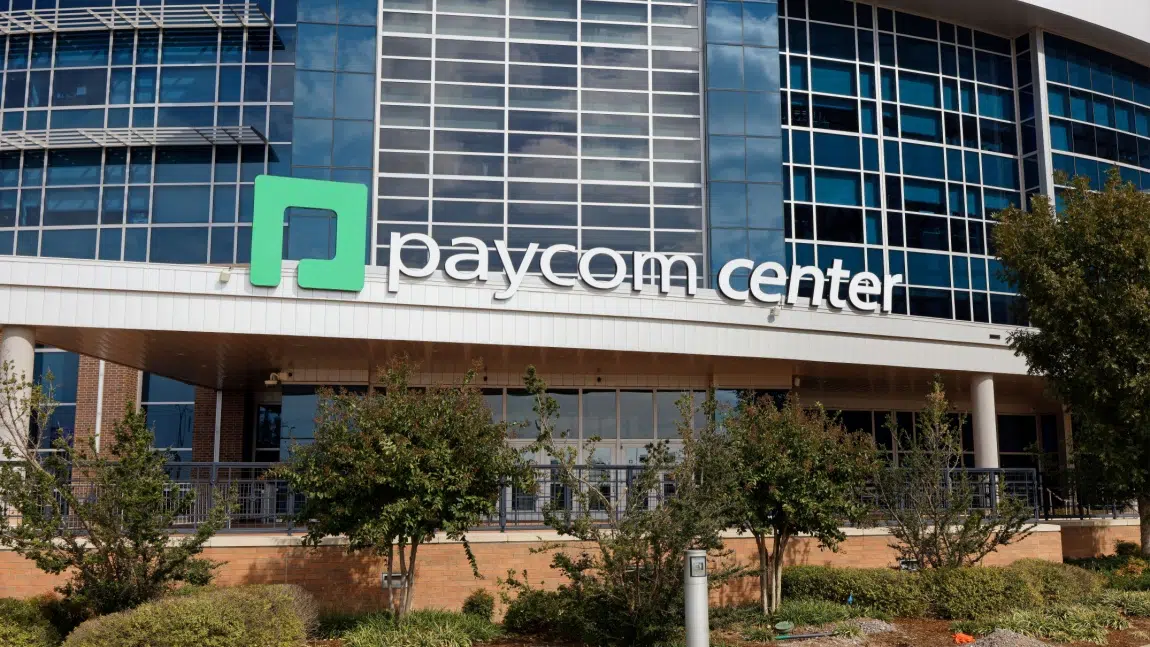
The match's unique setting in Las Vegas adds another layer of intrigue. With a potentially neutral crowd and an atmosphere reminiscent of a Summer League event, the semifinal becomes more than just a game—it's a test of psychological fortitude and strategic flexibility. The Thunder's seemingly unstoppable momentum will be challenged by the Spurs' collaborative playing style and the potential impact of Wembanyama's return.
This confrontation goes beyond individual player performances, representing a broader narrative of modern sports: how teams adapt, recover, and transform challenges into opportunities for growth and excellence.
Questions 3
What makes the Thunder's performance this season remarkable?
The Thunder's 24-1 record and 96% win rate demonstrate an extraordinary level of consistency and team depth. Their fifth-place ranking in 3-point percentage (38.1%) indicates a sophisticated, data-driven approach to gameplay that goes beyond individual star performances.
How does the Las Vegas setting impact the semifinal match?
The neutral Las Vegas venue creates a unique atmosphere that feels more like a Summer League event, potentially reducing home-court advantages. This setting could amplify the psychological aspects of the game, testing each team's adaptability and mental resilience.