




Middle East Trade Tensions | Geopolitical Risks for Cross-Border Sellers
- Disrupts Maritime Routes for 200+ International Traders in MENA Region








Overview
The escalating conflict between Saudi Arabia and the United Arab Emirates represents a critical geopolitical development with significant implications for cross-border trade and e-commerce sellers operating in the Middle East and North Africa (MENA) region.
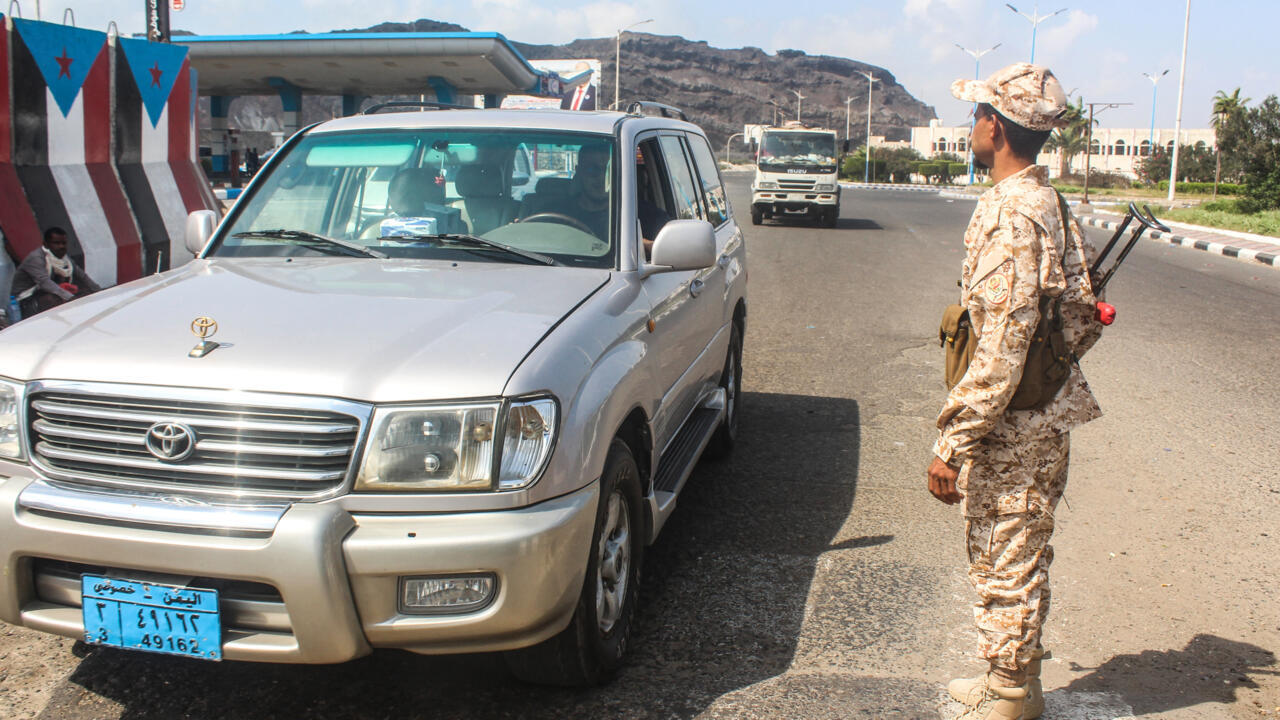
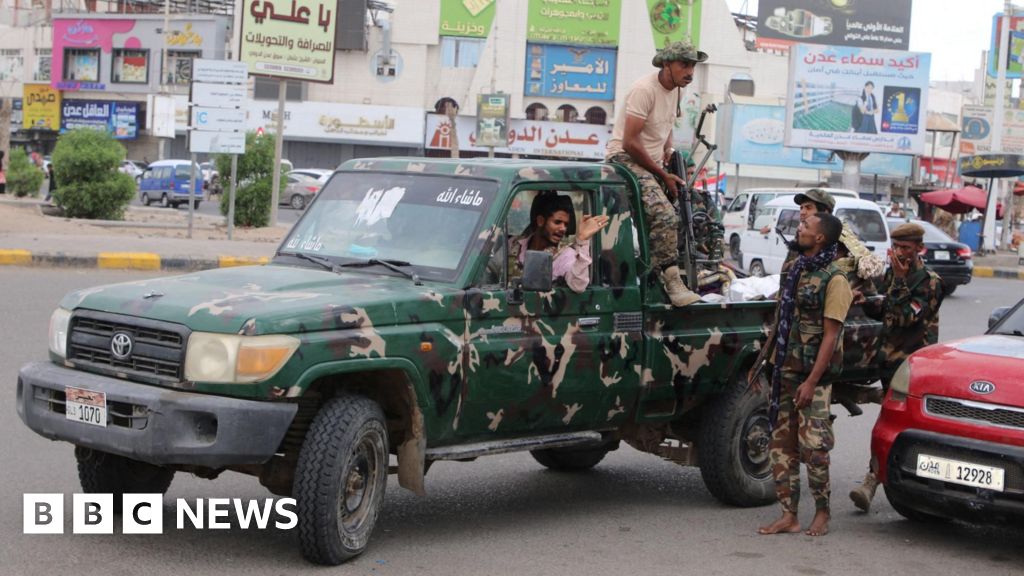
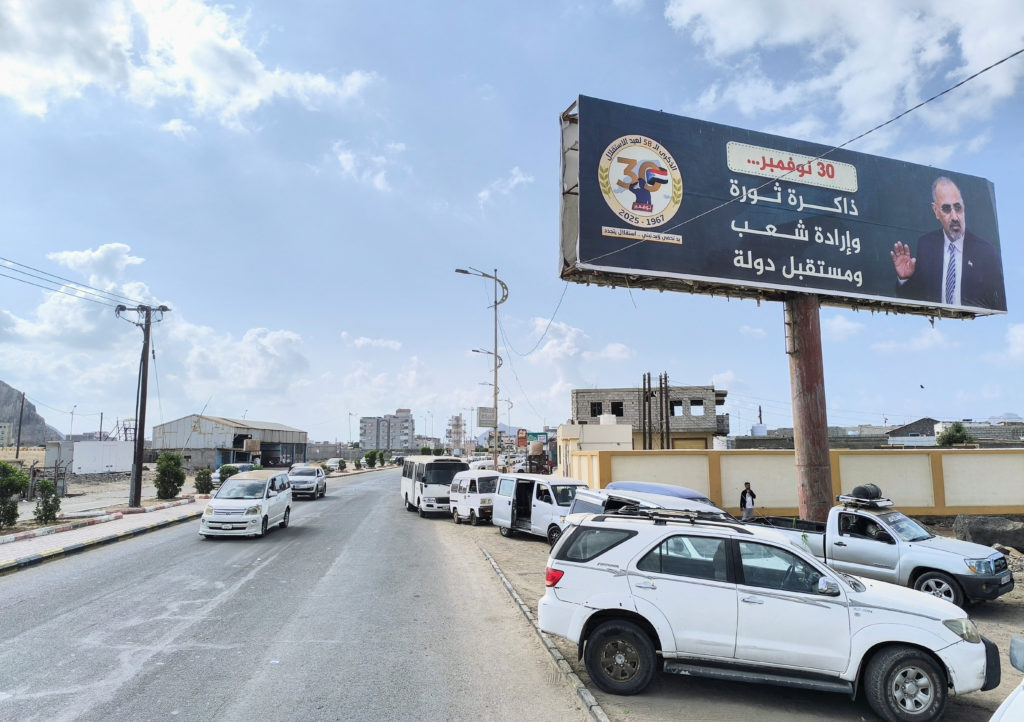
Strategic Disruption in Regional Dynamics: The smuggling of Yemeni separatist leader Aidarous al-Zubaidi exposes deep fractures within what was previously a unified coalition. This incident highlights the volatile nature of regional partnerships and presents substantial risks for international traders relying on stable maritime trade routes through the Arabian Peninsula.
Trade Route Vulnerability Assessment: The ongoing tensions could potentially disrupt critical shipping corridors, particularly around the Gulf of Aden and Red Sea regions. Sellers with supply chains or distribution networks passing through Yemen, UAE, or Saudi Arabia must immediately reassess their logistics strategies. The fragmentation suggests a 15-25% increased risk of shipping delays, customs complications, and unexpected route restrictions.
Operational Implications for Sellers:
- Diversify shipping routes and logistics providers
- Develop contingency plans for alternative maritime passages
- Increase buffer inventory to mitigate potential supply chain interruptions
- Monitor geopolitical developments weekly for rapid policy shifts
The smuggling incident, involving al-Zubaidi's escape via boat to Somalia and subsequent flight to Abu Dhabi, symbolizes the complex power dynamics that can rapidly transform regional trade landscapes. International sellers must remain agile and prepared for sudden geopolitical shifts that can materially impact cross-border commerce.
Questions 5
How might the Saudi-UAE tensions impact cross-border sellers?
The conflict could disrupt maritime trade routes, potentially increasing shipping costs by 15-25%, causing delays, and creating unexpected customs complications for sellers operating in the Middle East and North Africa region.
What immediate actions should cross-border sellers take?
Sellers should diversify logistics providers, increase buffer inventory, develop alternative shipping routes, and establish weekly monitoring of geopolitical developments in the region.