



Rural Pub Survival: Innovative Services Amid Regulatory Challenges
- Impacts 50K+ Small Hospitality Businesses in UK Market
























Overview
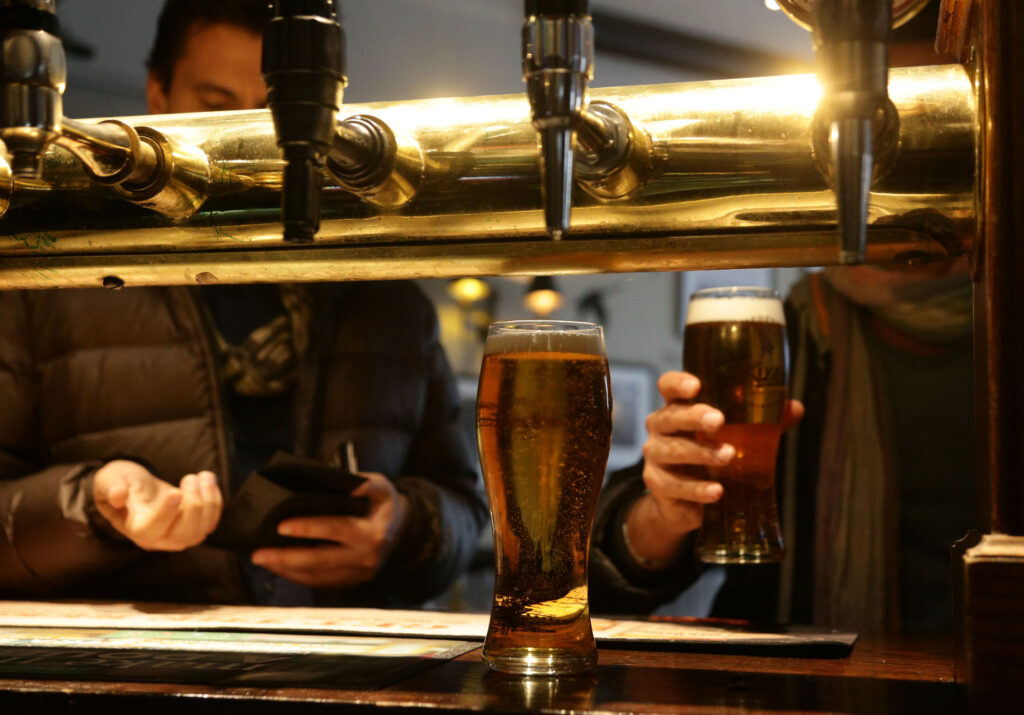
The proposed UK drink-driving limit reduction represents a critical inflection point for small hospitality businesses, revealing profound implications for operational resilience and customer-centric innovation. Regulatory pressures are forcing strategic reinvention in the hospitality sector, with small businesses like Sean McGahern's pub demonstrating adaptive capabilities beyond traditional service models.
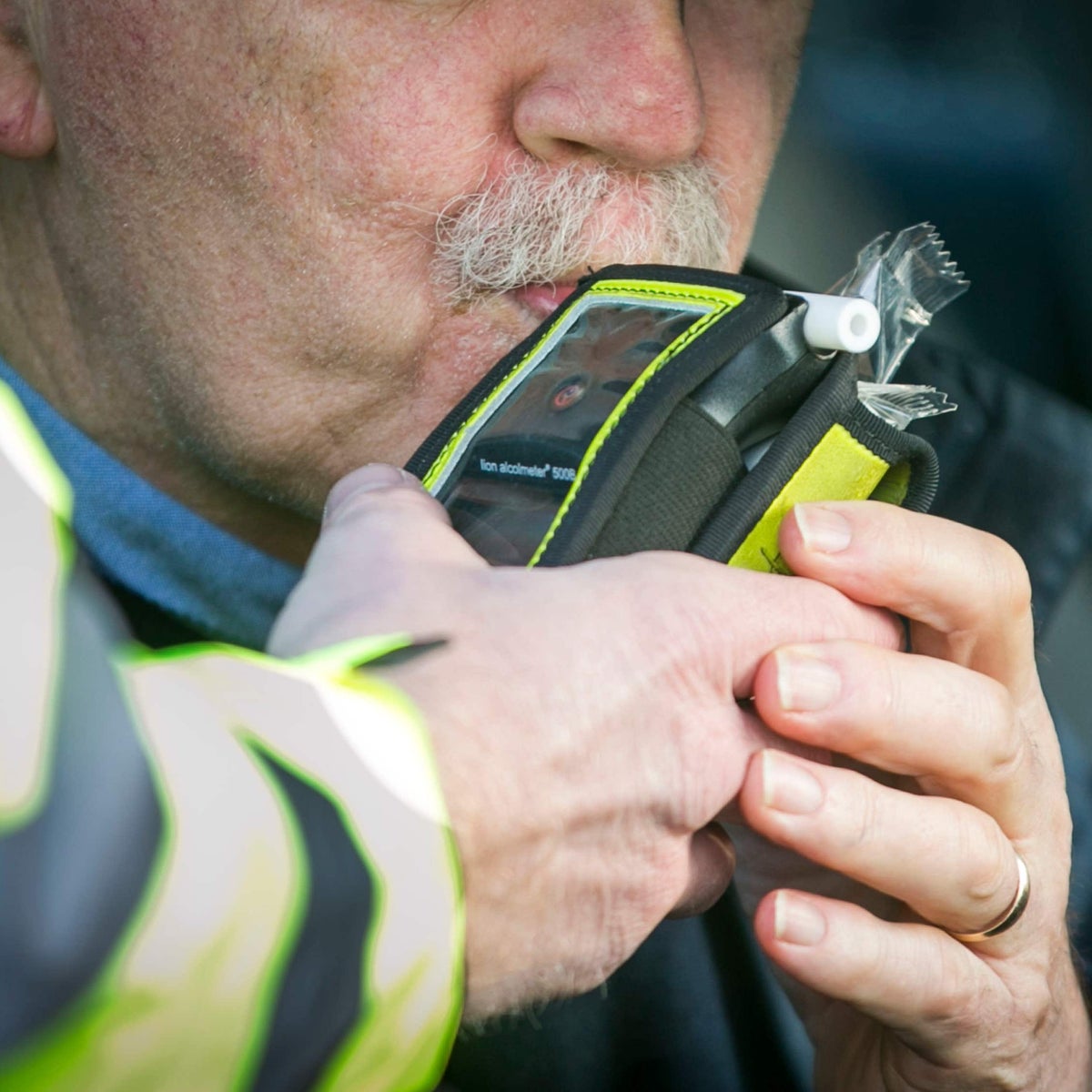
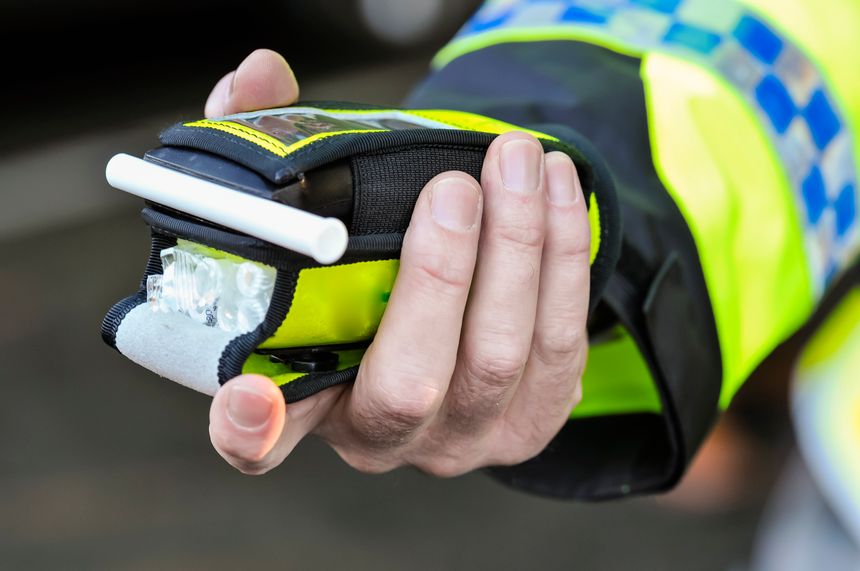
The proposed reduction from 35 to 22 micrograms of alcohol per 100ml breath signals a systemic challenge that extends far beyond mere legal compliance. Small businesses are becoming de facto mobility solution providers, as exemplified by McGahern's free taxi service initiative. This strategic response highlights an emerging trend where hospitality enterprises must develop comprehensive customer experience ecosystems to remain competitive.
Economic indicators underscore the mounting pressures: increased minimum wage, higher national insurance contributions, and escalating operational costs are compressing profit margins. The proposed drink-driving limit represents another layer of complexity, potentially reducing customer accessibility and spontaneous pub visits. Innovative service bundling becomes a survival mechanism, transforming traditional hospitality models into integrated community support platforms.
Transport Minister Lilian Greenwood's defense, citing University of Stirling and University of Bath studies, suggests minimal trade impact. However, the broader narrative reveals a critical adaptation imperative for small businesses navigating increasingly complex regulatory landscapes with razor-thin margins.
Questions 5
What government studies support these regulatory changes?
Studies from the University of Stirling and University of Bath suggest that similar limit reductions in Scotland did not substantially harm the pub trade, providing policy justification for the proposed national changes.
What economic pressures are challenging small pubs?
Small pubs face multiple economic challenges including increased minimum wage, higher national insurance contributions, rising operational costs, and potential customer behavior changes due to stricter drink-driving regulations.